Cooking Madness: A Chef's Game
- 76.94K
- 4.8
- Installs
- 100.00M
- Price
- Free

Screenshots






Analysis by Reviewed
At first glance, Cooking Madness: A Chef's Game looks like a breezy kitchen romp; after a few rounds, I found that its real appeal is the compact pressure of deciding what to cook, serve, or prepare next. It is an arcade game from ZenLife Games Ltd, built around quick restaurant shifts rather than realistic cooking. I’d recommend it to someone who enjoys juggling several small tasks and wants a bright game that can be played in short bursts, though its rising pace may not suit anyone looking for a slow, hands-off food game.
A kitchen world that stays easy to read
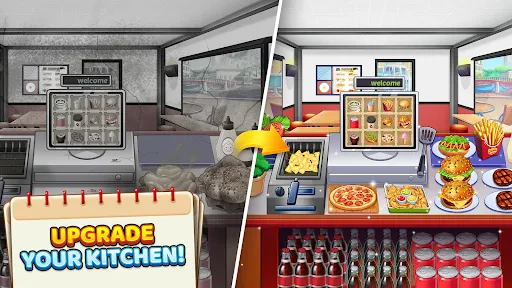
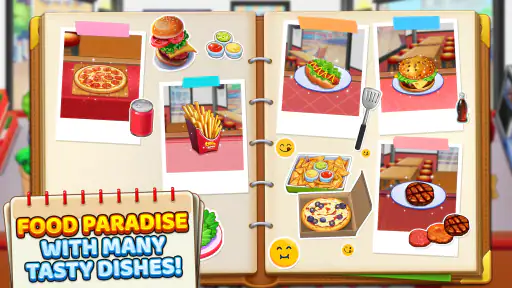
The visual style gives each restaurant and dish a cheerful, clean look, and that clarity matters once orders start piling up. I can tell at a glance what needs attention, so the busyness feels like a challenge rather than a confusing screen. The setting is more playful than realistic: the pleasure comes from the lively kitchen mood and the steady stream of orders, not from simulating the work of a real chef.
That clear visual language also helps when I return after a break. I don’t need to remember a long story or study a complicated map before playing; I can focus on the order flow and the kitchen in front of me. For a game built around rapid choices, readable dishes and stations are not just decoration. They make it easier to decide what deserves attention first, especially when several customers are waiting.
Get Ready to Cook Up a Storm
Cooking Madness: A Chef's Game throws you right into the heart of a bustling kitchen. From flipping burgers to baking sweet treats, this game has it all. The task is simple: cook and serve as many dishes as possible to keep your customers happy and your restaurant thriving. But don’t be fooled by the simplicity; as you progress, the orders come in faster and the recipes get more complex.
Gameplay That Keeps You On Your Toes
The gameplay is incredibly engaging. With each level, you’re racing against the clock to prepare meals, serve customers, and collect tips. There’s a delightful sense of satisfaction as you complete a level, earning coins and gems that you can use to upgrade your kitchen. These upgrades are crucial as they help you keep up with the increasing demand and unlock new recipes. The game’s design encourages strategic thinking and quick reflexes, making it a thrilling challenge for players of all ages.
The main adjustment I’d make as a new player is to treat each round as a little workflow puzzle, not simply a race to tap faster. Notice which preparation steps can be handled while another task is underway, then use those moments to keep the queue moving. This is a more useful skill than frantic tapping because speed without a plan can leave an order unfinished at the exact moment the kitchen becomes crowded.
It is also worth separating a failed round from a failed strategy. If I repeatedly fall behind, I look for the point where the chain breaks: perhaps I am letting one item occupy my attention while another order is becoming urgent, or I am serving in a sequence that creates unnecessary waiting. That small review gives a retry a purpose. The game’s pressure can be demanding, but it feels fairer when I can identify a specific decision to change rather than simply hoping to react faster.
More From Our News Desk

Clash of Clans Is Won Between the Battles

Android Auto Makes the Case for Quieter Car Software

MobiOffice: Transforming Mobile Productivity with Seamless Integration

EA SPORTS FC™ Mobile Soccer: Redefining Mobile Sports Gaming

How Microsoft OneDrive Became a Mobile Productivity Giant

How Google Translate Breaks Language Barriers Effortlessly
Sound, timing, and a useful way to play
The energetic soundtrack and kitchen effects fit the quick service rhythm, giving each round a little extra momentum. I like that the audio supports the action without changing what the game asks of me: watch orders, manage preparation, and serve before the rush gets away from me. If I’m playing somewhere quiet, I can still follow the visual activity; with sound on, the sizzling and coin sounds make the kitchen feel busier. Either way, the appeal is the same short loop of pressure and relief when a shift goes well.
That makes the game easier to fit into ordinary gaps than a story-heavy adventure, but I would not treat every gap as a good time to play. A short wait before an appointment can suit a round, while a stop-and-start commute or a conversation that needs my attention can make the timing frustrating. The useful distinction is not whether a session is brief, but whether I can stay focused until the round is done.
Visuals and Sound
The vibrant graphics are a feast for the eyes, with each dish looking good enough to eat. The soundtrack is upbeat and adds to the energetic vibe of the game. The sound effects, from the sizzle of the pan to the clink of coins, are spot-on and enhance the immersive experience.
The presentation works best because the cheerful look and brisk audio are pulling in the same direction. The kitchens feel lively without turning the screen into visual noise, and the sounds make completing a service feel satisfying rather than merely functional. I wouldn’t choose it for deep atmosphere or a realistic restaurant setting; its strength is a light, colorful mood that makes a demanding round feel inviting.
Small decisions that make a difference
For a smoother run, I’d treat upgrades as a response to the bottleneck you actually feel, rather than spending resources just because a new improvement is available. If orders are backing up around one part of the kitchen, improving that pressure point is more useful than spreading attention evenly. I also find it helps to scan the incoming orders before tapping through tasks; a moment of planning can prevent a pan or serving step from being forgotten when the pace rises. These habits don’t make the game relaxed, but they make its multitasking feel more deliberate.
There is a practical trade-off here: saving resources for a specific improvement can make early progress feel slower, while spending as soon as something becomes available may leave less room to respond to a later difficulty. I’d use a few attempts to learn where the real delay is before committing. If the same task keeps creating a queue, that is a stronger reason to upgrade than the general feeling that every station ought to be improved at once.
When I only have a minute to play, I avoid starting a level if I know I’ll need to put the phone down immediately. The game’s appeal depends on following a run through its rush, and interruptions can turn a satisfying sequence into a scramble. When I have a little more attention to spare, I can use the first moments of a round to read the order pattern, then settle into a repeatable rhythm instead of reacting to each customer as a separate surprise.
Why It's Addictive
One of the most addictive elements of Cooking Madness is its progression system. As you complete levels, you unlock new restaurants and cuisines, keeping the gameplay fresh and exciting. There’s always a new challenge around the corner, and the game rewards you for your efforts with various achievements and bonuses.
But what really hooks players is the sense of accomplishment as you master each level and see your restaurant empire grow. It’s a game that’s easy to pick up but hard to put down, as you find yourself saying, "Just one more level!"
That steady sense of forward movement is appealing, but it also sets the game’s limits. Players who want one carefully crafted challenge and a definite ending may find the progression less satisfying than a compact puzzle game. Here, the pleasure comes from returning to the service loop, improving how you handle it, and seeing the next restaurant or challenge arrive. I enjoy that when I want ongoing goals; I would choose a self-contained game instead when I’m looking for a shorter experience with a clear finish.
Who will enjoy the rush—and who may not
I’d choose this over a slower restaurant builder when I want direct, hands-on play: the focus is on serving under pressure, not calmly arranging a venue or waiting for a business simulation to unfold. It also differs from a pure puzzle game because success depends on keeping several kitchen tasks moving at once. That makes it a good fit for a quick break or a commute when I can give the screen my attention. It is less suitable when I want to play one-handed without focus, or when I’m in the mood for open-ended cooking without timers and escalating demands.
For a realistic everyday example, I’d open it after lunch while waiting for a friend who is running late, provided I have enough time to finish a round without rushing away. I can get a focused burst of play, then put it down once the level ends. It is less convenient during a work break if I may be called back at any moment, because the action asks me to keep track of several things at once rather than casually glance at the screen.
The game is also a better match for people who enjoy improving through repetition than for players who dislike retries. If a busy level feels like a satisfying test, the increasing demand can be motivating. If losing a round makes you want to stop rather than try a different order of actions, a slower cooking game or a puzzle with more time to think will probably be a better fit. The food theme is welcoming, but the core appeal is time management, not recipe discovery or quiet creativity.
A practical approach is to play a level when you have enough time to concentrate, then stop after a clear milestone rather than starting another round automatically. The “one more” pull is real, and a difficult stage can tempt me to keep retrying when I meant to take a short break. If progress starts to feel like a chore, stepping away is better than treating every level as something I must clear immediately.
What to expect before installing
The game is free to download, with in-app purchases ranging from $0.99 to $99.99 per item, so I’d go in knowing that optional spending is part of the experience. Its Everyone age rating makes it broadly accessible, and it has a 4.8 average from around 3.2 million ratings, with over 100 million installs. Those figures point to a widely played game, but they don’t guarantee that its increasingly busy rounds will suit every player.
Because purchases are available, I’d decide in advance whether I want to keep the game entirely free or am comfortable spending on optional items. That simple boundary can make the progression easier to enjoy: I can focus on learning the levels and using resources thoughtfully, rather than treating every obstacle as a reason to pay. Anyone sharing a device with a child may also want to make sure purchases are handled deliberately, since the Everyone rating describes the audience suitability, not a promise that every player will enjoy the pace.
On Android, the listed minimum requirement is version 5.0, and the current version is 2.9.7. I’d check that my device meets the requirement before downloading. If you’re wondering whether it is only for serious cooking fans, I’d say no: the time-management challenge matters more than food knowledge. The stronger question is whether you enjoy quick reactions and repeated attempts at a level when the orders get demanding.
The game has been available since September 30, 2017, and its established audience is reflected in its roughly 77,000 written reviews as well as its ratings. That kind of reach is useful context if you’re deciding whether it is a niche experiment or a familiar arcade format: it is clearly a widely adopted option, though popularity is no substitute for matching its pace to your own taste. On iOS, I’d still check the requirements shown for my device before installing, since the Android minimum does not describe Apple device compatibility.
Final Thoughts
If you're looking for a game that combines the thrill of cooking with the excitement of time management, Cooking Madness: A Chef's Game is definitely worth a download. It’s a fun, fast-paced game that challenges your multitasking skills and keeps you entertained for hours. Whether you’re a casual gamer or a seasoned chef in the making, this game offers something for everyone. So, grab your apron and get ready to cook up a storm!
My more measured recommendation is to try it when you want an active arcade session and enjoy the satisfaction of getting a busy routine under control. The artwork, sound, and steady rise in pressure give the game a coherent mood: cheerful on the surface, focused once the orders stack up. If you want a calm restaurant sandbox, a cooking game built around experimentation, or something you can ignore while multitasking in real life, I’d pick a different kind of game. If you like quick decisions, visible progress, and the chance to refine a run, this kitchen rush has a clear reason to stay installed.
Cooking Madness: A Chef's Game Frequently Asked Questions
Can I play Cooking Madness: A Chef's Game in short sessions?
Yes. Cooking Madness is built around quick arcade-style cooking challenges, so it can suit a short break as well as a longer play session. Each level asks you to prepare dishes and serve customers while keeping track of time, giving the game a focused, hands-on rhythm. The pace can become demanding, so a brief session may still feel lively rather than passive.
What kind of gameplay should I expect from Cooking Madness: A Chef's Game?
Expect a hands-on arcade cooking game in which you prepare meals, manage several tasks, and serve customers under time pressure. The game’s restaurant theme and quick challenges make it easy to understand, while later stages can call for faster decisions. If you enjoy tapping through active levels and trying to improve your results, its core loop may be a good fit.
Does Cooking Madness: A Chef's Game have kitchen upgrades and progression?
Yes. Progression includes unlocking restaurants and upgrading kitchen equipment as you move through the game. Improvements can help you work more efficiently, while replaying levels gives you an opportunity to practise and earn more coins. The combination of new challenges and upgrades gives the cooking action a sense of forward movement, particularly if you enjoy gradually building up your in-game kitchen.
Who developed Cooking Madness: A Chef's Game?
Cooking Madness: A Chef's Game was developed by ZenLife Games Ltd. It is an arcade game centered on restaurant cooking, quick decisions, and serving customers. Knowing the developer can help when you are checking that you have found the intended game in an app store, especially if search results include other cooking titles with similar names.
What devices can run Cooking Madness: A Chef's Game?
Cooking Madness: A Chef's Game is a mobile arcade game for Android and iOS. On Android, it requires version 5.0 or later, and it is designed for phones and tablets. The game is free to download, so checking that your device meets the Android requirement before installing can help you get started smoothly.
Pros
- Engaging and fast-paced gameplay.
- Frequent updates with new content.
- Visually appealing graphics.
- Variety of challenging levels.
- Easy to learn
- hard to master.
Cons
- In-app purchases can be pricey.
- Requires constant internet connection.
- Ads can be intrusive at times.
- Some levels can feel repetitive.
- Energy system limits playtime.
- Category
- Arcade
- Version
- 2.9.7













