Classic Jigsaw
- 109.00
- 4.9
- Installs
- 500.00K
- Price
- Free

Screenshots
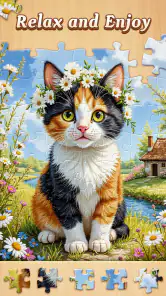
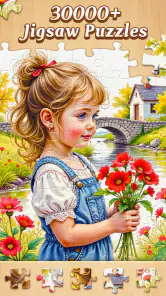
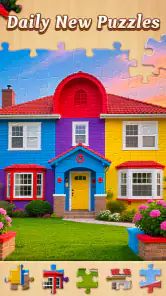

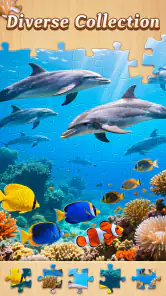
Analysis by Reviewed
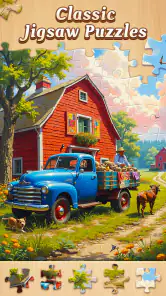
I like a jigsaw puzzle best when it gives my hands something calm to do without turning a spare moment into another task to manage. Classic Jigsaw is a trivia-category game built around that quieter appeal: its appeal is assembling pieces at an unhurried pace, rather than racing through questions or competing for a score. Greyfun Games describes it as a classic jigsaw experience, and that is the right way to approach it. If you want a low-pressure puzzle to pick up between errands or settle into at the end of the day, it is an inviting idea; if you need elaborate challenges or a clearly documented progression system, you may want to compare it with other puzzle games first.
A relaxed puzzle, not a race
What the core experience promises
The game’s central pitch is easy to understand: work with large pieces and make a jigsaw. That emphasis suggests an accessible, less fiddly style of play, which can be especially welcome on a phone screen. In a typical mobile puzzler, tiny pieces and crowded controls can make a supposedly relaxing activity feel like precise touchscreen work. A larger-piece approach is more suited to short sessions and casual play, though the experience will still depend on the screen and the way you prefer to handle pieces.
I would think of it as a small mental reset rather than a deep trivia test. The category label can sound like a promise of questions and answers, but the puzzle description points toward image assembly as the main activity. That distinction matters if you are choosing the game for a particular mood: it is a better fit when you want to notice shapes, colors, and edges than when you want to test facts or learn subject matter.
Its audience is broad. The content rating is Everyone, so it is positioned for general audiences, and the simple puzzle premise is easy to share with a child or play alongside someone who does not usually enjoy competitive mobile games. I would still treat the age rating as a content guide, not a guarantee that every player will find the controls or pacing equally comfortable.
When it fits into an ordinary day
A useful way to play is to open it during a short break and set a natural stopping point before starting: finish one small stretch of sorting or complete the puzzle if it is close. That keeps a relaxing game from swallowing a longer break than intended. It also suits a quiet evening when I want an activity that leaves room for conversation, music, or a podcast, unlike a fast quiz that keeps demanding immediate attention.
For a more deliberate session, I would approach a puzzle in stages: first find the obvious edge pieces, then group pieces by similar colors or visual details, and only then begin filling the middle. This is not a claimed in-game mode; it is a practical method for avoiding random dragging. In jigsaws, an organized start can make a small screen feel less cluttered and help a player enjoy the pattern-finding rather than repeatedly testing pieces at random.
One trade-off is that large pieces can make a puzzle approachable while also limiting the feeling of intricate assembly, depending on how much detail you personally want. If you enjoy hundreds of tiny pieces and the slow satisfaction of fine-grained sorting, a more demanding jigsaw app may suit you better. If you would rather avoid squinting and fiddly taps, the broad-piece approach is the more appealing side of the bargain.
How it compares with familiar alternatives
Compared with fast trivia games, this is a slower choice: there is no reason in the core premise to expect rapid-fire answers or knowledge contests. Compared with complex jigsaw apps, the focus on easy play points toward accessibility over a highly technical puzzle toolkit. I would choose it over a quiz when I want to unwind without feeling tested, and choose a richer puzzle alternative when I specifically want extensive controls, detailed sorting options, or a more demanding challenge.
That makes it a useful option for different kinds of downtime, but not a universal replacement. A commuter with only a minute to spare may prefer a very short word or trivia round; someone relaxing at home may get more from fitting pieces together at their own pace. The best choice depends less on a broad claim that one format is better and more on whether you want an answer-focused burst or a visual, incremental task.
Spending, progress, and confidence
What the price and purchases mean
The game is free to download, and it has in-app purchases ranging from $4.99 to $49.99 per item. That is the clearest spending context I can give without guessing what any individual purchase contains. I would not assume that a purchase is required to enjoy the basic puzzle, nor would I assume that every item is cosmetic or optional in practice. Before paying, check the purchase description shown in the game and decide whether it addresses something you actually want.
My practical advice is to play without spending first and see whether the puzzle style itself holds your attention. If a purchase is presented while you are in the middle of a relaxing session, pause rather than treating it as part of the game’s normal rhythm. The price range means an item can represent a meaningful difference in cost, so it is worth reading the exact offer carefully and confirming the amount before authorizing anything, especially if a child uses the device.
The available purchase facts do not establish how progress is handled, what purchases unlock, or whether there are timers or other forms of pressure. I would not treat any of those as present or absent without seeing them in the game. For a buyer, that makes a cautious first session more useful than relying on assumptions: notice whether the game lets you play at the pace you want, and inspect any offer before deciding.
Pressure and the shape of progression
The relaxed framing is attractive, but it does not by itself prove that every part of play is pressure-free. A puzzle can feel calm while still presenting prompts or progression choices that affect the session. Since those details are not established here, I would judge them in context rather than promise a particular system. The simplest test is whether you can focus on assembling a picture without feeling pushed to hurry, spend, or return on a schedule.
For players who dislike timers, streaks, or competitive rankings, that distinction is important. I would not choose a game solely because its summary uses calming language; I would see whether its actual play respects a casual pace. If you find yourself more concerned with a progress bar or an offer than with the puzzle, it may not be the restorative break you wanted. Someone who enjoys clear goals and visible advancement may have the opposite reaction and prefer a game that makes those systems explicit.
A useful small-screen tactic is to avoid switching rapidly between sorting and placing. Choose one visual clue at a time—an edge, a strong color patch, or a distinctive shape—and use that clue to narrow your choices. It reduces aimless tapping and makes the session feel more intentional, especially when the screen is busy. This is a player-side workflow, not a claim about a special sorting feature.
Fairness and the limits of comparison
Classic Jigsaw has a 4.9 average from around 9,800 ratings, with 109 written reviews, and it has passed 500,000 installs. Those figures show that it has attracted substantial attention and that its rating is very positive, but they cannot tell me whether a particular purchase is worthwhile or whether the experience fits my own taste. Ratings can help a reader decide that the game is worth a look; they are not a substitute for checking the purchase terms or trying the core activity.
Fairness is difficult to judge from a puzzle premise alone. In a jigsaw, the most relevant questions are whether the challenge feels understandable, whether handling pieces is comfortable, and whether spending is kept separate from the satisfaction of solving. I would avoid calling the game fair or unfair on the basis of the rating or install count. Instead, I would watch for whether an offer changes the way I can continue and whether the price is clear before I confirm it.
There is also a simple comparison with paper puzzles. A physical jigsaw gives you a larger surface and tactile pieces, while a phone game is easier to carry and can fill a short pause without needing a table. Classic Jigsaw makes sense when convenience matters more than the feel of real cardboard. If you want a shared family activity spread across a table, a physical puzzle may still be the better choice; if you want an individual screen-based break, the app format has the practical edge.
Who should try it—and who may prefer something else
I would recommend giving it a try if you enjoy visual puzzles, want a gentle activity, or are looking for a game that does not depend on quick reactions. It may also work for someone easing into mobile games, because the basic idea of fitting puzzle pieces together is familiar. The free download gives you a way to assess that fit before considering any paid item.
I would steer away if your main reason for installing is to answer trivia questions, compete against other players, or explore a large set of documented modes and controls. The trivia category alone should not lead you to expect a quiz format. Likewise, players who want a difficult, highly customizable jigsaw should compare alternatives that clearly explain their puzzle sizes and tools before committing time or money.
Version 1.1.5 is the current version, and the minimum operating-system requirement is 7.1. Those details are worth checking against your device before downloading, particularly if you are installing on an older phone. The game is free, but the listed purchases mean that free access and optional spending are separate considerations; I would keep that distinction clear when deciding whether it suits your household.
My trust verdict
My overall view is cautiously positive: the straightforward jigsaw idea and emphasis on easy handling make Classic Jigsaw a sensible candidate for quiet, low-stakes play. Greyfun Games has a clear, approachable concept here, and the game’s strong average rating gives it a reassuring first impression without settling every question about value or progression. I would try it for the puzzle itself, not because I expect a feature-rich trivia competition.
The most trustworthy way to approach it is to keep expectations specific. Expect a casual jigsaw-oriented game, check the details of any purchase before confirming it, and pay attention to whether the pacing feels genuinely comfortable to you. If it delivers a pleasant few minutes of focused picture-building, it has done what I wanted from this kind of break. If I wanted deeper challenge, transparent progression systems, or a richer toolkit, I would move on to a puzzle app that makes those qualities central.
For an uncomplicated puzzle break, it is worth a look; for a demanding quiz or a fully specified jigsaw suite, I would choose something more targeted.
Classic Jigsaw Frequently Asked Questions
What is Classic Jigsaw?
Classic Jigsaw is a digital puzzle game built around the familiar activity of fitting picture pieces together. You choose an image and work through the board by placing pieces where they belong, using their shapes and visible picture details as clues. The precise selection of images and available modes can vary by version, so check the app listing and in-game menus to see what is included in the edition you plan to download.
Is Classic Jigsaw suitable for beginners and experienced puzzle fans?
Jigsaw puzzles are easy to understand, so newcomers can usually start playing with little instruction, while people who solve puzzles regularly may enjoy working through more challenging boards. Difficulty often depends on the number and shape of the pieces and the complexity of the image. Look for difficulty or piece-count options in the game, since available choices may differ between releases and devices.
Does Classic Jigsaw work offline?
Some puzzle games let you complete downloaded or built-in puzzles without an internet connection, but features such as image downloads, advertisements, cloud saves, or online events may require access. Offline availability can also depend on the particular version of Classic Jigsaw. If you expect to play while travelling or away from Wi-Fi, check the store description and test the game’s core features before relying on offline play.
Is Classic Jigsaw free to download, and does it include ads or in-app purchases?
The price and monetization model depend on the specific Classic Jigsaw listing and platform. A game may be free to install while displaying advertisements or offering optional purchases, such as extra puzzles or other content; paid editions may work differently. Review the App Store or Google Play listing, including its in-app purchase information, before downloading, and check the game’s settings for available ad or purchase controls.
What should I check before downloading Classic Jigsaw?
Confirm that you have selected the correct game, since apps with similar names may be published by different developers and offer different features. Check device compatibility, the latest update date, screenshots, ratings, and user reviews on the official app store. It is also sensible to review requested permissions and privacy information, particularly if you plan to create an account, use online features, or share personal images.
Pros
- Offers a relaxing way to unwind with familiar jigsaw-style gameplay.
- Easy-to-understand controls make it approachable for casual players.
- Suitable for short play sessions whenever you have a few spare minutes.
- Completing puzzles can provide a satisfying sense of progress.
- A good fit for players who enjoy traditional
- low-pressure games.
Cons
- May feel repetitive if you prefer games with varied objectives.
- Puzzle solving can be challenging on smaller phone screens.
- Enjoyment depends heavily on the variety and quality of available images.
- Progress may feel slow for players looking for fast-paced gameplay.
- Some players may prefer physical puzzles with tangible pieces.

- Category
- Trivia
- Version
- 1.1.5