Call of Dragons
- 5.08K
- 4.5
- Installs
- 10.00M
- Price
- Free

Screenshots
Analysis by Reviewed
I’d decide whether Call of Dragons is for you by asking one practical question: do you enjoy checking in on a growing strategy game and coordinating with other players, or do you want a self-contained battle you can finish in one sitting? In my experience, this fantasy world is most appealing when building, choosing how to use your forces, and sharing the larger conflict all sound like parts of the fun—not chores between fights.
Choosing the kind of strategy you want
This is a free strategy game from FARLIGHT, the developer behind Rise of Kingdoms, and it has the persistent, social feel suggested by its MMO focus. That makes it a different choice from a compact tactics game built around short, isolated matches. If you like seeing a settlement develop and want other players to matter to your plans, that longer arc can be a real draw. If you mainly want a quick puzzle with a clean finish, a turn-based or single-player strategy game may suit you better.
A useful way to judge the fit is to notice what you enjoy during a normal session. If you’re happy to gather resources, review your next building or troop choice, and then decide whether to join a group activity, the routine can feel satisfying. If you find that preparation gets in the way of the action, the same structure may feel slow. I’d treat the social and ongoing side as central to the decision, rather than expecting dragons alone to make every session exciting.
What to check before settling in
Before committing, I’d think about two everyday constraints: how often I naturally pick up my phone and whether I enjoy making progress that unfolds over time. A persistent strategy game fits best when brief check-ins feel welcome rather than obligatory. If you only want to play when you can sit down for a complete mission, it is worth asking whether the continuing development will feel like a bonus or a source of pressure.
I’d also separate liking fantasy art from liking fantasy strategy. The setting can make the world attractive, but the long-term appeal depends more on whether you enjoy making priorities, adjusting your plans, and sometimes coordinating with other people. Someone who loves dragons but dislikes resource management may still prefer a story-focused fantasy adventure. Someone who enjoys planning may find the setting a pleasant extra rather than the main attraction.
Enter the Realm of Dragons
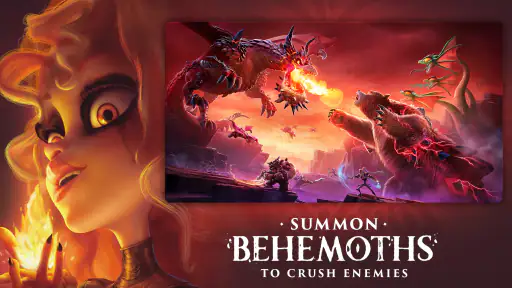
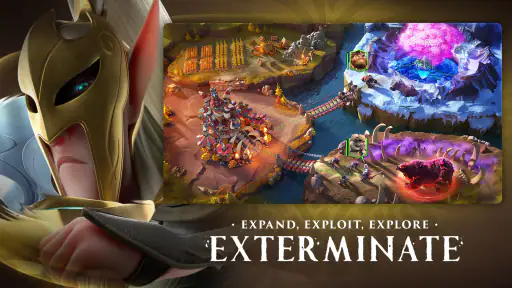
First off, the moment you launch Call of Dragons, you’re greeted with stunning graphics that immediately pull you into a mystical realm. It’s almost like stepping into a world where dragons reign supreme, and you, my friend, have a critical role to play. The game sets you up as a commander in a fantasy land filled with dragons, mythical creatures, and rival kingdoms. Your mission? To build your empire and, of course, tame some dragons!
Gameplay Mechanics
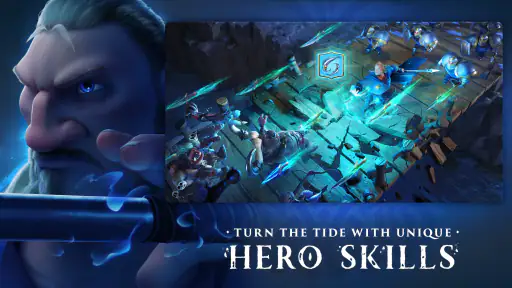
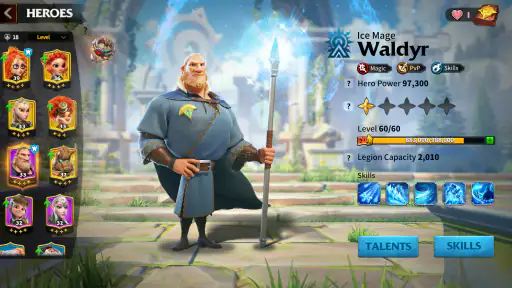
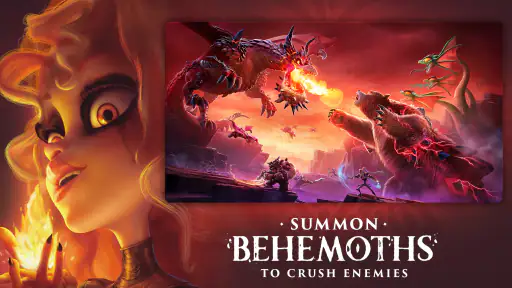
The gameplay in Call of Dragons is delightfully engaging. You start by constructing buildings, gathering resources, and training troops. It’s a classic mix of strategy elements that fans of the genre will appreciate. But what really steals the show are the dragons. Each dragon has unique abilities and characteristics, offering a strategic depth that keeps you on your toes. As you progress, you’ll need to decide which dragons to breed and which to unleash on your enemies. It’s all about making the right choices to ensure your kingdom thrives.
More From Our News Desk

Clash of Clans Is Won Between the Battles

Android Auto Makes the Case for Quieter Car Software

MobiOffice: Transforming Mobile Productivity with Seamless Integration

EA SPORTS FC™ Mobile Soccer: Redefining Mobile Sports Gaming

How Microsoft OneDrive Became a Mobile Productivity Giant

How Google Translate Breaks Language Barriers Effortlessly
One practical tip is to avoid treating every available upgrade as equally urgent. Before spending resources, I’d look at what I actually plan to do next: strengthen the part of my army I use, keep settlement growth moving, or prepare for a shared objective. That small pause helps connect building decisions to a plan instead of leaving you with scattered upgrades and no clear priority. Your dragon choices are part of that same trade-off: think about the role you need filled rather than choosing only by appearance.
A second useful habit is to set a stopping point before opening the game. I’d choose one practical task—such as checking settlement progress or reviewing a troop decision—and then decide whether I have time for anything that requires more attention. This prevents a quick check-in from turning into an unplanned stretch of play, and it helps distinguish low-pressure maintenance from moments when other players are relying on coordination. The game is easier to fit into a day when I treat those as different kinds of sessions.
For an everyday example, imagine opening the game during a quiet break, collecting what your settlement has produced, and setting one clear goal before you leave again. You might make progress on a building, train troops, or check whether your alliance has something planned. That kind of short visit can be useful, but it does not replace the attention needed for coordinated play. I wouldn’t start a group activity when I know I’ll have to put the phone down moments later.
That distinction also helps answer whether you need long play sessions. Some parts of the routine can suit a short visit, while battles or shared plans are better approached when you can give them proper attention. I would not assume that every session has to be a major event, but I also would not choose this over a quick-match game if my only available time is a few disconnected minutes and I want a definite finish each time.
Community and Competition
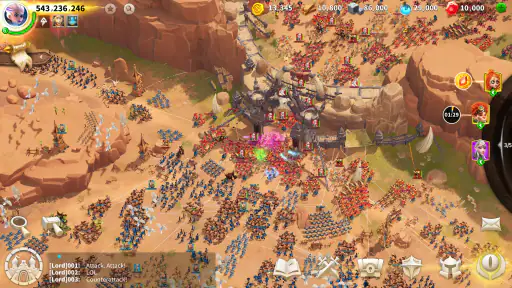
One of my favorite aspects of Call of Dragons is the vibrant community. The game encourages players to join alliances, which adds a social layer that’s both fun and strategic. Teaming up with other players means you can participate in massive battles and events, which are not only thrilling but also rewarding. The competitive aspect is well-balanced, and the developers frequently update the game to keep things fresh and exciting.
Alliance play is also where the game’s demands become clearest. It can make large-scale conflict feel more purposeful, since your choices connect to what other people are doing, but it asks you to care about coordination rather than just your own progress. If you prefer to play entirely at your own pace, or dislike the feeling of having to keep up with a group, that social layer may be a reason to choose a less communal strategy game. Players who enjoy cooperation but have irregular schedules should consider how much attention they want to give before committing to a group routine.
When looking for an alliance, I’d judge fit by communication and expectations, not just by how competitive it sounds. A group that makes its preferred level of participation clear is easier to assess than one that leaves you guessing. If you cannot reliably join shared activity, being honest about that early can prevent frustration on both sides. The social feature is most enjoyable when the group’s pace matches your own rather than turning a hobby into an obligation.
With 10 million or more installs and an average rating of 4.5 from around 168,000 ratings, it clearly has a substantial audience. Those figures can help set expectations for finding a populated game community, but they don’t guarantee that every alliance will match your style. I’d look for a group whose activity level feels comfortable rather than joining the most competitive one by default.
Visuals and Sound
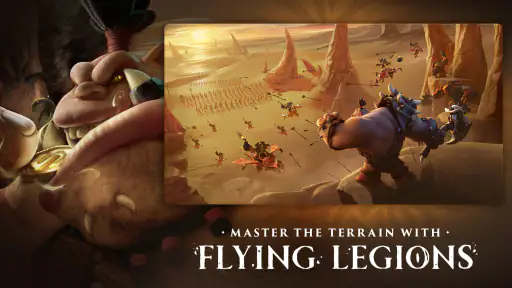
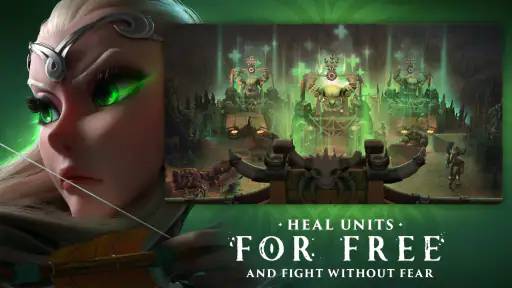
The visuals in Call of Dragons are top-notch. The attention to detail in the dragon designs and the landscapes is impressive. Each dragon is beautifully animated, and the battles are a sight to behold. Accompanying these visuals is a soundtrack that perfectly complements the epic scale of the game. It’s one of those soundtracks that you’ll find yourself humming long after you’ve put the game down.
The presentation helps make the fantasy setting inviting, though it isn’t the main reason I’d recommend the game. If your priority is a strategy experience focused on compact, readable tactical encounters, a simpler-looking alternative may be easier to follow. Here, the appeal is the combination of a detailed world and the ongoing decisions around developing an empire. I’d also consider how much time I want to spend with a persistent game before choosing it over something designed for brief, self-contained sessions.
Presentation can also affect how comfortable a game feels during everyday use. I’d try it in the setting where I expect to play—perhaps on a commute break or at home with sound off—before deciding whether its visual approach suits me. This is not a claim that one style is objectively better: players who prioritize a clean board and instantly legible moves may prefer a more restrained tactics game, while players who enjoy an elaborate fantasy world may value the spectacle here.
What commitment and spending mean
The game is free to start, with in-app purchases ranging from $0.99 to $99.99 per item. I’d go in with a spending limit in mind, especially if collecting or speeding up progress tends to tempt you. You can enjoy deciding whether the core loop suits you before paying, but the existence of purchases is a reason to keep an eye on your own habits rather than treating every offer as necessary. It is rated Teen, so it is aimed at a teen audience rather than being presented as a game for young children.
My practical approach would be to play first and make a note of what is actually slowing me down before considering a purchase. If I cannot name a specific frustration that spending would address, I would leave the offer alone. That keeps the choice deliberate and makes it easier to tell whether I enjoy the strategy itself. The free starting point is useful for judging the basic fit, but it does not make every optional purchase good value for every player.
Another trade-off is how progress feels when you compare yourself with more active players. In a shared strategy world, other people’s pace can make your own decisions seem urgent even when they are not. I’d avoid spending simply to keep up with an alliance or a rival; first I’d check whether the group’s expectations are still comfortable. If the game only feels enjoyable when I’m trying to close a gap, that is a sign to reconsider my routine, not automatically a reason to spend more.
Switching to this kind of strategy game has a cost beyond learning its controls: you’re choosing an ongoing world, its progression, and its player community. If you later find you prefer short rounds, moving to a match-based strategy title may feel like a relief. If what you wanted was a shared fantasy conflict and a kingdom to develop, though, a standalone game may not replace that sense of continuity. I’d give the opening stretch enough time to see whether those routines feel rewarding, without assuming that more time or spending will fix a mismatch.
There is also a difference between changing games and changing expectations. If the management loop is the part you enjoy, switching to another persistent strategy game may preserve that general rhythm but not necessarily the same setting or community. If the part you want to leave behind is the need to check back, choosing a finite campaign or puzzle-based strategy game is a more meaningful change than simply moving to another ongoing world. I find it helpful to identify that distinction before investing more time.
Who I’d recommend it to
The game was released on March 25, 2023, and supports Android 5.1 and later. Those details make it easier to check basic compatibility before downloading, while the larger decision is whether its long-term, social strategy suits your habits. I’d recommend it to players who enjoy fantasy settings, managing development choices, and cooperating or competing as part of a wider player community. I’d skip it if I wanted a story-led adventure with a clear ending, a quick offline pastime, or a strategy game that never asks me to engage with other players.
It also suits players who like having several kinds of decisions to return to, rather than repeating one narrowly defined match. That variety is a strength if I enjoy deciding what deserves attention today; it can be friction if I want the game to tell me exactly what to do next. If you are unsure, I’d focus your first sessions on noticing which activities you voluntarily return to. Enjoying those choices is a better sign of fit than simply liking the opening scenery.
For a household choosing a game together, the Teen rating is worth considering alongside the social nature of the experience. I would not treat a rating as a substitute for a parent’s judgment, but it is a useful starting point for deciding whether the game’s audience and online community are appropriate. Players who want an experience designed specifically for young children should look elsewhere; those considering it for a teen can weigh the fantasy strategy and player interaction against their own expectations.
Its scale is part of the appeal, but it can make the game less suitable for someone who wants every choice to have an immediate, clearly bounded result. A single-player campaign is often the better option when I want to pause for days and return without feeling connected to a wider group’s plans. A short-session tactics game is a better fit when I want to focus entirely on a board, make a few decisions, and be done. I’d choose this one when the continuing world and shared play are what I’m looking for, not merely because I want a strategy label on the screen.
In conclusion, if you’re a fan of strategic games with a fantasy twist, Call of Dragons offers a captivating experience. It’s a game that requires strategic thinking, but it also rewards creativity and cooperation. So, gather your troops, hatch those dragon eggs, and dive into a world where your strategic prowess will be tested at every turn. Trust me, you won’t be disappointed!
Call of Dragons Frequently Asked Questions
Can I play Call of Dragons without spending money?
Yes. Call of Dragons is free to download and play, and its optional in-app purchases do not mean you must pay to take part. The game is built around strategy and progression, so you can focus on developing your settlement, managing resources, and joining battles through regular play. Purchases range from $0.99 to $99.99 per item, so review prompts carefully if you prefer not to spend.
Does Call of Dragons need an internet connection?
Call of Dragons is presented as an MMO wargame, with shared-world play, alliances, and battles involving other players. Those features are central to its experience, so it is best approached as an online-focused game rather than a purely offline strategy title. Consider whether you are comfortable playing a game built around multiplayer participation before downloading, especially if you mainly want a solo experience.
Is Call of Dragons a good choice for strategy fans?
It may appeal to players who enjoy making longer-term plans instead of focusing only on quick matches. Call of Dragons combines empire-building, resource management, alliances, and real-time battles in a fantasy setting. Its shared world also gives strategic decisions a social side, since cooperating with other players can matter alongside developing your own position. The mix is worth considering if you like both planning and competition.
Who developed Call of Dragons, and what kind of game is it?
Call of Dragons is a strategy game developed by FARLIGHT. It is presented as an MMO wargame from the team behind Rise of Kingdoms, combining a fantasy setting with empire-building and battles. If you enjoy planning, managing an expanding settlement, and taking part in a shared game world, its focus may appeal to you.
What is Call of Dragons?
Call of Dragons is an epic fantasy strategy game available on Android and iOS platforms. Players are immersed in a world filled with mythical creatures and dragons, where they can build empires, form alliances, and battle against other players or AI-controlled enemies. The game offers a unique blend of strategy, resource management, and real-time battles, making it a must-try for strategy enthusiasts.
Pros
- Stunning graphics with immersive detail.
- Strategic gameplay with diverse tactics.
- Frequent updates and new content.
- Active community and social features.
- Engaging storyline with rich lore.
Cons
- Requires high-performance device.
- In-app purchases can be costly.
- Steep learning curve for beginners.
- Occasional server downtime issues.
- Battery drain on long play sessions.

- Category
- Strategy
- Version
- Varies with device