Blocky Molten Hole
- 0.00
- 0.0
- Installs
- 10.00K
- Price
- Free

Screenshots






Analysis by Reviewed
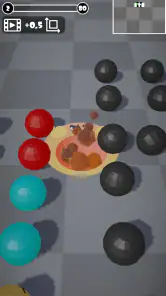
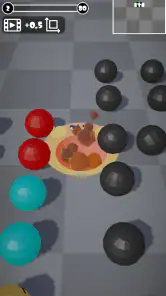
I went into Blocky Molten Hole expecting a simple arcade distraction, and that is exactly where it makes the most sense. You guide a molten hole around a blocky play area, absorb objects, collect cash, and work toward clearing each stage. The idea is easy to understand almost immediately, but the timing and positioning give the short sessions enough tension to keep me trying again.
This is a free game from TRAN V LONG, listed for Everyone and available for devices running Android 6.0 or later. It belongs to the arcade category rather than aiming for a deep story or a complicated progression system. The current release is version 1.0, and the game has passed the ten-thousand-install mark. Those details matter because they set the right expectation: this feels like a straightforward casual game to open when I have a few spare minutes, not a large-scale adventure designed to occupy an entire evening.
Getting started without unnecessary friction
The first useful check is compatibility. Android 6.0 is an older minimum requirement, so the game should be approachable for many devices that are no longer running the newest software. Even so, I would install it through the normal app store route and leave enough free space for the installation and routine system activity. A game can fail to open or behave strangely when a phone is nearly full, and that problem is often blamed on the game before basic storage is checked.
Because the listed version is 1.0, I would also avoid assuming that every phone will behave identically. Early releases can feel perfectly usable on one device and less comfortable on another because of screen size, touch response, or background activity. If the game opens but controls feel delayed, closing other demanding apps before playing is a sensible first step. Restarting the phone is also worthwhile when touch input is generally sluggish outside the game.
The game is free to download, which makes trying it low-risk. It does include optional in-app purchases priced from thirty cents to four dollars and ninety-nine cents per item. I would treat those as a separate decision rather than part of the basic setup. If a child is using the phone, checking the device’s purchase controls before handing it over is a practical precaution, especially because the content rating is Everyone and the colorful arcade presentation may appeal to younger players.
Once inside, the central action is clear: steer the hole beneath or toward objects so they disappear into it. The important adjustment is not to move randomly. I found it more useful to read the arrangement of objects first, then choose a route that keeps the hole moving through several nearby targets. That approach reduces wasted movement and makes the cash reward feel connected to deliberate play rather than luck.
Why the opening minutes can feel harder than expected
The concept sounds almost automatic, but the hole’s position changes what can be collected next. A player who chases the nearest object without considering the next turn can end up crossing the same area repeatedly. That is the first place where users may get stuck: the controls are simple, yet efficient movement requires a little planning.
My practical advice is to slow down at the beginning of a level. Look for groups of objects and start with a route that leaves several targets within easy reach. It is tempting to rush toward a single item because it is visible, but a short pause can prevent a longer recovery later. In a game built around swallowing objects and clearing stages, route choice is more valuable than frantic movement.
Another common source of confusion is expecting every object to behave in the same way. The basic goal is consistent, but the visual layout can make some targets easier to approach than others. When a level seems to stall, I would first scan the whole area instead of repeatedly circling the same spot. The missing target may simply be positioned away from the path that looked most obvious at first.
This is also where the game differs from a purely reflex-based arcade title. I do not need complicated combinations or a long tutorial to begin, but I do need to balance speed with awareness. That small planning layer is one of the more enjoyable parts of the experience, particularly for players who like compact challenges that reward a cleaner second attempt.
A recovery routine when progress feels blocked
If a level does not seem to clear, I would use a simple recovery routine rather than immediately reinstalling the game. First, check whether the hole has actually reached every required object. A stage that appears finished may still contain a target at the edge or in a less noticeable part of the layout. Second, move away from the current cluster and inspect the remaining space. Third, try a slower route that approaches the object from a different direction.
This method is useful because the game’s main interaction is spatial. Repeating the same movement pattern will usually produce the same result. Changing the route, not merely moving faster, is the more meaningful experiment. I would also avoid tapping aggressively if the controls respond to continuous movement; calm, deliberate input makes it easier to tell whether the issue is the route or the device.
If the game stops responding, the safest general troubleshooting steps are modest: leave the level, close the app, reopen it, and make sure the phone is not overloaded with other active applications. If the problem continues, restarting the device can clear a temporary system issue. I would not jump straight to clearing app data, because that can remove local progress or settings. Reinstalling should be a last resort, especially when the problem occurs only once.
When purchases are involved, I would keep the troubleshooting separate from gameplay frustration. A failed purchase, delayed confirmation, or unexpected store prompt is not something to fix by repeatedly pressing the purchase button. Check the device’s purchase history and account status first, then contact the relevant store support if needed. The game’s low entry price is appealing, but optional spending should remain controlled and intentional.
Separating game problems from phone problems
Not every freeze, touch issue, or loading delay originates in Blocky Molten Hole. If other games and apps are also slow, the phone may be short on memory, busy with background updates, or affected by heat. Playing while the device is charging can sometimes make an already warm phone less comfortable to use. In that situation, cooling the device and closing unnecessary apps is more sensible than assuming the game itself is broken.
Touchscreen problems are particularly easy to misread. A dirty screen, a thick protector, or a case that presses against the display edge can make movement feel inaccurate. I would test basic touch response in another app before deciding that the hole controls are faulty. If the rest of the screen responds normally and only this game feels difficult, then the issue may be the game’s control style or the player’s adjustment to it rather than a damaged phone.
Connection conditions can also confuse diagnosis. If the game is being opened or updated while the network is unstable, a user may see a delayed start and blame the level itself. Trying again on a reliable connection is a reasonable general check, but I would avoid inventing a complicated network workflow for a compact arcade title. The simplest explanation should be tested first.
Storage is another overlooked factor. A phone with almost no free space may struggle with updates, temporary files, or normal app operation. Checking storage before deleting and reinstalling the game protects the player from unnecessary progress loss. In my view, this kind of basic maintenance is more useful than chasing advanced fixes that are not justified by a single bad session.
How to make short sessions feel more rewarding
The best way to use this game is in focused bursts. A short wait, a commute break, or a few minutes before bed suits the arcade structure well. I would play one level with the goal of understanding its layout, then replay it with a cleaner route in mind. That turns a failed attempt into useful information instead of making every restart feel like wasted time.
For younger players, the Everyone rating makes the premise approachable, but I would still explain the optional purchase system before letting them play independently. The game’s core loop is easy to demonstrate: move the hole, collect the visible objects, and aim to finish the stage. The adult’s role is mainly to manage spending controls and decide whether the simple repetition remains enjoyable.
For adults, the strongest use case is mental decompression rather than long-term competition. The game gives me a small objective and immediate visual feedback without demanding a large time commitment. However, someone looking for a deep arcade campaign, complex character development, or a substantial multiplayer experience should choose a different type of game. This one is intentionally narrower.
Compared with endless runners, it places less emphasis on surviving an uninterrupted stream of hazards. Compared with match-style puzzle games, it is more about movement through space than arranging pieces. Compared with idle games, it asks for active control instead of waiting for resources to accumulate. Those differences make it a better fit for someone who wants a direct, hands-on task, but a weaker choice for anyone who prefers passive progression or elaborate strategy.
What the cash loop changes in practice
Collecting cash gives the basic movement a clearer sense of purpose. Without that reward, swallowing objects could feel like a visual gimmick; with it, each stage has a simple reason to be completed efficiently. I found the cash objective most useful as a personal measure of progress rather than something to obsess over. The satisfying part is finding a route that gathers what is available without unnecessary wandering.
At the same time, I would not assume that earning cash automatically makes every level equally engaging. The core loop remains repetitive by design. Players who enjoy mastering small variations will probably appreciate that consistency, while players who need constant new mechanics may tire of it sooner. This is an important trade-off: the simplicity makes the game accessible, but it also limits how much variety I expect from a short arcade session.
The optional purchases are another reason to keep expectations grounded. Since the game is free to start and items can cost up to four dollars and ninety-nine cents, I would play the normal loop first and decide later whether spending adds meaningful convenience. There is no reason to purchase immediately just to test whether the game is enjoyable. The free entry point already gives enough room to judge the controls, pacing, and repetition.
One useful habit is to separate performance goals from spending goals. Try to improve movement and level completion through route planning before considering an item. That keeps the game’s main skill intact and makes it easier to tell whether a purchase is genuinely useful or simply prompted by impatience after a difficult attempt.
Who should try it, and who should skip it
I would recommend this arcade game to someone who likes clear objectives, compact levels, and movement-based challenges with a playful blocky presentation. It is especially suitable for players who enjoy replaying a stage to find a more efficient path. The controls are approachable enough for casual users, while the positioning gives experienced players a small amount of room to improve their technique.
I would be more cautious about recommending it to someone who wants a large amount of content, a story, or a highly varied progression system. The premise is focused on guiding the molten hole, collecting objects, earning cash, and clearing stages. That focus is its identity, but it is also its limitation. If those actions do not sound appealing after the first few minutes, extra play is unlikely to change your mind.
I would also skip it if your main reason for downloading a game is competitive online play or a rich social layer. Nothing about the compact arcade premise suggests that it is designed to replace those experiences. A puzzle game may be better for thoughtful, turn-based planning, while an endless runner may suit someone who wants constant speed and reflex pressure. The right alternative depends on whether you want planning, momentum, or direct spatial control.
My practical verdict after using it
Blocky Molten Hole works best when treated as a small, free arcade game rather than a major gaming commitment. I like the way the hole turns a familiar collection objective into a simple movement puzzle: the controls are accessible, but careless routes can make a level feel longer than necessary. The cash reward gives each stage a little more direction, and the short-session format makes it easy to fit into everyday downtime.
The main friction comes from the same simplicity that makes it approachable. Repetition may arrive quickly for players who need constant novelty, and a difficult attempt can feel confusing if the remaining objects are not immediately visible. The practical answer is to slow down, inspect the layout, and change the route instead of repeating the same movement. Basic phone checks also matter when touch or loading problems appear.
With a free download, an Everyone rating, and support for Android 6.0 and later, it is easy to try on a compatible device. I would keep purchase controls in mind because optional items range from thirty cents to four dollars and ninety-nine cents, but I would not spend before deciding that the core loop holds my attention. For me, the game earns a recommendation as a lightweight time-filler for players who enjoy guiding, collecting, and improving a route one stage at a time.
Pros
- Simple controls make it easy to start playing immediately.
- Short levels are well suited to quick gaming sessions.
- Colorful block-based visuals are clear and easy to follow.
- Progressive challenges help maintain interest over time.
- Offline play allows gaming without a constant internet connection.
Cons
- Gameplay may feel repetitive after extended play sessions.
- Difficulty can increase sharply in some later levels.
- The molten-hole theme may not appeal to every player.
- Limited variety can reduce long-term replay value.
- Ads may interrupt play
- depending on the version and device.

- Category
- Arcade
- Version
- 1.0