Animal Crossing: Pocket Camp C
- 215.00
- 4.3
- Installs
- 100.00K
- Price
- $9.99

Screenshots
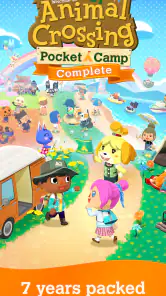
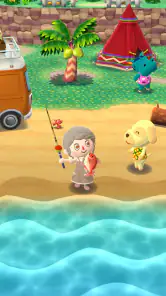
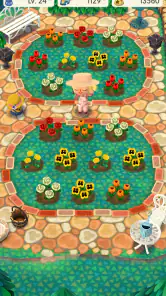
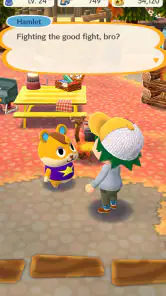
Analysis by Reviewed
I enjoy Animal Crossing: Pocket Camp most as a gentle, creative break rather than a game to race through. It turns campsite decorating, animal friendships, and small daily activities into a low-pressure routine. That relaxed pace is a real strength, though it also means players looking for demanding challenges or fast progress may lose interest.
A cozy game built around small decisions
The appeal here is less about reaching a dramatic finish and more about shaping a place that feels like yours. I like that a session can be as modest as checking on a few visitors or as involved as rethinking the look of the campsite. That flexibility makes it easier to fit into ordinary life than a simulation that expects long, concentrated play sessions.
It also changes what “progress” means. I don’t measure a good session only by how much I unlocked; sometimes I’m happier with a layout that finally feels balanced or an outfit that suits the scene. If you need clear milestones and constant rewards to stay interested, this slower, more personal kind of progress may feel thin. For players who enjoy tinkering, though, the process itself is the point.
The title is a simulation game from Nintendo Co., Ltd., with an Everyone age rating. It costs $9.99, so I’d treat the purchase as a decision about whether this particular pace and style suit you, not as a promise of instant access to every goal. Before buying, I’d also check how the purchase is presented on the platform you use and whether its terms match what you expect.
What a short session can look like
On a busy day, I’d open the game during a break, see which animal requests interest me, and choose a couple rather than trying to clear everything. If I have a little more time, I might collect items for a specific furniture idea. Keeping one small goal in mind—such as gathering materials for a piece that fits a chosen color scheme—makes the routine feel purposeful without turning it into a grind.
There’s a useful trade-off in that approach: focusing on one design is satisfying, but it can mean passing over other tempting items or activities for a while. I’d rather do that than craft without a plan and end up with a campsite full of pieces that don’t work together. The game rewards patience and taste more than speed, at least for the kind of play I enjoy.
If I’m choosing between this and a more management-heavy mobile simulation, I’d pick Pocket Camp when I want something soft-edged and character-focused. A deeper town or business simulator may offer more complicated systems and stronger strategic decisions. This game is a better fit when I want to collect, decorate, and spend time with its animal cast without treating each session like a test of efficiency.
More From Our News Desk

Weather by Xiaomi Review: Clear at a Glance, Less Clear Up Close

X Under Pressure: Can It Recover When Posting Goes Wrong?

Clash of Clans Is Won Between the Battles

Android Auto Makes the Case for Quieter Car Software

MobiOffice: Transforming Mobile Productivity with Seamless Integration

EA SPORTS FC™ Mobile Soccer: Redefining Mobile Sports Gaming
Setting Up Camp
As soon as I fired up the app, I was greeted by the charming Isabelle, who guided me through the initial setup of my very own campsite. The game immediately gives off a warm and welcoming vibe, reminiscent of those lazy Sunday afternoons back in the day. You start with a modest campsite, and it’s up to you to transform it into a bustling haven for your animal friends.
The Joy of Customization
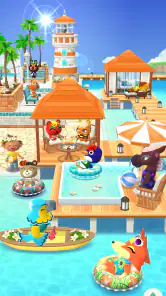
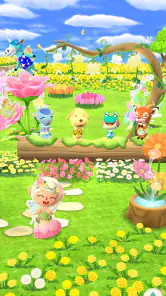
One of the standout features of Animal Crossing: Pocket Camp is its extensive customization options. From choosing the layout of your campsite to decorating it with countless items, the possibilities are endless. I found myself spending hours just tweaking and perfecting every little detail. It’s like having your own pocket-sized canvas where you can let your imagination run wild.
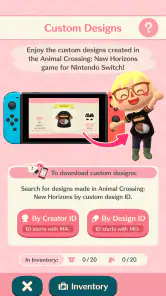
The game offers a variety of furniture and decorations that you can craft using materials collected during your adventures. Whether you’re into rustic charm or modern chic, there’s something for everyone. And let’s not forget the adorable outfits you can dress your character in! It’s all about expressing your unique style in this virtual wonderland.
For me, the best way to approach decorating is to pick a loose theme before spending materials. A color palette or one favorite piece gives the campsite a more deliberate look, and it stops crafting from becoming a scattershot collection of items. I also find it useful to make one change at a time, then step back and see how the whole space feels. That small pause can be more satisfying than constantly replacing everything.
Making Friends and Building Community
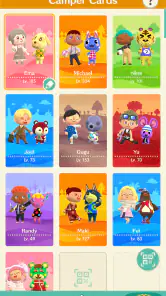
What truly sets this game apart is its emphasis on social interaction. You’ll meet a cast of quirky animal characters, each with their own personalities and interests. By fulfilling their requests and building friendships, you’ll unlock new items and opportunities to expand your campsite. I found myself eagerly chatting with my animal pals, eager to see what new adventures awaited.
Plus, the game encourages you to connect with real-life friends by visiting their campsites and exchanging items. It’s a delightful way to share your creations and gather inspiration from others. It’s like having a little community right in your pocket!
That social side works best as optional inspiration, not as a requirement for enjoying the game. I’d visit a friend’s campsite when I wanted ideas for arranging furniture, then return to my own space and adapt what I liked. If you prefer playing privately, the animal interactions and decorating still provide a clear focus; if you want a competitive social game, though, this is much quieter than titles built around ranked matches or constant player-versus-player activity.
The Daily Grind
Like any mobile game, Animal Crossing: Pocket Camp does have its daily tasks and events to keep you engaged. From fishing and bug catching to participating in seasonal events, there’s always something to do. It’s a great way to unwind after a long day, and I found myself looking forward to logging in and seeing what surprises awaited.
A realistic way to fit it into a busy day is to check in during a short break, handle a few animal requests, and leave longer decorating decisions for a calmer moment. Fishing or catching bugs gives a quick activity when I don’t have time to plan a full campsite makeover. I would avoid treating every task as an obligation, however: if keeping up starts to feel like work, skipping a session is better than turning a cozy game into another checklist.
Compared with other simulation games, this one puts its emphasis on collecting, friendly character encounters, and arranging a personal space rather than managing a complex town or mastering intricate systems. That makes it approachable when I want something soothing on a phone, but less suitable if I’m hoping for deep resource strategy, a demanding campaign, or a strong sense of mechanical challenge. Its appeal is in the small choices and the mood they create.
However, it’s worth noting that the game does have in-app purchases, which can be tempting when you’re eager to speed up progress. But, with patience, you can enjoy all the game has to offer without spending a dime.
The game is a simulation title from Nintendo Co., Ltd., and it suits players who enjoy the series’ welcoming tone as well as newcomers who simply want a customizable campsite. It is rated for Everyone, and the current version is 7.1.1, with Android 6.0 as the minimum operating system. The listed price is $9.99, so I’d check the purchase details shown for your platform before deciding; don’t assume that a paid version removes every wait or makes the game a better fit if you dislike gradual progress. Its 4.3 average from around 1.3 thousand ratings and more than 100 thousand installs suggest a sizeable audience, though numbers alone can’t tell you whether its gentle rhythm will suit you.
For a practical decision, ask yourself whether you enjoy returning to a project in small steps. If dressing a character, collecting materials, and adjusting a campsite sounds relaxing, this has a clear niche. If you want a game that can be completed in a focused weekend or one where every session delivers a major breakthrough, I’d look elsewhere. The same goes for players who don’t enjoy routine requests or who feel pressured by limited-time activities: the calmer experience depends on playing at your own pace rather than chasing every opportunity.
Who will get the most from it
I’d recommend it to someone who likes building a cozy visual space but doesn’t need every choice to have a strategic consequence. It is especially suited to players who enjoy revisiting a design, changing a few details, and seeing familiar animal characters respond to their efforts. A longtime fan may appreciate the recognizable warmth, while a newcomer can enjoy the campsite idea without needing a complicated simulation background.
I’d be more cautious if you’re looking for a substantial story, demanding goals, or a game that feels rewarding after only a handful of sessions. The routine can become repetitive when requests and collecting start to feel like chores, and a decorating-focused player may sometimes want a particular item before they have gathered enough materials. If that kind of gradual accumulation frustrates you, a premium building game with more immediate creative tools could be a better match.
For parents considering it for a younger player, the Everyone rating makes the intended broad audience clear, but I would still look at the purchase flow together. The presence of in-app purchases matters even in a gentle game: agreeing on whether spending is allowed can prevent a child from treating a shortcut as a necessary part of play. The cozy presentation doesn’t remove the need for sensible household rules around purchases.
Making the routine work for you
One practical habit is to decide what kind of session you have time for before opening the game. A quick visit can be for a few requests or a bit of collecting; a longer one can be for rearranging the campsite. Separating those purposes helps me avoid drifting between menus and activities without enjoying any of them. It also gives me a natural stopping point instead of encouraging me to keep checking for one more thing.
When I’m gathering materials, I find it helpful to connect the task to a design goal rather than collect everything indiscriminately. That makes the eventual crafting choice feel more meaningful and helps me avoid spending resources on items that don’t fit my current plan. The trade-off is that a strict theme can make me pass up something charming, so I’d keep the plan loose: use it as a guide, not a rule.
Events can add a reason to return, but I wouldn’t let them dictate the whole experience. If a limited-time activity lines up with what I already enjoy, it can give a session some direction. If it doesn’t, I’d focus on the campsite and animal interactions instead. The game is at its best for me when I treat events as optional variety rather than a deadline I have to meet.
Version 7.1.1 is the current version, and Android 6.0 is the minimum operating system. The game was released on Nov 8, 2024, and has an average rating of 4.3 from around 1.3 thousand ratings, alongside more than 100 thousand installs and 215 reviews. Those figures suggest that plenty of players have tried it, but the useful question is still whether you enjoy its particular mix of routine, collecting, and decoration.
That is also why I wouldn’t compare it too closely with a competitive multiplayer game or a serious city-management sim. The social visits here are better treated as a way to see other people’s arrangements and share a little inspiration, not as a substitute for rivalry or teamwork built around difficult goals. If you want an active community challenge, another genre will likely serve you better; if you want a calm place to borrow ideas and return to your own project, this approach feels appropriate.
In conclusion, Animal Crossing: Pocket Camp offers a delightful escape into a world where you can be creative, make friends, and enjoy the simple pleasures of life. Whether you’re a long-time fan of the series or a newcomer, there’s something incredibly charming about this pocket-sized adventure. So, pack your bags, set up camp, and let the good times roll!
Animal Crossing: Pocket Camp C Frequently Asked Questions
Does Animal Crossing: Pocket Camp C cost money to download?
Animal Crossing: Pocket Camp C costs $9.99. It is a simulation game from Nintendo, so check that the price and your device’s available storage suit you before downloading. The game is rated Everyone, making it appropriate for a broad audience. Its relaxed campsite theme may appeal to players who enjoy collecting, decorating, and spending time with friendly animal characters.
What is Animal Crossing: Pocket Camp C?
Animal Crossing: Pocket Camp C is a mobile simulation game developed by Nintendo, where players can create and manage their own campsite. You interact with anthropomorphic animal characters, complete various tasks, and collect items and furniture to decorate your campsite. The game offers a relaxing experience with its charming graphics and soothing music.
How does the multiplayer feature work in Animal Crossing: Pocket Camp C?
In Animal Crossing: Pocket Camp C, the multiplayer feature allows you to visit the campsites of your friends or other players around the world. You can help each other by sharing items and participating in events together. Multiplayer interaction adds a social element to the game, enhancing gameplay by allowing you to experience others' creative campsite setups.
Is Animal Crossing: Pocket Camp C free to play?
Animal Crossing: Pocket Camp C is free to download and play, but it includes in-app purchases. Players can buy Leaf Tickets, which can be used to speed up tasks, purchase exclusive items, or gain access to limited-time events. While the game can be enjoyed without spending money, these purchases can enhance your gaming experience.
What types of events and activities can I expect in Animal Crossing: Pocket Camp C?
Animal Crossing: Pocket Camp C offers a wide variety of seasonal events and daily activities. Players can participate in fishing tournaments, garden events, and scavenger hunts to earn exclusive rewards. Regular updates introduce new themes and items, keeping the gameplay fresh and engaging. These events provide players with incentives to continually return to the game.
Pros
- Engaging and relaxing gameplay.
- Wide variety of animals and items.
- Frequent seasonal events.
- Customizable campsites and cabins.
- Social features with friend interactions.
Cons
- Requires internet connection.
- In-app purchases can be pricey.
- Limited offline gameplay.
- Event items can be time-consuming to earn.
- Some features require real money.
- Category
- Simulation
- Version
- 7.1.1








