Age of Spirits
- 322.00
- 4.5
- Installs
- 100.00K
- Price
- Free

Screenshots
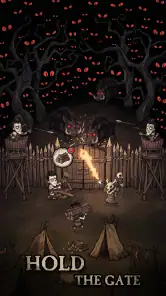

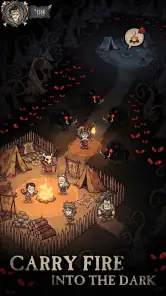
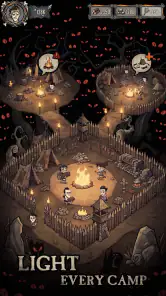
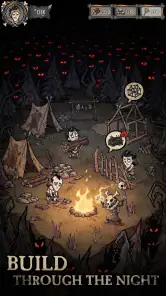

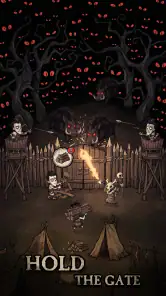

Analysis by Reviewed
When I judge a strategy game, I look beyond whether its theme sounds appealing. I want to know whether I can understand what is happening, make decisions without wrestling the controls, and return to a session in a way that fits my day. Age of Spirits sets a dark-fantasy tone and casts the player as a leader facing a threat, but that premise alone does not tell me whether it will suit different players or situations. Its strongest case is for someone who wants a strategy game to think about; its less certain fit is for anyone who needs detailed accessibility options or a clearly explained learning path.
Reading the game and finding your way
A clear premise, with more to learn in play
The basic idea is easy to grasp: you are guiding a tribe through danger. That gives the action a useful frame, even if it leaves the finer strategic choices to the game itself. I would approach the opening as a chance to learn its vocabulary rather than assume that the theme explains every decision. In strategy games, a small icon or unfamiliar term can affect a whole plan, so taking a moment to inspect prompts and tooltips is often more valuable than rushing ahead.
The game is listed in the strategy category, and that matters to expectations. I would not pick it simply for a quick burst of visual spectacle; the appeal is in considering choices and seeing how they fit the larger objective. If you enjoy pausing to work out priorities, that framing may feel inviting. If you prefer a game that explains every system before asking you to act, the learning curve may feel less comfortable until you have spent time with it.
Navigation is part of accessibility, not just convenience. In a strategy game, the route from a goal to the relevant information should be easy to follow, especially when several choices compete for attention. I would recommend playing the first sessions somewhere calm, where you can read the screen at your own pace. That makes it easier to notice which controls or labels deserve a closer look and whether the interface feels natural to you.
Useful habits for keeping decisions legible
A practical approach is to make one decision at a time: identify the immediate problem, check the available choices, then commit. This is a small workflow, but it helps avoid the common strategy-game trap of tapping through prompts and later wondering which choice changed the situation. If the game presents information in several places, pausing between actions also gives you a chance to reconnect cause and effect instead of relying on memory.
I would also avoid judging the interface during a rushed first session. New strategy games often ask players to absorb unfamiliar symbols and rules at once. A second, slower visit can reveal whether the layout is genuinely hard to read or simply new. That distinction is important for players who use a smaller phone display or find dense screens tiring: a confusing first impression may improve with familiarity, but persistent difficulty locating key information is a real limitation rather than a personal failing.
Comfort across abilities and everyday contexts
Motor effort and the pace of play
Strategy can be a good fit for people who prefer deliberate decisions over constant reflexes, but that does not automatically make every strategy game comfortable to control. Tapping, dragging, or repeating small actions can still be demanding. I would pay attention to how much precision the game expects and whether a mistake is easy to correct. Those details matter to players with limited dexterity, hand fatigue, tremors, or anyone playing one-handed while commuting.
One useful test is to try a short session with the way you normally hold your phone, rather than adapting your grip to the game. If you have to stretch repeatedly, hold the device awkwardly, or make several precise inputs for routine choices, that friction will add up over longer play. A strategy game can be mentally absorbing and still become physically tiring. I would treat comfort as something to evaluate early, before investing time in a longer run.
Sensory comfort deserves the same attention. Dark fantasy can be visually intense by design, and a player’s tolerance for contrast, motion, sound, or busy effects varies. I would try the game at a comfortable brightness and volume, then adjust the phone’s system-level display and sound settings if needed. Those adjustments can help with general comfort, but they cannot substitute for in-game controls when a player needs a specific display mode, reduced motion, captions, or independent audio settings.
When a session fits real life
Imagine opening the game during a quiet break between errands. A strategy session can be appealing in that moment because it gives you a focused problem to think through rather than demanding the sort of rapid reaction associated with action games. My advice would be to begin only when you have enough attention to follow the current objective. If you are interrupted, take a moment to reorient yourself when you return instead of making a consequential choice from memory.
That same consideration affects play in noisy or shared spaces. If important information is conveyed through sound, a player without headphones may miss it; if the screen is hard to read outdoors, brightness and glare become more relevant than the game’s theme. I would not assume that a phone game is automatically convenient everywhere. A quiet room, a stable grip, and a few uninterrupted minutes can make a more meaningful difference than simply having the game installed.
Age of Spirits is rated for teens, which is useful context for households deciding whether it is suitable. That rating does not replace a parent’s judgment about a particular player, especially when someone is sensitive to darker themes. The game is free to download, while optional in-app purchases range from $0.99 to $99.99 per item. For families, I would check the device’s purchase controls before handing over a phone; for any player, it is sensible to decide in advance whether spending is part of the experience you want.
What the audience response can and cannot tell you
The game has a 4.5 average rating from around 13,000 ratings, with over 100,000 installs. Those figures suggest that many players have chosen to try it, but popularity does not tell me whether its text, input demands, or pacing will work for your particular needs. Ratings are most useful as a broad sign of interest, not a substitute for checking your own comfort during the opening sessions.
LeyiGames is the developer, and the current version is 1.1.0. The game is free, so trying it does not require an upfront purchase, though the optional purchases mean “free” does not mean every item is included. I would treat spending as separate from whether the core style suits you: first see whether the decisions and presentation hold your attention, then decide whether any optional purchase is worthwhile. The release date is Sep 16, 2026, and the listed minimum operating-system requirement is 7.0.
Where it may fall short, and who should choose it
Accessibility gaps to consider before settling in
The key question for players with access needs is not whether the game is strategy, but whether its actual interface supports the way they play. If you rely on large text, high contrast, screen-reader narration, remappable controls, reduced animation, or fully adjustable sound, check those needs directly during a brief trial. I cannot recommend assuming those options are present. If one is essential and the game does not accommodate it in your experience, a strategy title with explicit controls for that need is the better choice.
There is also a difference between a game being understandable and being easy to learn. A clear goal can help a player get oriented, but unfamiliar rules may still demand sustained attention. If fatigue, memory, or concentration varies from day to day, consider keeping sessions short and stopping after a major decision rather than pushing through when details start to blur. That is not a special trick for this game so much as a practical way to protect the enjoyment of a choice-driven strategy experience.
Compared with a typical fast-paced action game, a strategy title is often a better option for players who want time to consider moves. Compared with a lightweight puzzle game, however, it may ask for more context and longer-term planning. That is the trade-off I would weigh. Choose Age of Spirits if the dark setting and strategic framing interest you, but skip it in favor of a simpler puzzle game if you need very short, self-contained tasks, or a title with specific accessibility settings if those are non-negotiable.
My inclusive verdict
I see Age of Spirits as a potentially appealing choice for players who like thoughtful fantasy strategy and are comfortable learning a game through play. The tribal-leader premise gives its decisions a sense of purpose, and the no-upfront-cost model makes it easier to test whether the style clicks. The strongest practical recommendation I can offer is to try a calm, unhurried first session and notice not only whether the decisions are interesting, but whether reading and controlling the game feel sustainable.
It is not an automatic recommendation for every player. Someone who needs precise accessibility features, struggles with dense or unfamiliar interfaces, or wants a game designed for distracted, very brief play should compare alternatives first. For everyone else, a measured trial is a sensible way to decide. If the screen is comfortable, the controls suit your hands, and the strategic choices keep you curious, this free game may earn a place in your rotation; if any of those basics get in the way, there is no reason to force it.
Age of Spirits Frequently Asked Questions
What is Age of Spirits?
Age of Spirits is a mobile game built around a fantasy setting and spirit-themed characters. Before downloading, check the store listing for the current description, screenshots, and gameplay details, since features and presentation can differ between versions or platforms. The title alone does not confirm whether the game focuses on role-playing, strategy, collection, or another genre, so the official listing is the best way to verify what to expect.
Is Age of Spirits free to download and play?
The download may be free or paid depending on the version and app store, and availability can vary by country. Even when a game is free to install, it may offer optional in-app purchases, such as currency, items, or other content. Review the price, purchase details, and any parental controls shown on the store page before installing, especially if the device is shared with children.
Which devices are compatible with Age of Spirits?
Compatibility depends on the specific Age of Spirits release and the operating system requirements listed by its publisher. Check the app’s Google Play or Apple App Store page for supported Android or iOS versions, device requirements, and regional availability. If your phone or tablet is running an older system, the game may not appear in search results, may not install, or could perform poorly even if installation is allowed.
Does Age of Spirits require an internet connection?
Whether Age of Spirits can be played offline depends on its features and the version you download. Games with online accounts, multiplayer, cloud saves, or frequently updated content generally need an internet connection for at least some functions, while other activities may work offline. Check the store description and in-game notices, and consider testing the game before relying on it during travel or in places with limited connectivity.
Is Age of Spirits suitable for children, and what should parents check?
Suitability depends on the game’s content, advertising, social features, and purchase options, so parents should review the age rating and content information on the relevant app store. Also check whether the game includes chat, online interactions, ads, or in-app purchases, and use device-level parental controls where appropriate. Ratings and features can differ by region or platform, so verify the details for the version you plan to install.
Articles Related to Age of Spirits
Clash of Clans Is Won Between the Battles
Its raids are quick; its community is a long-term project of coordination, teaching, rivalry, and shared responsibility—with all the friction that entails.
Android Auto Makes the Case for Quieter Car Software
The car interface is no longer judged by how much it can do, but by how quietly it helps. Android Auto shows what drivers now expect—and what still gets in the way.
MobiOffice: Transforming Mobile Productivity with Seamless Integration
MobiOffice: Word, Sheets, PDF is redefining mobile productivity with a surprising blend of functionality and innovation.
EA SPORTS FC™ Mobile Soccer: Redefining Mobile Sports Gaming
Dive into EA SPORTS FC™ Mobile Soccer, where immersive gameplay and strategic depth transform mobile sports gaming.
Pros
- Distinctive spirit-themed setting gives familiar match-3 play a fresh look.
- Short levels make it easy to play in quick sessions.
- A variety of objectives helps keep puzzles from feeling repetitive.
- Bright visuals make board pieces easy to distinguish.
- Progression offers a clear reason to return and tackle new stages.
Cons
- Later levels may require repeated attempts as difficulty increases.
- Limited moves can make some puzzles feel dependent on luck.
- Frequent play may lead to waiting for lives to replenish.
- Power-ups can make challenging stages easier
- but may be scarce.
- The match-3 format may feel familiar to players seeking novel gameplay.

- Category
- Strategy
- Version
- 1.1.0