Age of Apes
- 15.63K
- 4.6
- Installs
- 50.00M
- Price
- Free

Screenshots


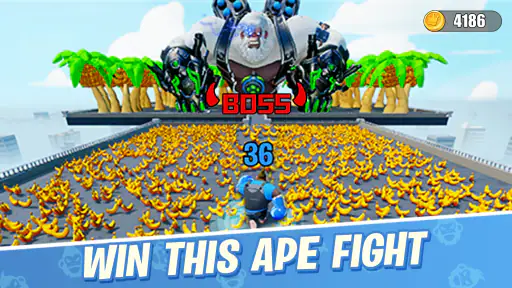
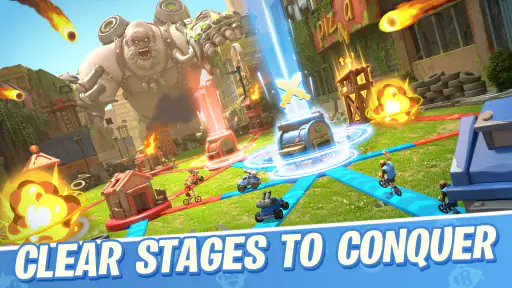
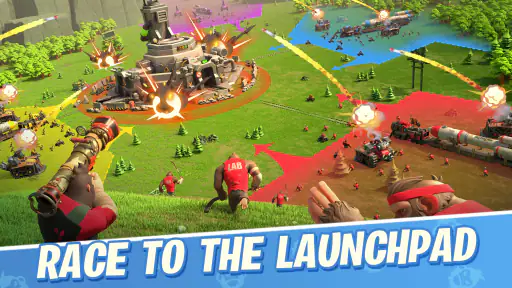
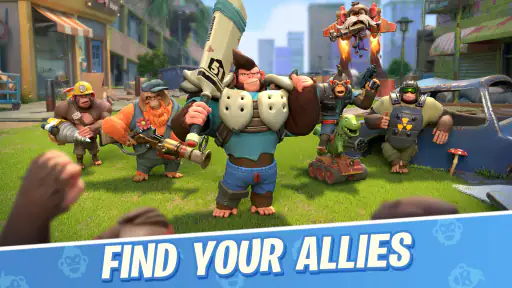
Analysis by Reviewed
I approach Age of Apes as a strategy game for people who enjoy checking in, making plans, and seeing a shared world change around their choices. Its playful monkey theme makes the premise easy to take in, but the appeal is less about a quick gag than about managing a faction, preparing troops, and deciding when to cooperate or compete. If you want a strategy game that feels lighter in tone than its battles, that contrast is a big part of the draw.
How much speed should you expect?
I’d separate the pace of individual actions from the pace of progress. A screen can feel responsive while the larger game still asks you to make decisions over time, and that distinction matters here. Gathering resources, developing your force, and following faction activity make it better suited to short visits spread through the day than to anyone expecting a complete strategy campaign in one sitting. A quick check can help you choose a next task; a longer session gives you more room to consider how that choice supports your faction.
That rhythm also affects who will enjoy it. If you like returning to a game to make progress and keep an eye on other players, its structure has room to engage you. If you only want a self-contained match with a clear finish whenever you open the app, a traditional short-session tactics game may suit you better. I’d treat it as an ongoing commitment in attention, not as a one-off puzzle.
Keeping a session focused
When I have only a few minutes, I’d go in with one question rather than trying to inspect everything: what is the next useful step for my faction? That simple habit makes a brief visit feel purposeful and helps keep the game from becoming a string of unfocused taps. I’d save alliance discussions and battle decisions that need more thought for a quieter moment, when I can consider how they fit with what other players are doing.
This approach also gives you a practical way to judge the time commitment before you settle in. If checking in and making one choice feels satisfying, the repeated rhythm may suit you. If you find yourself wanting to complete a whole arc of play each time you open the game, its ongoing structure may feel slow beside a strategy title built around finished rounds.
The Ape-tastic Gameplay
So, what’s the deal with Age of Apes? You start by choosing a faction of monkeys to join, each vying to be the first to launch a rocket into space. Why space? Well, because the Earth’s gone bananas, and the only way to survive is to find a new home among the stars. The game throws you into this chaotic, yet oddly charming world where you’ll need to gather resources, train your monkey troops, and engage in battles with other factions. It's like the wildest zoo escape you've ever imagined!
The battles are pretty epic, and the strategy involved keeps you on your toes. You need to think like a monkey, which means being both smart and a little bit cheeky. The game’s mechanics are smooth, and the graphics? Oh, they’re stunning! The vibrant colors and quirky animations make the world of Age of Apes feel truly alive.
You May Like

Clash of Clans Is Won Between the Battles

Android Auto Makes the Case for Quieter Car Software

MobiOffice: Transforming Mobile Productivity with Seamless Integration

EA SPORTS FC™ Mobile Soccer: Redefining Mobile Sports Gaming

How Microsoft OneDrive Became a Mobile Productivity Giant

How Google Translate Breaks Language Barriers Effortlessly
How alliances change the experience
One practical point is that joining an alliance can turn a mostly individual routine into a social one. That can be a real advantage if you enjoy coordinating plans and learning from other players, but it also means the experience may depend on how active and welcoming your group is. I’d look for an alliance whose expectations fit your schedule rather than assuming that the most competitive group is automatically the best choice. A group that suits your availability is easier to stick with.
Chat and faction competition also bring a trade-off: social coordination can make strategic choices feel more meaningful, while frequent messages or pressure to keep up can make a casual game feel like an obligation. If you prefer to play quietly, you can still focus on your own decisions, but you may miss some of the shared planning that gives this kind of game its extra dimension. It is a better match for players who find teamwork enjoyable than for those who want every part of a strategy game to be solitary.
Monkey Around with Friends
One of the coolest features is the social aspect. You can team up with other players to form alliances or go head-to-head in some serious monkey mayhem. The global chat is bustling with life, and it’s a great way to strategize or just share a laugh with fellow ape enthusiasts. Plus, the developers are frequently adding new content and events, so the game always feels fresh and exciting.
If you’re the type who loves to compete, the leaderboards are where you’ll want to be. Climb your way to the top and show everyone who the real king of the jungle is. But remember, it's not just about brute strength; strategy and alliances play a huge role in your success.
Choosing an alliance without making it a chore
I’d treat an alliance as part of the game’s play style, not just a shortcut to stronger competition. Before settling into one, notice whether its conversation and expectations feel compatible with how often you want to play. A relaxed group can make it easier to enjoy the social side on your own schedule, while a highly active group may be rewarding only if you genuinely want to coordinate often. The right fit is the one that makes returning feel inviting rather than like catching up on a duty.
There is a useful trade-off here for players who are unsure about multiplayer strategy. You can begin by observing how faction interaction feels before committing your attention to constant coordination. If talking plans through makes the battles more interesting, lean into that social layer. If it distracts from the parts you enjoy, keep your goals modest and consider whether a solo-focused strategy game would be a better match.
Reliability, interruptions, and fair expectations
For a game built around a continuing faction contest, a lost stretch of attention can feel more frustrating than it would in a match-based game. I’d make a habit of checking what you were working toward before switching tasks, so it is easier to resume without having to reconstruct your plan. That is a useful routine whether you play for a few minutes during a break or settle in for a longer look at your troops and priorities.
The game is free to start, while optional in-app purchases range from $0.99 to $99.99 per item. I’d decide what you are comfortable spending before a competitive push, rather than treating a purchase as a requirement for enjoying the core loop. Its Everyone age rating makes it broadly accessible, though younger players may still benefit from a parent setting clear spending expectations. That small bit of planning helps keep the game’s social competition from turning into pressure to buy.
What to do when you return after a break
If real life interrupts a session, I’d resume by looking at the faction goal I last chose and deciding whether it still makes sense, rather than trying to compensate for every moment away. That keeps the game manageable and avoids turning a missed check-in into a reason to spend impulsively. For a player who likes long-term progress, returning with one clear priority is often a more comfortable routine than trying to catch up all at once.
That does not make the game ideal for every kind of interruption. If you want to put your phone away and know that a complete round will still be waiting exactly as you left it, an ongoing competitive world may not offer the same sense of closure as a turn-based puzzle or a campaign with discrete missions. The question is less whether you can play casually and more whether you enjoy a game whose context continues beyond each visit.
Graphics and Sound: A Feast for the Senses
Let’s talk about the eye candy for a moment. The graphics in Age of Apes are top-notch. Each scene is beautifully crafted, from the detailed jungle landscapes to the high-tech rocket launch sites. The animations are smooth, and the attention to detail is impressive. It’s like watching a cartoon come to life on your screen.
The sound design, too, deserves a shout-out. The background music is catchy and suits the game’s quirky theme perfectly. Plus, the sound effects, from the chatter of monkeys to the roar of rockets, add a layer of immersion that pulls you right into the game’s world.
When the game gets busy
Busy moments are where I’d be most deliberate about how I play. Battles, animated scenes, and social activity can all compete for attention, so I’d avoid making a consequential choice while distracted or rushing through a check-in. Taking a moment to read the situation before acting is a better use of a short session than tapping quickly just to feel that something happened.
I can’t assume every phone will feel identical, so I’d use your own experience as the guide. If the game feels less comfortable when scenes are active, shorten the session or wait until you can focus; if it remains easy to follow, there is no need to overthink it. In either case, the visual energy is part of its identity, but players who prefer a quiet, low-distraction interface may find it busier than they want.
Choosing it over other strategy games
Compared with a compact turn-based strategy game, this is a more social, ongoing kind of experience: the draw is not simply solving a board and moving on, but developing a force while other factions and alliances matter. Compared with more serious-looking war strategy games, its comic primate setting is an easier sell if you want conflict without a grim tone. The trade-off is that players who dislike long-term progression or multiplayer coordination may prefer a game with discrete rounds and less dependence on a group.
For an everyday scenario, I can imagine opening it during a lunch break, checking the state of my faction, choosing one useful development task, and leaving the more involved battle planning for a time when I can focus. That approach is more satisfying than tapping around without a goal. It also gives me a clear test: if I enjoy thinking about the next step between sessions, the game is probably a fit; if I forget about it as soon as I close it, a shorter, self-contained strategy game may be a better use of my time.
Device comfort and practical limits
Because the game combines animated scenes, battles, and social activity, I’d pay attention to how comfortable it feels on your own phone rather than assuming every device will behave identically. If play feels sluggish or the screen becomes distracting during a busy moment, try shorter sessions and focus on one decision at a time. I wouldn’t plan an important competitive stretch around a device that already struggles with demanding games. That is a sensible way to judge the experience without mistaking a phone limitation for a flaw in the strategy itself.
There is also a difference between being free to download and being cost-free in practice: purchases can tempt players who want to move faster or compete more intensely. I’d keep the game enjoyable by setting a personal limit and treating purchases as optional, not as a shortcut every time progress feels slow. For someone who wants an entirely offline, no-pressure experience, this connected, competitive style is probably the wrong choice.
What kind of player is likely to stick with it?
I’d recommend it most to someone who enjoys having a faction to identify with and likes the idea that other players shape the atmosphere. It can also suit a player who wants strategy with a playful visual tone, rather than a solemn military presentation. You do not need to turn every visit into a major battle; the more important fit is whether planning, checking progress, and choosing when to engage feel enjoyable in their own right.
I’d be cautious if your gaming time is unpredictable and you dislike social expectations, or if you want a game that works as a complete experience in a single sitting. The same applies if you prefer to avoid optional spending prompts altogether: setting a firm budget helps, but a competitive free-to-play structure may still not be your preferred environment. In those cases, a self-contained tactics game or a campaign-focused strategy title is likely to feel more relaxing.
Final Thoughts: Should You Go Bananas?
So, is Age of Apes worth a swing? Absolutely! Whether you’re a fan of strategy games or just looking for something fun and unique, this game has got it all. It’s engaging, visually stunning, and offers endless hours of entertainment. Plus, it’s free to play, so there’s really no reason not to give it a shot.
In a world overrun by monkey madness, it’s up to you to lead your ape faction to glory. So grab your bananas, rally your troops, and prepare for an adventure that’s truly out of this world!
Who I’d recommend it to
Tap4fun (Hong Kong) Limited made a strategy game with a distinctive, silly setting and a competitive, cooperative core. It has a 4.6 average from around a million ratings and more than 50 million installs, so it has clearly found a large audience. It first appeared on July 28, 2020, and the scale of that audience is useful context, but it does not tell you whether its pace will suit your habits. I’d recommend trying it if you enjoy faction identity, alliance chat, and planning that continues beyond one session.
I’d skip it if your priority is a quick game with no social expectations, or if you want a campaign you can finish without keeping track of other players. For me, the best way to approach it is to start free, learn whether the faction and alliance routine feels fun, and only then decide how much time you want to give it. The key performance verdict is personal rather than numerical: it is most satisfying when your device feels comfortable, your schedule allows occasional check-ins, and you enjoy strategy as an ongoing shared activity.
Age of Apes Frequently Asked Questions
Can Age of Apes be played offline, or does it need an internet connection?
Age of Apes is designed around a shared strategy experience, including alliances and competition with other players. That makes an internet connection important for the multiplayer side of the game and for keeping up with activity in its world. If you are looking for a game to play entirely offline, this may not be the best fit; consider whether you can play while connected before downloading.
Is Age of Apes suitable for someone new to strategy games?
Age of Apes centers on familiar strategy-game activities such as developing a tribe, gathering resources, building structures, and making plans with other players. Newcomers can approach those systems at their own pace, though the combination of settlement development and multiplayer competition may take some getting used to. If you enjoy learning how different decisions shape progress, its strategic style could be appealing.
Can I play Age of Apes casually, or does it require regular attention?
Age of Apes is a strategy game built around developing a tribe, gathering resources, and competing with other players. Those systems can make steady progress feel rewarding, but players who enjoy this style of game may find that planning and checking in regularly helps them keep their settlement moving forward. Consider whether you enjoy ongoing strategy games before downloading.
What is Age of Apes and what is its main objective?
Age of Apes is a strategy game where players lead a tribe of apes in a post-apocalyptic world. The main objective is to guide your tribe to become the most powerful by gathering resources, building structures, and engaging in battles against rival tribes. Players must strategize and make alliances to succeed in this competitive environment. Its playful premise is summed up by the call to select Monkey Warriors and win the banana war.
Is Age of Apes free to play and are there in-app purchases?
Age of Apes is free to download and play, but it does offer in-app purchases. These purchases can enhance gameplay by providing additional resources, speeding up building times, or acquiring special items. While in-app purchases can enhance the experience, they are not necessary to enjoy the game fully. Prices range from $0.99 to $99.99 per item, so it is worth checking purchase settings if you want to manage spending.
Pros
- Engaging storyline keeps players hooked.
- Stunning graphics enhance user experience.
- Multiplayer mode for collaborative play.
- Regular updates with new content.
- User-friendly interface for easy navigation.
Cons
- In-app purchases can be expensive.
- Requires constant internet connection.
- High battery consumption during gameplay.
- Can be repetitive after extended play.
- Limited character customization options.

- Category
- Strategy
- Version
- Varies with device