War and Peace: Civil War
- 18.99K
- 4.3
- Installs
- 5.00M
- Price
- Free

Screenshots
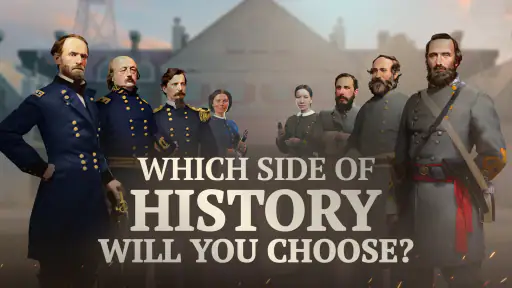
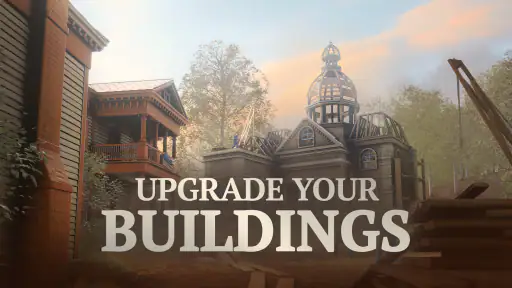
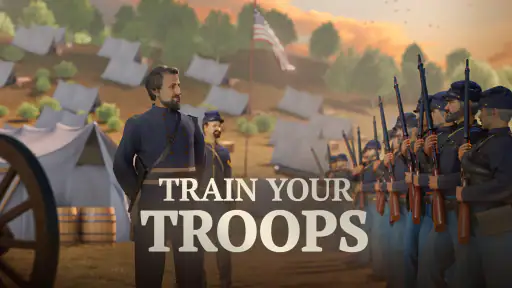
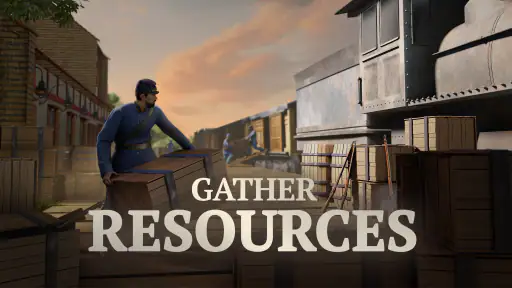

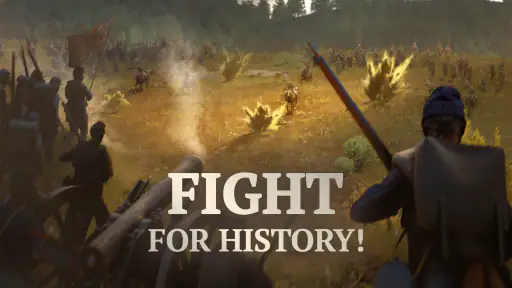

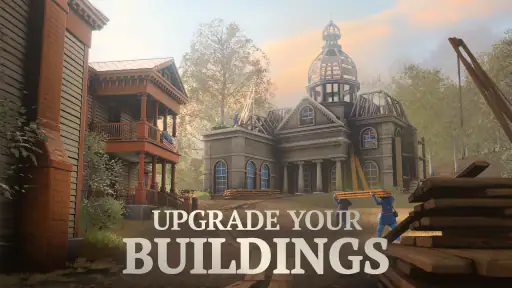
Analysis by Reviewed
War and Peace: Civil War is a strategy game built around the idea that a divided country must be held together through preparation, troop training, and decisions made before the battlefield becomes unavoidable. I found it more thoughtful than its short store description suggests. It is not simply a game about tapping an attack button; the appeal comes from watching a military plan take shape and deciding how much patience, attention, and risk I am willing to invest.
Developed by Erepublik Labs, the game is free to start and carries an Everyone 10+ content rating. It has attracted a substantial audience, with more than five million installs, a 4.3 average from roughly 131 thousand ratings, and about 19 thousand written reviews. Those figures do not guarantee that every player will enjoy its pace, but they do reflect a strategy title that has remained visible well beyond a brief launch period.
My experience with it is best described as steady rather than explosive. The early hours are about understanding what the game expects from me, while later sessions become more about planning around limited time, army readiness, and the consequences of poor preparation. If you want a strategy game that rewards checking in, making choices, and gradually strengthening a position, this one deserves a look. If you need constant action or a completely relaxed experience with no pressure to return, I would be more cautious.
How the first goals shape the opening
The opening works because it gives me a clear reason to care about every early improvement. Training soldiers is not an isolated task; it supports the larger objective of being ready when conflict arrives. That connection makes the first decisions feel useful instead of decorative. I am not upgrading simply because the interface presents a button. I am building toward the next military demand.
That said, the beginning is not designed like a fast arcade tutorial. The game asks me to absorb its rhythm, and that rhythm can feel slow if I arrive expecting immediate battles. The most useful mindset is to treat the first sessions as preparation. I watch how long progress takes, learn which actions deserve attention first, and avoid spending resources just because they are available.
A practical early habit is to decide what I want the next session to accomplish before closing the game. That might mean improving readiness, finishing a training step, or preparing for a coming confrontation. This small routine prevents aimless play and makes short visits feel worthwhile. It also reveals one of the game’s stronger qualities: the strategy is partly about managing my own attention.
The civil-war setting gives those early goals more weight than a generic army-building theme would. I am not only chasing an abstract score. The framing suggests instability, divided interests, and the need to organize a force under pressure. Even when the mechanics are presented through familiar strategy conventions, that context helps the preparation phase feel connected to the conflict.
Players who enjoy planning will probably settle in quickly. I can imagine a newcomer becoming frustrated if the game does not immediately explain why patience matters. My advice is not to judge the opening by how much action it provides. Judge it by whether each early task helps clarify the route toward a stronger army. In my case, the answer became clearer after I stopped treating every delay as wasted time.
Progress is easiest to feel when I set my own milestones
The game communicates progress through the gradual strengthening of the military position. Training, preparation, and battlefield outcomes all contribute to a sense that the army is moving from vulnerability toward competence. The most satisfying moments are not necessarily the largest victories. They are the moments when a plan that previously felt too demanding becomes manageable because I prepared for it earlier.
I found it useful to divide progress into three personal milestones: surviving the next challenge, improving the army’s ability to respond, and creating enough stability to plan beyond one immediate problem. This approach is more helpful than focusing only on unlocks. A new possibility matters less if I cannot support it with the preparation and resources needed to use it properly.
That is also where the game can test my patience. Progress is not always dramatic. Some sessions feel like maintenance, especially when I am waiting for preparation to mature rather than making a decisive move. However, those quieter sessions are not entirely empty. They give me time to reconsider priorities and avoid entering the next conflict with an underdeveloped force.
One non-obvious strength is that the game makes planning mistakes visible. If I rush into a situation without enough preparation, the result teaches me something about timing. If I hold back too long, I may lose momentum. This creates a useful feedback loop: the game does not need to explain every lesson in a long tutorial because the consequences of my choices gradually reveal the correct pace.
For everyday play, I recommend using a simple “next objective” note outside the game, even if it is only a mental reminder. Before leaving, I choose the single most important thing I want ready on my return. This keeps the progression from becoming a collection of disconnected tasks and is especially effective for people who play in short bursts during a commute, lunch break, or evening break at home.
The challenge curve rewards preparation more than reflexes
War and Peace: Civil War is not primarily testing how quickly I can react. Its challenge comes from whether I have built enough strength and chosen the right moment to commit. That makes the difficulty curve feel more strategic than mechanical. When a situation becomes harder, my first response should be to improve the plan, not simply repeat the same action with more enthusiasm.
The curve is most enjoyable when I can identify the reason behind a setback. A difficult encounter feels fairer when I understand that my army was not ready or that I misjudged the timing. The game is less satisfying when a player cannot tell whether failure came from a poor decision or from a hidden requirement. I occasionally felt that the learning process depended on trial and error, so new players should expect to make a few inefficient choices while they understand the system.
That uncertainty is manageable if I avoid spending everything on one immediate goal. Keeping some flexibility allows me to respond when the next challenge demands a different kind of preparation. In practical terms, I try not to leave my entire position dependent on one upgrade or one rushed military decision. A reserve of options is often more valuable than a slightly faster short-term improvement.
The game also benefits from a measured approach to challenge. I do not need to treat every available objective as something that must be completed immediately. Some goals are better viewed as future targets. Marking them mentally and preparing toward them prevents the common strategy-game mistake of attacking a problem before the supporting structure is ready.
Players looking for a highly competitive, constantly changing challenge may find the pacing too deliberate. Those who enjoy seeing a plan develop over time are more likely to appreciate it. Compared with a real-time action strategy game, this title gives me more room to think and less need for rapid input. Compared with a purely casual builder, it asks more of me because military readiness and timing remain central to the experience.
Where the pacing keeps me returning—and where it pushes too hard
The strongest retention tool is the feeling that a future session can be made better by what I do now. Preparing soldiers, strengthening my position, and learning from a difficult encounter create a natural reason to come back. I often returned not because I needed another burst of entertainment, but because I wanted to see whether a better-prepared attempt would change the result.
That design can also create pressure. A game based on waiting and preparation may make me feel that I should check in at the right moment rather than whenever I happen to have time. For some players, that rhythm is motivating. For others, it can turn leisure into another obligation. I think the difference depends on whether you enjoy scheduled progress or prefer games that give you a complete activity whenever you open them.
The presence of in-app purchases adds another consideration. Individual purchases range from $0.99 to $199.99, so the free entry point does not mean every possible shortcut or convenience is free. I recommend deciding early whether you are comfortable progressing at the natural pace. If you are, the game is easier to enjoy as a long-term strategy exercise. If you are likely to feel pressured whenever progress slows, the purchase structure may become a source of frustration.
My best approach was to treat purchases as optional rather than as part of the normal plan. I focused on learning the game before considering whether spending would improve my experience. This matters because a purchase cannot fix a weak strategy. If I do not understand why an army is failing or why an objective is taking too long, paying to move faster may only hide the underlying problem temporarily.
Another retention pressure comes from the game’s gradual pace itself. Slow progress can be satisfying when I am invested in the campaign, but it can feel repetitive when several visits produce only small visible changes. That is why personal milestones matter. Without them, the game risks becoming a routine of checking and waiting. With them, even a modest improvement has a clear place in the larger plan.
The game is therefore a better fit for players who enjoy ongoing progress than for anyone seeking a self-contained five-minute challenge. It can work well in a daily routine, but I would not recommend opening it when I want a quick, decisive match with a clean ending. The preparation-focused structure is the point, and it will not suit every type of mobile player.
What makes the strategy feel personal
Although the central theme involves armies and civil conflict, my enjoyment came from the decisions between major events. I had to choose whether to push forward, improve my position, or wait until the situation was more favorable. Those choices gave the game a personal texture. Two players can understand the same objective yet approach it differently because one accepts risk while the other prefers a slower, safer buildup.
I also noticed that the game rewards remembering past mistakes. A failed attempt is not automatically wasted if I use it to change the next preparation cycle. I learned to pay attention to what I had underestimated rather than simply trying to accumulate more of everything. That distinction is important: improvement comes from better allocation and timing, not only from making the army larger.
A useful workflow is to review the last setback before beginning a new plan. I ask myself whether I lacked strength, acted too early, or ignored a preparation step. This turns the game into a practical exercise in diagnosis. It is a small habit, but it makes the strategy more engaging and reduces the temptation to repeat the same approach.
The trade-off is that the game may feel less transparent than a board game with every rule visible at once. Mobile strategy titles often reveal their depth gradually, and this one expects me to learn by playing. I appreciated that once I became comfortable with the rhythm, but I can understand why someone wanting immediate clarity might prefer a more openly explained alternative.
Who should play it, and who should choose something else
I would recommend War and Peace: Civil War to players who like military themes, incremental development, and decisions that matter over several sessions. It is especially suitable for someone who enjoys checking a plan, making one or two meaningful adjustments, and returning later to see the result. The free price makes it easy to test that style without committing money at the start.
It is also a reasonable choice for players moving from simple builders toward deeper strategy. The game presents a clear military purpose, so the progression has more direction than an open-ended decoration-focused title. At the same time, it does not demand the constant rapid commands associated with action-heavy battlefield games.
I would skip it if I want a complete match every time I open an app. I would also avoid it if waiting for preparation feels like a design flaw rather than part of the challenge. Players who dislike in-app purchase pressure should approach carefully, even though the game can be started for free. Finally, anyone looking for a historically detailed simulation should understand that this is a mobile strategy experience first, not a substitute for a specialist war simulator.
Compared with the usual alternatives, its strongest middle ground is the balance between military planning and accessible mobile sessions. A fast action strategy game offers more immediate excitement but less time to reflect. A passive builder may be calmer but can make progress feel disconnected from decisions. This game sits between those formats: I am asked to prepare and choose, yet the experience remains manageable in shorter visits.
Device expectations and the current version
The game supports Android 7.1 and later, which makes it available to players using older compatible devices as well as newer phones. The current version is 2026.8.2. I would still suggest keeping enough free storage and using a stable connection for a smoother experience, especially when moving between sessions, although the most important factor is whether the device handles the interface comfortably.
The age rating is Everyone 10+, which fits a strategy game centered on war without making the presentation feel aimed at very young children. Parents should still consider whether military conflict and the game’s purchase options suit the player. The rating is useful context, but it does not replace a parent’s judgment about spending and the amount of time a gradual progression game may encourage.
Because the game is free to start, I think the sensible process is to install it, play through the opening goals, and decide whether its pace feels rewarding before spending anything. The first impression can be misleading if I expect immediate battles, so I would give the preparation loop enough time to show what it is trying to do. If the early planning already feels like a chore, later progression is unlikely to change that reaction completely.
My progression verdict
War and Peace: Civil War succeeds when I treat it as a long-form strategy routine rather than a quick action game. Its early goals establish a clear military direction, its progress signals come from a stronger and better-prepared position, and its difficulty asks me to learn from timing mistakes. The same structure that creates commitment can also create pressure, particularly for players who dislike waiting or feel uncomfortable with a wide range of optional purchases.
I liked the way preparation gave meaning to later decisions. The game encouraged me to think ahead, preserve flexibility, and turn setbacks into information. Its biggest weakness is that the pacing can become thin when I do not have a personal objective in mind. It needs an engaged player who is willing to plan, not someone hoping the game will provide constant excitement automatically.
My final recommendation is positive but specific: try it if you want a free strategy game about building military readiness through repeated, considered decisions. Start slowly, avoid rushing into every challenge, and decide your spending limits before the progression becomes familiar. If that rhythm suits you, the game can provide a satisfying sense of development over time. If you prefer instant matches, transparent rules, or no retention pressure, another strategy title will probably serve you better.
For me, the lasting appeal is not simply sending soldiers into battle. It is the quiet satisfaction of returning with a better plan and seeing preparation finally pay off. That makes this a worthwhile choice for patient mobile strategists, even if its deliberate pace means it will never be the right fit for everyone.
Pros
- Large-scale battles make the Civil War setting feel immersive.
- Multiple commanders offer different strategies and play styles.
- Alliance features encourage cooperation with other players.
- Regular objectives provide reasons to return each day.
- Detailed unit and city visuals improve the overall presentation.
Cons
- Progress can feel slow without frequent resource collection.
- The interface may seem overwhelming for new strategy players.
- Strong alliances can make competition feel uneven for newcomers.
- Long upgrade timers limit how quickly your base develops.
- The game requires a stable connection for most activities.

- Category
- Strategy
- Version
- 2026.8.2