The Falling Ball Game
- 409.00
- 4.7
- Installs
- 500.00K
- Price
- Free

Screenshots


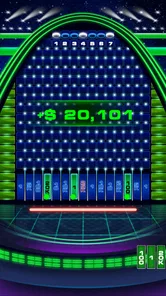
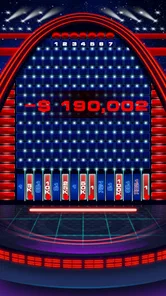
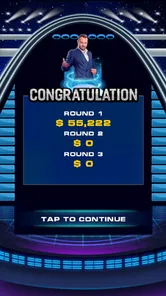

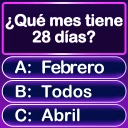
Analysis by Reviewed
I often reach for a simple game when I have a short break and don’t want to learn a complicated set of rules. The Falling Ball Game fits that moment: its falling-ball challenge is easy to understand, but steering through obstacles still asks me to pay attention. I’d treat it as a quick reflex game rather than a deep strategy title, which makes it a better match for spare minutes than for a long, story-driven session.
Finding a useful rhythm between attempts
The best way I’ve found to approach a new run is to make one observation before trying to improve anything: where does the ball have room to pass, and which obstacle forces the route to change? That gives me a simple baseline to compare against on a retry. Rather than treating each attempt as a fresh race for a better result, I can use it to test whether a calmer correction or a different line through a tight spot feels more manageable.
This kind of deliberate retry is especially useful when I’m playing in short bursts. If I have only a minute, I can focus on one section of the route instead of expecting a full session to produce a big improvement. When I have longer, I can pay attention to whether I’m reacting too early or too late. It’s a small habit, but it makes the quick loop feel more intentional without turning a casual game into homework.
What to check before settling into play
I’d take a moment at the start to check how the game feels on my own device and in my usual playing position. A falling ball asks for quick visual attention, so screen glare, a cramped grip, or interruptions can matter more than they would in a turn-based quiz. I prefer to play with the phone steady and the screen easy to see; that gives me a fairer sense of whether a mistake came from my timing or from being distracted.
It’s also worth deciding what you want from the session before you begin. If the aim is to practise a route, don’t let a cosmetic target or score chase pull every decision in a different direction. If collecting coins is the main motivation, accept that a more ambitious line may be less controlled. Separating those goals is a practical way to judge your own progress, especially because the game’s quick action can make a risky choice feel like the obvious one in the moment.
I wouldn’t assume that extra settings or shortcuts are necessary to enjoy it. The appeal is that the central task is straightforward, and I’d first learn the ordinary controls and obstacle patterns before looking for ways to make a run faster. A repeatable starting routine—steady grip, eyes on the next opening, and one clear goal—does more for consistency than trying to change several things at once.
Gameplay That Keeps You Hooked
Once you start The Falling Ball Game, you’re immediately drawn into its vibrant and colorful world. The objective is simple: guide your falling ball through a maze of obstacles, collecting coins along the way to boost your score. But don’t be fooled by its simplicity. As the levels progress, the challenges ramp up, requiring you to think on your feet and react swiftly.
More From Our News Desk

 Instagram
’s Power Comes From Its Place in Your Phone
A close look at how Instagram turns Meta’s reach, recommendation systems and everyday camera habits into durable platform power—and what that costs users.

 Gmail
Gmail in a Busy Inbox: Who Benefits Most?
From first account to crowded workday, Gmail earns its place through dependable search and flexible sorting—but its best fit depends on how much inbox maintenance you can tolerate.

 Prime Video
Switching to Prime Video: What Changes in Your Viewing Routine
Prime Video can make a compelling second home for streaming, but switching means learning a different catalog, rental layer, and route from browsing to playback.

 Universal TV Remote Control
 Works Best as a Reliable Backup
A phone remote earns its place through quick setup and reliable habits. Here is how to get more from Universal TV Remote Control—and where its limits show.

 Weather - By Xiaomi
Weather by Xiaomi Review: Clear at a Glance, Less Clear Up Close
Xiaomi’s weather app makes everyday forecasts quick to scan, but its calm surface can leave useful details and recovery paths harder to find than they should be.

 X
X Under Pressure: Can It Recover When Posting Goes Wrong?
A resilience-focused review of X, examining setup, mistaken posts, interruptions, weak connections, and the gaps that matter when recovery needs to be dependable.
Latest News



A steady first run
I find it helps to begin by watching the ball’s path instead of making a series of hurried corrections. On a first attempt, focus on noticing how the obstacles shape your route and where coins sit in relation to safer openings. That small change in approach makes the game feel less like guesswork and gives each retry a purpose: test one decision, then adjust the next time rather than repeating the same rushed move.
The coin collection also creates a useful choice. A tempting pickup may draw you toward a tighter passage, so I wouldn’t chase every coin automatically. If a clean route is available, keeping control can matter more than taking a risk for a score boost. This is the kind of small judgment that gives a straightforward falling-ball game a little more texture than simply reacting as fast as possible.
Graphics and Sound
Visually, the game is a treat. The graphics are crisp and lively, with a color palette that’s easy on the eyes yet exciting enough to keep you engaged. The sound effects add another layer of immersion, with each bounce and crash resonating perfectly. It’s like the game knows just how to keep you on the edge of your seat.
In everyday use, I’d play a run while waiting for a drink or sitting through a brief pause, then stop when the break ends. The short-session appeal is real, but the quick pace can make it a poor fit when I’m trying to concentrate on a podcast, read, or unwind with something slow. If you prefer trivia with questions to discuss, a word puzzle with time to consider each move, or a game built around longer progression, those alternatives will likely suit you better.
Choosing the right kind of challenge
Compared with a conventional trivia game, this one puts the emphasis on movement and timing rather than recall or general knowledge. That distinction matters if you’re browsing a trivia category expecting questions: the category label doesn’t describe the moment-to-moment activity here. I’d choose it when I want an immediate visual task, and choose a quiz when I want to learn facts, compare answers with a friend, or play at a pace that allows conversation.
It also fills a different niche from a slow puzzle. A puzzle usually rewards pausing to think through a move; a falling-ball run asks me to keep tracking what is happening and respond. Neither style is automatically better, but they serve different moods. If I’m mentally tired and want to make decisions without pressure, a relaxed word or number puzzle is a safer pick. If I want a compact test of attention, this game is the more natural fit.
Why It’s Hard to Put Down
One of the things I love most about this game is its accessibility. You don’t need to be a gaming pro to enjoy it. The controls are intuitive, allowing anyone to pick up and play without a steep learning curve. Plus, the levels are short enough to fit into your coffee break but challenging enough to keep you coming back for more.
For a more repeatable routine, I’d set a modest goal for each session: first learn the route, then try to improve the run without taking unnecessary coin risks. If a level starts feeling frantic, taking a short pause before another attempt is more useful than tapping through retries on autopilot. This approach won’t make every obstacle easy, but it helps separate a genuine improvement from a lucky run.
Another neat feature is the ability to customize your ball. With the coins you collect, you can unlock different skins and effects, adding a personal touch to your gameplay. It’s these little details that make the experience all the more engaging.
Making progress without turning it into a grind
Cosmetic unlocks can give a run a small extra purpose, but I’d treat them as a bonus rather than the only reason to keep playing. If I’m collecting coins, I try to decide before a run whether I’m prioritizing a safer route or a tempting pickup. That stops the goal from changing halfway through a difficult section, when a quick impulse can lead to a needless mistake.
A useful pattern is to alternate between learning and chasing: one attempt to understand a tricky passage, another to see whether I can collect more while keeping the same route under control. If the second goal makes the play feel frustrating, I return to the safer line. This is not a shortcut or a hidden trick; it is simply a way to make each repeat serve a clear purpose instead of relying on luck.
Who should give it a try
VGames Pte. Ltd. makes this free trivia-category game, though its play is centered on guiding a ball through hazards rather than answering questions. It has a 4.7 average from around 4,200 ratings, and more than 100,000 installs. The game was released on May 20, 2021, and its current version is 4.7; it runs on Android 5.1 or later and is rated for Everyone. Optional in-app purchases cost $1.99 per item, so I’d decide whether cosmetic extras matter to me before spending. Those details make it easy to judge whether it fits your device and budget, while the simple controls make it approachable for casual players.
Because it is free to start, I’d try a few runs before deciding whether the pace suits me, rather than assuming a strong rating means it will fit every player. The cosmetic purchases are optional, so I’d only consider one if personalizing the ball adds something I genuinely value. I wouldn’t spend simply to make a short game feel more substantial; the core reason to keep it installed should be that guiding the ball is enjoyable on its own.
A good fit for short breaks, not every kind of downtime
A realistic use case is a brief wait at a café: I can start a run, concentrate on the route, and put the phone away when my order is ready. The same quick format is handy during a quiet pause between tasks, provided I’m not in a place where missing a call or announcement would be a problem. I would avoid starting when I need to listen closely to someone or keep my attention on a more important task, because the quick reactions can make “just one run” more absorbing than expected.
For parents or anyone choosing a game for a younger player, the Everyone rating and direct controls make it approachable on paper, but I’d still pay attention to whether the fast action feels comfortable for that person. The age rating does not mean every player will enjoy the same pace. A child who likes quick visual challenges may take to it; someone who prefers answering questions, building things, or exploring a story may lose interest quickly.
I’d recommend it to someone who enjoys quick obstacle runs, score chasing, and small cosmetic goals. I’d skip it if I wanted a relaxing game that never demands fast reactions, or if I were specifically looking for a conventional trivia quiz. The 4.7 rating is encouraging, but the best test is whether this particular loop feels satisfying to you after a few tries.
Where the simple format reaches its limits
The same focus that makes the game easy to pick up also narrows what it offers. It is built around guiding a ball through hazards, so players looking for a broad set of question topics, a narrative to follow, or a slow challenge that can be paused mentally between decisions may find the loop too concentrated. I’d also avoid expecting every run to feel fresh simply because the action is immediate; the appeal depends on whether repeating the route and refining a response is enjoyable for you.
There is a trade-off in the score-and-coin approach, too. Chasing a better result can make a familiar passage feel rewarding, but it can also turn a casual break into repeated attempts at the same section. When that happens, I stop treating the score as a measure of whether I had a worthwhile session. A few attentive runs can be more satisfying than a long string of distracted retries.
If you are wondering whether it needs a large time commitment, I’d say it is most naturally suited to short sessions, though a player who enjoys refining runs may choose to stay longer. If you are wondering whether it is a quiz, the honest answer is that its listed trivia category does not match the ball-guiding action I’d expect from a question game. And if you are weighing the optional purchases, I’d first see whether collecting coins and customizing the ball already gives you enough motivation; spending is not a substitute for liking the basic challenge.
Final Thoughts
In a world where mobile games are a dime a dozen, The Falling Ball Game stands out with its perfect blend of simplicity and excitement. It’s a game that doesn’t take itself too seriously, yet offers enough depth to keep you entertained for hours. Whether you’re looking to pass the time or challenge your friends to beat your high score, this game is a must-try.
So, if you’re on the hunt for a new mobile game to add to your collection, give The Falling Ball Game a shot. It’s free to download and guaranteed to bring a smile to your face!
My verdict after weighing the trade-offs
I’d describe this as a compact reflex diversion with a modest layer of score and cosmetic motivation, not as a deep trivia experience. Its strongest use is a short, focused break where a clear objective and quick feedback are welcome. Its weakest use is any situation where I want calm, open-ended play or a game that rewards careful thought without demanding fast attention.
My practical recommendation is to start with a few unhurried attempts, learn how the obstacles shape the route, and decide whether the movement itself feels satisfying before caring about coins or appearance. If that loop clicks, the game has a straightforward reason to stay on your phone. If it doesn’t, there is no need to force it: a question quiz, a slower puzzle, or a story-led game will give you a very different kind of break.
The Falling Ball Game Frequently Asked Questions
Who developed The Falling Ball Game, and what kind of game is it?
The Falling Ball Game is a trivia game developed by VGames Pte. Ltd. Its store summary calls it “The Official Falling Ball Game,” while the short description is simply “Falling Ball.” If you are deciding whether to download it, those details identify the title and its developer; the gameplay itself centers on guiding a ball through obstacles.
How popular is The Falling Ball Game?
The game has an average rating of 4.7 from around 4,200 ratings, along with 258 written reviews and over 100,000 installs. Those figures offer a snapshot of its reach and player feedback, though individual experiences can vary. The Falling Ball Game is free to download, so you can try it without paying upfront.
What is the main objective of The Falling Ball Game?
The Falling Ball Game challenges players to navigate a ball through various obstacles and levels. The primary objective is to guide the ball downwards safely without letting it fall off the screen. Players must use quick reflexes to avoid obstacles, collect bonuses, and reach the highest score possible, offering an engaging and addictive gameplay experience.
Are there any in-app purchases in The Falling Ball Game?
Yes, The Falling Ball Game offers in-app purchases that enhance the gaming experience. Players can buy additional lives, unlock new levels, or acquire special power-ups. While the game is free to play, these purchases are optional and are designed to help players progress faster or customize their gameplay. Purchases are listed at $1.99 per item, so check the purchase details before confirming one.
Is The Falling Ball Game suitable for children?
The Falling Ball Game is suitable for players of all ages, including children. It features colorful graphics and simple controls that are easy for younger players to understand. Its content rating is Everyone. However, parental guidance is recommended for in-app purchases to ensure that children do not make unwanted transactions.
Pros
- Engaging gameplay that keeps players hooked.
- Simple controls make it easy to play.
- Vibrant graphics enhance the visual experience.
- Regular updates with new levels.
- Suitable for all ages
- family-friendly.
Cons
- Contains in-app purchases for extra features.
- May show frequent ads during gameplay.
- Requires internet connection to play.
- Limited customization options available.
- Occasional bugs reported by users.