Surgery Doctor Simulator Games
- 258.00
- 3.6
- Installs
- 10.00M
- Price
- Free

Screenshots

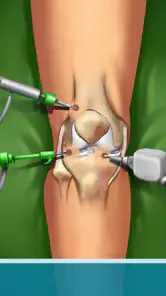
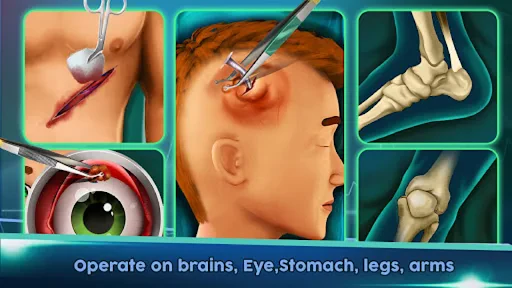

Analysis by Reviewed
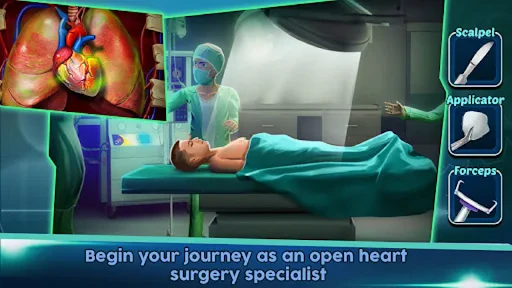
When I judge a surgery game, I look beyond the operating-room theme: can I follow what is happening, use it comfortably, and enjoy it in the short gaps of an ordinary day? Surgery Doctor Simulator Games is a role-playing game from TapNation that aims to turn medical procedures into guided, hands-on play. I found its appeal strongest when I wanted a simple, focused challenge rather than a deep medical simulation.
Readability and navigation in the operating room
The opening experience is approachable, and I could get into the game without spending long learning how to move through it. That matters in a game built around tools and procedures: if menus or instructions demand too much attention, the medical theme quickly becomes clutter. Here, the interface feels easy to grasp, while the hospital setting gives each task a clear context.
The presentation is serviceable rather than striking. I wouldn’t choose it for detailed hospital visuals, but the graphics do enough to keep the focus on the actions. Hints and guidance help orient new players as they work through procedures, so I didn’t feel that I needed medical knowledge before starting. The result is more like an accessible game interpretation of surgery than a reference tool for learning real clinical practice.
Motor and sensory considerations
The hands-on actions are part of the attraction, but they also shape who will find the game comfortable. Using virtual instruments asks for attention and controlled touch, and timed challenges add pressure. I’d try a procedure in a calm moment first to see whether the pace and interaction feel manageable; anyone who finds quick, precise screen actions tiring may prefer a slower game without countdown-style demands.
Its mix of visual direction and short instructions gives players more than one cue to follow, but I wouldn’t assume that makes every scene easy to process. Busy hospital imagery and a race against the clock can compete for attention. If you enjoy concentrating on one task at a time, the guided structure is a plus; if you need a consistently quiet, unhurried experience, the timed portions may be a poor fit.
How it fits different play situations
I can see this working well as a brief phone game when I have a few spare minutes and want a concrete task with a clear finish. I’d avoid starting a timed challenge while commuting, walking, or being interrupted: those situations make it harder to concentrate and easier to lose track of a delicate action. At home, with the screen easy to see and a little uninterrupted time, the same sequence is more enjoyable.
Remaining barriers and practical trade-offs
There are limits to the experience. The graphics are not cutting-edge, and the timed format may make some procedures feel more like quick reflex challenges than careful surgery. The game’s hints make it approachable, but they don’t turn it into professional instruction; I would not use it to learn how to perform real medical procedures. Its rating is Teen, so it’s also worth checking whether that suits the person who will play.
More From Our News Desk

Weather by Xiaomi Review: Clear at a Glance, Less Clear Up Close

X Under Pressure: Can It Recover When Posting Goes Wrong?

Clash of Clans Is Won Between the Battles

Android Auto Makes the Case for Quieter Car Software

MobiOffice: Transforming Mobile Productivity with Seamless Integration

EA SPORTS FC™ Mobile Soccer: Redefining Mobile Sports Gaming
Compared with a traditional role-playing game, its appeal is the immediate, themed task rather than a broad world or long character journey. Compared with a serious medical simulator, it is a lighter entertainment choice, not a substitute for detailed training. I’d pick it when I want guided medical-themed play; I’d choose a slower puzzle game for more relaxed problem-solving, or a dedicated learning resource if accuracy and clinical depth were the goal.
Who is likely to enjoy it?
The game is free to download and has optional in-app purchases priced from $13.99 to $20.99 per item. It has a 3.6 average from around 17,000 ratings, with more than 10 million installs, so it has reached a sizable audience, though those figures don’t guarantee that its pace will suit you. It was released on January 7, 2021, and version 2.1.28 supports Android 5.1 and later.
I’d recommend it to curious casual players who like a medical setting, guided actions, and a little pressure. Someone looking for realistic clinical education, slow-paced play, or a visually polished simulation should probably look elsewhere. Before spending anything, I’d play the free portion and decide whether the procedure flow itself is fun; purchases make more sense only if you already enjoy the core loop.
Choosing a good moment to play
A useful way to test whether this game fits your routine is to begin when you can give the screen your full attention, rather than treating every spare minute as equally suitable. A quiet break at home is a better first session than waiting in a crowded place, where glare, movement, or interruptions can make visual instructions harder to follow. If you have limited time, finish a procedure before switching tasks instead of starting one just before you need to leave.
That distinction matters because the game’s short-task appeal comes with a concentration cost. A procedure may look like a convenient little diversion, but controlled touch and time pressure are less forgiving when you are distracted. I’d use it as a deliberate break, not as background entertainment while listening to something important or keeping an eye on another task. Players who need to pause frequently may find that a non-timed puzzle is a more comfortable companion.
How I would approach the controls
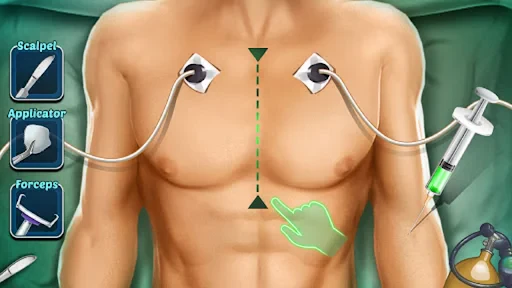
For a first session, I’d treat the guidance as a chance to learn the rhythm, not as a reason to rush. Follow each prompt carefully and notice whether a tool action feels clear before trying to move faster. That gives you a practical sense of whether the interaction is enjoyable for your hands and attention. If a step feels awkward, repeating it calmly is more informative than judging the whole game during a hurried attempt.
This is also where the game’s accessibility is best understood as a matter of fit rather than a guarantee that every player will find it easy. A player who likes visual prompts and direct actions may settle in quickly, while someone who benefits from large, uncluttered displays or has difficulty with precise touch may face friction. I would test it on the device and in the posture I expect to use most; comfort can change when the screen is held at an awkward angle or used for longer than planned.
What the medical theme can and cannot offer
The procedures provide a playful frame for following instructions and handling virtual instruments, but the theme should not be confused with medical learning. I would describe the educational element as introductory context: it can make a casual player curious about what a procedure involves, yet the simplified actions are designed for a game. If you are studying health care or seeking dependable clinical explanations, use a proper educational source instead of treating successful play as evidence of practical skill.
That boundary is especially important for younger players who are drawn to the hospital setting. The Teen age rating is a useful prompt for a parent or caregiver to consider the content and the player’s maturity, rather than assuming that a medical theme automatically makes the game suitable for every child. Playing together for the first few minutes can help an adult judge whether the presentation feels comfortable and whether the timed pressure is a good match.
When a different kind of game is a better fit
If I wanted an ongoing role-playing adventure, I would choose a game built around characters, exploration, and long-term decisions. This one is more appealing when I want the immediate satisfaction of completing a guided task. If my priority were a calm, repeatable brain teaser, a slower puzzle would make more sense; if I wanted a convincing account of clinical work, a specialized simulator or learning resource would be a better direction. The choice depends less on the hospital setting than on what kind of attention and reward I want from a session.
Its strongest audience is therefore fairly specific: casual players who are curious about surgery-themed interactions, comfortable with touch controls, and willing to accept a simplified portrayal in exchange for quick, directed play. It is less suitable for anyone who dislikes countdown pressure, expects a detailed simulation, or needs a reliably low-stimulation experience. I’d make that distinction before installing rather than assuming the word “simulator” means the same thing as a professional training tool.
Cost and expectations before committing
Because the game is free, trying it is a low-commitment way to find out whether its procedure flow clicks for you. I would still keep the optional purchases in mind and avoid buying anything simply because a later stage feels demanding. First decide whether the basic interaction is satisfying, whether the visual cues remain comfortable, and whether the pace suits your usual play setting. If those fundamentals do not work for you, paying is unlikely to make the core experience feel more relaxing.
The 3.6 average across around 17,000 ratings suggests a mixed reception rather than a universal crowd-pleaser. I’d read that as a reason to set realistic expectations: the straightforward medical theme may be just what some casual players want, while others may find the presentation or pressure limiting. Its reach—more than 10 million installs—shows that many people have tried it, but the useful question for me is still whether its hands-on format fits my own preferences.
So, I recently stumbled upon a fascinating app called Surgery Doctor Simulator Games, and I have to say, it's quite the experience! If you've ever dreamt of being a surgeon or just have a curiosity about what goes on in an operating room, this app is definitely worth checking out.
First Impressions Matter
Upon launching Surgery Doctor Simulator Games, you're greeted with a surprisingly user-friendly interface. It's intuitive, which means you can dive right into the action without a steep learning curve. The graphics are fairly decent, not exactly cutting-edge, but they serve their purpose well enough to keep you engaged. I was immediately drawn into the world of scalpels, sutures, and surgical masks. The app does a commendable job of simulating a realistic hospital environment, complete with the hustle and bustle you'd expect.
Diving Into the Surgical Realm
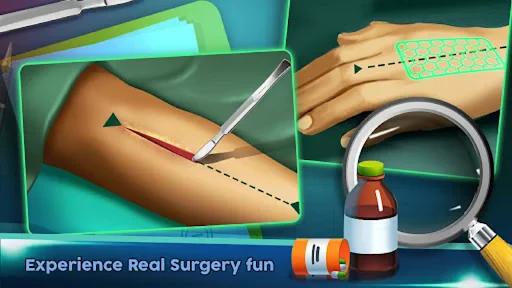
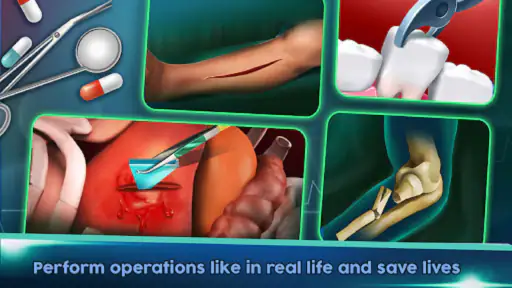
Once you're past the initial setup, the real fun begins. The game offers a variety of surgeries, each with its own unique challenges and tools. Whether it's a straightforward appendectomy or a complex heart surgery, the app provides a realistic simulation of the procedures involved. I particularly enjoyed the interactive elements, like using virtual surgical instruments to make incisions or remove foreign objects. It's detailed enough to give you a sense of accomplishment when you successfully complete a procedure.
One thing that stood out to me was the educational aspect. The app doesn't just throw you into surgeries blindly; it provides helpful hints and guidance along the way. This makes it not only entertaining but also a bit informative, which is a nice touch for those of us who geek out over medical stuff.
Keeping It Engaging
Now, let's talk about the gameplay mechanics. The app does a great job of keeping you on your toes. The timed challenges and varying difficulty levels ensure that you're always engaged. There's a certain thrill that comes with racing against the clock to save a patient's life. And let's be honest, who doesn't love a good challenge?
The app also includes a progression system where you can unlock new levels and surgical procedures as you advance. This keeps things fresh and motivating, encouraging you to sharpen your skills and tackle more complex surgeries. Plus, the smooth controls make the whole experience a lot more enjoyable.
Final Thoughts
In conclusion, Surgery Doctor Simulator Games is a delightful mix of fun and learning. It's perfect for anyone with a penchant for medical science or just looking for an engaging way to pass the time. While it may not have the most groundbreaking graphics, the gameplay more than makes up for it. With its intuitive interface, educational content, and challenging gameplay, it's a solid choice for both casual gamers and aspiring surgeons alike.
So, if you're in the market for a new app to try out, give this one a shot. Who knows, you might just discover a hidden passion for surgery!
Surgery Doctor Simulator Games Frequently Asked Questions
Does Surgery Doctor Simulator Games need much storage or a powerful phone?
Before downloading, it is worth checking that your device has enough free storage and runs Android 5.1 or later. The game is designed for mobile play, but how smoothly it runs can depend on your device. Keeping your operating system current and closing other apps may help if you notice slowdowns. The game’s Teen rating is also worth considering when choosing who will play.
Is Surgery Doctor Simulator Games a good choice for someone interested in medical role-playing games?
It may appeal to players who like role-playing games with a medical theme and want to take on the part of a surgeon. The central idea is to operate in an emergency hospital setting, using the game’s surgery-focused activities as its main draw. It is a mobile game rather than professional medical training, so approach it as entertainment, not as a substitute for learning from qualified medical sources.
Can I play Surgery Doctor Simulator Games without spending money?
Yes. The game is free to download, so there is no upfront charge to try it. Optional purchases are available, and the published price range is $13.99 to $20.99 per item. You can decide whether to make any purchases while playing; families may find it helpful to review device purchase controls before a younger player starts.
What should parents know before letting a teenager play Surgery Doctor Simulator Games?
The game has a Teen content rating and focuses on simulated surgery, so its medical theme may not suit every younger player. Parents can consider the player’s comfort with hospital and procedure-related scenarios before downloading it. It is also sensible to review purchase settings, since optional in-app purchases are available. The rating is a useful starting point, but individual preferences and maturity still matter.
Does Surgery Doctor Simulator Games receive updates?
The current version is 2.1.28. Keeping an installed game updated can help ensure you are using its current release and can be useful for compatibility with your device’s operating system. Check the app store page on your device when considering an update. As with any mobile game, it is sensible to review the update details and available storage before installing a newer version.
Pros
- Realistic surgery scenarios
- Educational gameplay elements
- Variety of surgical tools
- User-friendly interface
- Regular updates
Cons
- Limited free content
- In-app purchase requirements
- Occasional bugs
- High learning curve
- Ads can be intrusive
- Category
- Role Playing
- Version
- 2.1.28