RuPaul's Drag Race Superstar
- 8.86K
- 4.3
- Installs
- 1.00M
- Price
- Free

Screenshots




Analysis by Reviewed
I approached RuPaul's Drag Race Superstar expecting a straightforward dress-up game, but it works better when treated as a small fashion-planning routine rather than a one-minute makeover toy. You create looks, apply makeup, and enter style-focused competitions, with the goal of making choices that fit the challenge instead of simply selecting the most dramatic items in your wardrobe. That distinction gives the game more thought than its bright presentation initially suggests.
Developed by East Side Games Studio, this free simulation game is built around the world of RuPaul’s Drag Race. It is available for players using Android 7.0 or later, carries a Teen content rating, and has reached over a million installs. The current version is 1.23.0. In my experience, it is most enjoyable when I have a few minutes to plan a look, review the result, and decide what to improve next rather than rushing through every available action.
How the fashion workflow feels in everyday play
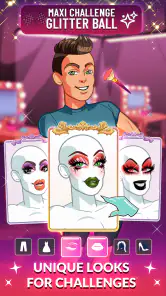
The basic loop is easy to understand. I choose clothing and makeup, shape a complete appearance, and put it forward in a competition where style matters. The appeal comes from the small decisions between those steps: whether the outfit matches the requested mood, whether the makeup supports the clothing, and whether I am spending my available resources on a useful improvement or an item that only looks exciting in isolation.
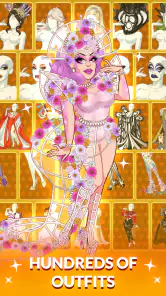
A typical session works well during a short break. I might open the game, check the current fashion task, look through suitable pieces, and build a first version without immediately committing to the most expensive-looking option. Then I compare the silhouette, color balance, and overall theme. This is more satisfying than tapping through a preset because the final result feels like a decision I made.
The game’s strongest quality is that it makes visual judgment part of the play. A spectacular dress can still feel wrong if it clashes with the brief, while a simpler combination can look more convincing when the pieces support one another. I found myself paying attention to the whole character rather than judging each item separately. That is a useful habit for anyone who enjoys fashion games but wants more involvement than a basic “equip the rarest item” system.
The RuPaul’s Drag Race setting also gives the presentation a clear identity. The tone is colorful, theatrical, and deliberately larger than life. It is not aiming for realistic wardrobe management, and that is important when deciding whether it suits you. If you want a quiet, minimalist styling simulator, this may feel too loud. If you enjoy performance, glamour, and visual competition, the theme gives the choices more personality.
What I check before spending resources
I learned to avoid treating every new item as an automatic upgrade. Before using anything valuable, I consider how often it can support different challenges. A versatile piece that works with several moods is usually more useful than a highly specific item that looks perfect only in one situation. This is one of the most practical lessons in the game: wardrobe growth is not the same as wardrobe usefulness.
I also try to complete the outfit’s main idea before adjusting details. Starting with accessories or makeup can make a look feel finished too early, even when the clothing does not yet communicate a clear style. I choose the central outfit first, establish the shape and tone, then use makeup and smaller elements to reinforce it. This order reduces unnecessary changes and makes it easier to see what the look actually needs.
Another helpful routine is taking a moment to inspect the competition requirement before opening the wardrobe. When I browse without a plan, attractive items pull me in different directions. When I identify the intended style first, I can reject pieces that are individually appealing but unsuitable. The game becomes less about collecting random visual noise and more about building a coherent answer.
Settings and habits that make sessions smoother
There is no reason to overcomplicate the setup. I keep the game updated to the current version because that provides the intended experience and avoids judging older behavior as if it were still current. I also pay attention to the device’s available storage and battery before starting a longer session, especially if I am playing away from home. Those are ordinary precautions, but they matter in a visually busy game where repeated wardrobe browsing can turn a quick visit into a longer one.
The most important “setting” is really my own spending boundary. The game is free to download, while individual in-app purchases range from $0.99 to $99.99. I recommend deciding in advance whether you are playing entirely without purchases or allowing a small, controlled budget. That decision prevents an attractive item or a frustrating competition from changing the way you play in the moment.
I also find it useful to separate browsing from buying. I can look through available fashion, note what would genuinely improve my options, and return later with a clearer idea of its value. This is better than making a purchase simply because an item appears at the exact moment I am trying to solve a difficult challenge. The best resource habit is to delay a decision until you know what problem the item solves.
For younger players, the Teen rating is worth taking seriously, and adults may want to review purchase controls on the device before handing over access. The rating and the presence of paid items make this more suitable for players who understand that free access does not mean every optional item is free. I would not leave spending decisions entirely to a child without supervision.
Faster patterns for building stronger looks
Experienced play is less about tapping quickly and more about reducing indecision. I use a repeatable sequence: read the challenge, choose a dominant style, select the main clothing, check the silhouette, add makeup, and only then consider finishing touches. Because the sequence stays consistent, I spend less time reopening the same categories and more time judging whether the final appearance makes sense.
Color control is another shortcut. I try to establish one main color direction and one supporting contrast instead of allowing every item to compete for attention. This does not mean every look should be restrained; dramatic styling can still be bold. The difference is that the drama feels intentional when the colors and shapes point toward the same idea.
Makeup deserves more attention than it receives in a first playthrough. It can change the character’s expression and the perceived attitude of the outfit, so I do not treat it as a final sticker. A softer face can support an elegant look, while a stronger choice may suit a theatrical concept. If the clothes and makeup tell different stories, the result can feel less polished even when both parts are attractive by themselves.
I also keep mental notes about combinations that worked. I do not copy one successful look forever, but remembering which types of clothing balance particular makeup styles saves time. This creates a personal library of reliable starting points. From there, I can experiment without rebuilding my understanding of the wardrobe every time.
When a result is disappointing, I change one major element first rather than replacing everything. If the silhouette is weak, I change the clothing. If the outfit is coherent but the face feels wrong, I adjust makeup. If the look is attractive but misses the challenge, I revisit the theme. This one-change method makes it easier to learn what affected the outcome and avoids random trial and error.
Where the simulation becomes more demanding
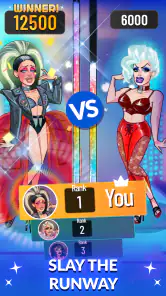
The game’s competition structure creates a useful tension: I am not styling only for my own taste. A look can be beautiful and still be a poor response to the task. That means personal preference is not always the best guide. I have had to accept that an item I love may be less valuable in a particular round than a less flashy piece that communicates the requested style more clearly.
This is also where the limitations become visible. Players who want deep character management, complex economic planning, or a highly realistic simulation may find the experience lighter than expected. The focus is fashion presentation, not a broad life simulator. Its depth comes from combinations, timing, and judgment rather than from managing many separate systems.
Progress can also feel less comfortable when the most appealing options are connected to resource decisions or purchases. Even when I choose not to spend, the presence of premium options changes how I evaluate the wardrobe. I have to remain patient and accept that I may not create every ideal look immediately. Players who dislike any form of optional spending pressure should approach cautiously.
Another trade-off is repetition. The central activity is intentionally focused, so players who enjoy styling can settle into it, while those who need constant mechanical variety may lose interest. I would not recommend it as a replacement for a large role-playing game or a strategy title. It is better understood as a fashion competition game that rewards small improvements across many styling decisions.
The app’s average rating is 4.3 from around 51 thousand ratings, with roughly 8.9 thousand written reviews. Those figures fit my impression: there is a clear audience for the combination of drag-inspired presentation, collecting, and competition, but it is not a universal match. The people most likely to enjoy it are those who like visual customization and do not mind repeating a familiar loop to refine their choices.
Who should play it, and who should skip it
I would recommend it to fans of RuPaul’s Drag Race, players who enjoy outfit coordination, and anyone looking for a colorful game that can be played in short sessions. It is especially suitable for someone who likes making a look with a specific theme rather than simply dressing a character in whatever is newest. The competition angle gives each outfit a reason to exist.
It is less suitable for someone who wants a completely relaxed dress-up app with no performance pressure. It is also a poor choice for players who dislike free-to-play economies, optional purchases, or repeated fashion challenges. If your ideal game is about exploration, combat, puzzles, or detailed simulation management, the category and structure will not provide that kind of variety.
Compared with a simple wardrobe app, this game gives styling a goal and adds the satisfaction of responding to a brief. Compared with a broad life simulator, it is narrower and more immediately visual. Compared with a pure collection game, it asks me to use judgment instead of only accumulating items. That middle position is its main strength: it has enough structure to make clothing choices meaningful without becoming a complicated management project.
Advanced limits and the value of restraint
My most reliable advanced tactic is to protect flexibility. I avoid using all resources on one spectacular concept when a more adaptable improvement would help across several challenges. This is not glamorous advice, but it makes future sessions less frustrating. A balanced wardrobe gives me more answers, while a collection of highly specialized pieces can leave me stuck when the brief changes.
I also resist rebuilding a look endlessly. After a few meaningful adjustments, further changes often become cosmetic rather than useful. At that point I decide whether the outfit communicates its idea and submit it. Perfectionism can consume the entire session, especially when several items are attractive. A clear stopping point keeps the game enjoyable and makes each competition feel like a decision rather than an endless editing screen.
Finally, I judge progress by improved choices, not just by access to more content. Unlocking something new is satisfying, but learning why one combination works better than another is what gives the game lasting value. That mindset helps reduce the pressure to chase every item and makes the free experience feel more manageable.
My verdict after settling into the routine
RuPaul's Drag Race Superstar is a focused simulation game with a strong visual identity and an enjoyable styling loop. East Side Games Studio has built an experience that is easy to enter but more thoughtful when I stop treating each challenge as a quick costume change. The best moments come from matching the brief, balancing clothing with makeup, and making a deliberate choice with limited resources.
I would download it for the fashion competition, not for deep simulation or endless mechanical variety. I would also set purchase boundaries before playing, because the free entry point sits alongside optional items priced from $0.99 to $99.99 each. With that expectation in place, the game works well as a short-session creative routine.
After spending time with it, my recommendation is positive but specific: try it if you enjoy drag-inspired glamour, outfit planning, and improving through repetition. Skip it if you want a fully open-ended dress-up tool or a game without monetization decisions. For the right player, the winning habit is simple—build around the challenge, use makeup as part of the concept, save flexible resources, and let each competition teach you something about your own styling choices.
Pros
- Large roster of iconic queens and recognizable fashion items.
- Frequent events provide fresh challenges and limited-time rewards.
- Simple controls make outfit creation easy on mobile devices.
- Strong visual style captures the glamour and humor of the franchise.
- Guilds and leaderboards add social competition beyond the main story.
Cons
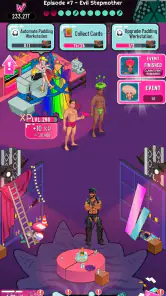
- Energy limits can slow progress unless you wait or spend resources.
- Premium currency is difficult to earn consistently without careful saving.
- Some event rewards favor players who participate throughout the entire event.
- Repeated challenges may feel grindy during longer play sessions.
- The game requires a stable internet connection for most features.

- Category
- Simulation
- Version
- 1.23.0