Red Dead Redemption
- 84.00
- 4.1
- Installs
- 10.00K
- Price
- $39.99

Screenshots
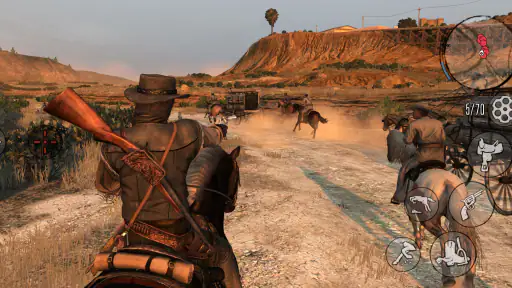
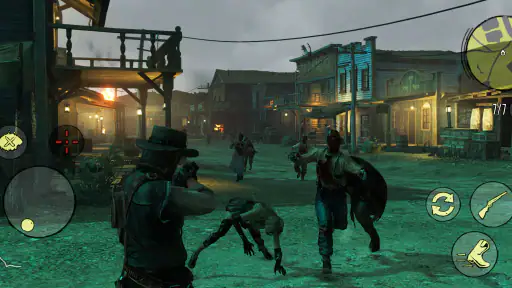
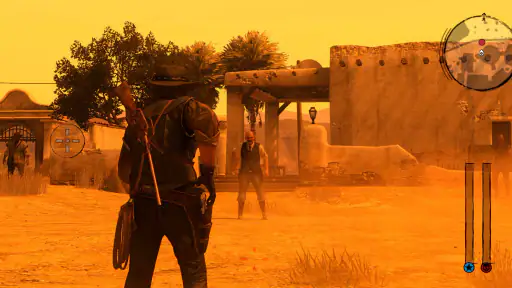
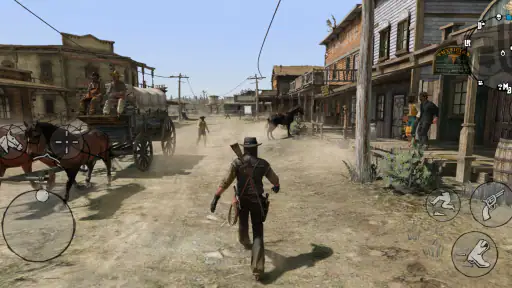
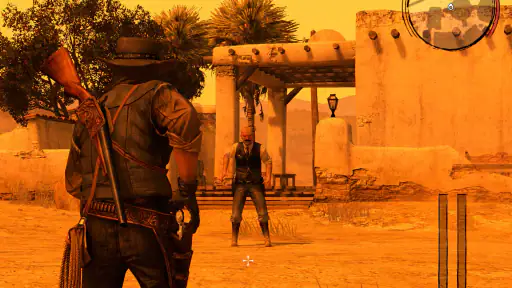
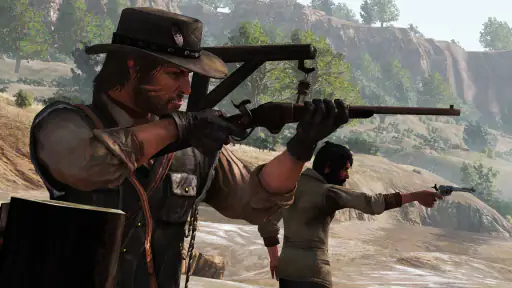
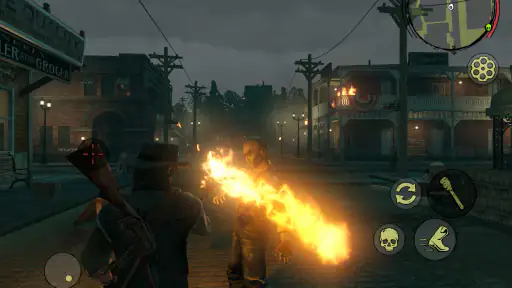
Analysis by Reviewed
I approached Red Dead Redemption as a first-time mobile player rather than assuming I already knew the Western behind it. That made the opening hours especially useful: the game gives you a broad, dramatic world to explore, but it also asks you to slow down and learn how its missions, travel, combat, and conversations fit together. This is an action game from Rockstar Games, aimed at mature players, and its appeal comes less from constant action than from the way it builds a long journey around one determined character.
The mobile release costs $39.99, so this is not a casual download to try for a few minutes and forget. I would treat it as a full-sized premium game for people who want a substantial single-player experience on a phone or tablet. Its average rating is 4.1 from around 759 ratings, while more than 10K players have installed it. Those figures suggest a real audience, but they also make it worth looking beyond the store page and asking whether this particular kind of Western adventure suits your device, schedule, and expectations.
What the first hours are really like
The most important thing to understand is that this is not a compact arcade shooter. The action category label is accurate, but the rhythm is broader. I spent time riding between objectives, listening to characters, learning the shape of the world, and deciding when to follow the main path and when to investigate something nearby. The result feels closer to taking part in a long road story than clearing a sequence of disconnected levels.
That slower pace is a strength when I have enough time to settle in. A short session can still be enjoyable, but the game makes more sense when I allow a mission to breathe. Dialogue and travel are not merely obstacles between gunfights; they establish the setting and give later confrontations more weight. If you only want immediate action every time you touch the screen, this may feel too deliberate.
The Western setting also changes how I judge progress. A successful moment is not always a dramatic victory. Sometimes it is simply reaching the next objective without losing track of the route, understanding why a character sent me somewhere, or finishing a tense encounter with enough control to continue. That is useful for newcomers because it removes the pressure to master everything immediately.
I found the game most inviting when I treated the early missions as a guided tour. Instead of rushing toward every optional distraction, I followed the main objectives until the basic flow felt familiar. This approach helps reveal the game’s tone and gives you a practical sense of how movement, aiming, travel, and mission prompts work together.
Installing it with realistic expectations
The game requires Android 10 or newer, so checking the operating system before paying is the sensible first step. I would also plan to play on a device with a comfortable screen rather than choosing a small phone simply because it is available. A large display gives the world and on-screen controls more room, which matters during aiming and travel.
The current version is 1.58.63226194. I would install it when I have a reliable connection and enough free time to start properly rather than beginning just before leaving home. A premium game of this scale is better approached as a planned installation: update the device first, close unrelated apps, and make sure the battery is in good shape before the first session.
Because the content rating is Mature 17+, this is clearly intended for adults and older teens who are comfortable with a serious Western setting. I would not choose it as a family-friendly game or hand it to a younger player expecting a harmless adventure. The tone, subject matter, and intensity are part of the experience, not optional decoration.
One practical decision is whether to play with touch controls or a compatible controller. I found touch input convenient for starting a session anywhere, but a controller is the better choice when precise aiming and steady movement matter. Touch controls make the game more accessible on the go; physical controls make longer sessions feel less tiring. That is a genuine trade-off rather than a simple question of which option is universally best.
Reaching the first meaningful success
For a new player, I would define the first success as completing an early mission while staying calm about the controls. Do not worry about playing perfectly. Pay attention to the objective text, move deliberately, and use the early encounters to learn how the game wants you to position yourself. The first useful skill is not fast shooting; it is recognizing when the game expects travel, conversation, investigation, or combat.
I also recommend pausing before an encounter becomes chaotic. On a phone, it is easy to press the wrong area of the screen when several prompts appear together. Taking a moment to read what is happening can prevent an avoidable restart and helps you understand the mission rather than reacting blindly. This small habit made the opening feel far less intimidating.
Another helpful routine is to separate exploration from urgency. When a mission marker is active, I follow it first. When I am free to roam, I take the opportunity to learn the landscape and become comfortable with travel. Mixing both activities at once can make a newcomer feel lost, especially when the world presents several possible directions.
The first successful action should therefore be measured by confidence. Once I could move toward an objective, handle a confrontation, and continue without constantly checking what every button meant, the larger adventure became much easier to appreciate. That is the point where the game stops feeling like a complicated mobile port and starts feeling like a Western journey I can manage at my own pace.
Where new players commonly get confused
The open world can create the impression that every visible opportunity deserves immediate attention. I do not think that is the best way to begin. Some players may wander too far from the current story thread, lose the context of a mission, and then wonder why the game feels unfocused. My solution is simple: use the main objectives as an anchor until the surrounding systems become familiar.
Travel can also feel slower than expected. That is intentional to the experience, but it may surprise anyone coming from a compact action game. I learned to use journeys as preparation time rather than treating them as dead space. They let me reset after a difficult encounter, think about the next objective, and enjoy the setting without needing to fight constantly.
Combat is another area where impatience causes problems. Holding a position, watching the situation, and choosing a clear target usually works better than moving continuously and pressing controls in a panic. On a touchscreen, frantic input is especially risky because a finger can cover part of the display. A controller can reduce that friction, but it does not replace learning to slow down.
Players may also wonder whether they should explore every side activity as soon as it appears. I would not. Optional content is more enjoyable once the basic controls and story rhythm are comfortable. Early exploration should be selective: investigate what genuinely interests you, but do not turn the opening into a checklist. The game has more impact when curiosity remains voluntary.
Finally, the premium price can create the wrong expectation. Paying $39.99 does not mean every minute must deliver spectacle. The value is in the complete experience, including quiet travel, character scenes, and gradual development. If your ideal mobile game offers quick rounds and instant rewards, this purchase may feel expensive even if the production and scope appeal to you.
How it fits everyday play
I can see myself playing this after dinner with a controller, when I have enough uninterrupted time to complete a mission or make meaningful progress. I would be less likely to use it during a short commute, because stopping in the middle of a story sequence or combat encounter is less satisfying than finishing a focused section. That does not make it unsuitable for mobile; it simply means the mobile format gives flexibility without changing the game’s deliberate scale.
For travel, the phone version is useful because it lets the adventure leave the living-room console behind. Still, I would choose a stable place to sit for combat-heavy sessions. A crowded train, bright sunlight, or one-handed play can make precise input harder. The best use case is a portable but settled session, not necessarily a game played while walking between tasks.
This is also a good option for someone who prefers a self-contained adventure over competitive multiplayer pressure. I can play at my own pace without worrying about matching other people’s schedules or keeping up with a live service. On the other hand, anyone looking mainly for social play, short competitive matches, or constant novelty should look elsewhere in the action category.
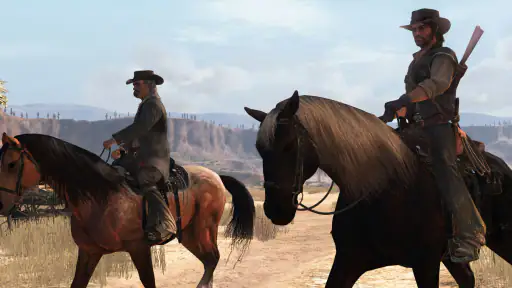
Compared with a smaller action game, this offers atmosphere and continuity instead of immediate repetition. Compared with a typical open-world alternative, its Western identity is unusually focused: riding, dusty settlements, tense confrontations, and character-driven missions all support the same setting. The trade-off is that it demands more patience and storage planning than a lightweight pick-up-and-play title.
Who should choose it and who should skip it
I recommend it to players who enjoy story-led action, mature themes, exploration, and a world that does not rush them from one explosion to the next. It is particularly appealing if you want a premium game that can occupy many evenings and you are willing to learn a control scheme rather than expecting instant familiarity.
I would hesitate to recommend it to someone with an older Android device, a very small screen, or a strong dislike of touch controls. The minimum operating system is Android 10, and meeting that requirement does not automatically guarantee that every device will feel equally comfortable. A player who values smooth, uncomplicated sessions should test the practical fit of the device before committing to the price.
I would also skip it if your main goal is a quick action fix. The journey includes quiet stretches, travel, and conversations, and those parts are essential to its identity. Choosing a shorter arcade-style game would be more sensible if you only have a few minutes at a time or become frustrated when a game asks you to absorb its world before delivering the next major confrontation.
Small habits that improve the experience
My first tip is to keep the main objective visible in your mind before leaving an area. It is easy to become distracted by the freedom of the setting, but a clear purpose makes exploration more rewarding. I usually finish the immediate task, then take a deliberate detour rather than wandering without a plan.
My second tip is to adjust the way you play according to the control method. With touch input, I favor shorter sessions and calmer movement. With a controller, I am more comfortable committing to longer missions. This is not just comfort advice: the control method changes how confidently I handle encounters, so choosing the right one can affect whether the game feels demanding or natural.
My third tip is to judge a session by what you understood, not only by how far you traveled. Learning the layout of a settlement, recognizing the pattern of an encounter, or becoming comfortable with the mission flow is real progress. That mindset is especially helpful during the opening, when the game is teaching its scale rather than handing out constant rewards.
A final trade-off is portability versus immersion. Playing on a phone makes the adventure available in more places, but a larger screen and physical controls bring out more of the detail and tension. If I were deciding between this and another action game, I would ask whether I want convenience first or the strongest possible presentation. This version is valuable because it offers the former while still preserving the latter when the hardware is suitable.
My recommendation after settling into the journey
Red Dead Redemption is a demanding recommendation in the best sense: it asks for attention, patience, and a device that can make its controls comfortable. Once I stopped expecting every moment to be fast, I found its strongest qualities in the combination of action, travel, atmosphere, and character-focused storytelling. The game’s Western setting is not a thin theme placed over shooting; it shapes the pace and gives the adventure its personality.
Rockstar Games has brought a substantial premium experience to mobile, but the $39.99 cost means you should be certain that this is the kind of game you want before installing it. Check the Android 10 requirement, plan for focused sessions, and consider a controller if touch aiming feels awkward. Those choices will do more for your enjoyment than rushing into the opening missions.
My honest conclusion is that this is best for a first-time player who wants to settle into a serious, story-driven action adventure and is comfortable with a slower rhythm. Follow the early objectives, learn the controls without chasing perfection, and let exploration expand naturally. If that sounds appealing, the game can become an absorbing companion for longer evenings. If you need instant rounds, light content, or effortless one-handed play, a smaller action title will be a better match.
The best first step is simple: install it only when you can give the opening your full attention. Once the first mission flow becomes familiar, the scale feels less overwhelming, and the journey begins to show why this Western remains a distinctive choice for mobile players.
Pros
- Faithful console-quality open-world experience on compatible mobile devices.
- Compelling story with memorable characters and strong western atmosphere.
- Large map filled with varied missions
- encounters
- and exploration opportunities.
- Excellent soundtrack and voice acting that enhance the cinematic presentation.
- Includes substantial post-game content and the Undead Nightmare expansion.
Cons
- Requires a powerful
- compatible device and considerable free storage space.
- Touch controls can feel less precise during shooting and horseback combat.
- Long travel distances may feel slow when fast travel is unavailable.
- Mature themes
- violence
- and language make it unsuitable for younger players.
- Performance and visual quality can vary between supported phones and tablets.

- Category
- Action
- Version
- 1.58.63226194