قرصان المعرفة
- 30.00
- 4.4
- Installs
- 100.00K
- Price
- Free

Screenshots
Analysis by Reviewed
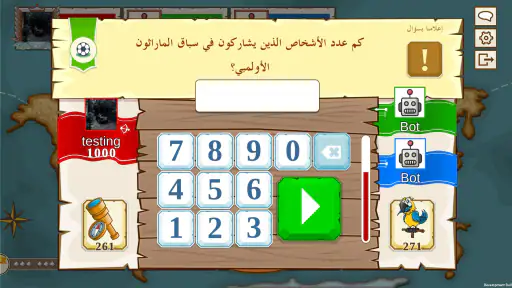
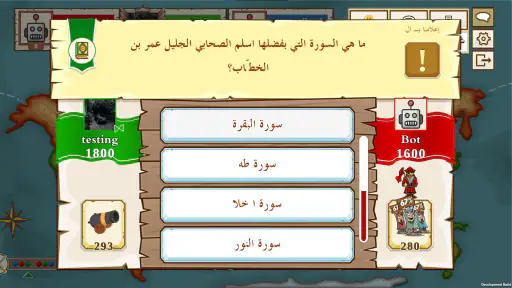
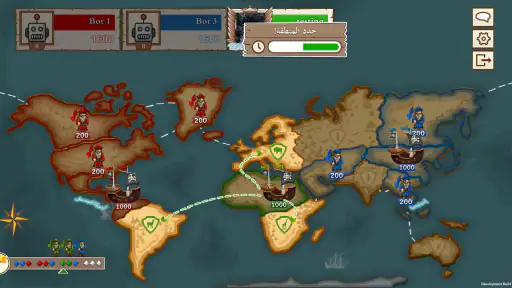
I approached قرصان المعرفة as the kind of trivia game I could open for a short mental workout rather than a long, complicated session. It is built around general and varied questions, but the important part is the combination of knowledge, speed, and planning. That mix makes it feel more active than simply reading a question and choosing an answer. I have to decide quickly, but I also need to think about how I use each opportunity instead of treating every question as an isolated fact check.
The game comes from RageTeam and is free to install, which makes it easy to try without committing money at the beginning. It is listed for Everyone, and it runs on Android devices using version 6.0 or later. The current release is 1.4.4, so someone using an older phone should still have a reasonable chance of getting started if the operating system meets that requirement. Its audience is broad: casual players, families looking for a quick quiz, and competitive trivia fans who enjoy testing themselves under pressure.
What I like most about the basic idea is that it does not depend on one narrow subject. A specialist quiz can be satisfying when I already know its topic, but it can also become repetitive quickly. Here, the broader question mix keeps the experience less predictable. One moment I may feel confident, and the next question can expose a gap in my everyday knowledge. That unevenness is part of the appeal, although it also means the game will not always feel equally comfortable or equally fair to every player.
Getting from installation to a useful first session
What to expect when you begin
My advice for a first-time player is to treat the opening session as orientation, not as a serious test of intelligence. A trivia game that combines speed with planning can feel harsher than a relaxed quiz because a wrong answer is not the only source of frustration. Hesitating, rushing, or focusing too much on one difficult question can affect the rhythm of the whole session. The best first goal is simply to learn how the game presents questions and how quickly I can make a decision without second-guessing everything.
The competitive design also changes how I read the screen. In an ordinary quiz app, I can often pause mentally and search through every possibility. In this game, that habit may work against me. I get more value from recognizing familiar patterns, eliminating obviously wrong choices, and accepting that not every answer will be certain. This is one of the first meaningful lessons: speed does not mean tapping randomly. It means reducing wasted thought while keeping enough attention to avoid careless mistakes.
Because the questions are general and diverse, I would not install it expecting a structured course in history, science, language, or any other single field. It is better understood as a flexible knowledge challenge. That distinction matters for choosing the right alternative. Someone who wants deliberate study and explanations after every answer may prefer an educational quiz built around one subject. Someone who wants variety and a more competitive pace is more likely to appreciate this title.
A sensible first setup
After installing, I would begin with a quiet few minutes and a stable connection if the game requests online access during play. I would also make sure the device is not in an aggressive battery-saving mode, since fast decisions are less enjoyable when the screen or app behaves inconsistently. These are simple habits, but they make it easier to judge the game itself instead of confusing a poor first session with a phone-performance problem.
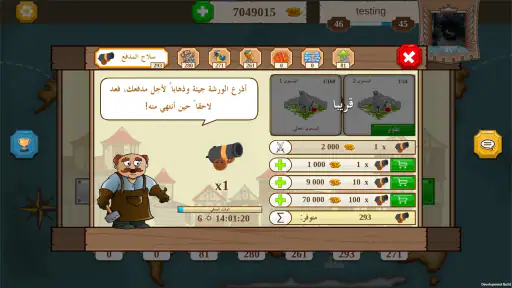
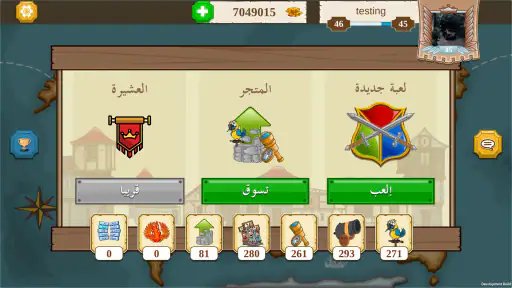
The free entry point is useful here. I can explore the core experience before deciding whether it deserves a regular place on my phone. There are in-app purchases ranging from $2.99 to $164.99 per item, so I would not tap purchase options casually. A new player should first understand what is available without spending and then decide whether any optional purchase genuinely improves the way they want to play. The large gap between the lowest and highest listed item prices is a good reason to review each purchase screen carefully.
I would also set a personal limit before playing competitively. Trivia can encourage the familiar “one more round” feeling, especially after a near miss. A short session works well for a commute, a waiting room, or a break between tasks, but the competitive element can make a quick game stretch longer than intended. Deciding in advance whether I am playing for five minutes, a few rounds, or a longer session keeps the experience enjoyable instead of turning it into a reflexive habit.
How to reach the first meaningful success
My first useful target would not be a perfect result. I would aim to complete a session while making deliberate choices: answer immediately when I know the subject, eliminate choices when I only partly remember the fact, and avoid spending too long trying to recover from one uncertain question. That is a more realistic measure of progress than expecting instant mastery from a broad trivia pool.
A practical method is to divide questions into three mental groups. The first group contains answers I know with enough confidence to respond quickly. The second contains questions where one or two options can be ruled out. The third contains genuine guesses. This approach helps with the planning side of the game because it stops an uncertain question from consuming the attention needed for the next one. It also gives me a clearer sense of whether a disappointing result came from missing knowledge or from poor timing.
Another useful habit is to notice categories that repeatedly slow me down. I do not need to turn the game into homework, but I can use those weak areas as a guide for what to read or review outside the app. If I keep missing questions about geography, for example, I can treat those rounds as a prompt to refresh basic facts rather than simply blaming bad luck. The game becomes more rewarding when each session tells me something about my own knowledge, not only whether I won or lost.
For a shared session, I would let each person answer independently before discussing the result. That preserves the speed challenge and avoids one confident player dominating the conversation. It also makes the varied question pool more interesting because different people bring different strengths. A family member who struggles with one topic may be excellent in another, and the broad design gives those changes a chance to appear.
Where new players may become confused
The biggest likely confusion is the relationship between knowledge and performance. A player can know the correct fact and still perform poorly by reacting too slowly, while another player can succeed through fast elimination or a lucky guess. That does not make the result meaningless, but it means the score should not be read as a pure measurement of intelligence. I found it more helpful to separate “I did not know this” from “I knew it but hesitated.” The remedy is different in each case.
Another point to understand is that diversity can feel inconsistent. A run of familiar questions may create confidence, followed by a topic that feels completely outside my experience. That swing is natural for a general trivia game, but it can be frustrating if I expect every round to match my interests. Players who prefer predictable difficulty or a carefully graduated learning path should consider a more specialized quiz instead.
Speed can also encourage careless tapping. When I feel behind, my instinct is to answer before reading the full question. That is rarely a good recovery strategy. I get better results by slowing down for the length of one breath, identifying what the question is actually asking, and then choosing the strongest option. A tiny pause is often more useful than a panicked guess, particularly when the alternatives look similar.
Purchases are another area where a first-time user should stay attentive. The game is free to start, but optional items can become part of the experience depending on how someone plays. I would view them as a personal choice rather than a requirement for learning the game. If the free version already provides enough variety and competition, there is no reason to spend simply because a purchase is visible. If a player dislikes in-app offers in general, that may be a reason to choose a paid, self-contained trivia alternative instead.
Using it in everyday situations
One realistic use is a short break during a busy day. Suppose I have ten minutes before an appointment. I can play a compact trivia session, focus on making clean decisions, and stop after the round rather than opening a large game that demands a longer commitment. The general question format suits this situation because I do not need to prepare a topic in advance. I can start with whatever knowledge I happen to bring that day.
It can also work as a conversation starter. After a session, I may remember an unusual question or discover that a friend and I have completely different strengths. That social value is more interesting than simply comparing a final score. However, I would avoid using it as a serious test between people with very different familiarity with the language or subject matter. A broad trivia game naturally rewards background knowledge, and that can make direct comparisons less meaningful.
For a student, the app is best used as a supplement rather than a replacement for study. It may reveal weak spots or make revision feel less passive, but a quick answer does not automatically explain why it is correct. If my goal is exam preparation, I would pair it with notes, a textbook, or a dedicated learning tool. For someone who wants a light challenge after work, that limitation is less important because entertainment and mental stimulation are the main goals.
How it compares with familiar trivia alternatives
Compared with a basic flashcard app, this game puts more pressure on reaction and decision-making. Flashcards are better when I want repetition, control over the subject, and a clear learning routine. قرصان المعرفة is more appealing when I want surprise and a competitive push. The trade-off is that I have less control over what appears, so it may not serve a specific study plan as efficiently.
Compared with a traditional pub-style quiz, the mobile format is more convenient and easier to use alone. I do not need a host, a group, or a scheduled event. On the other hand, a real quiz night offers richer conversation and a stronger social atmosphere. This game can reproduce some of the tension of answering under pressure, but it cannot replace the humor and shared reactions of a room full of people.
Compared with a subject-specific trivia game, its variety is both its main strength and its main limitation. I am less likely to feel trapped in one theme, but I am also less able to build expertise in a chosen area. I would choose this title for broad curiosity, quick sessions, and competitive energy. I would choose another app for deep explanations, a controlled curriculum, or a single favorite topic.
Who should try it, and who should skip it
I think it is a good fit for players who enjoy general knowledge but do not want a slow, academic presentation. It suits people who like making decisions quickly, comparing performance, and learning which subjects challenge them. The Everyone rating also makes it approachable for a wide audience, although individual comfort with the question topics and reading pace will still vary.
I would be more cautious recommending it to someone who dislikes time pressure, becomes upset by uncertain questions, or wants every mistake explained in detail. It is also not my first choice for a player who wants a completely purchase-free environment or a focused revision tool. In those cases, a slower quiz, a flashcard system, or a dedicated educational app may provide a better experience even if it feels less exciting.
The next step after the first session
Once I understand the basic rhythm, I would play several sessions without buying anything and keep track of the type of mistake I make. Am I missing facts, reading too quickly, or hesitating after recognizing the answer? That small review turns casual play into a more intentional challenge. It also helps me decide whether the competitive structure genuinely suits me before I invest more time or money.
I would then create a simple rule for improvement: answer known questions promptly, use elimination on partial knowledge, and accept a guess when the alternatives are equally uncertain. The goal is not to remove every mistake. It is to make each decision clearer and prevent one difficult question from disrupting the rest of the round. This is where the planning element becomes practical rather than just a description of the game.
RageTeam’s game has earned a 4.4 average from around 591 ratings, with over 100K installs, which suggests that it has found an audience beyond a tiny group of early testers. Those figures do not replace personal experience, but they make the free download feel like a reasonable low-risk experiment. I would still approach the purchase system thoughtfully and remember that popularity cannot guarantee that the pacing will suit everyone.
My final view is positive, with a clear condition: قرصان المعرفة is strongest when I want a fast, varied knowledge challenge rather than a formal learning course. It gives a first-time player an easy entry point, enough uncertainty to keep familiar subjects from becoming boring, and a useful reason to think about how speed affects judgment. Its broad question style and competitive pressure will not please every trivia fan, but for short sessions and friendly rivalry, I can recommend giving it a careful try before deciding whether it belongs in a regular rotation.
Pros
- Educational content makes learning feel more engaging and accessible.
- Useful for testing general knowledge and discovering new topics.
- Simple gameplay is suitable for short sessions.
- Can help improve memory
- focus
- and quick-thinking skills.
- A good choice for users who enjoy quiz-based challenges.
Cons
- Some questions may feel too easy for experienced quiz players.
- Content variety may depend heavily on the available question database.
- Repeated questions can reduce long-term replay value.
- Arabic-language content may limit its usefulness for non-Arabic speakers.
- Progression can feel less rewarding without deeper difficulty levels.

- Category
- Trivia
- Version
- 1.4.4