Quiz Win: Play For Real Reward
- 42.00
- 4.4
- Installs
- 500.00K
- Price
- Free
Screenshots

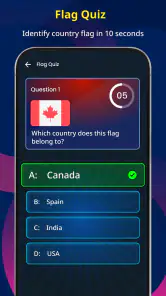
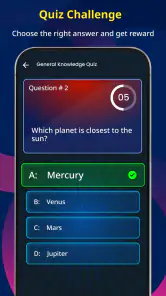

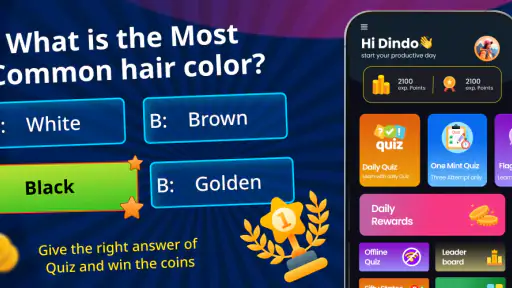
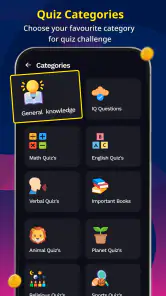
Analysis by Reviewed
I went into Quiz Win: Play For Real Reward expecting a quick trivia game I could open for a few minutes and forget. That first impression is partly right, but the app becomes more interesting when you look at what keeps a quiz habit alive after the first week. It is a free trivia game from QuestTech, aimed at people who enjoy answering general-knowledge questions while working toward quiz prizes. Its store summary presents that combination clearly, but my experience is that the real question is not whether the idea sounds appealing. It is whether the quizzes remain enjoyable enough to justify returning regularly.
The app has a 4.4 average from around 16 thousand ratings and has passed 500 thousand installs, so it has attracted a substantial audience for a relatively focused game. It is rated for Everyone, which makes it easy to consider for casual family use, although younger players may still need guidance when the reward-oriented side becomes part of the experience. The game was released on November 5, 2023, and version 1.8.6 is available for devices running Android 6.0 or later.
What the first week feels like
The opening appeal is immediate: trivia requires almost no explanation. I can pick up the phone, read a question, choose an answer, and move on. That makes Quiz Win a natural fit for short breaks, especially when I do not want the concentration or time commitment demanded by a strategy game. The promise of rewards adds a second reason to keep playing, but it works best as a bonus rather than the only motivation.
During the first few sessions, the strongest part is the simple rhythm. A question creates a small challenge, an answer gives quick feedback, and the next question keeps the pace moving. This structure is familiar, yet it remains effective because it turns spare moments into a lightweight mental exercise. I could imagine using it while waiting for an appointment, taking a break between tasks, or winding down without starting a much larger game.
The game also benefits from being approachable. You do not need specialist knowledge, a gaming background, or a complicated setup to understand what you are doing. That matters for a trivia title intended for a broad audience. Someone who normally avoids competitive games can still try it, and a regular quiz player can begin testing their knowledge almost immediately.
Still, the first-week experience can create expectations that deserve a little caution. The reward angle makes each session feel more purposeful, but it can also encourage players to focus on the outcome instead of the quality of the questions. I found the experience more satisfying when I treated the prize possibility as an extra incentive and the quiz itself as the main activity. If the reward is the only thing keeping you interested, the novelty may fade faster.
Why the format works for short sessions
Quiz Win fits a very specific kind of mobile use: fragmented time. I would not choose it when I want a deep story, a long tactical session, or a game that rewards careful planning over several hours. I would choose it when I have a few minutes and want something more active than scrolling. That distinction helps set the right expectations from the start.
A realistic everyday scenario would be a commuter opening the game during a short wait, completing a handful of questions, and closing it before the next activity begins. The same session could work for a student taking a mental break between study blocks, provided the game does not become a distraction from the work itself. For families, the Everyone rating makes the format approachable, but the adults should still explain that playing for prizes is not the same as guaranteed income.
One useful habit is to stop after a planned number of rounds instead of continuing automatically. Trivia games can make “just one more” feel harmless, yet the reward framing may make that impulse stronger. Setting a small session boundary keeps the game in its proper place and makes it easier to judge whether you genuinely enjoy it.
Does it have month-to-month value?
Long-term value depends on two separate questions: do the questions continue to feel worthwhile, and does the reward motivation remain credible enough to bring you back? The first question is personal. Trivia fans can return to the same basic format for a long time because they enjoy learning, remembering facts, and measuring improvement. Players who need constant new mechanics may find the experience less durable.
Compared with a traditional trivia app that exists mainly for knowledge practice, Quiz Win has a more tangible hook. The possibility of prizes gives ordinary questions a stronger sense of purpose. Compared with a full multiplayer quiz game, however, it may feel less socially engaging if what you really want is direct competition with friends or a lively group atmosphere. A dedicated educational quiz tool may also be a better choice when your priority is structured learning rather than casual play.
That comparison is important because no reward system can replace content variety forever. If I return month after month, I want the questions to challenge me without feeling repetitive, and I want the overall routine to remain clear rather than turning into a chore. The game earns repeat visits when it helps me enjoy trivia itself. It struggles when every session feels like a transaction.
My best long-term use would be as a small recurring habit rather than a primary game. A few sessions across the week can provide a pleasant knowledge break. Trying to make it the centerpiece of daily entertainment would expose its limitations more quickly. This is a title that can occupy a useful corner of a phone, but it does not need to occupy the whole schedule.
How to keep the routine useful
I recommend treating incorrect answers as the main value of a session. Instead of rushing past them, I would pause long enough to notice which subjects cause trouble. That turns the game from a simple score chase into a light self-check. Over time, I could use those mistakes to decide what to read about elsewhere, whether that means history, science, geography, or popular culture.
Another practical approach is to play when attention is available, not when you are already tired or distracted. Guessing through questions may keep a streak of activity alive, but it does not create much learning or satisfaction. A short, focused session is more valuable than a longer one played while multitasking.
For households sharing a device or discussing answers together, the game can become a conversation starter. One person can explain why an answer seems right, while another can challenge the reasoning. That use gives the app more staying power than solitary reward chasing, particularly for people who enjoy trivia as a social subject even when the game itself is played individually.
The maintenance burden behind a simple quiz
Quiz Win is easy to start, but keeping it useful requires a little personal maintenance. The app itself is not a substitute for deciding how often to play, what role rewards should have, or when a session has stopped being enjoyable. I would also make a point of keeping the game updated, since the current version is 1.8.6 and later updates may affect the day-to-day experience.
The device requirement is modest: Android 6.0 or newer covers many phones, including older hardware. That makes the game more accessible than demanding modern titles, and it supports the idea of using it on a secondary or budget device. On the other hand, anyone using an older phone should still judge the experience by actual responsiveness and available storage rather than assuming every device will feel identical.
The largest maintenance task is expectation management. Reward-based games can encourage players to check in more often than they intended. I would avoid building a routine around the assumption that every session will produce a meaningful prize. Instead, I would ask whether I would still enjoy answering questions if the reward element became less exciting. If the answer is no, the app may not deserve a permanent place on the home screen.
It is also worth deciding in advance how much personal information or attention you are comfortable giving any reward-focused game, then reviewing the app’s current store and device prompts yourself before committing to regular use. I do not see that as a reason to dismiss Quiz Win; it is simply sensible whenever an app connects entertainment with prizes. A clear personal boundary prevents the reward idea from becoming more important than the game.
Where the friction appears
The basic trivia format is accessible, but accessibility does not guarantee depth. Players who want detailed explanations after every answer, a carefully organized study curriculum, or advanced difficulty control may prefer a more specialized alternative. Quiz Win is better suited to casual knowledge testing than to formal exam preparation.
The same applies to social play. If your ideal quiz experience involves inviting friends, forming teams, or building a long-running competitive table, a multiplayer-focused title may be a stronger fit. Quiz Win’s appeal is its directness: open it, answer questions, and continue. That simplicity is convenient, but it leaves less room for the social structures that make other trivia games last.
There is also a psychological trade-off in the prize concept. Rewards can make an ordinary question feel exciting, but they can make a wrong answer feel more frustrating than it would in a purely recreational quiz. I found it healthier to separate performance from self-worth. Missing a question is useful only if it gives me something to think about; it is not evidence that the session was wasted.
What may cause fatigue over time
The first source of fatigue is repetition. Trivia fans tolerate repeated formats better than players who need constant mechanical change, but even a good question loop can become predictable. Once I know exactly how a session feels, the app needs either consistently engaging questions or a strong personal reason for returning. The reward promise can delay boredom, but it cannot permanently solve it.
The second source is uncertainty about motivation. A player may begin by enjoying general knowledge, then gradually focus only on accumulating progress toward prizes. That shift can make the game feel like an obligation. I would watch for signs such as opening the app automatically, continuing after enjoyment has ended, or feeling annoyed when a session does not seem productive.
The third is comparison with richer alternatives. A dedicated learning app may provide better explanations and progression. A party quiz may create more laughter with friends. A competitive trivia platform may deliver stronger pressure and clearer rankings. Quiz Win does not need to beat all of those options; it needs to be the most convenient choice for a quick quiz with an added reward angle. For some players, that is enough. For others, the compromises will be obvious.
One non-obvious way to reduce fatigue is to change the purpose of each session. On one day, I might play for quick entertainment. On another, I might treat difficult questions as prompts for further reading. A third session could be shared verbally with someone nearby. The questions stay within the same game, but the surrounding activity changes, which helps prevent the app from feeling like a single repetitive task.
Who should use it and who should skip it
I would recommend Quiz Win to casual trivia fans, people who enjoy short mobile sessions, and anyone who likes the idea of adding a reward-oriented goal to general-knowledge questions. It is especially suitable for players who do not want a large download or a complicated game system and who can keep the prize element in perspective.
I would be more cautious about recommending it to someone seeking dependable earnings, structured academic preparation, or a rich social competition. The game’s free price removes a financial barrier to trying it, but free does not mean it will suit every habit. Players who dislike reward mechanics, dislike repeated quiz formats, or need detailed learning feedback may be happier with a conventional quiz or education app.
Parents can consider it for general family-friendly play because the content rating is Everyone, but I would still supervise how children interpret the prize language. The useful lesson is answering thoughtfully and learning from mistakes, not assuming that every game session leads to a guaranteed result.
My long-term verdict on Quiz Win
After the initial novelty fades, Quiz Win remains worthwhile for a narrower reason than its reward pitch might suggest: it is a convenient way to keep trivia within reach. I like the low commitment, the familiar question-and-answer rhythm, and the option to turn spare minutes into a small mental challenge. QuestTech has made something approachable enough for casual players, and its broad install base shows that the format has found an audience.
My reservations are equally clear. The reward angle can distort the experience if it becomes the only reason to return, and the simple format may not satisfy players who want deep explanations, strong social tools, or major changes from one session to the next. Long-term value therefore depends on using the game deliberately rather than letting it dictate your routine.
The best reason to keep it installed is steady, low-pressure trivia—not the fantasy of effortless rewards. If you would enjoy answering questions anyway, the prize element can add interest without carrying the entire experience. If you need a game to provide constant novelty or a learning app to teach a defined subject, another option will probably serve you better.
For me, Quiz Win earns a modest, lasting place as an occasional quiz companion. I would keep it available for short breaks, use missed answers as prompts to learn something new, and stop playing when the session starts to feel like a duty. Used that way, it has recurring value after the first week. Used as a serious income tool or a complete replacement for richer trivia alternatives, it falls short.
Pros
- Simple quiz format that is easy to understand and start playing.
- Short rounds make it convenient for quick breaks or casual play.
- Real-reward focus can make answering questions feel more motivating.
- Trivia topics offer a chance to test and improve general knowledge.
- Free entry lets users try the experience before committing money.
Cons
- Reward availability may vary by location
- eligibility
- or promotional terms.
- Cash-out requirements can make small winnings difficult to withdraw.
- Frequent ads may interrupt gameplay and reduce the overall enjoyment.
- Some questions may feel repetitive after extended play sessions.
- Earnings are not guaranteed and should not be treated as a regular income.
- Category
- Trivia
- Version
- 1.8.6