Plants on Fire: Clash & Defend
- 60.00
- 4.8
- Installs
- 10.00K
- Price
- Free

Screenshots



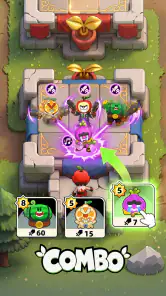
Analysis by Reviewed
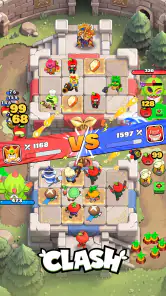
I spent time with Plants on Fire: Clash & Defend as a quick strategy game built around short player-versus-player tower-defense matches. Its central appeal is easy to understand: you place and merge plants, react to an opponent, and try to make better decisions before a three-minute battle ends. That compact format makes it much easier to fit into a spare moment than a traditional, slower tower-defense game.
The game comes from Shimmer Dream and is free to start, with optional in-app purchases ranging from $0.99 to $199.99 per item. It is rated for Everyone, requires Android 7.0 or later, and the current version is 1.0.1014.0. Its average rating is 4.8 from around 392 ratings, while the game has passed 10K installs. Those figures suggest a positive early reception, although the smaller player base is worth remembering if you are comparing it with the biggest strategy games on mobile.
How the three-minute battle loop feels in practice
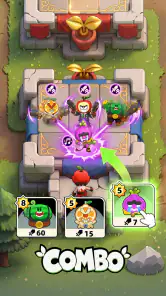
My normal session begins with a simple goal: understand what the board is asking for before I start merging everything in sight. The plants are not just pieces to collect and forget. Their value depends on when they are combined, where they are placed, and how quickly I can turn a good opening into pressure on the other side. That gives the game more decision-making than its bright, casual presentation first suggests.
The three-minute structure is the most important part of the experience. It encourages me to commit to a plan instead of waiting forever for a perfect setup. In a longer tower-defense game, I might spend several minutes building a safe economy and testing a formation. Here, hesitation has a cost because the opponent is also developing a position. The result is a match that feels closer to a quick tactical exchange than to a long campaign stage.
I found the baseline workflow most comfortable when I divided each match into three mental jobs. First, I looked for a stable starting arrangement. Next, I merged only when the improvement was clear. Finally, I watched for the moment when saving resources or board space was less valuable than creating immediate pressure. This habit reduced random taps and made losses easier to understand.
That last point matters. A defeat does not always mean the opponent had a dramatically stronger collection. Sometimes I had merged too early and left myself with awkward gaps. In other matches, I focused so heavily on upgrading one area that I ignored the rest of the board. The short format exposes those small mistakes quickly, which is useful for learning but can feel unforgiving when I am playing casually.
The game works especially well for someone who wants strategy without a long commitment. I can play a match during a break, finish it, and put the phone away without worrying about an unfinished level. It is also a reasonable choice for players who enjoy competitive pressure but do not want the complicated controls of a full real-time strategy game. The basic interaction is approachable, while the timing of merges gives experienced players room to improve.
The first habits I would build
I would not begin by chasing the biggest possible plant immediately. A better opening habit is to keep the board readable. When several plants are waiting in different positions, I can see more clearly which merge actually improves the defense and which one merely clears space. This is a small distinction, but it prevents the common beginner mistake of treating every available combination as automatically good.
I also learned to pause briefly after an important merge. The pause is not about taking a long break; it is about checking whether the new plant changed the safest placement or the next useful combination. Rapidly tapping through every available action feels efficient, but it often creates a board that is harder to control. In a match this short, one careless sequence can remove the flexibility needed for the final exchange.
Another practical routine is to decide what I am protecting. Sometimes the priority is immediate defense. Sometimes it is preserving a useful position for a stronger merge. Those goals can conflict, and the correct choice depends on the current pressure. If I treat every moment as an upgrade race, I can overlook the fact that a modest defensive move may buy enough time to make a better combination later.
This is where the game differs from a conventional single-player tower-defense title. In a standard level, the enemy pattern is usually stable enough to study and repeat. Here, the rival adds uncertainty. I cannot simply memorize a build order and expect it to work every time. The same opening may require a different response depending on how quickly the opposing side develops.
Settings and preparation that make short matches smoother
Before settling into competitive play, I would check the device’s general game settings and the controls available on the game screen. The most useful preparation is practical rather than dramatic: make sure the interface is comfortable to read, keep accidental touches to a minimum, and avoid starting a match while the phone is already struggling with other tasks. A fast game feels much less fair when input is interrupted by the device.
I also recommend deciding in advance whether a session is for learning or winning. When I play to learn, I pay attention to the timing of merges and the consequences of leaving a plant in place. When I play to win, I use the patterns I already trust and avoid experimental decisions during a close match. Mixing those two mindsets can be frustrating because a risky test feels like a mistake even when it teaches me something useful.
The free entry point is helpful, but I would approach the purchase system carefully. Optional items can be tempting when a competitive game makes progress feel urgent, and the listed purchase range extends from small amounts to very large individual items. I would recommend playing without spending first, then deciding whether any purchase genuinely improves enjoyment rather than trying to repair a losing streak. The game is better judged by its basic loop than by the promise of faster progress.
Parents should also find the Everyone rating reassuring from an age-classification perspective, but that does not automatically make every aspect ideal for every child. Competitive matches can still encourage repeated play, especially when a loss makes the next attempt feel necessary. I would set a simple time boundary for younger players, particularly because each match is short enough to make “just one more” feel harmless.
One setting-related limitation is that I would not expect configuration options to transform the game into a fully personalized strategy experience. This is a focused mobile title, not a desktop-style command center. If you need extensive control remapping, deep visual customization, or a large set of accessibility adjustments, a more established strategy game may suit you better. Here, the advantage is immediacy, not breadth.
Faster patterns that improve decision-making
The quickest improvement I noticed came from separating board management from combat panic. When pressure rises, I try not to merge simply because the action is available. I first ask whether the merge improves damage, survivability, or space. If it does none of those things clearly, waiting can be the stronger move. This is counterintuitive in a game that constantly invites activity, but restraint often preserves more options.
A second useful pattern is to avoid filling the board with isolated intentions. By that I mean placing one plant for a future merge, another for immediate defense, and a third without knowing why it is there. The result may look busy but lacks a coherent plan. I get better outcomes when each area has a job: hold pressure, support a combination, or buy time. Even without a complicated formation system, that mental labeling makes decisions faster.
I also found it helpful to treat the final part of a match differently from the opening. Early on, flexibility is valuable because I am still looking for a workable arrangement. Near the end, flexibility can become less important than converting what I have into direct pressure. Holding every possible option until the clock is nearly gone may feel prudent, but a late commitment can arrive too late to matter.
Experienced players will probably benefit from watching the opponent’s rhythm rather than staring only at their own plants. If the rival is making frequent upgrades, I assume pressure may arrive soon and prepare a response. If the rival appears to be saving space or waiting for a combination, I may gain more by improving my own position instead of reacting to every movement. This does not require hidden information or elaborate scouting; it is simply a matter of using the visible pace of the match.
For an everyday scenario, imagine playing during a short commute break. I would use the first match to warm up rather than immediately spend resources aggressively. If the interface feels responsive and the board is clear, I would play a second match with one specific focus, such as delaying a merge until the defensive need is obvious. That approach makes a five-minute session productive even if the result is not a win.
The game also suits players who like repeatable routines. I can use the same opening checklist, observe where it fails, and adjust one decision at a time. Changing everything after every loss teaches very little. Changing one timing choice or one placement habit makes the cause and effect easier to see. That is one of the strongest reasons to keep playing beyond the first few matches.
Where the strategy becomes demanding—and where it stops
Despite the competitive framing, this is not a substitute for a deep strategy title with a large technology tree, long-term map control, or extensive unit specialization. Its challenge comes from making quick choices within a compact ruleset. Players who want campaigns, story progression, or lengthy planning phases may find the experience too narrow. The same simplicity that makes it accessible also limits how many strategic layers can develop.
The short matches can create another form of friction: there is limited time to recover from a poor opening. In a slower tower-defense game, I might rebuild a damaged lane or compensate with a carefully timed ability. Here, a weak early arrangement can remain a problem because the battle is already moving toward its conclusion. That makes the game exciting, but it also means it is not always relaxing.
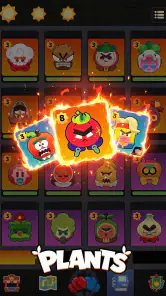
There is a trade-off between quick experimentation and competitive consistency. Trying unusual merges is enjoyable when the outcome does not matter, but it can make the game feel unpredictable if I have not learned what each choice is meant to accomplish. Players who prefer clearly explained systems may want to spend time understanding the available plants before judging the balance. The visual theme is playful, yet the best results still come from disciplined decisions.
I would also be cautious about the long-term effect of optional purchases. A free strategy game can be perfectly enjoyable without spending, but competitive pressure may make paid items feel more attractive after repeated losses. Since individual purchases can be substantial, I would set a personal budget before playing regularly. If the main reason to continue is the hope that spending will remove frustration, I would step away rather than buy impulsively.
Compared with a traditional tower-defense alternative, this game is faster, more opponent-focused, and less suitable for careful puzzle solving. Compared with a typical merge game, it gives merging a more tactical purpose because the result matters inside a live defensive contest. Compared with a larger competitive strategy game, it is easier to learn and quicker to finish, but it offers less room for elaborate long-term planning. Choosing it depends on which of those trade-offs sounds appealing.
I would skip it if I dislike real-time competition, need a completely calm offline-style experience, or want a strategy game where every attempt can be paused and analyzed at leisure. I would also look elsewhere if I am specifically searching for a rich single-player campaign. On the other hand, it is a strong fit for someone who enjoys compact matches, visible tactical mistakes, and the satisfaction of improving a repeatable routine.
My verdict after building a repeatable routine
What kept me interested was not the idea of merging plants by itself. It was the pressure created by having to decide when a merge is actually useful. The game rewards players who can stay organized, read the opponent’s tempo, and turn a small advantage into a finished plan before the short match ends. That gives the cheerful presentation a sharper strategic edge than I initially expected.
My recommended approach is simple: learn the board flow first, check the controls before competitive sessions, make each plant placement serve a purpose, and reserve experimentation for matches where a loss will not bother you. Most importantly, do not mistake constant tapping for speed. The faster player is often the one who recognizes the right action quickly, not the one who performs the most actions.
Shimmer Dream has made a focused strategy game for people who want meaningful decisions without a long appointment. The free price makes trying it easy, and the Everyone rating broadens its audience, while the optional purchase range means I would still play with a clear spending limit. Its current version, 1.0.1014.0, presents a compact experience that is easiest to appreciate on its own terms rather than as a replacement for a full-scale strategy game.
My final recommendation is positive with a specific condition: play it for the tight three-minute contests and the process of refining your habits, not for endless depth or a guaranteed relaxed session. Its real strength is the repeatable decision loop—observe, merge with a reason, respond to pressure, and adapt before the clock runs out. For quick competitive strategy on Android, that is enough to make it worth trying, especially if you enjoy learning from small mistakes instead of needing every match to feel effortless.
Pros
- Quick tower-defense battles that fit well into short play sessions.
- Colorful plant-based visuals make the battlefield easy to read.
- Different plant abilities encourage varied defensive strategies.
- Simple controls are accessible for younger and casual players.
- Progression gives you reasons to return and improve your defenses.
Cons
- Some stages can feel repetitive after the initial learning curve.
- Higher difficulty may encourage repeated upgrades or grinding.
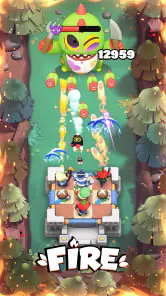
- The screen can become visually busy during large enemy waves.
- Limited strategic depth may disappoint experienced tower-defense fans.
- Performance may vary on older devices during intense battles.

- Category
- Strategy
- Version
- 1.0.1014.0