Once Human
- 2.19K
- 4.2
- Installs
- 1.00M
- Price
- Free

Screenshots
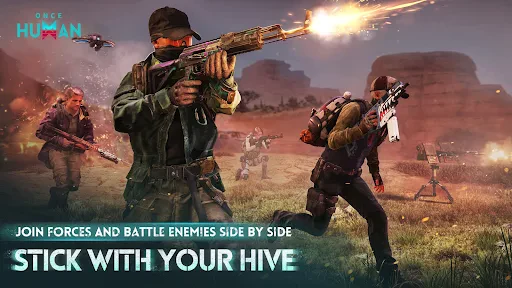
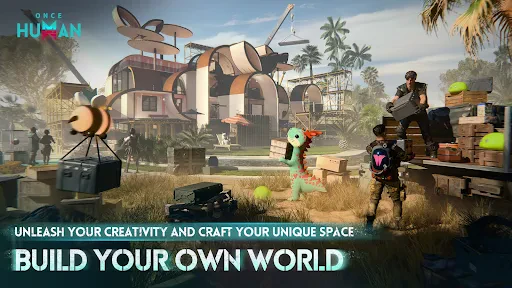
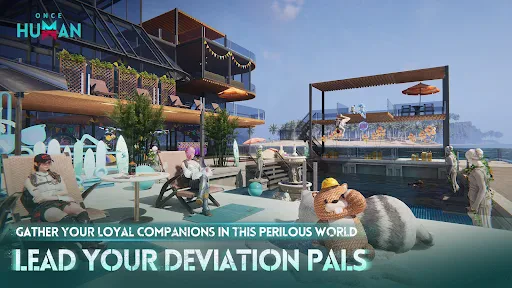
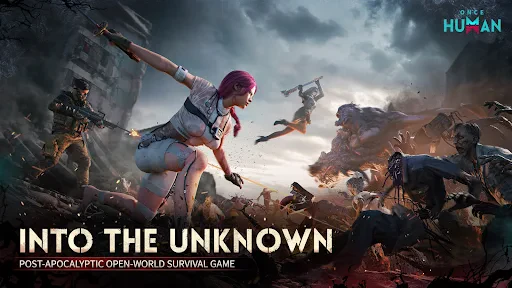
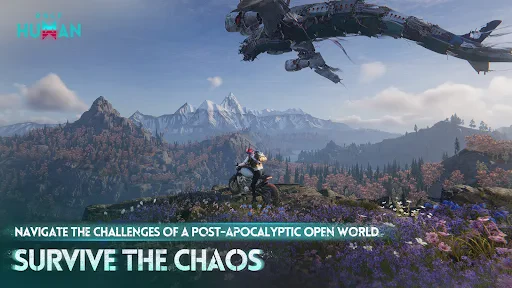
Analysis by Reviewed
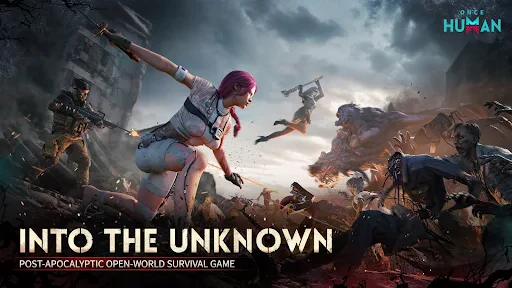
I’d choose a survival game by asking one simple question: do I want to plan around scarcity, or do I mostly want a quick adventure with a clear finish? Once Human is aimed at the first mood. It is a free-to-play adventure game from Exptional Global, built around surviving in a multiplayer world after civilization has fallen. I enjoy that setup most when I have time to explore, gather, and make decisions rather than rush from one fight to the next.
Who will feel at home here
The game suits players who like survival as a series of small judgments: what to collect, what to spend, and when to take a risk. It can also work well for friends who want a shared activity that leaves room for exploring at different paces. If you prefer a tightly directed, mostly solitary story, or want sessions that need little attention, a conventional action adventure may be a better fit. Multiplayer adds company, but it also means the experience is not simply a self-contained solo journey.
A practical way to approach a session
For a short evening session, I would set one modest goal before starting—such as gathering a particular kind of resource or making progress toward a safer base—rather than trying to accomplish everything at once. That keeps exploration purposeful and makes it easier to stop without feeling that I have barely begun. A useful habit in resource-heavy games is to pause before crafting and check whether the item solves an immediate problem or merely consumes materials that may matter later. That kind of restraint is part of the appeal here, not busywork to skip.
It has attracted a sizable audience: the game has more than a million installs and an average rating of 4.2 from around 47,000 ratings. It is free to start, though optional in-app purchases range from $0.99 to $99.99 per item. I would treat those purchases as a reason to decide on a personal spending limit before playing, not as a requirement to enjoy the survival premise. The Teen age rating is also worth checking if you are choosing a game for someone else.
Welcome to the New World
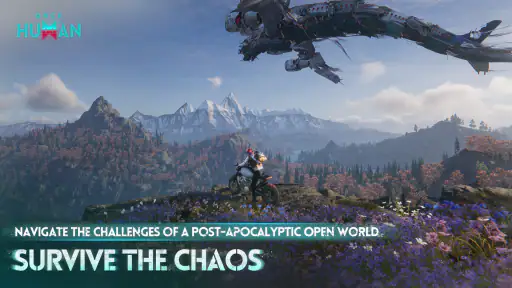
As soon as you dive into Once Human, you're immediately engulfed in a landscape that feels both daunting and exhilarating. The developers have done an incredible job crafting a world that feels alive yet utterly desolate at the same time. From the moment I started playing, I felt like I was truly part of this expansive universe, where every decision could mean the difference between life and death.
The Art of Survival
Surviving in Once Human isn't just about battling enemies or finding food; it's about strategy, resource management, and sometimes sheer luck. The game challenges you to think on your feet and adapt to the ever-changing environment. I found myself constantly strategizing, which kept me on the edge of my seat. Whether it's crafting weapons, building shelters, or scavenging for food, there’s never a dull moment. Resource management truly is key to making it through the day.
Gameplay Mechanics
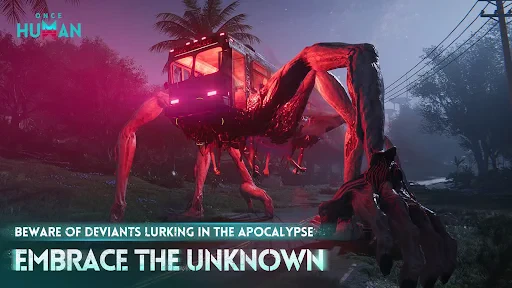
One of the standout features of the game is its realistic gameplay mechanics. The controls are intuitive, making it easy to immerse yourself in the game without constantly fumbling around trying to remember which button does what. The graphics are stunning, bringing every shadowy corner and sunlit meadow to life. I was particularly impressed by the attention to detail in the character designs and the environment, which adds an extra layer of depth to the overall experience.
More From Our News Desk

Weather by Xiaomi Review: Clear at a Glance, Less Clear Up Close

X Under Pressure: Can It Recover When Posting Goes Wrong?

Clash of Clans Is Won Between the Battles

Android Auto Makes the Case for Quieter Car Software

MobiOffice: Transforming Mobile Productivity with Seamless Integration

EA SPORTS FC™ Mobile Soccer: Redefining Mobile Sports Gaming
Community and Multiplayer Features
One of the aspects I truly appreciate about Once Human is its community-driven features. The multiplayer mode allows you to team up with friends or make new ones as you navigate this harsh world together. The sense of camaraderie you get from working together to overcome challenges adds a whole new dimension to the game. Plus, the developers continuously update the game, ensuring that there’s always something new to look forward to.
Choosing it over other survival games
Compared with the usual alternatives, the main decision is whether you want a shared open-world survival loop or a more focused solo campaign. I’d lean toward a single-player adventure if I wanted a fixed narrative and a predictable stopping point; I’d choose this one when roaming and coordinating with other players are part of the fun. Its open-ended feel can be a strength, but it also asks you to supply some of your own goals. Players who dislike gathering and planning may find a more combat-focused action game less demanding.
Small habits that make the loop smoother
I would treat storage and crafting as choices to revisit, not chores to handle automatically. Before a trip, decide what you actually need to bring, then leave room for useful finds; after returning, spend resources with the next outing in mind. When playing with friends, agree on a simple shared objective so everyone is not pulling in a different direction. These are modest habits, but they make a sprawling survival session feel less scattered and help avoid spending a limited play window sorting out what to do.
What to expect before committing
The game launched on April 18, 2025, and version 1.0.12 requires Android 5.0 or later. Its free entry point makes it easy to try, but open-world survival is a bigger time commitment than a short, level-based adventure. I would also avoid assuming that multiplayer automatically makes every session social: it is most rewarding when you have a friend or a clear reason to cooperate, while players seeking a quiet, tightly paced solo experience may prefer another kind of game. The 2.2 thousand written reviews offer one more way to gauge how other players respond, but my recommendation still depends on whether this particular loop appeals to you.
Fitting it into an ordinary week
This is a game I’d save for an evening when I can give it a little attention, rather than open while waiting for a bus or filling a spare minute. A realistic session might begin after dinner: I pick one task, head out to explore, gather what seems useful, then return and decide what is worth keeping or making. If something unexpected interrupts me, the open-ended structure can make it harder to feel that I reached a neat conclusion. That is less of a problem when I treat the session as one leg of a longer journey instead of expecting a complete story beat every time I play.
For a group, it helps to agree on the kind of outing before setting off. One person may want to look around while another is focused on materials or a shared base, and those aims can pull a team in different directions. I’d keep the plan small and flexible: choose a general destination or task, then let discoveries change the route. That gives cooperation a purpose without turning a relaxed game into a checklist. If friends are rarely available at the same time, the multiplayer premise may be less of a draw, so I would try a session alone before deciding that group play is essential.
How it differs from other adventure choices
Against a linear action adventure, the trade-off is freedom for momentum. A directed game usually does a better job of telling me what matters next and when a chapter is finished. Here, I get more satisfaction from setting my own priority and seeing what the world offers along the way. Against a small, quick-play survival title, the broader multiplayer setting is more appealing when I want a continuing place to return to, but it asks for more planning and patience. Neither style is automatically better; the right choice depends on whether I want a clear route or room to make one.
I would also distinguish this from games built mainly around competitive matches. If I want short rounds with a definite winner and little preparation, this is not the obvious pick. Its strongest appeal is the combination of exploration, survival decisions, and the possibility of sharing that process with other people. That means the best comparison is not simply “which game has more action?” but “what kind of evening do I want?” Someone who enjoys setting a goal, adapting when the outing changes, and gradually improving their situation is more likely to value this loop than someone looking for constant, immediate action.
Making sensible choices with resources
One non-obvious way to keep a session satisfying is to separate “useful someday” from “useful for the next task.” It is tempting in survival games to collect anything that might come in handy, but that habit can make decisions feel muddy. I’d choose a near-term purpose first, then let that shape what I gather and craft. When a plan changes, reassess rather than continuing out of habit. This approach makes each trip easier to judge afterward: I can tell whether it helped, instead of ending with a crowded inventory and no clear sense of progress.
The same restraint applies to building and crafting. Before spending materials, I’d ask whether the result solves a current problem, supports a planned outing, or is simply something I want to try. The last reason is perfectly valid, but it is useful to recognize it as experimentation rather than necessity. That small distinction helps avoid frustration if a later need competes for the same resources. It also gives players who enjoy optimization a satisfying layer of decision-making without requiring them to turn every session into an efficiency exercise.
Who may want a different game
I would steer away from this one if my main requirement were a polished, self-contained story that moves forward at a steady pace. It may also be a poor match when I want to play in brief bursts without remembering what I was doing or what I planned to collect. Players who find inventory decisions, scavenging, or long-term goals tedious are unlikely to be won over just because the world is multiplayer. A focused campaign or a straightforward action game would be a better use of their time.
On the other hand, newcomers to survival games do not need to approach it like experts. I’d keep the first goals modest, learn what kinds of resources seem relevant to immediate needs, and avoid spending everything as soon as it becomes available. If a friend already plays, asking them to share one simple objective can make the early learning curve feel less solitary. If not, I’d judge the game by whether exploring and managing a changing set of priorities are enjoyable on their own, rather than assuming that a large world will automatically hold my attention.
Checking the commitment and the cost
The free starting point lowers the barrier to trying it, but it does not remove the need to think about spending. Optional purchases span a wide range, so I’d decide in advance whether I intend to spend anything and stick to that boundary. In-app purchases are especially easy to reconsider when a game becomes part of a regular routine; setting a limit while I’m still deciding whether I enjoy the core loop keeps that choice deliberate. The game can be approached as a free experience, and I would not treat buying items as the price of entry.
Switching to this from another survival game also has a small mental cost: I have to learn its particular rhythm, decide what is worth keeping, and build a sense of what makes a good outing. I would not expect habits from another title to transfer perfectly. Give it a few purposeful sessions rather than judging it by a distracted first login, but do not mistake sunk time for a reason to continue. If the central loop of exploring, gathering, and planning remains a chore, another genre is probably a better fit.
The game is listed as version 1.0.12 and supports Android 5.0 or later, useful details for anyone checking an older Android device before installing. Its Teen rating matters for family decisions, while the audience’s average score of 4.2 across around 47,000 ratings gives a broad sense of reception rather than a promise that every player will like it. I’d weigh those signals alongside the practical question of whether I have the time and appetite for an open-ended survival game.
In conclusion, Once Human is more than just a game; it’s an experience. It’s a chance to test your survival skills in a beautifully crafted world that pushes you to your limits. Whether you’re a seasoned gamer or new to the survival genre, this game offers something for everyone. So, gear up, and get ready to embark on an adventure that’s sure to keep you coming back for more. Trust me, you won’t want to miss it!
Once Human Frequently Asked Questions
Is Once Human free to download, and does it include in-app purchases?
Once Human is free to download, so you can begin without paying an upfront purchase price. The game also offers optional in-app purchases, with items priced from $0.99 to $99.99. If you prefer not to make purchases, check the available purchase controls on your device and decide whether they suit your play habits before starting.
When was Once Human released, and what version is available?
Once Human was released on April 18, 2025, and its current version is 1.0.12. These details can help you identify the game and understand which version you are considering. Before installing, it is sensible to check that your device has enough available space for the download and any updates, and that your operating system meets the minimum requirement.
How popular is Once Human?
Once Human has more than one million installs, an average rating of 4.2, and around 47,000 ratings, alongside about 2,200 written reviews. Those figures suggest that many players have tried the game, while individual experiences can still differ. Reading a selection of recent reviews can help you decide whether its multiplayer survival and open-world focus match what you enjoy.
What kind of game is Once Human, and who developed it?
Once Human is a post-apocalyptic multiplayer open-world survival game in the adventure category. It is developed by Exptional Global and centers on exploring a dangerous setting while facing survival challenges. The open-world and multiplayer focus are central to its identity, so it is aimed at players who enjoy combining exploration with survival gameplay rather than a purely single-player adventure.
What is Once Human and what makes it unique?
Once Human is a survival game set in a post-apocalyptic world where players must navigate through an open world filled with challenges and enemies. Its uniqueness lies in its blend of survival mechanics, immersive storytelling, and striking visuals. Players are tasked with crafting, building, and battling in a dynamic environment, making it a standout title in the survival genre.
Pros
- Stunning graphics and immersive gameplay experience.
- Rich storyline that keeps players engaged.
- Extensive customization options for characters.
- Dynamic weather conditions add realism.
- Large
- open-world environment to explore.
Cons
- Requires high-end devices for smooth performance.
- In-app purchases can be costly.
- Occasional server connectivity issues.
- Complex controls may deter casual players.
- Frequent updates needed to fix bugs.
- Category
- Adventure
- Version
- 1.0.12