Hitman: Blood Money — Reprisal
- 359.00
- 4.3
- Installs
- 1.00M
- Price
- Free

Screenshots
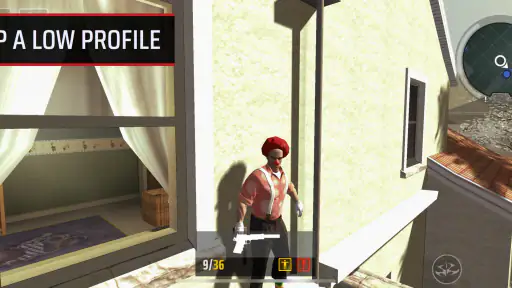
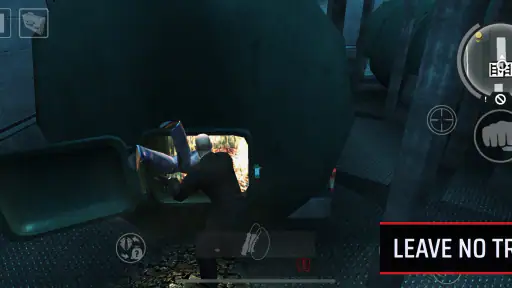
Analysis by Reviewed
I approached Hitman: Blood Money — Reprisal as a mobile action game for players who enjoy planning as much as pulling the trigger. It is a portable version of the assassination sandbox built around Agent 47, and its strongest appeal is the freedom to decide how a mission should unfold. You can move carefully, watch routines, create an opening, and try to leave without turning the whole location into a firefight. That slower, deliberate rhythm makes it very different from the instant action usually associated with phone games.
Developed by Feral Interactive, the game arrived on mobile on November 30, 2023. It is free to download, but the opening mission serves as the trial portion before the full experience is unlocked through one in-app purchase. That arrangement is important: this is not a small free game with optional extras scattered throughout. It gives you a chance to judge the controls, presentation, and pace first, then asks for a single purchase of $14.99 to continue.
After spending time with it, I see it as a particularly good fit for someone who wants a substantial single-player action experience on a phone or tablet rather than a quick session built around repeated taps. It is also a demanding recommendation in one sense: the game rewards patience, observation, and replaying a situation after a mistake. If you want immediate, uncomplicated action, this may feel slow. If you like solving a dangerous situation in your own way, it has much more to offer.
How the mobile version feels in actual play
A measured pace that rewards preparation
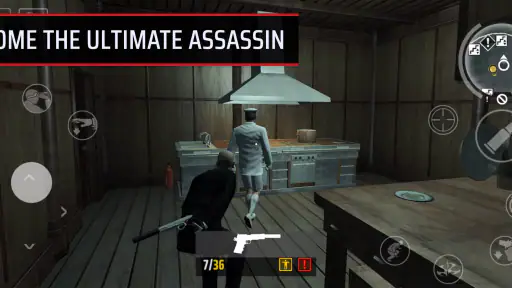
The first thing I noticed is that the game does not treat speed as the main goal. Agent 47 can be dangerous, but rushing into every room usually removes the interesting part of the experience. The satisfying moments come from reading the environment, choosing a route, and deciding whether a disguise, a quiet approach, or a carefully timed distraction is worth the risk.
That makes the perceived speed depend heavily on the player. A confident player who already understands the mission flow can move briskly, while a newcomer may spend a lot of time observing and reconsidering. I prefer that design on a touchscreen because it gives me time to adjust my hands and think about the next input. It also means the game can feel less responsive than an arcade action title even when it is behaving as intended; the tension comes from restraint rather than constant movement.
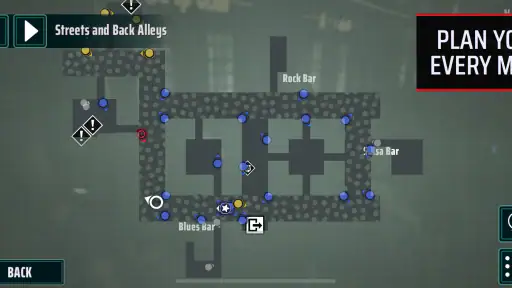
For short sessions, I found it useful to treat each attempt as a small planning exercise. I might play long enough to inspect a target’s surroundings, then stop before committing to the approach. That works well when I have only a little free time, because progress does not require blindly repeating the same attack. The game is more enjoyable when I accept that learning the situation is part of the mission, not wasted time.
Touch controls require a deliberate setup
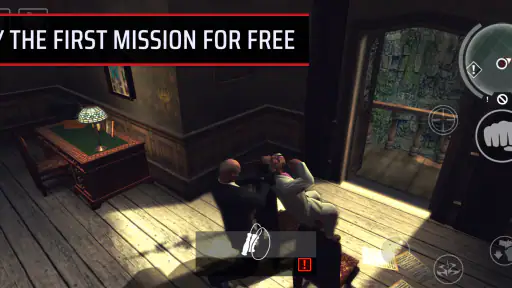
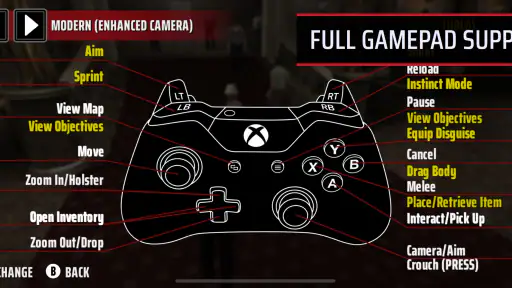
Translating a stealth-action game to a phone is never as effortless as using a controller, and this version asks for a period of adjustment. Movement, camera control, interaction, and combat all compete for limited screen space. My early attempts felt more about learning where to place my thumbs than about making perfect tactical decisions.
More From Our News Desk

Clash of Clans Is Won Between the Battles

Android Auto Makes the Case for Quieter Car Software

MobiOffice: Transforming Mobile Productivity with Seamless Integration

EA SPORTS FC™ Mobile Soccer: Redefining Mobile Sports Gaming

How Microsoft OneDrive Became a Mobile Productivity Giant

How Google Translate Breaks Language Barriers Effortlessly
I recommend beginning with the free opening mission instead of judging the game from screenshots or the first few minutes. Use that section to find a comfortable grip, test how much camera movement feels manageable, and learn when a quick input is safer than a hurried series of taps. A larger phone or tablet gives the interface more breathing room, but it also makes the game less convenient for one-handed play.
The best control habit I developed was to avoid making camera adjustments and movement corrections at the same time unless necessary. Small, calm inputs are easier to recover from than a dramatic swipe followed by an accidental step into danger. Players who usually prefer physical controls may still want a compatible controller if their device and setup support one, but I would not make that an assumption when buying. The free section is the sensible place to discover whether the touch layout suits you.
What happens during busy encounters
The heavier moments are not only about visual activity. A tense situation can involve movement, camera changes, quick decisions, and several possible reactions arriving close together. Those are the points where a touchscreen feels least forgiving. If I panic and start tapping quickly, I am more likely to create a control mistake than to solve the problem.
My practical advice is to plan an exit before beginning a risky action. That sounds obvious, but it changes how the game feels on a mobile device. When the screen becomes busy, I am not trying to invent a route from nothing; I am following a fallback I already considered. This reduces the pressure on the controls and makes failure feel more like a planning error than a technical one.
Another useful approach is to separate exploration from execution. I spend one attempt learning where I can move and what seems suspicious, then use the next attempt to act. That may sound inefficient compared with a direct run, but it saves time when the alternative is repeatedly improvising under pressure. It is one of the reasons the game has more depth than a typical action title designed for very short mobile sessions.
Recovery after mistakes is part of the appeal
Failure does not have to end the experience. In my play, the most useful recovery is often mental rather than mechanical: I remember which decision exposed me, revise the plan, and try again with a different route or timing. That loop feels fair because the game encourages learning the mission instead of simply demanding faster reflexes.
There is a trade-off, though. If you dislike repeating a section after being detected, the stealth structure can become frustrating. A player looking for a forgiving game to play while distracted may not enjoy having to rebuild a careful approach. I found it best suited to focused sessions, even when those sessions were short. Notifications, conversation, or a poor grip can interrupt the concentration that makes the game work.
For everyday use, I could see playing it during a commute or while waiting for an appointment, but only if I had enough uninterrupted time to finish a meaningful attempt. It is not the kind of game I would choose when I expect to stop every minute. A tablet at home is a better match for longer planning, while a phone is convenient for learning, experimenting, and completing a few carefully chosen actions.
Stability matters more than raw visual ambition
Feral Interactive has a reputation for bringing substantial games to mobile, and this release feels designed for people who want a complete console-style experience rather than a simplified imitation. That ambition is part of its attraction, but it also raises the importance of your particular device. I would not assume that every phone will provide the same comfort, especially when a mission becomes visually or operationally busy.
In practical terms, I would watch for three things during the trial: whether the camera remains easy to control, whether the device becomes uncomfortably warm during longer play, and whether the game continues to feel responsive after repeated loading and retries. These are more useful tests than simply asking whether the opening scene looks impressive. A game can appear excellent and still be awkward on a device with limited space, older hardware, or a battery that is already under strain.
I also recommend leaving enough free storage before committing to the full download and purchase process. Large premium-style mobile games are less convenient when the device is nearly full, and removing apps halfway through installation is an avoidable annoyance. I am not treating that as a special requirement of this title; it is simply a sensible preparation step for a game of this scope.
Who should be cautious about device demands
Players with a small screen should think carefully about comfort. A compact phone is wonderfully portable, but the controls and visual information have less room to breathe. If you regularly struggle to see small interface elements or accidentally touch the edge of the display, the trial mission may reveal that limitation quickly.
Battery-conscious players should also test their own routine rather than rely on the free label. The download costs nothing, but extended 3D gameplay can be a poor match for someone who needs a phone to last all day with minimal charging. The sensible compromise is to play at home or during a break when the device can be recharged, instead of treating it like a lightweight puzzle game.
I would skip this release if your priority is a simple, endlessly repeatable action game that works well with one thumb. I would also look elsewhere if you want competitive multiplayer, because the appeal here is the personal process of solving missions. On the other hand, fans of stealth, players who enjoy replaying scenarios, and people who miss deeper single-player games on mobile should give the opening mission a serious trial.
How it compares with more usual mobile action games
Most phone action games make their strengths obvious within seconds: move, aim, attack, collect, and repeat. This one asks for a different kind of attention. Compared with a fast arcade shooter, it feels slower and less immediately accessible, but it offers more room for experimentation. Compared with a casual stealth game, it feels more demanding because the environment and the consequences of a mistake matter more to the overall rhythm.
That difference affects value. The free opening mission is not merely a teaser to click through; it is a useful compatibility check for the controls, the pace, and your device. If you enjoy it, the one-time unlock is easier to understand than a game built around constant small purchases. The price is still a meaningful commitment for a mobile game, so I would only buy after confirming that I genuinely want the full mission-based experience.
The current audience response is encouraging without making the game universally suitable: it holds a 4.3 average from around twelve thousand ratings, with more than a thousand reviews and over a million installs. I read that as evidence of strong interest and generally positive reception, not as a guarantee that the touchscreen controls or performance will suit every player. The most important test remains your own opening-mission experience.
What the free opening mission tells you
I would use the trial in a very specific order. First, play without trying to be clever, simply learning movement and camera control. Next, repeat the situation and test whether you enjoy observing patterns and searching for a safer approach. Finally, try a more ambitious plan and see how comfortable you are when several decisions have to be made quickly.
This method answers the questions that a store page cannot. Do you enjoy the deliberate pace? Can you see the action comfortably? Does your device remain pleasant to hold? Are you willing to retry after a mistake? If the answer to those questions is yes, the full unlock has a clear purpose. If the opening mission feels like work, purchasing more of the same structure will not solve that problem.
It is also worth remembering that the full game is unlocked through a single in-app purchase rather than a collection of separate items. The listed price is $14.99 per item, so I would treat the transaction as buying access to the complete experience, not as a small optional add-on. That makes the decision simple, but it also means there is less reason to purchase impulsively and hope the game eventually becomes enjoyable.
Age rating and the right audience
The mature 17+ rating is a meaningful signal about the intended audience. This is not a family-friendly action game I would hand to a younger player without checking the content personally and considering the rating. Its tone and subject matter are built around assassination and criminal situations, so parents should treat the age guidance seriously rather than viewing the free download as harmless.
For adults, the rating also explains why the game feels more like a serious stealth-action adaptation than a cartoonish mobile diversion. That atmosphere supports the careful pacing, but it may be uncomfortable for players who prefer lighter themes. The game’s identity depends on that darker setting, so I would not recommend it solely because someone enjoys action games in general.
My practical performance checklist
Before buying, I would keep the following routine in mind:
- Play the opening mission long enough to test both careful movement and a stressful encounter.
- Try the game while holding the phone in the position you would normally use, not only while it rests on a desk.
- Check whether the display gives you enough room to control the camera without covering important action.
- Repeat a failed attempt and decide whether learning from it feels satisfying or irritating.
- Leave storage space available and avoid starting a long session when battery life is already low.
These steps do not promise identical results across devices, but they help separate a genuine performance problem from a control habit that simply needs practice. They also prevent a common mistake: buying because the concept sounds appealing, then discovering that the mobile format does not fit your hands or your schedule.
My verdict after weighing the trade-offs
Hitman: Blood Money — Reprisal is one of those mobile games that makes the most sense when you understand what it is not trying to be. It is not a quick arcade shooter, not a one-thumb time filler, and not a carefree game for playing while distracted. Its best qualities appear when I slow down, study an opportunity, commit to a plan, and accept that recovery may require another attempt.
The speed feels appropriate for stealth, though players expecting constant action may find it restrained. Busy moments put more pressure on touchscreen precision than a controller would, and the game’s scale makes device comfort important. The free opening mission is therefore valuable for more than marketing: it gives you a practical way to judge responsiveness, screen space, sustained comfort, and whether the deliberate structure matches your habits.
I recommend it to adults who want a serious, replayable action experience and enjoy solving problems rather than merely clearing enemies. I would recommend a different mobile action game to anyone who wants instant access, minimal concentration, or a lightweight experience that places little demand on the phone. For the right player, the single purchase of $14.99 is a reasonable path from trial to full game; for the wrong player, the free opening mission should make that mismatch clear before any money is spent.
Overall, I found the mobile version most convincing as a portable stealth sandbox for focused sessions. Its performance and control experience deserve a personal trial on your device, but its design has a clear strength: it respects the player enough to let planning matter. If that sounds more appealing than rushing from one target to the next, this is a game I would feel comfortable recommending to a friend.
Hitman: Blood Money — Reprisal Frequently Asked Questions
What is the age rating for Hitman: Blood Money — Reprisal?
Hitman: Blood Money — Reprisal is rated Mature 17+, so it is intended for adult players rather than younger children. Its action revolves around assassination contracts and stealth, which may not suit everyone. If you are choosing a game for a family member, consider the age rating and the game’s subject matter before downloading.
How is the game unlocked, and what does the free download include?
The game lets you play its opening mission for free, then unlock the full experience with a single in-app purchase. This gives you a chance to try the opening before deciding whether to continue. The purchase is listed at $14.99 per item, though the amount charged can depend on the platform and region.
What is Hitman: Blood Money — Reprisal?
Hitman: Blood Money — Reprisal is a mobile adaptation of the classic stealth-action game, redesigned for Android and iOS with updated controls and several modern improvements. You play as Agent 47, completing assassination contracts across detailed locations. The game emphasizes planning, disguises, environmental interaction, and silent execution rather than straightforward shooting, making patience and observation essential to success.
Does Hitman: Blood Money — Reprisal work offline?
The game is primarily designed as a single-player experience and can generally be played without a constant internet connection after installation. However, an internet connection may still be required for downloading the initial files, verifying the purchase, receiving updates, or accessing certain platform services. It is recommended to launch the game online once before traveling or playing in an area with limited connectivity.
Is Hitman: Blood Money — Reprisal suitable for beginners?
Beginners can enjoy Hitman: Blood Money — Reprisal, but the game expects players to learn through experimentation. Missions may feel difficult if approached like a conventional action game, because alarms, witnesses, suspicious behavior, and unnecessary violence can affect the outcome. The improved mobile features help with navigation and planning, while multiple difficulty options allow new players to become familiar with stealth mechanics gradually.
Pros
- Classic stealth gameplay adapted well for touchscreens.
- Multiple ways to complete objectives encourage replayability.
- Improved controls make aiming and movement more comfortable.
- Detailed environments offer plenty of disguises and hiding spots.
- Offline play lets you enjoy missions without an internet connection.
Cons
- Touch controls can still feel awkward during precise actions.
- Some missions have dated visuals and animation quality.
- The game requires significant storage space on mobile devices.
- Difficulty spikes may frustrate players unfamiliar with stealth games.
- Performance can vary between older phones and tablets.
- Category
- Action
- Version
- Varies with device