HeavenBurnsRed
- 158.00
- 4.2
- Installs
- 100.00K
- Price
- Free

Screenshots
Analysis by Reviewed
I approached HeavenBurnsRed as a story-led role-playing game, and that expectation shaped how I enjoyed it. Its appeal is less about squeezing in a quick match than about spending time with a cast and following their journey. I’d recommend it to players who like character-focused mobile RPGs, though it suits a patient mood better than a short, action-only break.
A story worth making room for
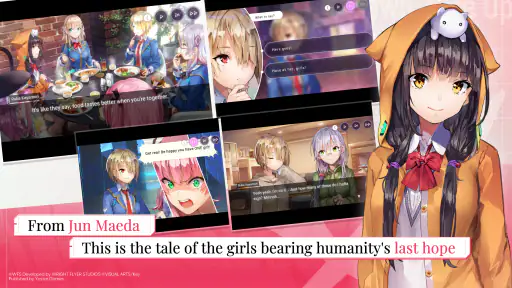
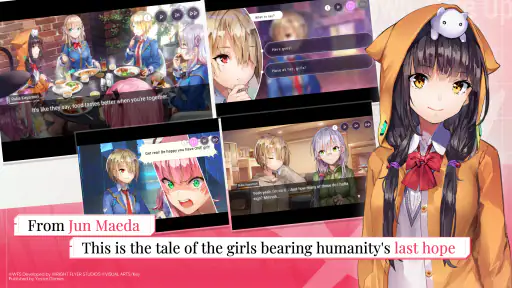
From the get-go, HeavenBurnsRed pulls you into a world teetering on the brink of collapse. It’s not just another post-apocalyptic scenario; it’s a richly detailed narrative that feels almost like stepping into an anime series. The storyline is crafted with a level of depth that’s rare in mobile games, which kept me glued to my screen for hours on end.
Characters are the reason to stay
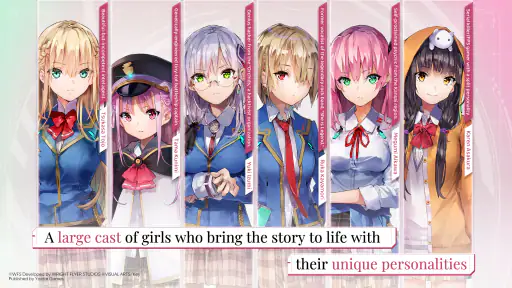
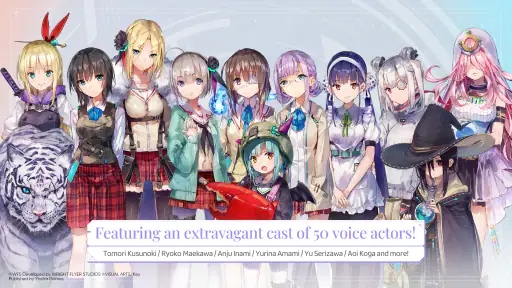
One of my favorite aspects of the game is its ensemble of characters. Each one is uniquely designed, not just in terms of visuals, but with distinct personalities and backstories. It’s like getting to know a group of friends, each with their quirks and personal struggles. As you progress, you really start to care about their journey and root for their success against overwhelming odds.
That character-first approach also affects who will get the most from the game. If you enjoy learning about a group over time, dialogue and personal stakes can be part of the pleasure rather than a pause between fights. If you usually skip story scenes to reach combat, the central draw may feel like something to get through. I’d choose a different mobile RPG if I wanted almost immediate action or a session built around brief, self-contained battles.
Presentation that supports the mood
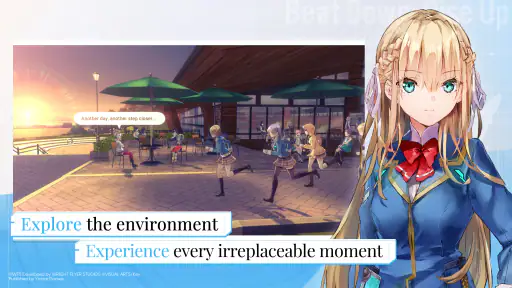
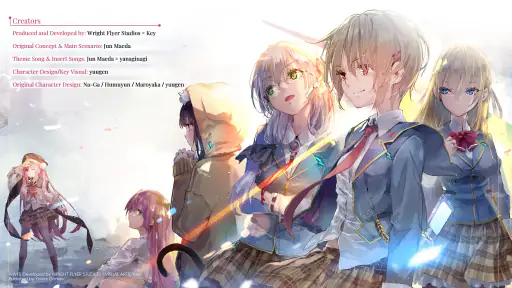
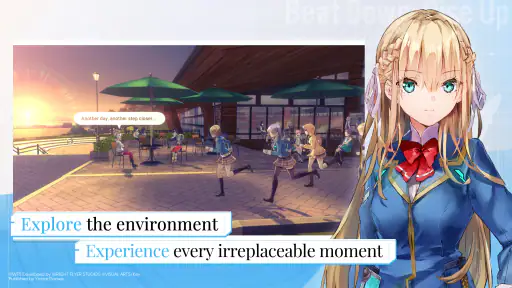
If there’s one thing that sets the game apart, it’s the gorgeous artwork and captivating sound design. The game boasts some of the most beautiful graphics I’ve seen on a mobile platform, with vibrant colors and meticulous attention to detail that bring the world to life. Coupled with an evocative soundtrack, it makes for an immersive experience that’s hard to put down.
That polish is best appreciated when I can give the game my attention: the art and soundtrack help sell the scenes, while multitasking makes it easier to miss their impact. For an everyday use case, I’d save a story session for a quiet commute or a relaxed evening, rather than opening it when I have only a minute between tasks. It’s a useful distinction for anyone deciding whether a narrative RPG fits their routine.
Combat rewards deliberate choices
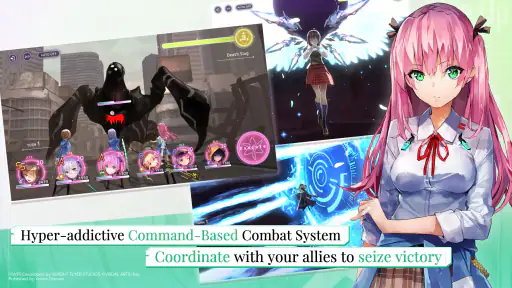
Despite its narrative focus, the game offers robust gameplay mechanics. It’s not just about tapping through dialogues; there’s a strategic layer to combat that adds depth and challenge. I found myself constantly tweaking my strategies, experimenting with different team compositions, and trying out new tactics to overcome tough battles. It’s this blend of storytelling and gameplay that keeps the experience fresh and exciting.
More From Our News Desk

Clash of Clans Is Won Between the Battles

Android Auto Makes the Case for Quieter Car Software

MobiOffice: Transforming Mobile Productivity with Seamless Integration

EA SPORTS FC™ Mobile Soccer: Redefining Mobile Sports Gaming

How Microsoft OneDrive Became a Mobile Productivity Giant

How Google Translate Breaks Language Barriers Effortlessly
The practical lesson is to treat a difficult fight as a planning problem, not simply a cue to repeat the same approach. I’d pause to reconsider the team and the way I was using it before attempting a battle again. That creates a satisfying risk-and-reward rhythm: experimenting can cost time, but a changed plan may be more useful than pushing forward unchanged. The trade-off is that players who dislike retries or tactical choices may find the combat less relaxing than a straightforward casual game.
Where it fits among mobile RPGs
Compared with mobile role-playing games that put quick combat loops or collection at the forefront, this one is easier to recommend to someone who wants story and character development to carry equal weight with battles. That focus is also its main limitation: it asks for attention and patience, so it is not an ideal pick for a player seeking a purely mechanical challenge or a game that feels complete in tiny bursts.
For longer-term enjoyment, I’d judge progress by whether I’m still curious about the characters and willing to adjust my tactics, rather than by trying to rush through everything. When a battle stalls, changing one part of the approach at a time makes it easier to tell what helped. This is a modest but useful way to keep experimentation meaningful instead of making random changes and hoping for a different result.
Making room for the game in an ordinary day
A practical way to decide whether this kind of RPG suits you is to look at the shape of your free time, not just how much of it you have. If you have a calm stretch after dinner, a story-focused session can feel rewarding because you can follow the dialogue and then give a challenging fight some thought. If your phone time arrives in scattered moments while you’re waiting in line, the experience may feel stop-start: you might open the game with a scene in mind and have to put it down before reaching a natural pause.
I’d also separate “I have a few minutes” from “I want a complete session.” A brief check-in can still be useful if you already know what you want to do, but I wouldn’t count on every visit feeling self-contained. That distinction matters for players who prefer games designed around short rounds. The better fit is someone comfortable returning to an ongoing story rather than expecting each launch to deliver a neat beginning and ending.
Planning around difficult moments
When a fight stops feeling manageable, I’d resist the urge to change several things at once. Adjusting one element of a team or one part of the plan gives you a clearer read on whether the decision helped. It also keeps a loss informative: instead of treating it as wasted time, you can use it to decide whether the issue was your setup or simply the need to approach the encounter differently. This is a more patient way to play, but it makes tactical experimentation feel purposeful.
There is a trade-off here. Careful retries can make a win feel earned, yet they can also interrupt the narrative flow if you are eager to see what happens next. I’d take a short break rather than repeatedly pushing through a frustrating encounter when I’m tired. Coming back with a clearer head is often a better use of attention than turning a story game into a test of persistence.
Choosing it over other RPG styles
Many mobile RPGs are easiest to judge by how quickly they deliver a battle, a reward, or a collection goal. This game’s stronger reason to stay is the connection between its characters and the larger story. If that is what you want from the genre, the slower pace can be a feature. If you mainly want a repeatable combat loop that asks little attention to its narrative, a more mechanically focused alternative may be a better match.
It is also worth being honest about what “strategy” means here. The combat gives me choices to consider, but the appeal isn’t simply a succession of isolated tactical puzzles. The story remains a major part of the experience, so a player who wants a game to function almost like a standalone battle simulator may not find the balance they are looking for. I’d recommend it to someone who welcomes both sides rather than treating one as an obstacle to the other.
Practical details before you begin
Developed by Yostar Limited, this free role-playing game is rated Teen and has an average rating of 4.2 from around 2.3 thousand ratings, with over 100 thousand installs. It arrived on October 28, 2024, and version 1.1.7 requires Android 6.0 or later. Those details make it accessible to many Android players, while the Teen rating is worth considering for younger players and families.
The game is free to start, but in-app purchases range from $0.99 to $69.99 per item. I’d recommend deciding on a personal spending limit before playing, especially if you prefer to keep mobile games entirely free. Purchases are optional in the sense that the game can be downloaded without paying, but players who are uncomfortable with in-app offers may prefer an RPG with no purchase options.
For families, the Teen rating is a useful starting point for deciding whether the game is suitable, but I’d still consider the individual player’s comfort with its dramatic setting and story. For anyone managing spending, setting a boundary before the first session is simpler than making a decision in the middle of play. If you want a completely purchase-free experience, that preference alone may point you toward another title.
Occasionally, I encountered some performance issues, particularly during intense battles. But honestly, these were few and far between and didn’t detract from my overall enjoyment. If your phone struggles with visually rich games, that is a sensible reason to try a short session first and see whether the experience feels comfortable on your device.
Who I’d recommend it to
I’d point story-minded RPG fans toward this one if they enjoy following a cast over time and are willing to let character scenes share space with combat. It can also suit someone looking for a more absorbing evening game than a quick distraction, especially if they like thinking through a fight instead of relying on reflexes alone. Its appeal is specific: emotional investment and deliberate play matter more here than getting straight to a rapid sequence of battles.
I’d steer away from it if you routinely skip dialogue, dislike revisiting a fight after a setback, or need every session to fit neatly into a spare minute. It is also not my first suggestion for someone who wants a purely competitive or mechanical RPG experience. Knowing that before installing can save frustration: the slower, story-led approach is a real part of the package, not a small detour before the “main” game begins.
My recommendation
In conclusion, the game is more than just a game; it’s an experience. Whether you’re a fan of rich narratives, stunning visuals, or just looking for something new and exciting, this game offers something for everyone. I found myself completely absorbed in its world, eagerly anticipating what would happen next. It’s a journey well worth taking, and I can’t recommend it enough for those looking to immerse themselves in a beautifully crafted adventure.
My recommendation comes with one clear condition: make sure you want a story-led role-playing game before you commit your time to it. The characters and presentation are the reason I’d keep going, while the tactical choices give battles more weight than a simple pause between scenes. The slower pace and occasional performance roughness are real considerations, but they do not outweigh the appeal for the right player.
If that mix sounds good, I’d give it a try when I can pay attention rather than judging it in the middle of a rushed day. If what you want is instant action, a compact session, or a game built almost entirely around combat, I’d look elsewhere. For a patient player who wants a dramatic journey and is happy to plan around difficult encounters, it is an easy recommendation.
HeavenBurnsRed Frequently Asked Questions
Who developed HeavenBurnsRed, and what kind of game is it?
HeavenBurnsRed is a role-playing game developed by Yostar Limited. Its story and character-focused presentation are central to the experience, so it may appeal to players looking for an RPG with a strong narrative alongside its battles. The game is free to download, with optional in-app purchases available. Its age rating is Teen, which is worth checking before installing, particularly for younger players.
What should I know about HeavenBurnsRed’s cost before downloading?
HeavenBurnsRed is free to download, so you can begin playing without paying an upfront purchase price. It also offers optional in-app purchases, with prices ranging from $0.99 to $69.99 per item. These purchases can affect how much a player chooses to spend, so it is sensible to review purchase settings before handing a device to a child or anyone who might buy items unintentionally.
What is the main storyline of HeavenBurnsRed?
HeavenBurnsRed is a captivating role-playing game (RPG) that revolves around a post-apocalyptic world where humanity faces extinction from mysterious lifeforms known as "Cancer." Players join a group of young girls who pilot weapons called Seraphs to battle these threats. The storyline is enriched with emotional depth and character development, making it a must-play for RPG enthusiasts.
What platforms is HeavenBurnsRed available on?
HeavenBurnsRed is available for both Android and iOS devices, allowing a wide range of players to experience its engaging gameplay and storyline. The game is designed to run smoothly on most modern smartphones and tablets, ensuring that players can enjoy the game without any major technical issues.
Does HeavenBurnsRed offer multiplayer features?
HeavenBurnsRed primarily focuses on single-player gameplay, offering a deeply immersive story-driven experience. While it does not feature traditional multiplayer modes, it provides a community-rich environment where players can discuss strategies and share their experiences online. This aspect enhances the game's replayability and player engagement.
Pros
- Stunning graphics and immersive story.
- Engaging turn-based combat system.
- Frequent updates with new content.
- User-friendly interface and controls.
- Free-to-play with optional purchases.
Cons
- Requires constant internet connection.
- Large file size may limit device space.
- In-app purchases can be expensive.
- Occasional bugs and performance issues.
- Limited character customization options.

- Category
- Role Playing
- Version
- 1.1.7