Fate/Grand Order (English)
- 15.57K
- 4.0
- Installs
- 5.00M
- Price
- Free
Screenshots
Analysis by Reviewed
I came to Fate/Grand Order expecting a character-collecting RPG, but what kept me interested was the way its story gives the battles a larger purpose. The game asks you to help protect humanity by travelling through historical settings, and the turn-based fights sit inside that journey rather than feeling like unrelated stages. That combination is its defining strength: I’m not only building a team, I’m following a cast through a continuing adventure.
That focus also sets expectations. This is a role-playing game for people willing to read and make deliberate choices, not a quick action game to open for a few seconds of button-mashing. I’d recommend it to someone who enjoys character-driven stories and tactical turns, while anyone who wants a compact plot or direct control over which heroes they collect should weigh the trade-offs first.
Engaging Storyline and Characters
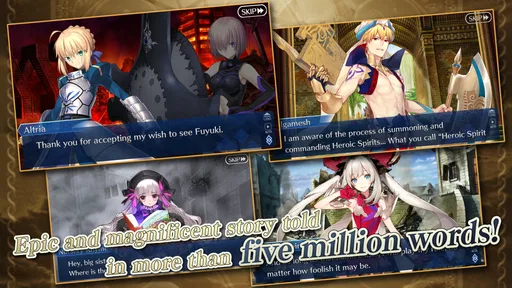
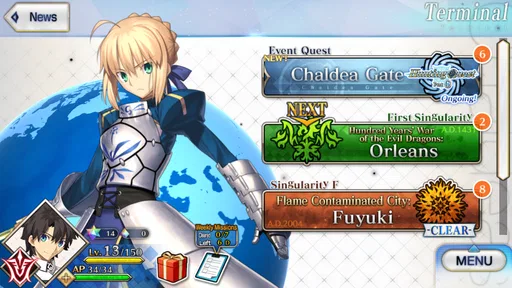
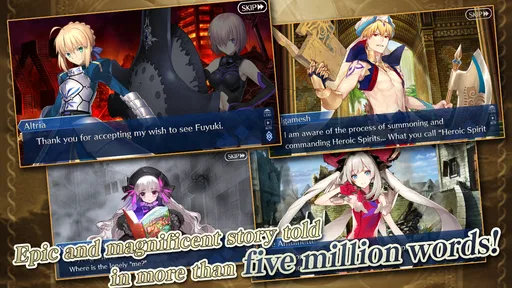
One of the standout features of Fate/Grand Order is its narrative depth. The game plunges you into an intricate storyline that's more than just a backdrop for battles. You’re a "Master" tasked with saving humanity by traveling through various time periods, known as "Singularities," to correct historical anomalies. The writing is top-notch, with twists and turns that keep you hooked. Seriously, it's like being part of an interactive anime series.
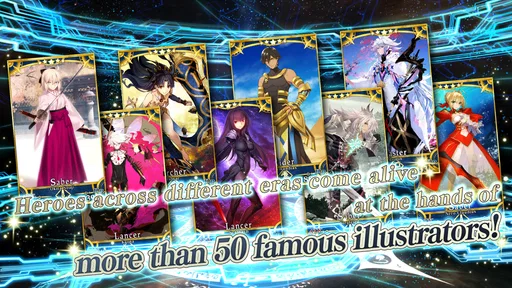
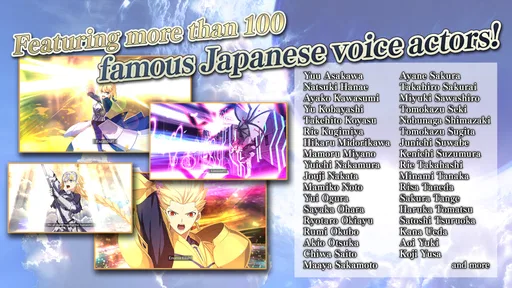
The characters, or "Servants," are drawn from mythologies and histories around the globe. From King Arthur to Medusa, each character is richly developed, complete with their own backstories and unique abilities. The voice acting is stellar, really bringing these legendary figures to life.
For a new player, the practical question is whether the story can hold your attention when you are not already familiar with the Fate universe. I found the central appeal easier to understand than the surrounding lore: the game introduces a cast, gives the journey a clear purpose, and lets character moments build over time. You do not need to approach it as a reference test. Still, someone who wants a short, self-contained story may find the scale and ongoing nature of the adventure less satisfying.
Gameplay Mechanics
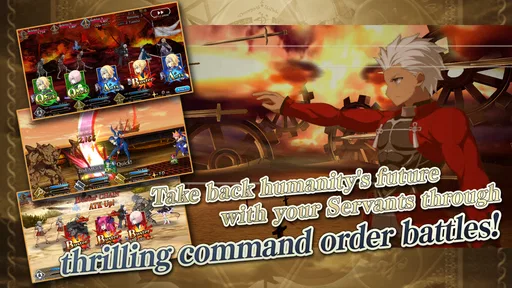
Now, let’s talk gameplay. At its core, Fate/Grand Order is a turn-based RPG. You build a team of Servants, each with distinct classes and skills, and take on enemies in strategic battles. The combat system is straightforward but offers layers of complexity as you progress, requiring you to think critically about your team composition and tactics.
The game employs a "Command Card" system, adding an element of strategy to each encounter. You pick cards to execute attacks, and chaining cards from the same Servant can lead to powerful "Noble Phantasms," which are essentially special moves that can turn the tide of battle.
More From Our News Desk

 Instagram
’s Power Comes From Its Place in Your Phone
A close look at how Instagram turns Meta’s reach, recommendation systems and everyday camera habits into durable platform power—and what that costs users.

 Gmail
Gmail in a Busy Inbox: Who Benefits Most?
From first account to crowded workday, Gmail earns its place through dependable search and flexible sorting—but its best fit depends on how much inbox maintenance you can tolerate.

 Prime Video
Switching to Prime Video: What Changes in Your Viewing Routine
Prime Video can make a compelling second home for streaming, but switching means learning a different catalog, rental layer, and route from browsing to playback.

 Universal TV Remote Control
 Works Best as a Reliable Backup
A phone remote earns its place through quick setup and reliable habits. Here is how to get more from Universal TV Remote Control—and where its limits show.

 Weather - By Xiaomi
Weather by Xiaomi Review: Clear at a Glance, Less Clear Up Close
Xiaomi’s weather app makes everyday forecasts quick to scan, but its calm surface can leave useful details and recovery paths harder to find than they should be.

 X
X Under Pressure: Can It Recover When Posting Goes Wrong?
A resilience-focused review of X, examining setup, mistaken posts, interruptions, weak connections, and the gaps that matter when recovery needs to be dependable.
Latest News



This card choice is the part I would pay attention to if you are trying to make progress without turning every encounter into a routine. A useful habit is to look at the enemy in front of you and decide whether the next turn is about dealing damage or setting up a stronger follow-through. Choosing several cards from one Servant can concentrate an attack, while spreading them across the team can keep more characters involved. That small decision gives familiar turn-based fights a personal rhythm.
It also makes the game a better fit for players who like planning more than reflexes. Compared with action-focused role-playing games, where success can depend on timing and movement, this battle system gives you space to consider your choices. The trade-off is that turns may feel deliberate rather than lively, particularly if you are looking for constant hands-on action. I would play it when I have enough attention to make decisions, not as a substitute for a very brief, mindless distraction.
One practical way I’d approach a difficult stretch is to treat team-building as an ongoing decision rather than trying to make every character equally strong at once. Pay attention to which Servants you actually bring into fights, and focus your effort on a useful core before spreading resources across the roster. That keeps the planning tied to real play: a broad collection is exciting, but a collection you can deploy effectively is more valuable when a battle asks you to think about your choices.
The card system also rewards looking at the whole turn instead of choosing the first appealing attack. If a special move is close, I’d consider whether the current selection can set up a better next turn; if the immediate threat matters more, concentrating attacks may be the sensible choice. This is a small but meaningful distinction from games where a stronger character or faster input solves most encounters. Here, attention to the order and focus of your actions is part of the entertainment.
Addictive Gacha System
Ah, the gacha. It’s both a blessing and a curse. Fate/Grand Order’s summoning system lets you try your luck at obtaining new Servants and Craft Essences. It’s thrilling when you land that 5-star Servant you’ve been eyeing, but it can also be a bit of a wallet-drainer if you’re not careful. The game is generous with in-game currency, but there’s always the temptation to spend real money for extra chances.
The gacha mechanic keeps things exciting and ensures that the game remains fresh, as new Servants are regularly introduced, each with unique skills and storylines.
My strongest practical advice is to decide what spending means to you before opening the summon screen. The game is free to download, but in-app purchases range from $0.99 to $79.99 per item, so a free start should not be mistaken for a guarantee that collecting every character will stay free. If you are comfortable playing with the Servants you obtain naturally, the uncertainty can be part of the appeal; if you feel compelled to chase a particular result, it can quickly become frustrating. I would treat any purchase as optional entertainment, never as a reliable way to secure a specific character.
That distinction matters when comparing it with other role-playing games. Some games put more of their appeal into direct character progression or action combat; here, collecting is closely tied to the excitement and risk of summoning. Players who enjoy building a roster over time may find that loop compelling. Those who want full control over which heroes they use, or who dislike chance-based collecting, are better off choosing an RPG with a more predictable character-acquisition approach.
For me, the healthiest way to engage with the summoning side is to decide what a satisfying session looks like before I start: perhaps enjoying the story and working with the team I have, rather than measuring the evening by whether a particular Servant appears. That mindset matters because a lucky result can feel wonderful, but it is not something a player can plan around. If chance-based collecting tends to make you spend more than intended, I’d skip purchases entirely or pick a game where character access is more predictable.
Visuals and Soundtrack
Visually, the game is a treat. The character designs are beautifully crafted, and the animations during battles are fluid and vibrant. Each Servant’s Noble Phantasm is accompanied by an eye-catching animation that never gets old. The art style captures the essence of each character’s historical or mythological background, making them feel authentic and immersive.
The soundtrack is another highlight, with a sweeping orchestral score that amplifies the epic feel of the game. The music is perfectly synchronized with the action, enhancing the emotional impact of the story and battles.
There is a useful balance here between character presentation and the core routine: the story and battle scenes give the cast personality, while the turn-based structure keeps the focus on team choices. I would not choose the game solely because I need a visually flashy battle every minute; its strongest appeal comes from seeing presentation, story, and combat support the same larger adventure. That makes the style more rewarding for someone who enjoys following characters than for a player who only wants quick bursts of spectacle.
The presentation is most effective when I can give it a little attention. The animated special moves make important attacks feel distinct, but the game’s main attraction is not constant visual novelty; it is the connection between the characters and the story they inhabit. If I’m only looking for a quick burst of spectacle, a more action-led RPG may suit me better. If I want battles to feel like part of a larger narrative, this approach makes more sense.
Community and Events
Fate/Grand Order boasts a thriving community of players who are as passionate about the game as they are about the broader Fate universe. The developers regularly host in-game events, which often tie into the main storyline or introduce new content. These events are a great way to earn rewards and keep players engaged with fresh challenges.
There’s also a social aspect, with forums and fan sites where players discuss strategies, share fan art, and speculate about future updates. It’s easy to get involved and feel like part of a larger fandom.
For an everyday routine, I can see it working well as the game I return to when I have a quiet stretch to read a story scene and think through a few battles, rather than something I squeeze into every spare minute. If I were waiting for an appointment, for example, I would be more likely to make progress through a manageable section than start playing when I had to stop immediately. The central story focus rewards attention, and interruptions can make long stretches of dialogue harder to follow.
An event can give returning players a reason to check in, but I would not let a schedule turn the game into an obligation. If you enjoy following new challenges and comparing notes with other fans, that community side adds context and companionship. If you prefer games that can be ignored for a while without any sense of missing out, approach events at your own pace and focus on the parts you enjoy. The story is the reason I would stay, not pressure to keep up with every conversation or activity.
Where It Fits Into a Daily Routine
A realistic session for me would be settling in after dinner, reading a portion of the story, then taking on a few battles while I have time to focus. That is a better fit than opening it while walking between errands or during a short queue, because the narrative can ask for sustained attention and the combat asks me to make choices. If I only have a moment, I would rather wait than leave a scene halfway through and lose track of its context.
That does not mean every session needs to become a long commitment. I’d set a natural stopping point before starting: finish a scene, complete a battle, or pause after making progress that feels complete. This simple habit helps keep a story-heavy game enjoyable instead of turning play into an endless attempt to catch up. Players who prefer short, instantly resolved rounds may find that a casual puzzle or an action game is easier to fit into fragmented time.
Events are another reason to think about routine. They can give returning players fresh objectives, but I would treat them as optional opportunities rather than a checklist that dictates how I spend every evening. If you enjoy discussing new content with fans, the community can make those moments more rewarding. If you are comfortable playing at your own pace, the main story remains the clearest reason to invest your attention.
Who Should Choose This RPG
I’d point this toward players who like reading between battles, collecting a varied cast, and planning turns instead of relying on reflexes. It can also suit someone new to the Fate setting who is curious about its characters but does not want to study every piece of background lore before starting. The narrative gives the journey its own direction, while the cast provides a reason to care about what happens next.
I would steer away from it if you want a compact story with a tidy endpoint, dislike chance-based character collection, or need an RPG built around real-time action. It is also a less comfortable choice if you tend to feel pressured by recurring events or tempted to spend when a desired character is uncertain. In those cases, a self-contained RPG with direct character selection may be a better match than trying to force this game into a style of play it does not offer.
Fate/Grand Order is a role-playing game from Aniplex Inc. with a 4.0 average from around 107,000 ratings and more than 1 million installs. It is free to play, has a Teen age rating, and version 2.86.0 supports Android 7.0 and later. Those details make it accessible to many players, but the game’s real fit still depends on whether you enjoy its mix of story, turn-based planning, and chance-based collecting.
In conclusion, Fate/Grand Order offers a rich, immersive experience that combines engaging storytelling with strategic gameplay. Whether you're a fan of the Fate series or a newcomer to the universe, there's something here for everyone. Just be cautious with the gacha system—it’s easy to get swept up in the excitement of summoning that elusive Servant. So grab your phone, dive into this epic adventure, and may your summons be ever in your favor!
Fate/Grand Order (English) Frequently Asked Questions
Who developed Fate/Grand Order, and what kind of game is it?
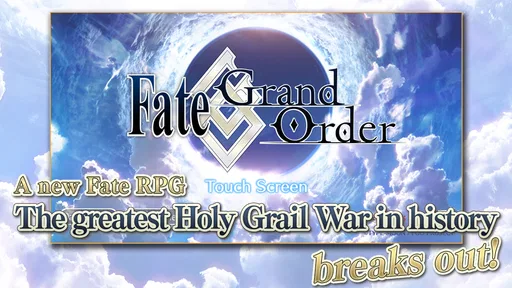
Fate/Grand Order is a role-playing game developed by Aniplex Inc. It centers on a story about taking back the future, with players following a central narrative while building a roster of characters and taking part in battles. If you enjoy story-focused mobile RPGs and the Fate setting, its combination of narrative and strategic combat may be a good fit.
What age group is Fate/Grand Order intended for?
Fate/Grand Order has a Teen content rating, making it more appropriate for teenage players than young children. Its fantasy story includes battles, and the game also offers optional purchases. Families may want to look over the experience together and set clear expectations about spending before a younger player downloads it.
What is the current version of Fate/Grand Order?
The current version of Fate/Grand Order is 2.86.0. Keeping the game updated helps ensure you are using the current release and can access the latest available content. Before downloading or updating, check that your device meets the minimum operating system requirement and has enough free storage for the installation and any additional game files.
How popular is Fate/Grand Order?
Fate/Grand Order has an average rating of 4.0 from around 107,000 ratings, alongside about 16,000 reviews and over 1 million installs. Those figures suggest that it has attracted a substantial mobile audience. Ratings and reviews reflect different players’ experiences, so it can still be useful to consider whether its story-driven role-playing and purchase options suit your preferences.
When was Fate/Grand Order released, and what does it cost to download?
Fate/Grand Order was released on June 24, 2017, and it is free to download. Optional in-app purchases are available, so downloading without paying is possible, while spending is a choice for players who want to buy items in the game. The Teen content rating and device requirements are also worth considering before installation.
Pros
- Engaging storyline with rich lore.
- Diverse roster of characters.
- Frequent events and updates.
- Strategic turn-based gameplay.
- High-quality art and animations.
Cons
- Gacha system can be costly.
- Requires a lot of storage space.
- Time-consuming grind for items.
- Some events favor long-time players.
- Needs constant internet connection.