Escape Giant Obby
- 5.00
- 3.8
- Installs
- 1.00M
- Price
- Free

Screenshots
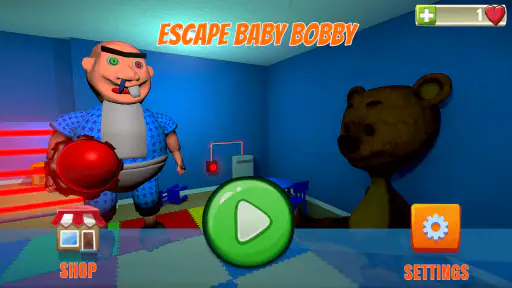
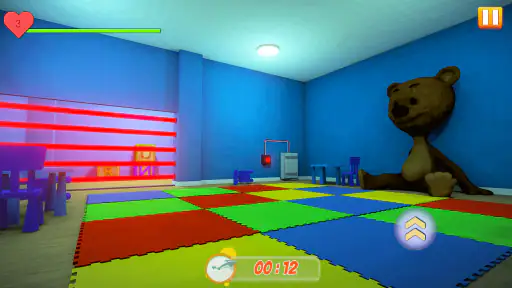
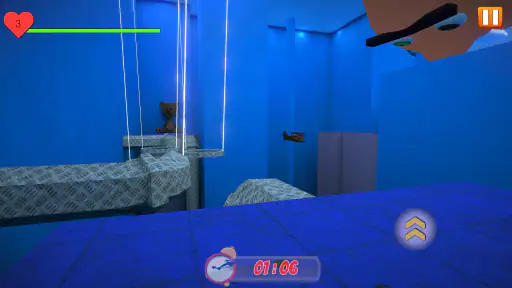
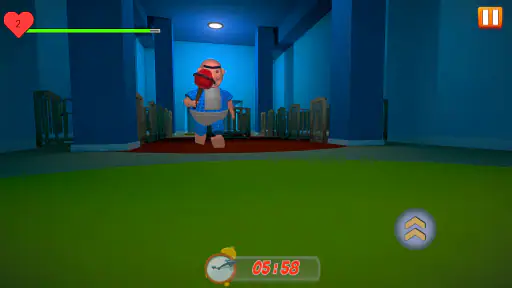
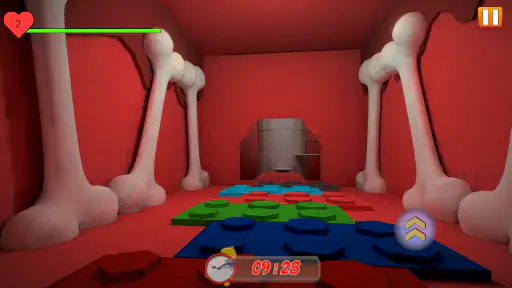
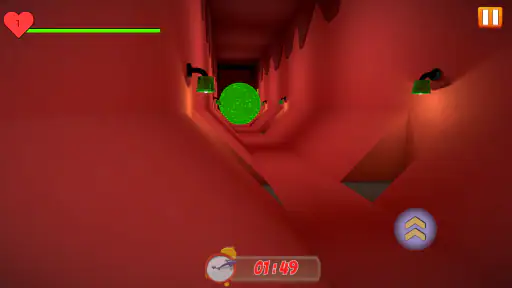
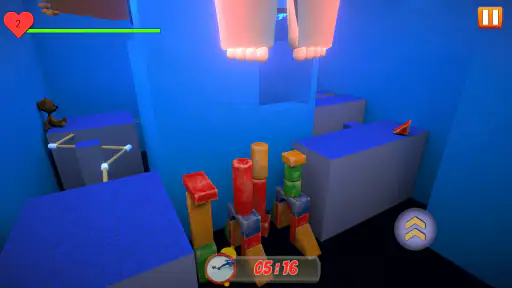
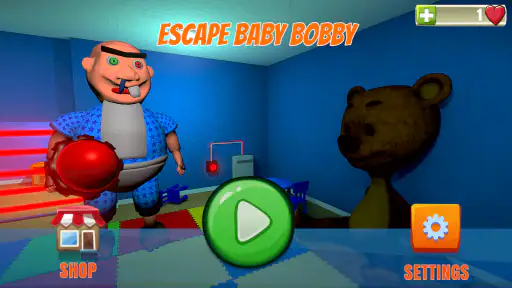
Analysis by Reviewed
I approached Escape Giant Obby expecting a quick, playful challenge, and that is exactly where this trivia game works best. Its central idea is simple: you are placed inside Giant Bobby’s world and must work out how to get away. The appeal comes less from a complicated story and more from the immediate question of what to do next. I found it easiest to enjoy when I treated each obstacle as a small problem to solve rather than expecting a deep adventure.
That focus gives the game a clear identity. It is not trying to be a traditional general-knowledge quiz, and it is not built around a long role-playing campaign. Instead, it combines an escape premise with obby-style thinking, making it a light choice for players who like short bursts of discovery. The free entry point also makes it easy to try without committing to a purchase, although optional in-app items range from $0.99 to $8.99 each.
How the escape challenge feels in practice
My first useful adjustment was to slow down. The setting encourages a rushed reaction because the idea of escaping a giant character sounds urgent, but moving too quickly can make a simple clue or route harder to notice. I started checking the area before committing to a direction, looking for anything that suggested where the next step might be. That small change made the experience feel more like a puzzle and less like random trial and error.
The trivia label is worth understanding before downloading. This is not the kind of game I would choose when I want a large bank of conventional questions with detailed explanations. The challenge is tied to the escape scenario, so the fun comes from connecting what I see with the action that might move me forward. Players who enjoy interpreting a playful environment will probably get more from it than someone looking only for a pure quiz app.
The strongest part of the concept is its accessibility. I could explain the objective to another person in a single sentence, and that matters for a casual game. There is no need to learn a large collection of systems before starting. The premise gives every decision a purpose: find a way out. That direct goal is also why it works well as a short session between other activities.
I also liked the way the giant-character setting gives ordinary movement a little more personality. Even when the task is straightforward, the scale of the environment creates a humorous sense of being outmatched. That tone keeps the experience lighter than a serious survival game. It is a good fit for players who want a cartoon-like escape challenge rather than tension built around frightening imagery.
Small-session strategy that makes a difference
When I played in short sessions, I got better results by choosing one immediate objective at a time. Instead of trying to understand the entire area, I focused on identifying the next reachable point and remembering what had already failed. This avoids repeating the same attempt without learning anything. It is a simple habit, but it turns frustration into progress because every unsuccessful route becomes useful information.
A second tip is to separate observation from movement. I would first scan the available space, then decide whether the next action looked like a jump, a turn, or an interaction. That pause is especially helpful for younger players, who may otherwise tap rapidly and assume the game is being unfair. The game’s appeal depends on noticing possibilities, so patience is more valuable than speed during the first attempt.
For a shared play session, I found that taking turns suggesting the next move could make the game more entertaining. One person can look for a route while another remembers which direction has already been tested. This is a practical way to make a small-screen game feel social without needing a formal multiplayer setup. It also gives children an opportunity to explain their reasoning rather than simply guessing.
Another useful approach is to avoid spending anything until the basic loop has made sense to you. Because the game is free, I would first decide whether the escape format is enjoyable on its own. Optional purchases may be appealing to a player who wants extra convenience or customization, but they are not a substitute for liking the core challenge. Trying the no-cost experience first is the sensible choice for families and cautious players.
Where the game is strongest
The clearest strength is immediacy. Escape Giant Obby does not need a long introduction to communicate its purpose. I knew what kind of problem I was facing almost at once, and that made it easy to return for another attempt. This is a useful quality for a game played during a commute, a break, or a few quiet minutes before bed.
It also benefits from a friendly age presentation. The content rating is Everyone, which makes the premise approachable for a broad audience. I would still expect younger players to need occasional help with reading instructions or deciding between routes, but the overall concept is easy to discuss with them. For parents, the more important question is whether optional purchases are enabled on the device, since the game includes paid items despite being free to install.
The developer, SfantasticGames, has kept the idea focused rather than burying it under unrelated mechanics. That focus is valuable because it lets the escape objective remain the center of attention. I did not feel that I needed to maintain a character build, manage a large inventory, or study a complicated ruleset before enjoying a session. If your ideal mobile game is quick to understand and easy to put down, this simplicity is a genuine advantage.
The game’s public response suggests a mixed but substantial audience. It has an average rating of 3.8 from around 1.5 thousand ratings, alongside more than a million installs. I read that combination as a sign of curiosity and reach rather than universal approval. Many people have tried it, but the middling average also supports my impression that the experience will depend heavily on whether its particular escape-and-obby format matches your taste.
The limitations I noticed
The same simplicity that makes the game approachable can also make it feel thin. If you are looking for a long-form adventure with a strong narrative, varied character progression, or a deep trivia database, this is probably not the right destination. The premise is enough to start a session, but it may not be enough to sustain players who need substantial variety every time they open a game.
I would also be careful about confusing an obby-style escape game with a conventional trivia title. Players downloading it for factual questions may be disappointed if they expect the structure of a quiz competition. Its trivia identity is better understood as part of the problem-solving atmosphere than as a promise of broad academic coverage. That distinction should be clear before installation, especially for adults choosing an educational game for a child.
Another point of friction is the possibility of repetition. Escape games often rely on learning through attempts, and that can be satisfying when each try reveals something new. It becomes less appealing when a failed run feels like repeating the same actions without a clear lesson. I found that taking notes mentally and changing one decision at a time helped, but players who dislike retrying routes may lose patience sooner.
The purchase system is another reason I would approach the game thoughtfully. The title costs nothing to start, but the presence of items priced between $0.99 and $8.99 means the free label does not tell the whole story. I would not make a purchase simply because a particular attempt went badly. First I would check whether the problem was a missed clue, an impatient move, or a route I had not explored carefully. That keeps spending separate from ordinary trial and error.
Version 1.0.3 is the current version, and the game requires Android 8.0 or later. That makes the operating-system requirement important for anyone using an older phone or tablet. Before planning a family download, I would check the device’s software version and available space through the normal app-store process. A game that sounds suitable is not useful if the intended device cannot run it comfortably.
Who should play it
I would recommend Escape Giant Obby to casual players who like compact escape scenarios, visual problem-solving, and the satisfaction of finding a route after a few attempts. It is especially suitable for someone who wants a game that can be understood quickly without a long tutorial. The cartoon premise also makes it a reasonable option for children and parents who want something playful rather than intense.
It can work well in an everyday situation such as a short waiting period. Imagine a child sitting with a parent at a café while an appointment runs late. The child can try to identify the next escape step, while the parent offers suggestions without needing to learn a complex control system. Because the objective is narrow, the session can end naturally when attention shifts elsewhere.
It is also a decent choice for friends who enjoy watching one person play and calling out ideas. The observer can concentrate on spotting possible routes while the player handles the action. That shared guessing turns a modest game into a small conversation starter. I would not describe it as a replacement for a full party game, but it can fill the same kind of informal gap when people want something interactive.
I would tell competitive trivia fans to look elsewhere. A dedicated quiz app is a better choice if you want timed questions, score comparisons, subject categories, or a clear knowledge-based progression. Likewise, players who prefer open-world exploration may find the escape structure too narrow. Those alternatives offer more depth in their respective areas, while this game is strongest when the goal is a quick, themed challenge.
Players sensitive to in-app purchase prompts should also decide in advance how they want to handle optional spending. The safest approach is to treat the free version as a trial and use device-level purchase controls if children will be playing. That is not a criticism of the escape premise itself, but it is a practical part of deciding whether the app fits your household.
How it compares with familiar alternatives
Compared with a standard trivia game, this title gives up breadth in exchange for atmosphere. A quiz app can offer a wider range of subjects and make progress easy to measure through scores. Escape Giant Obby instead asks me to stay engaged with a particular situation. I get less value if I want to test facts, but more personality if I want a themed problem to solve.
Compared with a platform game, it places more emphasis on figuring out what to do than on mastering a large set of abilities. That makes it less demanding for someone who is not comfortable with fast action, although repeated attempts can still test patience. A traditional platformer may provide more precise movement challenges and a richer sense of mastery, while this game is easier to pick up for a casual audience.
Compared with a story-driven escape game, it appears more immediate and less dependent on extended narrative investment. I appreciate that when I only have a few minutes, but I would choose a story-heavy alternative when I want characters, plot development, and a stronger emotional reason to continue. The giant-character premise supplies a memorable hook, yet the hook is not the same as a deep storyline.
That trade-off explains the rating I would give it personally: a focused casual game with a good starting idea, but one that needs to be judged by the right standard. It should not be criticized for failing to be a massive adventure, and it should not be praised as a complete quiz platform. Its success depends on whether its compact escape loop keeps you curious from one decision to the next.
My final recommendation
After spending time with it, I see Escape Giant Obby as a straightforward, approachable escape game with trivia-flavored problem-solving at its center. The Giant Bobby setting gives the experience a distinct personality, and the free starting price removes much of the risk of trying it. I especially value its quick learning curve, its suitability for short sessions, and the way it can become a shared guessing game with a friend or child.
My reservations are equally clear. The experience may feel limited to players who need extensive content, traditional quiz questions, or a detailed adventure structure. Repeated attempts can become tiring if you do not enjoy learning through trial and error, and optional purchases mean families should pay attention to spending controls. Those are not minor details; they determine whether the game feels pleasantly simple or underdeveloped.
My recommendation is to try it as a light escape challenge, not as a full trivia library. If you enjoy examining a playful environment, testing routes, and making progress in short bursts, it is worth installing on a compatible device. If your priority is deep facts, competitive scoring, or a long campaign, a dedicated quiz or adventure game will serve you better. For the right player, this is an easygoing way to turn a few spare minutes into a small puzzle about finding the way out.
Pros
- Bright
- colorful visuals make the obstacle courses easy to follow.
- Frequent checkpoints reduce frustration after difficult sections.
- Simple controls are suitable for younger and casual players.
- Large levels provide plenty of jumps
- traps
- and routes to explore.
- Short stages make it convenient for quick gaming sessions.
Cons
- Some obstacles feel repetitive after several levels.
- Ads may interrupt play
- depending on the device and version.
- Camera movement can make narrow jumps harder to judge.
- Difficulty spikes may appear without much warning.
- An internet connection may be required for some features.

- Category
- Trivia
- Version
- 1.0.3