Bonk Bonk Tribe
- 260.00
- 4.4
- Installs
- 500.00K
- Price
- Free

Screenshots

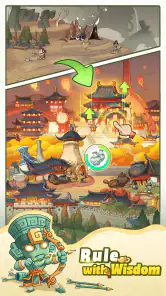
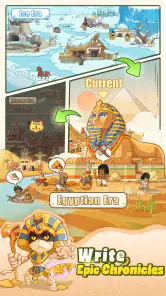


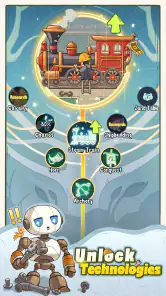


Analysis by Reviewed
I went into Bonk Bonk Tribe expecting a light simulation game built around a simple idea: help a tribe grow, make decisions, and see whether the routine stays interesting after the first burst of curiosity. That expectation is important because the game’s appeal is immediate, while its lasting value depends on how much you enjoy repeating small management choices over time. In my experience, it works best when I treat it as a short, relaxed check-in rather than a game that deserves every spare minute of the day.
Developed by 37GAMES, this free simulation game presents itself as a journey with a playful tribal theme. Its store summary, “A Transcendent Journey,” sounds grander than the everyday experience, which is more grounded in gradual progress and recurring decisions. The short description, “Bonk Bonk Tribe,” captures the unusual tone: it is colorful, approachable, and intentionally a little silly. That personality helps the opening hours feel welcoming, especially if I want something less serious than a traditional strategy simulator.
The game is available for players aged Everyone 10+ and runs on Android devices using version 6.0 or later. It has reached over 500 thousand installs and holds a 4.4 average from around 16 thousand ratings, so there is already a meaningful audience testing the same long-term question I had: does the tribe remain worth returning to once the novelty wears off?
From the first session to a workable routine
The first-week appeal comes from the low barrier to entry. I do not need to understand a dense economic model before making progress, and the tribal presentation gives ordinary simulation actions a bit more character. Early advancement feels rewarding because each improvement is easy to notice. That creates a pleasant rhythm: open the game, inspect what has changed, make a few choices, and leave with the sense that the settlement is moving forward.
That rhythm makes the game a good fit for short sessions. I can play it while waiting for an appointment or during a brief break without needing to reserve an entire evening. Unlike a large strategy title, it does not ask me to memorize a complicated map or maintain several competing systems at once. The trade-off is that the experience may feel too gentle for players who want demanding tactical planning, fast reactions, or a deep simulation of real-world logistics.
One useful habit is to avoid spending every available resource immediately. Early rewards can make constant upgrading feel natural, but keeping a small reserve gives me more flexibility when the next decision is less obvious. I found that this matters more than simply tapping through every available improvement. The game is more enjoyable when I pause long enough to decide whether I am strengthening the tribe’s current position or only chasing the most visible short-term reward.
Another practical approach is to use the first few days as an observation period. Rather than deciding immediately that every feature deserves equal attention, I watch which activities actually change my progress and which ones mainly provide a brief distraction. This prevents the opening generosity from creating unrealistic expectations. A game can feel exceptionally generous during its introduction and still become repetitive later, so I prefer to learn its rhythm before committing money or treating it as a daily habit.
The free entry point is helpful here. I can try the core loop without paying first, which makes the decision easier for cautious players. However, free access does not mean the game is entirely free of commercial pressure. In-app purchases range from $0.99 to $99.99 per item. That wide range is a reminder to set a personal spending limit before the game becomes part of a routine, particularly if progress begins to feel slower after the opening period.
What makes the opening feel different
The strongest early quality is presentation through theme rather than complexity. The tribe gives the game a recognizable identity, and the playful “bonk” concept keeps the tone from becoming another anonymous resource-management exercise. I enjoy that it does not take itself too seriously. That matters when I am looking for a low-pressure game, because a humorous setting can make ordinary progress feel more personal.
Still, the theme cannot carry the whole experience by itself. Once I understand the basic flow, the question becomes whether the decisions remain meaningful. If I am only collecting, upgrading, and repeating the same pattern without having to reconsider my priorities, the charm starts doing too much of the work. My advice is to judge the game by the quality of its choices after the initial excitement, not by the novelty of the tribe during the first session.
For an everyday scenario, I can imagine using it as a small evening ritual. After work, I open the game for a few minutes, review the tribe’s current situation, use the resources that are genuinely useful, and close it before the session turns into aimless repetition. That approach preserves the relaxing part. It also stops the game from expanding into an obligation, which is especially important for a simulation title built around recurring progress.
What remains after the first month
Month-to-month value depends on whether gradual progress is satisfying enough without constant novelty. I usually divide games like this into two categories: those I return to because each visit presents a fresh decision, and those I return to only because I feel I should collect something. Bonk Bonk Tribe is more appealing when I play with a small personal goal, such as improving one aspect of the tribe before moving to another. Without that goal, the routine can become mechanical.
The game’s simulation category sets a particular expectation. I want my choices to feel connected, not like isolated buttons that produce rewards without consequences. When I plan a session, I get more value by considering the next few visits rather than trying to maximize one moment. A measured upgrade can be better than an impressive-looking one if it keeps my future options open. This is a subtle distinction, but it is what separates a pleasant management game from a simple reward dispenser.
A useful monthly workflow is to review progress before making purchases or upgrades. I ask myself three questions: what is currently slowing the tribe, which improvement will help more than once, and whether I am investing in a real problem or reacting to a flashy reward? That short pause reduces waste and gives the simulation more structure. It also helps me notice when I am playing out of habit rather than enjoyment.
The game is likely to suit players who enjoy incremental systems, light planning, and a whimsical setting. It is less suitable for someone who needs a strong narrative conclusion or a constantly changing challenge. Compared with a conventional city-building simulator, this experience feels easier to enter and less demanding to maintain, but it may not offer the same sense of detailed control. Compared with an action game, it is slower and more deliberate, with satisfaction coming from accumulation rather than reflexes.
That comparison also explains who should skip it. If I want a game that rewards a long uninterrupted session, Bonk Bonk Tribe is probably not my first choice. Its strengths are better suited to brief visits. Players who dislike waiting for progress, repeating familiar actions, or managing resources under a light commercial model may find the month-to-month loop thin. A deeper strategy title would be better for someone who wants every decision to create a visible chain of consequences.
Keeping progress enjoyable instead of automatic
The main long-term tip is to vary the purpose of each session. One visit can focus on improving the tribe’s immediate condition, while another can be used to prepare for a future objective. Even if the game’s available actions are familiar, changing my reason for opening it makes the routine feel less like maintenance. I also avoid playing simply because a notification or reward is available. If I am tired, skipping a session is healthier than turning a relaxing game into another task.
I would also recommend separating free experimentation from paid acceleration. The free version gives enough room to decide whether the core loop suits me. If I ever consider an in-app purchase, I would first ask whether it adds enjoyment or merely shortens a wait. That distinction is especially important with a price range that reaches $99.99 per item. Spending can be reasonable for a game I use regularly, but it should support a satisfying routine rather than compensate for one that has already become dull.
The current version is 2.5.5, which gives prospective players a clear point of reference when checking compatibility and updates. I would still approach any long-term game with flexible expectations: a version number tells me where the app is now, but my own enjoyment depends on whether the current loop continues to offer worthwhile choices. The best test is simple. After a week, do I look forward to opening it, or do I feel relieved when I close it?
Where fatigue begins to show
The biggest source of fatigue is repetition without a strong personal objective. A simulation game can be simple and still remain compelling, but it needs either meaningful trade-offs or enough variety to keep familiar actions from feeling empty. When I stop making decisions and start following a routine automatically, the tribal theme loses some of its effect. That is not a failure for every player; some people specifically want a calm background game. It is a limitation for anyone seeking constant discovery.
Another point of friction is the tension between patience and acceleration. Free progression feels more comfortable when I accept that the game is meant to be checked periodically. The experience becomes less pleasant if I treat every delay as a problem that must be solved immediately. This is where the purchase system can influence the mood. I prefer to decide in advance that I will play at the game’s natural pace, then regard optional spending as a convenience rather than a requirement.
The game can also compete with other mobile simulations that offer more visible complexity. A detailed city builder may provide a larger sense of ownership, while a management game focused on production chains may make optimization more demanding. Bonk Bonk Tribe has an advantage in approachability, but that same accessibility can limit its appeal for experienced simulation players. I would choose it for a friendly, low-pressure tribal setting, not for the deepest management challenge available on mobile.
There is also a maintenance burden that is easy to underestimate. A recurring game asks me to remember what I was building toward, monitor resources, and decide whether today’s visit is worthwhile. None of those tasks is difficult alone, but together they can make the game feel like a small appointment. My solution is to keep sessions bounded and to stop when I have completed the meaningful decision for that visit. I do not try to extract every possible reward, because doing so makes the game feel more like administration than play.
For families, the Everyone 10+ rating makes the game a more approachable option than many combat-heavy or mature simulations, but I would still explain the in-app purchase system before letting a younger player use it freely. The important conversation is not only about the game’s theme; it is about recognizing that optional items can cost from $0.99 upward. Clear limits protect the experience from becoming an accidental spending exercise.
My long-term verdict
After looking beyond the first-week charm, I see Bonk Bonk Tribe as a pleasant companion game rather than an all-purpose simulation. Its strongest use is as a short, recurring activity for players who enjoy watching a tribe develop through manageable decisions. The playful setting gives it more personality than a bare progress tracker, and the free starting point makes it easy to test without a commitment.
Its lasting value is conditional. I would keep it installed if I enjoyed checking in a few times a week, setting small goals, and accepting a slower pace. I would remove it if I found myself opening it only to clear routine tasks or feeling pushed to accelerate progress. That distinction matters more than the 4.4 average or the size of its audience, because a game can be broadly liked and still not fit my personal habits.
My final recommendation is therefore fairly specific: try it if you want a light simulation with a humorous tribal identity, especially if you prefer short sessions over intense play. Give it enough time to reach the ordinary routine, then judge the repetition honestly. Do not spend until the free loop has proved that it belongs in your week. If the small decisions continue to feel satisfying, the game can earn a modest but lasting place on your phone. If the novelty fades and nothing replaces it, a deeper city builder or a more demanding strategy game will serve you better.
In my view, Bonk Bonk Tribe succeeds when I let it remain small. It does not need to dominate my attention to be worthwhile. Its best quality is the ability to turn a few minutes into a gentle sense of progress, while its main weakness is that the same routine can become visible once the theme stops feeling new. The real test is not whether the tribe grows, but whether I still care about the next decision.
Pros
- Simple controls make it easy for new players to start quickly.
- Short matches suit quick gaming sessions on mobile devices.
- Bright visuals give the tribe-themed gameplay a playful atmosphere.
- Progression rewards encourage regular play and continued exploration.
- The casual format works well for players seeking low-pressure entertainment.
Cons
- Gameplay may feel repetitive after extended sessions.
- Some upgrades can require considerable time or repeated actions.
- The small-screen interface may feel crowded on certain devices.
- Limited depth may disappoint players looking for complex strategy.
- Performance can vary on older phones or tablets.

- Category
- Simulation
- Version
- 2.5.5