Bingo Country Boys: Tournament
- 1.01K
- 4.2
- Installs
- 100.00K
- Version
- 1.601.885
Screenshots

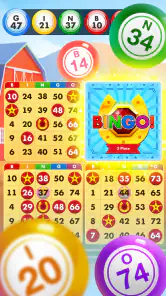




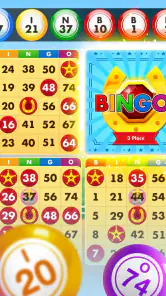

Analysis by Reviewed
I approached Bingo Country Boys: Tournament as a quick-play board game rather than as a deep strategy title, and that distinction matters. Its country-themed presentation gives ordinary bingo a more playful identity, while the tournament framing adds a reason to keep returning instead of treating every round as a completely separate activity. I found it easiest to enjoy when I wanted something light, familiar, and easy to understand without committing to a long session.
The game is free to download and comes from Playcus Limited. It belongs to the board-game category, carries an Everyone 10+ content rating, and runs on Android devices using version 7.0 or later. Its average rating is 4.2 from around 5.9 thousand ratings, with more than 100 thousand installs, so it has already attracted a sizeable audience without feeling like an obscure experiment.
How to decide whether this bingo game suits you
The first question is what you want from mobile bingo. If you enjoy the familiar rhythm of watching numbers appear, marking matching spaces, and hoping your card develops at the right pace, this game is easy to approach. You do not need to learn a complicated ruleset before playing. The country-boys theme supplies the personality, while the bingo format does most of the work.
I would judge it using four practical criteria: how quickly a round gets you involved, whether the tournament structure gives your sessions a sense of purpose, how comfortable you are with chance-driven progress, and how you feel about optional spending. Those points are more useful than judging the game only by its cheerful artwork or its short store description.
It is particularly suitable for players who like casual board games but do not want a traditional tabletop match that requires other people to be available at the same time. I can imagine opening it during a short break, playing while waiting for an appointment, or using it as a relaxed evening distraction when a more demanding game sounds tiring.
It is less suitable if you are looking for a game where every result comes mainly from planning. Bingo naturally includes luck, so even a careful player cannot fully control the outcome. The tournament setting can make that uncertainty feel exciting, but it can also feel frustrating when a strong-looking card does not develop in your favor.
The first sessions: simple rules, familiar rhythm
The main strength of the opening experience is accessibility. Bingo is recognizable enough that most players can begin without reading a long tutorial. That makes the game friendlier than many board titles that introduce several resources, special actions, or layered menus before the first meaningful turn.
In my experience, the best way to evaluate it is not to judge the first few minutes alone. The initial novelty comes from the western-style theme, but the longer-term question is whether you enjoy the repeated pattern of rounds. If you already like bingo, the presentation gives you a reason to try this version. If you do not enjoy bingo itself, the theme may not be enough to change your mind.
There is also a useful mental distinction between playing for relaxation and playing to optimize progress. For relaxation, the straightforward format works well. You can focus on the visual flow and the anticipation of a possible match. For optimization, I would pay closer attention to how the tournament goals shape your choices and whether the rewards justify the time you are putting in.
Why the tournament framing matters
The tournament idea gives the game a stronger sense of direction than an endless sequence of disconnected bingo rounds. Instead of opening the app with no particular reason, I found it more natural to think in terms of making progress through an ongoing challenge. That small change can make a familiar format feel more purposeful.
Still, a tournament label does not automatically turn bingo into a competitive strategy game. The core experience remains chance-led. I would not choose this title expecting the kind of deliberate decision-making found in a classic board game built around positioning, resource management, or negotiation. Its competition is better understood as a motivating layer around bingo than as a replacement for those genres.
A practical tip is to decide before starting whether you are playing for a quick diversion or trying to make meaningful tournament progress. Those are different expectations. The first makes an ordinary round satisfying on its own; the second can make a disappointing result feel more significant. Keeping that distinction in mind helps prevent the game from becoming more stressful than it needs to be.
Where Bingo Country Boys: Tournament stands out
The most obvious advantage is its combination of a familiar board-game format and a distinctive theme. Many bingo games can blur together because the basic rules are so recognizable. Here, the country setting gives the presentation a clearer identity, and the title’s playful tone makes it feel less like a plain number-calling utility.
I also like that it can serve different levels of attention. You can approach a round casually, enjoying the anticipation without treating every move as a major decision. Alternatively, you can pay closer attention to the tournament context and use each session as part of a broader personal goal. That flexibility is valuable on mobile, where the same person may want a different kind of interaction at different times of day.
Its real strength is low-friction entertainment with a recognizable objective. You do not have to build a complicated mental model before understanding what you are trying to do. That makes it a good recommendation for someone who wants a board game that can be explained in one sentence and enjoyed without a large time investment.
A good fit for short, interrupted play
One realistic use case is a player with several small gaps in the day rather than one long block of free time. Suppose I have ten minutes before leaving for work, then another short wait later in the afternoon. A bingo game is easier to return to than a strategy title that requires remembering a detailed position or planning a sequence several turns ahead.
The same quality helps households with different schedules. One person can play casually without needing to coordinate a full match with friends. That makes it more convenient than a traditional board game when everyone is busy, although it naturally loses the face-to-face conversation and shared table experience that physical bingo can provide.
My advice is to treat it as a pocket-sized pastime rather than a replacement for social gaming. If you want conversation, bluffing, or direct interaction with people you know, a physical game or a more explicitly multiplayer alternative may be more rewarding. If you want a solo-friendly way to fill short pauses, this format makes more sense.
Theme and familiarity work together
The country-boys concept is not just a decorative label from my perspective. It gives the game a warmer, more characterful mood than a bare numerical interface. That matters because repeated bingo rounds depend partly on atmosphere. A theme cannot fix a format you dislike, but it can make a familiar format feel more inviting when the underlying play already suits you.
The store summary uses a playful country slogan, and the overall tone follows that lighthearted direction. I would expect the theme to appeal most to players who enjoy cheerful, slightly theatrical mobile games rather than minimalist board interfaces. If you prefer a serious or traditional presentation, the same styling may feel less appealing.
One non-obvious trade-off is that a strong theme can raise expectations. When a game presents itself as a tournament with a recognizable identity, I naturally look for a feeling of progression and occasion. If I only want plain bingo, the extra framing may seem unnecessary. If I want a more engaging wrapper around bingo, it becomes one of the reasons to choose this title.
Free entry, but a paid economy deserves attention
The game is free, which lowers the risk of trying it. That is important for casual players who are unsure whether the country theme and tournament structure will hold their interest. You can begin without paying an entry price, then decide whether the experience deserves more of your time.
In-app purchases range from about two dollars to around 100 dollars per item. That is a wide spread, and it is the main reason I would recommend setting a personal spending boundary before becoming invested in tournament progress. A free download can still create pressure to spend if progress, convenience, or competitive momentum starts to feel important.
I would not install it with the assumption that paying is necessary. Instead, I would first play enough to understand the natural pace and decide whether the free experience is enjoyable by itself. If the game only feels satisfying when purchases enter the picture, that is a sign to step back rather than automatically treating spending as part of the normal cost.
This is also where the game differs from a paid board-game app. A premium title usually asks for money at the beginning and then offers a more predictable cost structure. This one removes that initial barrier but places more responsibility on the player to manage optional purchases. Neither approach is automatically better; the right choice depends on whether you prefer a clear upfront payment or a free trial with a variable spending risk.
Where another type of game may fit better
Although I enjoyed the easygoing format, I would not recommend it to everyone who searches for a board game. Players who want meaningful control over every outcome may be happier with chess, checkers, digital versions of classic strategy games, or a modern board title based on planning. Those alternatives can make skill and decision quality feel more central than luck.
Players who mainly want social interaction should also compare it with games built around direct rooms, conversation, or playing with a known group. Bingo Country Boys: Tournament is convenient for solo-style sessions, but convenience is not the same as the warmth of sitting around a table with family or friends.
There is a third group that may prefer a simpler bingo app: people who want the most traditional possible presentation. The country theme and tournament framing are part of this game’s identity. If you want a plain, quiet interface with minimal decoration and no sense of an ongoing contest, a more basic alternative may be a better match.
On the other hand, players who find ordinary bingo too bare may appreciate this version precisely because it adds atmosphere and a goal-oriented layer. The choice comes down to whether you see those additions as motivation or as clutter. I would make that decision based on your preferred mood, not on the category label alone.
Luck, repetition, and the question of long-term appeal
The central limitation is built into bingo: repetition can become noticeable. The first sessions benefit from familiarity and anticipation, but long-term enjoyment depends on whether you like repeating that cycle. The tournament structure helps give the cycle context, yet it cannot remove the underlying reliance on chance.
I would therefore avoid promising yourself that this will become a daily habit before trying it. A better approach is to use it in short bursts and notice how you feel after several rounds. If you remain interested in the next tournament objective, the format is probably working for you. If you start feeling that every session is the same, switching to a more decision-heavy board game may be the smarter choice.
Another useful insight is that bingo rewards patience more than aggressive decision-making. Since you cannot force every desired number to appear, the healthiest way to play is to focus on the round you are in rather than treating each result as proof that you are playing correctly or incorrectly. That mindset makes the game more relaxing and reduces the temptation to chase progress through purchases.
Device and audience considerations
The Android requirement is modest: the game supports devices running version 7.0 or later. That makes it accessible to people who are not using the newest phone, although the actual comfort of play will still depend on screen size, battery condition, and how smoothly your particular device handles the app.
The Everyone 10+ rating makes it broadly approachable, but I would still consider the spending model when deciding whether a younger player should use it independently. The game itself is easy to understand, yet optional purchases can be a separate household concern. For family use, I would agree on a spending rule before handing over the device.
The current version is 1.601.885. When installing, I would check that the device has enough room and that the operating system meets the requirement, especially on an older phone. These are simple checks, but they prevent the common disappointment of choosing a game that the device cannot comfortably run.
What switching from another bingo game really involves
If you already play a different bingo title, moving over is not difficult at the rules level. You already understand the basic rhythm, so the real adjustment is emotional and practical: learning whether this theme, tournament structure, and spending approach suit you better than what you currently use.
The cost of switching is mainly the loss of familiarity. You may need time to understand how progress feels here, where the tournament goals sit in your routine, and whether the presentation keeps you interested. I would not abandon a game you genuinely enjoy just because this one has a more distinctive theme. Instead, use both briefly if your device and schedule allow it, then compare which one you open naturally.
A sensible switching workflow is to begin without making a purchase, play during the same kind of short sessions you normally use for bingo, and note three things: whether the rounds feel satisfying on their own, whether the tournament gives you a useful reason to return, and whether the free experience feels comfortable without spending. Those answers tell you more than a feature checklist.
Switching from a traditional physical bingo experience is a different decision. You gain convenience and solo access, but you lose the shared atmosphere of calling numbers with other people. I would choose this mobile version for portability, not because it recreates the social feeling of a room full of players.
Switching from a strategy board game is also worth considering carefully. You may enjoy the lighter pace, but you should not expect the same sense of authorship over the result. This is a game for anticipation and repeated attempts, not for building a long plan and seeing it succeed through precise execution.
My recommendation after weighing the trade-offs
I recommend Bingo Country Boys: Tournament to players who already like bingo or who want a friendly, themed board game for short sessions. The free entry makes it easy to test, the country presentation gives it more personality than a generic number-marking game, and the tournament framing can make repeated rounds feel more purposeful.
I would recommend it most strongly to casual players who value accessibility over deep strategy. It works well when you want something that can be picked up quickly, played without coordinating with friends, and put down without losing a complicated train of thought. That is a clear and useful role for it.
I would be more cautious with players who dislike luck, repetition, or optional purchase systems. For those users, a premium strategy board game or a more social alternative may deliver better value, even if it lacks the country theme. The fact that this game is free should not persuade you to overlook a mismatch with your preferred style.
My practical recommendation is to install it, play several free sessions, and decide based on the feeling of returning rather than the excitement of the first round. Keep spending optional, set a limit before tournament progress becomes emotionally important, and use it as a compact diversion instead of demanding endless depth from it.
Overall, I see it as a cheerful mobile bingo choice with a clear audience. It does not replace strategic board games or the social energy of physical bingo, but it does not need to. For someone who wants familiar rules, a playful country identity, and a tournament-shaped reason to keep playing, Bingo Country Boys: Tournament is worth trying for free.
Pros
- Fast-paced bingo rounds keep matches engaging and easy to replay.
- Tournament events add competitive goals beyond standard bingo games.
- Bright country-themed visuals give the game a cheerful
- distinctive style.
- Simple controls make it accessible for casual players of all experience levels.
- Regular rewards can help maintain progress without requiring long play sessions.
Cons
- Progress may become slower when boosters or extra resources run out.
- Competitive rankings can favor players who spend more on in-game items.
- Repeated rounds may feel similar after extended play.
- A stable internet connection may be needed for tournaments and live features.
- Frequent reward prompts and purchase offers can interrupt the gameplay flow.