Bad North: Jotunn Edition
- 1.11K
- 4.3
- Installs
- 100.00K
- Price
- $3.99
Screenshots
Analysis by Reviewed
I judge a strategy game by the choices it asks me to make when there is no perfect answer, and that is where Bad North: Jotunn Edition won me over. It puts you in charge of defending small islands from Viking attacks, but the real test is deciding where your troops can do the most good before the next threat arrives. It is a focused, real-time strategy game with a roguelite edge, not a sprawling campaign built around endless menus.
What your decisions are really about
Each defense makes me weigh position against flexibility. A squad sent to cover one approach may leave another exposed, while moving everyone toward the most obvious danger can create a gap elsewhere. The islands’ changing layouts matter because a plan that felt safe on one battlefield may not transfer neatly to the next. I’ve found it helps to scan the whole island before committing, then ask which threat would be hardest to answer if my first move goes wrong.
That short planning pause is useful even when the action feels urgent. Instead of treating every wave as a single target, I look for the approach that could put the most pressure on my defenses and keep a response available for it. Good positioning is more valuable than frantic repositioning: once troops are committed, correcting a mistake can cost the space or time needed to handle another group.
How risk changes the way I play
The permanent loss of a commander gives ordinary decisions lasting weight. A risky defense might save the island, but losing a commander can leave you with fewer options later. I’m more willing to accept a narrow escape than to gamble a valuable unit for a cleaner-looking victory. That trade-off is central to the appeal: the game makes survival feel earned, but it can also make a single misread sting.
When I’m unsure, I try to avoid putting every available strength into the first danger I notice. Keeping some capacity to react is not wasted effort; it is insurance against a second problem developing while the main fight is underway. This is a practical way to handle the game’s pressure, not a promise that every battle can be rescued. Some situations punish an overconfident plan before there is time to recover.
Learning to adapt instead of repeating
The changing islands and enemy challenges encourage adjustment rather than a fixed script. After a defeat, I try to identify the decision that narrowed my choices—perhaps I committed too early or failed to account for another route—instead of simply repeating the same opening. That makes a loss useful, although the game’s demanding pace may frustrate anyone who wants a forgiving strategy experience.
A helpful habit is to treat each encounter as a fresh layout, even when a previous defense went well. The broad idea of protecting the island carries over; the exact placement that worked before may not. I also avoid judging a plan only by whether it wins the immediate clash. Preserving commanders and keeping a workable response for what follows can matter more than making one defense look effortless.
More From Our News Desk

Clash of Clans Is Won Between the Battles

Android Auto Makes the Case for Quieter Car Software

MobiOffice: Transforming Mobile Productivity with Seamless Integration

EA SPORTS FC™ Mobile Soccer: Redefining Mobile Sports Gaming

How Microsoft OneDrive Became a Mobile Productivity Giant

How Google Translate Breaks Language Barriers Effortlessly
Where it fits in a strategy library
Compared with a typical tower defense game, this is less about building a permanent line of structures and more about directing troops across an exposed, changing battlefield. Compared with a large strategy game, it asks for fewer layers of management and gets to the tactical decision quickly. That compact focus is a strength when I want a meaningful battle without settling in for a long session, though players seeking extensive economic systems or a long, story-led campaign may prefer another kind of strategy game.
For an everyday example, I’d choose it for a quiet break when I have enough attention to study a map and make deliberate decisions. It is less suited to playing while distracted: real-time pressure and the consequences of losing a commander make half-attention a poor match. The hand-crafted presentation is easy to read, but the battles still ask me to think ahead rather than tap through passively.
Small choices that make a run more manageable
One useful way to approach a new island is to decide what you need to learn before trying to execute a perfect defense. I first look for the parts of the layout that could force a long redeployment, then avoid sending a squad so far from the likely pressure that it cannot contribute elsewhere. This is not a magic opening; it is a way to keep the first decision from closing off too many later ones.
I also try to judge a victory by what it costs, not just by whether the immediate attack is stopped. A defense that leaves a commander unavailable for future choices may be a worse outcome than a scrappier win that preserves room to respond. That perspective helps explain why a clean-looking battle is not always the best strategic result. The game rewards me for thinking beyond the current shoreline.
For a short play session, I find it helpful to treat one island as a complete tactical problem rather than rushing through several encounters. If I have only a few minutes, I can still focus on reading the map and making a deliberate choice, but I should not expect the game to pause its demands simply because I am playing casually. It works best when I can give the action my attention, even if the session itself is brief.
Who will enjoy the pressure—and who won’t
I’d recommend it most to players who like compact tactical puzzles, can accept a setback, and enjoy changing plans as the battlefield changes. It suits someone who wants to make a handful of consequential decisions rather than manage a sprawling roster of systems. The simple presentation makes it easy to understand what the broad objective is, but it does not remove the need to assess risk.
On the other hand, I would skip it if I wanted a gentle game to play while watching something else, or if permanent losses routinely make me stop enjoying a run. Players who want to build defenses gradually, collect resources through a long economic loop, or follow a story at their own pace will likely be happier with another strategy game. Bad North keeps its focus on immediate battlefield choices, and that focus is both its identity and its main limitation.
Gameplay That Grabs You
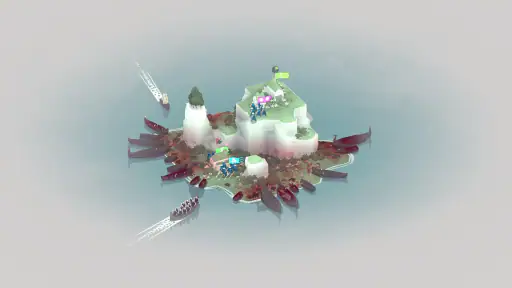
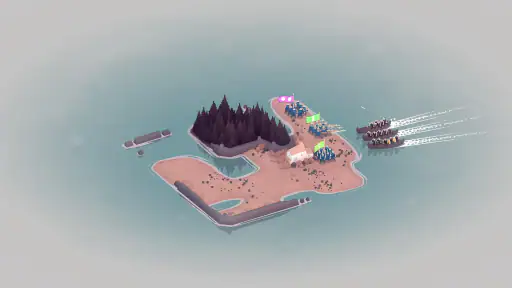
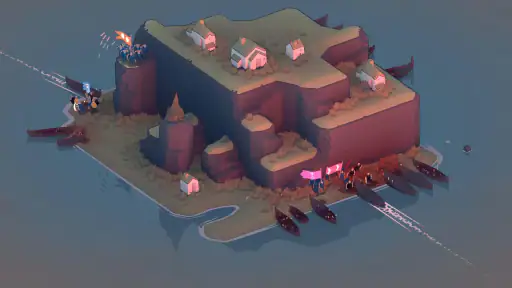
Right off the bat, Bad North captures your attention with its minimalist yet captivating design. The game is all about defending your small island kingdom from waves of Viking invaders. Sounds simple, right? Well, think again. The challenge lies in the strategic deployment of your troops. You’ll need to position them wisely to fend off enemies effectively, making every decision crucial. One wrong move and your island could be overrun in no time.
The islands themselves are procedurally generated, meaning no two playthroughs are ever the same. This keeps the game fresh and makes replayability one of its strongest points. Each island presents a new challenge, with different terrain and enemy types that require you to tweak your strategies constantly.
Visuals and Soundtrack
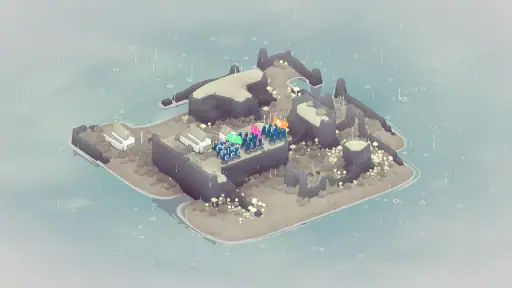
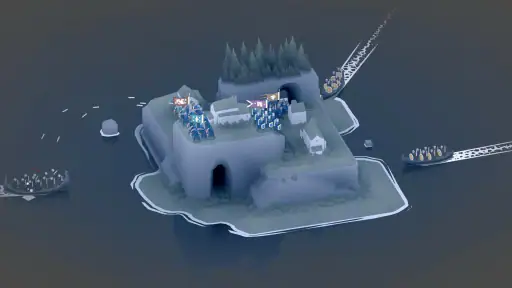
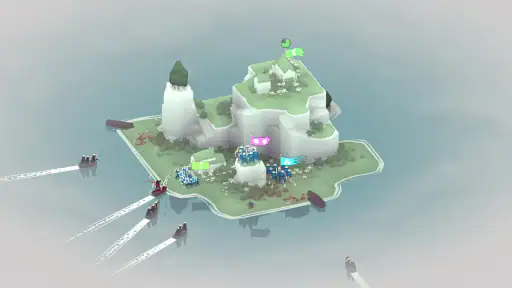
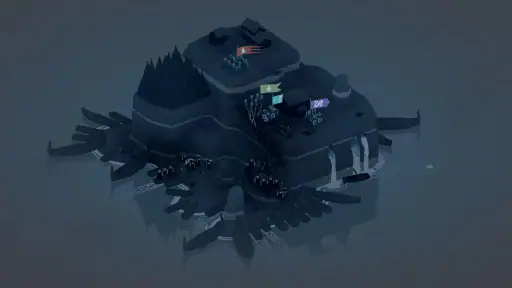
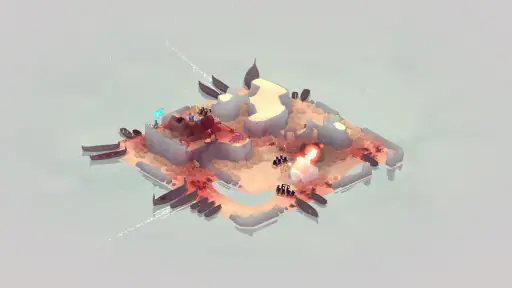
Visually, the game is a treat for the eyes. Its art style is clean and charming, with a color palette that’s both soothing and ominous, perfectly setting the mood for battle. The user interface is intuitive, ensuring that you’re never distracted from the task at hand. Meanwhile, the soundtrack is a masterpiece in itself. The music swells and quiets at just the right moments, enhancing the tension and triumphs of your battles. It’s one of those soundtracks you’ll find yourself humming long after you’ve put down your device.
The visual clarity matters beyond aesthetics: on a small screen, being able to read the island and keep track of where the pressure is building makes tactical choices less cumbersome. I like that the presentation stays restrained instead of covering the battlefield with busy effects. Still, a clean view does not mean the game is effortless; it helps me understand the situation, not solve it for me.
Learning Curve and Difficulty
Now, don’t be fooled by its charming appearance; this game can be quite challenging. The game doesn’t hold your hand, and you’ll definitely face some tough battles as you progress. But that’s part of its charm. The learning curve is steep, yet fair, and each failure is a lesson learned. You’ll find yourself coming back, determined to tweak your strategy and conquer that pesky island that defeated you last time.
Moreover, the game’s permadeath mechanic adds an extra layer of intensity. Lose a commander, and they’re gone for good, which means you’ve got to think carefully about every decision you make. It’s this punishing yet rewarding gameplay that keeps you on the edge of your seat.
For anyone wondering whether the difficulty is manageable, I’d say the useful distinction is between being new to the genre and wanting a frictionless experience. You can learn the game’s central language by watching how choices play out, but mistakes have consequences that can carry beyond the battle. I find that satisfying when I’m in the mood to improve, and less appealing when I want to unwind without worrying about a run’s future.
Practical fit and purchase context
Made by Raw Fury, this paid strategy game costs $3.99, so I’d think of it as a focused purchase rather than a free game to sample casually. It has a Teen age rating, an average rating of 4.3 from around 9,100 ratings, and over 100,000 installs. Those figures suggest a well-established audience, but whether it suits you comes down to your appetite for tactical pressure and permanent losses.
The current version is 2.00.20 and it requires Android 8.0 or later. If you’re deciding whether to install it on an older device, check that your operating system meets that requirement first. The short answer to “is it beginner-friendly?” is that its presentation is approachable, but its decisions are not always forgiving. I’d recommend it to someone curious about strategy who enjoys learning through experimentation; I’d steer away anyone who dislikes losing progress or wants a relaxed, low-stakes game.
Because it is a paid game, I’d make the decision based on the kind of play I expect to get from it, not on the number of battles I hope to complete in one sitting. The appeal is concentrated tactical pressure and replaying with a better understanding of risk, rather than an open-ended management routine. Its Teen rating is also worth considering for younger players and families deciding what fits their preferences.
Final Thoughts
In conclusion, Bad North is a game that deserves a spot on your device. Whether you’re a fan of strategy games or just looking for something new to sink your teeth into, this game offers a unique experience that’s hard to put down. Its blend of charming visuals, challenging gameplay, and engaging soundtrack make it a standout title in the mobile gaming scene.
So, if you’re ready to channel your inner Viking and lead your troops to victory, give it a try. Just be warned – once you start, you might find it hard to stop!
My strategy verdict
For me, this is at its best when I want a small battlefield to think about carefully, not when I want a broad strategy sandbox. Its island defenses make each decision legible, while the threat of losing a commander gives those decisions a longer shadow. That balance makes it memorable, but also means the game asks for attention and a willingness to accept imperfect outcomes.
If I were recommending it to a friend, I’d describe it as a strong pick for focused, tactical sessions and a poor fit for distracted play or someone who wants steady, low-stakes progress. The price and approachable presentation may make it look easy to dip into, but the real draw is learning how to preserve options under pressure. If that sounds satisfying, I think it earns its place in a strategy library; if not, a gentler tower defense or a slower management game would be a better match.
Bad North: Jotunn Edition Frequently Asked Questions
Is Bad North: Jotunn Edition suitable for quick play sessions?
Yes. Bad North: Jotunn Edition is built around compact real-time battles on small islands, making it easy to focus on a tactical encounter without needing to learn a sprawling strategy interface. You still need to watch the battlefield and decide where to position your troops, so each session calls for attention and planning. Its hand-crafted presentation also keeps the action clear and approachable.
What kind of game is Bad North: Jotunn Edition?
Bad North: Jotunn Edition is a strategy game described as a beautifully hand-crafted real-time micro strategy with Vikings. Its focus is on compact battles and tactical decisions rather than a large, complicated interface. The clean presentation makes it easy to follow what is happening, while the pressure of defending against attackers gives each encounter a tense edge. It is a good fit for players who enjoy thoughtful, hands-on strategy.
What is the main objective of Bad North: Jotunn Edition?
Bad North: Jotunn Edition is a real-time strategy game where the player's main objective is to defend their small island kingdom from waves of Viking invaders. Players must strategically deploy and command their troops to fend off the enemies and ensure the survival of their kingdom. The game combines tactical combat with roguelite elements, requiring players to adapt their strategies as they progress.
Is Bad North: Jotunn Edition available on both Android and iOS?
Yes, Bad North: Jotunn Edition is available for download on both Android and iOS platforms. Users can easily find it on the Google Play Store for Android devices and the Apple App Store for iOS devices. The game offers a seamless experience across both platforms, allowing players to enjoy its strategic gameplay on their preferred device.
What are the system requirements for Bad North: Jotunn Edition?
For Android devices, Bad North: Jotunn Edition requires Android 8.0 or later. iOS users need an iPhone or iPad running iOS 11.0 or later. It's essential to have sufficient storage space available as the game may require additional downloads for updates and expansions. Ensuring your device meets these requirements will provide a smooth gaming experience.
Pros
- Stunning minimalist graphics
- Challenging tactical gameplay
- Easy to learn controls
- Engaging sound design
- Unique level generation
Cons
- Limited unit variety
- Repetitive gameplay
- No multiplayer mode
- Occasional AI issues
- Short campaign length
- Category
- Strategy
- Version
- 2.00.20