Backpack Brawl — Hero Battles
- 1.61K
- 4.5
- Installs
- 1.00M
- Price
- Free
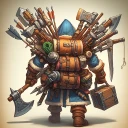
Screenshots

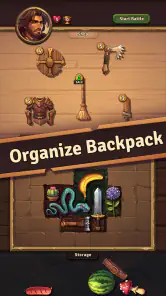
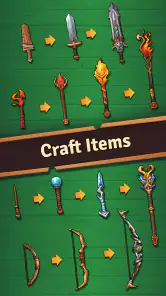

Analysis by Reviewed
I first noticed Backpack Brawl — Hero Battles because its central idea sounds easy to grasp but leaves room for tactical choices: prepare a backpack of heroes, then see how that plan fares in a duel. After spending time with the game, I’d describe it as a strategy title for people who enjoy testing arrangements and adapting between fights more than following a long story. Its appeal is the push and pull between planning and action; whether that feels satisfying or frustrating depends on how much you enjoy learning through experimentation.
A quick way to judge the cost
The game is free to download, which makes it easy to try before deciding whether it deserves space on your phone. It also offers in-app purchases ranging from $0.99 to $99.99 per item, so free access should not be confused with a promise that every optional purchase is inexpensive. I’d begin without spending and see whether the core loop holds my attention first.
That distinction matters for a strategy game: the useful question is not simply whether it costs nothing to install, but whether I enjoy making decisions and repeating matches enough to keep playing. If you prefer to know the full cost of a game upfront, a paid title with a single purchase may feel more comfortable. Here, I would treat purchases as optional spending to weigh carefully rather than a reason to rush.
What the tactical hook offers
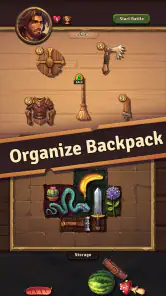
The appeal is the combination of preparation and combat. Instead of relying only on quick reactions, I’m drawn to games where choices made before a fight can shape what happens once it begins. The backpack idea gives that planning a clear focus: the player has to think about what to bring and how to arrange a useful setup, rather than treating every hero as an isolated pick.
A practical tip is to change one part of a setup at a time when a match goes badly. Swapping several choices together makes it hard to tell what actually helped. Keeping a mental note of which combinations seem reliable can also make short play sessions feel more purposeful, especially if I return later and need to pick up where I left off.
For a realistic everyday use, I can see myself opening it during a break when I want a focused game rather than a long story to follow. The tactical decisions give that short session something to chew on, though I would avoid starting a match when I have to stop immediately: even a compact duel is more enjoyable when I can pay attention to the outcome and think about what I might adjust next time.
Unpacking the Basics
In Backpack Brawl — Hero Battles, you dive into a world where heroes are as quirky as they are powerful. The game throws you into battles where you collect and upgrade heroes, each with their own unique abilities and personalities. The twist? You manage your heroes by placing them into a backpack, hence the name. It's a refreshing take on team management, as you have to strategically decide which heroes to take into battle and how to use their skills effectively.
More From Our News Desk

Clash of Clans Is Won Between the Battles

Android Auto Makes the Case for Quieter Car Software

MobiOffice: Transforming Mobile Productivity with Seamless Integration

EA SPORTS FC™ Mobile Soccer: Redefining Mobile Sports Gaming

How Microsoft OneDrive Became a Mobile Productivity Giant

How Google Translate Breaks Language Barriers Effortlessly
The Gameplay Experience
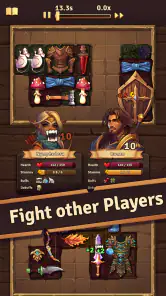
What really drew me in was the fast-paced nature of the battles. Each match feels like a whirlwind of action, requiring quick thinking and adaptability. The controls are intuitive, which is a huge plus for mobile gaming. I found myself getting lost in the rhythm of the game, strategizing on the fly as I faced off against opponents from around the world.
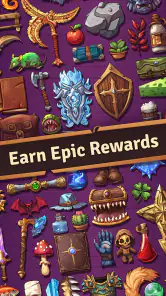
The variety of heroes keeps things interesting. Whether you prefer brute force, cunning tactics, or magical prowess, there's a hero that fits your style. I particularly enjoyed experimenting with different hero combinations to see which ones worked best together. It's all about finding that perfect synergy to outsmart your opponent.
How it compares—and where it can frustrate
Compared with a conventional turn-based strategy game, this feels more immediate: the satisfaction is in shaping a compact plan and watching it meet an opponent, not in managing a sprawling campaign. Compared with a straightforward action brawler, it asks for more thought before and between fights. That middle ground is its strongest distinction, but it may not suit someone who wants either deep, deliberate planning or pure reflex-driven action.
There is a learning trade-off in experimenting with heroes and combinations. A loss can be useful if it shows that a setup needs changing, but repeated trial and error may feel frustrating when you want a clear, predictable route to victory. I’d treat each result as feedback, adjust gradually, and resist assuming that one favorite combination will work equally well in every situation.
The audience is broad: the game is rated Everyone, and Azur Interactive Games Limited is its developer. It has a 4.5 average from around 68,000 ratings, with over one million installs, which suggests many players have tried it. Those figures are context, not a guarantee that its particular mix of backpack planning and quick duels will suit you. Its current version is 0.36.1, and it runs on Android 7.0 or later.
Graphics and Sound
Visually, the game is a treat. The art style is vibrant and full of personality, making each hero stand out. The animations are smooth, adding to the overall polish of the game. The sound design complements the visuals perfectly, with upbeat music and satisfying sound effects that enhance the gaming experience.
The developers have clearly put a lot of effort into creating a world that feels alive and engaging. Each battle arena has its own unique charm, adding to the immersive feel of the game.
Making each session count
The backpack planning invites a more deliberate habit than simply tapping through fights. I find it useful to pause after a result and ask one narrow question: was the problem the heroes I chose, the way I arranged them, or a mismatch with the opponent? That keeps experimentation manageable. If I change everything at once, I may win without understanding why, or lose without knowing what to fix.
This also makes the game easier to revisit in short bursts. Rather than trying to remember every detail, I can keep a simple mental record of a setup that felt dependable and the change I wanted to test next. The point is not to turn a casual game into homework; it is to make each duel teach me something. Players who enjoy spotting patterns will get more from the loop than those who want a clear sequence of missions and a guaranteed sense of progress every time they open a game.
One useful trade-off is that quick-feeling combat does not necessarily mean every session is ideal for a tiny interruption. A duel still asks for attention, and the fun comes partly from seeing how preparation plays out. I’d choose a moment when I can finish the encounter and reflect on it, rather than opening the game while waiting for something that could end at any second. For a commute or a quiet break, it can be a good fit if I have enough uninterrupted time; for a moment when I need to put the phone down instantly, a pause-friendly puzzle may be a safer choice.
What the strategy asks of you
The central decision is not just which hero looks strongest. The backpack framing encourages me to consider how a group works together and whether the overall arrangement makes sense. That creates a satisfying puzzle before the match, but it also means a promising combination may take a few attempts to understand. I would avoid judging a hero or setup from a single result, especially when the game’s appeal is partly about discovering how choices interact.
For newer strategy players, my advice is to make experiments small and intentional. Keep a familiar arrangement as a reference, then change one choice and see whether the result feels better. For experienced players, the same approach helps separate a real improvement from a lucky outcome. This is a more useful way to learn than copying a winning idea without understanding what role each part of it serves.
There is a limit to that learning style: if you need explicit instruction at every step, open-ended trial and error can feel like guesswork. Players who enjoy working things out will see that uncertainty as part of the challenge. If you would rather have a clearly explained campaign, a tactical game with guided missions may be a better match. I see this title as strongest when I’m curious enough to test ideas, not when I’m looking for a carefully paced lesson.
Who is likely to get good value
I’d recommend trying it if you enjoy making small tactical choices, testing hero combinations, and learning from quick head-to-head battles. It suits players who want a strategy game that can be approached in short visits, provided they have enough time to finish a match. It is also a reasonable pick for someone curious about the genre who would rather sample a free game than commit money before knowing whether the style clicks.
I’d skip it if your ideal strategy experience is a long campaign with a carefully written story, or if you dislike experimenting after a loss. Players who want a completely fixed upfront cost may also prefer a premium alternative, since this game combines free access with optional purchases. If you do try it, set a spending limit before browsing purchases; that keeps the decision tied to what you actually enjoy rather than the excitement of a close match.
Where it fits among mobile strategy games
Many mobile strategy games emphasize a long chain of objectives, base management, or gradual campaign progress. This one feels better suited to someone who wants the decision-making concentrated around preparing for a duel. That focus can be refreshing when I have limited time and would rather make a few meaningful choices than maintain a broad roster of ongoing tasks. It is less compelling if my main reason for playing strategy games is to build a world over many sessions or follow a story arc.
Against an action-focused brawler, the difference is the attention paid to setup. If I want every outcome to depend mainly on reflexes and direct control, I’d choose a more hands-on combat game instead. If I like planning but find traditional strategy titles too slow or sprawling, the compact duel format may be the more approachable middle ground. The key question is whether preparing a combination is as enjoyable to me as the fight itself.
It also helps to be clear about what “short session” means in practice: I would treat it as a game to open when I can give a match my attention, not as something to tap absent-mindedly while doing another task. That distinction makes it easier to decide whether it fits a daily routine. A player with small pockets of free time can enjoy it, but someone who needs a game that can be abandoned at any moment may be better served by a round-based puzzle with no ongoing duel to follow.
Free access, purchases, and a sensible trial
Because there is no upfront purchase, I can evaluate the basic appeal before making a spending decision. I would give myself a few sessions to learn whether the backpack choices feel rewarding, then ask whether I’m still interested when a match goes poorly. If I only enjoy the game when I expect to win, optional purchases are unlikely to solve the more basic issue: the strategy loop may not be for me.
The purchase range is wide enough that I’d be deliberate rather than browsing impulsively. A free download is a low-commitment way to try a game, but it is not the same as a promise that all further options are low-cost. I’d decide on a personal limit before opening purchase screens and avoid spending simply to recover from a loss. That keeps the value judgment grounded in enjoyment, not in the feeling that money already spent needs to be justified.
For someone who prefers a clear, one-time price and no optional spending choices, a premium strategy game will feel more predictable. For someone who wants to test a particular style before paying anything, this model is more convenient. Neither approach is automatically better; the right choice depends on whether flexibility or a known total cost matters more to you.
Final Thoughts
All in all, Backpack Brawl — Hero Battles is a solid addition to the mobile gaming scene. It's a game that doesn't take itself too seriously, offering a fun and engaging experience for players of all ages. Whether you're a casual gamer looking for something to pass the time or a hardcore strategist seeking your next challenge, this game has something for everyone.
So, if you're ready to embark on a journey filled with hero battles and backpack strategies, give this game a try. Who knows, you might just find your new favorite mobile game!
Backpack Brawl — Hero Battles Frequently Asked Questions
What does the backpack-focused strategy involve?
Backpack Brawl — Hero Battles centers on preparing a backpack before tactical one-on-one duels. Players who enjoy making choices about how to pack for a fight may find this approach appealing, since preparation is part of the game’s central idea rather than a separate feature. The battles take place in a 2D medieval fantasy setting.
Is Backpack Brawl — Hero Battles suitable for a quick gaming session?
The game is built around one-on-one tactical duels, so its core activity is focused on individual battles rather than a broad, story-led campaign. That format may suit players looking for a direct strategy challenge on mobile. Each match still asks you to think about preparation and combat, so it is most rewarding if you enjoy considering your choices rather than simply tapping through.
What kind of game is Backpack Brawl — Hero Battles?
Backpack Brawl — Hero Battles is a strategy game built around one-on-one combat in a 2D medieval fantasy setting. The central idea is to pack your backpack smartly and use its contents to fight hard in tactical duels. Its focus on preparation as well as combat makes it a fit for players who enjoy thinking through their choices before a battle begins.
What is Backpack Brawl — Hero Battles all about?
Backpack Brawl — Hero Battles is an action-packed mobile game where players engage in thrilling battles using a variety of unique heroes. Each hero comes with distinctive abilities and skills, allowing for strategic gameplay. Players can customize their heroes, engage in both single-player and multiplayer modes, and climb the ranks in this competitive environment. It's perfect for those who enjoy fast-paced, strategic combat games.
Is Backpack Brawl — Hero Battles free to play?
Yes, Backpack Brawl — Hero Battles is free to download and play. However, like many mobile games, it offers in-app purchases that allow players to buy cosmetic items, power-ups, and other resources to enhance their gaming experience. While these purchases can enhance gameplay, they are not necessary to enjoy the game fully. In-app purchase prices range from $0.99 to $99.99 per item, so check the available options before buying.
Pros
- Engaging multiplayer battles.
- Diverse character selection.
- Frequent updates and events.
- Smooth graphics and animations.
- Strategic gameplay elements.
Cons
- In-app purchases can be pricey.
- Occasional connection issues.
- Limited offline features.
- Some characters feel unbalanced.
- Battery consumption is high.
- Category
- Strategy
- Version
- 0.36.1