Pick Me Up 3D: Taxi Game
- 2.59K
- 4.5
- Installs
- 50.00M
- Price
- Free

Screenshots
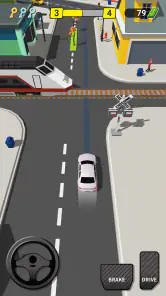
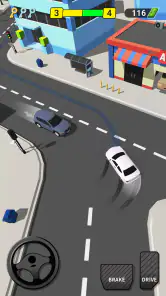
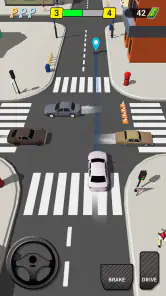

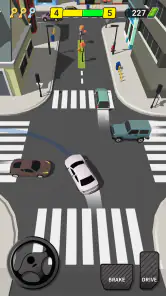
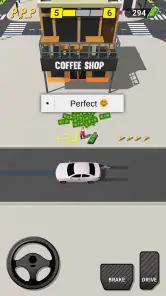
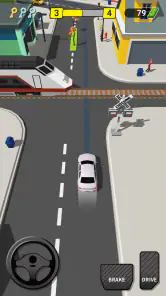
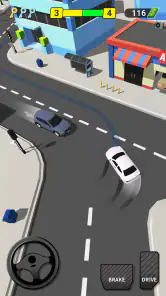
Analysis by Reviewed
When I choose a casual driving game, I want to know whether it offers a quick, satisfying task or asks me to learn a deep simulation. Pick Me Up 3D: Taxi Game sits closer to the quick-play end: its appeal is the simple idea of collecting passengers and getting them across a city, with enough driving pressure to keep each run lively. That makes it worth considering if you want an easy game to dip into, rather than a detailed lesson in handling a car.
A good fit for short breaks
I can picture playing a level while waiting for an appointment or taking a breather between other tasks. The passenger-pickup premise gives each run a clear purpose, and the casual format is less demanding than a full racing game that expects sustained attention or a long session. The useful trick is to treat each drive as a small route-planning exercise: look ahead, keep an eye on the road, and avoid rushing simply because speed is part of the challenge. That balance is where the taxi theme feels more engaging than plain point-to-point driving.
It is also an approachable choice for someone who does not usually play driving games. Azur Interactive Games Limited developed it, and the game is free to download, with optional in-app purchases priced from $2.99 to $5.99 per item. Its Everyone age rating makes it broadly suitable, though parents should still decide whether the game’s purchase options fit their household settings. If you prefer to avoid optional spending, you can begin without paying; just keep in mind that purchases are part of the game’s offer rather than assume every progression choice is entirely cost-free.
What the casual format does—and does not—offer
Compared with a conventional racing game, the taxi premise shifts attention away from simply beating opponents and toward getting passengers to their destinations. Compared with a more involved driving simulator, it is a lighter choice: I would pick it for a compact, playful driving session, not for realistic traffic rules, a serious career mode, or a detailed vehicle-handling experience. That distinction is important. If you want a game that rewards calm, brief play, the straightforward setup is a strength; if you want precise simulation or an extended narrative, another kind of driving game will probably suit you better.
The trade-off is that repetition can matter more in a simple casual game. A clear pickup-and-delivery loop is easy to understand, but players who need constant new systems or a strong sense of realism may tire of it. I would also avoid judging it by the standards of a competitive racer: its taxi framing and accessible style point toward approachable entertainment, not demanding motorsport depth. It is best approached with modest expectations and played for the moment-to-moment challenge.
What to expect from a typical session
The best way to decide whether the game fits your routine is to notice how much attention you can give it. A short ride while waiting for a coffee can work if you are ready to focus on the road for that moment; it is less suited to playing while distracted by messages or conversation, since quick reactions are part of the appeal. I would not treat it as a background game that can be left unattended. The simplicity is about being easy to learn, not about every drive being automatic.
There is also a useful distinction between a quick session and a long one. In a brief visit, the pickup-and-delivery goal gives you a natural stopping point. If you keep playing for much longer, the repeated structure may become more noticeable, especially if you are not personally motivated by route challenges or improving your runs. I would use that as a practical test: if one or two trips leave you curious about the next layout, keep going; if the loop already feels familiar, there is little reason to force a longer session.
More From Our News Desk

Clash of Clans Is Won Between the Battles

Android Auto Makes the Case for Quieter Car Software

MobiOffice: Transforming Mobile Productivity with Seamless Integration

EA SPORTS FC™ Mobile Soccer: Redefining Mobile Sports Gaming

How Microsoft OneDrive Became a Mobile Productivity Giant

How Google Translate Breaks Language Barriers Effortlessly
Getting Behind the Wheel
From the moment you launch Pick Me Up 3D: Taxi Game, you're greeted with a vibrant and colorful cityscape. The game’s graphics are simple yet charming, adding a playful vibe to the driving experience. You start as a novice cabbie, picking up passengers with a simple tap and navigating the bustling streets of a virtual city. The controls are intuitive, making it easy for anyone to jump right in and start driving.
The Thrill of the Drive
What really caught my interest was the game’s balance between strategy and fun. As you progress, the challenges become more intricate, requiring a keen eye for detail and quick reflexes. Each level presents a different layout, with various obstacles and traffic patterns that keep you on your toes. The map is dotted with pick-up points and drop-off locations, and your goal is to transport passengers as efficiently as possible. The faster you get them to their destinations, the more coins you earn, which can be used to unlock new cars and upgrades.
A practical way to make the driving loop less stressful is to focus on a clean run instead of treating every route as a sprint. On a commute by bus, for example, I would play one level and pay attention to how its layout changes rather than trying to rush through several. If obstacles catch you out, a brief pause to read the route before moving can be more useful than reacting at the last second. This kind of game rewards quick attention, but playing at a frantic pace can make the simple controls feel less forgiving.
Reading routes instead of chasing speed
One small habit that helps is to treat the first moments of a ride as information-gathering time. Rather than immediately pushing for the fastest possible delivery, I would scan for where the passenger needs to go and what could interrupt a clean trip. That does not remove the pressure, but it gives your decisions a purpose. In a game built around short drives, learning to anticipate a route is more satisfying than relying on last-second corrections.
This approach is especially useful when you are playing one-handed or in a setting where you cannot settle in for a long session. Keep the phone steady, avoid starting a run when you know you will need to look away, and take a moment between attempts if a route has just gone badly. Those are not elaborate tactics, but they make the simple control scheme easier to enjoy. The trade-off is clear: the game is convenient to pick up, yet it still asks for your attention once a ride begins.
Customization and Upgrades
The game offers a plethora of options to customize your taxi and enhance your driving skills. You can choose from a variety of vehicles, each with unique attributes and designs. Whether you fancy a sleek sports car or a robust SUV, there’s something for every taste. The upgrades are not just cosmetic; they impact the car’s performance, adding an extra layer of depth to the gameplay.
For me, the main reason to experiment with cars is to see whether a different feel suits the routes I am tackling, rather than to assume that the most impressive-looking vehicle is automatically the best choice. If you are deciding whether to spend time on upgrades, first see how comfortable you are with the basic driving loop. That gives you a better sense of whether progression adds enjoyment or whether you would rather keep things simple. It is a useful distinction in a casual game, where optional improvement can be appealing but should not become the only reason to play.
Making sense of progression and spending
Because the game is free to download but offers optional purchases, I would separate two decisions: whether you enjoy driving, and whether you want to spend to change your progress. The first is easy to test by playing the basic rides. The second deserves more caution. An optional purchase should feel like a personal choice, not an obligation created by impatience; I would wait until I understood what I enjoy about the game before considering one.
For younger players, the Everyone rating is a helpful broad age guide, but it does not replace a parent’s decision about spending. If a child uses the device, it is sensible to review purchase controls before handing it over. That practical step applies even if the player only intends to try a few rides. Adults who prefer games with no purchase prompts or no optional spending at all may find a completely paid or purchase-free alternative more comfortable.
Pick Me Up 3D also features daily challenges and events that offer additional rewards, encouraging you to keep coming back for more. The leaderboard system ignites a competitive spirit as you strive to climb the ranks and prove your prowess as the best taxi driver in town.
Choosing between solo play and competition
Not every player needs to care about the leaderboard. I see it as an extra reason to return if comparing results motivates you, while the passenger trips themselves are the more immediate attraction. If you like a game that gives you a small personal target, a challenge or event can add a little structure to a session. If competition makes a casual pastime feel like homework, you can simply focus on the ride in front of you.
That distinction also helps when comparing this game with the usual alternatives. A racer is a better choice when overtaking, lap times, or head-to-head competition are the main draw. A driving simulator is more suitable if you want realistic vehicle control and road behavior. A puzzle game may be the better fit when you want to think without reacting quickly. This taxi game occupies a narrower middle ground: light driving, clear delivery goals, and enough pressure to keep a short session active.
How to decide whether to stick with it
If you are trying it for the first time, I would give the core passenger trips a chance before deciding whether the challenges and competition matter to you. Daily activities can provide a reason to return, while leaderboards suit players who enjoy comparing their performance; neither needs to be the point of the game if you only want a relaxed drive. This is also a sensible way to judge whether the experience stays fresh for you: notice whether changing routes and improving your driving are enjoyable on their own, not just because a reward is waiting.
A realistic test is to install it for a quiet break at home or during a wait when you can safely concentrate, then play a few rides without making progress the only goal. Ask yourself whether you are enjoying the route decisions, whether the controls feel comfortable, and whether the same basic loop still appeals after the novelty wears off. That tells you more than chasing every reward straight away. If the answer is yes, the game can become a handy filler; if not, moving on is a sensible choice rather than a failure to master it.
The game has an average rating of 4.5 from around 86,000 ratings, and it has passed 50 million installs, so it clearly has broad reach among casual players. It was released on March 9, 2020; the current version is 1.75.3.6, and it requires Android 5.1 or later. Those details make it easy to check basic compatibility before installing, especially if you are using an older Android device. The listing also shows 2.6 thousand written reviews, but I would still judge the fit by whether you enjoy the short, route-focused style rather than by popularity alone.
Compatibility and the decision to install
Before downloading, I would check that your Android device runs version 5.1 or later, particularly if you are keeping an older phone in service. The game is free to try, which makes that first test low-commitment, but a free download does not mean every optional progression choice is free. A quick review of the purchase settings on a shared device can prevent an avoidable surprise.
For someone switching from another casual driving game, there is little reason to expect the same priorities as a racer or simulation. The appeal here is the passenger task and the compact route challenge. If you are moving from a puzzle title, expect more immediate reactions and less time to ponder each decision. Knowing that difference makes the first session easier to judge: you are checking whether you want a playful driving loop, not whether it replaces every kind of casual game.
Closing Thoughts
If you’re looking for a game that mixes relaxation with a hint of adrenaline, Pick Me Up 3D: Taxi Game is a perfect choice. It’s a delightful escape into a world where traffic jams are fun and passengers are always happy to see you. Whether you’re killing time on your commute or unwinding after a long day, this game offers a slice of joy with every ride. So, grab your virtual keys and get ready to hit the road!
My recommendation is strongest for players who like simple objectives, quick sessions, and a little pressure without needing to master a complex simulator. I would skip it if realistic driving, substantial story progression, or consistently varied mechanics are what keep you interested. For everyone else, it is an easy free game to sample: start with the basic rides, see whether the route decisions hold your attention, and only then decide whether optional purchases or competitive features add anything you personally want.
Pick Me Up 3D: Taxi Game Frequently Asked Questions
Can I play Pick Me Up 3D: Taxi Game offline?
If you are considering the game for travel or places with unreliable internet, check how it behaves on your device before relying on it offline. Its core idea is simple: collect passengers and drive them to their destinations. The experience may still be appealing for a quick casual session, but features that depend on an internet connection can vary.
How much storage space does Pick Me Up 3D: Taxi Game need?
It is sensible to check the available space on your device before downloading any game, especially if storage is tight. Pick Me Up 3D: Taxi Game is a casual driving game with a 3D city setting, so the download and any later updates will use device storage. Keep some room free for updates and other apps as well.
Is Pick Me Up 3D: Taxi Game suitable for casual play sessions?
Yes. Pick Me Up 3D: Taxi Game is a casual game built around picking up passengers and taking them to their destinations. Its straightforward taxi-driving premise makes it easy to approach without needing to commit to a long, story-driven experience. It may appeal to players looking for a simple game to dip into, while navigating streets and working toward passenger drop-offs.
Does Pick Me Up 3D: Taxi Game have an age rating?
The game is rated Everyone, so it is intended for a broad audience. Its central activity is driving a taxi around a city and transporting passengers, making the premise easy to understand. Parents can still review the game themselves and consider whether its play style and any optional in-app purchases are appropriate for the person using the device.
What is Pick Me Up 3D: Taxi Game about?
Pick Me Up 3D: Taxi Game is an engaging driving simulation where players take on the role of a taxi driver, navigating through bustling city streets to pick up and drop off passengers. The game combines elements of strategy and time management, challenging players to efficiently transport passengers while avoiding obstacles and traffic.
Pros
- Engaging 3D graphics enhance gameplay.
- Simple controls are easy to master.
- Varied levels keep the game interesting.
- No internet connection needed.
- Regular updates with new content.
Cons
- Ads can be intrusive at times.
- Gameplay may become repetitive.
- Limited customization options.
- In-app purchases can be expensive.
- Battery consumption is high.
- Category
- Casual
- Version
- 1.75.3.6