3in1 Quiz: Logo Quiz and More
- 57.00
- 4.4
- Installs
- 1.00M
- Price
- Free
Screenshots
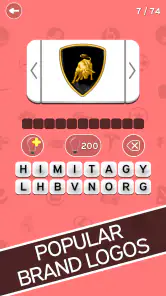
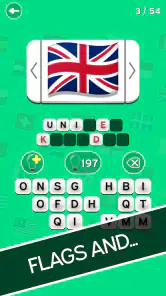
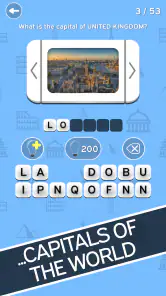
Analysis by Reviewed
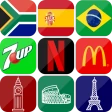
I spent time with 3in1 Quiz: Logo Quiz and More as a light trivia game, and its appeal became clear quickly: it gives you three familiar guessing challenges in one place. You move between logos, flags, and capital cities, so the experience feels more varied than a quiz built around a single subject. It is the kind of game I can open for a short break without needing to learn a complicated rule set first.
That simplicity is also the main reason it works. This is not a deep strategy title or a lesson-based geography course. It is a casual test of recognition, memory, and general knowledge, developed by VnS Game Studio. The game is free to download, carries an Everyone age rating, and is listed for devices running Android 6.0 or later. Those details make it easy to consider for family use, although younger players may still need help with unfamiliar countries and brands.
How the three quiz themes feel in everyday play
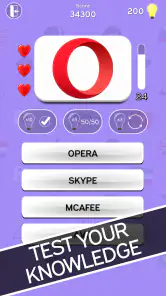
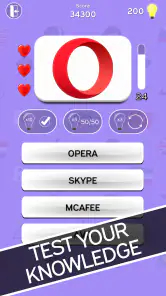
The logo rounds rely on visual memory. Even when I knew a brand immediately, I sometimes had to pause because the image triggered a vague sense of recognition rather than a complete answer. That makes the mode more interesting than simply reading a question and selecting an obvious response. It rewards the kind of knowledge people pick up from daily life, packaging, shops, websites, and television.
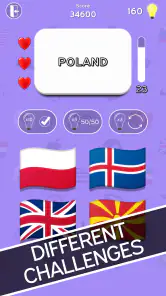
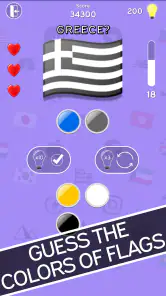
Flags create a different kind of challenge. Color placement, stripes, symbols, and overall shape become important, but similar-looking flags can make a confident answer surprisingly difficult. I found this mode useful for spotting gaps in my visual geography knowledge. A player who already enjoys country quizzes will probably spend more time here than someone who only wants quick brand recognition.
Capital questions shift the focus from appearance to recall. They are less about noticing a familiar design and more about retrieving a fact at the right moment. That change helps prevent the entire game from feeling repetitive. When I began getting comfortable with one topic, switching to another gave the session a fresh mental rhythm instead of making me repeat the same type of guess.
The three-part format is the strongest design choice here. Many casual trivia games become predictable because every round asks the player to use the same skill. This one alternates between cultural familiarity, visual comparison, and geography memory. The best value comes from that variety, not from any single quiz category on its own.
A useful way to play without turning it into homework
I would not approach this as a formal study tool. Instead, I use wrong answers as prompts for quick learning. If I miss a capital, I try to connect it with the country’s shape or region. If a flag confuses me, I compare its colors and symbols with nearby examples. With logos, I pay attention to why the image felt familiar but did not produce the name immediately.
This makes the game more worthwhile than simply tapping through guesses. A short session can become a small memory exercise, especially when I resist the urge to rush past mistakes. Players who want structured lessons, explanations, or a carefully sequenced curriculum should look toward a dedicated educational app instead. This title is better at creating repeated recall than at teaching a subject from the beginning.
Another practical approach is to use the game socially. Two people can take turns answering before the other person does, which turns uncertain questions into conversation starters. Flags and capitals work particularly well for this because one player may know the geography while the other recognizes the logo. It is a good fit for a quiet family moment or a waiting-room distraction, provided everyone is comfortable with the game’s guessing format.
What the free version means for value
The game is available at no purchase price, so the basic decision is straightforward: you can try it without committing money first. That matters for a casual trivia title because enjoyment depends heavily on whether the question mix suits your existing knowledge. I would install it, play several short sessions, and decide from actual use rather than assuming that a three-topic format will automatically be enough.
There are in-app purchases ranging from $0.99 to $89.99 per item. That wide range is important when judging value. A free starting point is convenient, but any paid option should be considered separately from the experience available without spending. I would not treat the existence of purchases as a reason to pay immediately. First, I would check whether the free play already provides enough variety for the way I intend to use it.
For me, the sensible value test is simple: does the game remain enjoyable after the first burst of novelty? If I am using it for occasional breaks, free access may be all I need. If I play frequently and find the available content satisfying, a small optional purchase could be easier to justify than buying a separate trivia game. I would be more cautious about the highest-priced item because a casual quiz needs to offer sustained personal value before a large payment makes sense.
The listed average rating is 4.4 from around 5.6 thousand ratings, and the game has passed one million installs. Those figures suggest that it has reached a substantial casual audience, but they should not replace personal testing. Trivia enjoyment is especially subjective: a player who loves capitals may view the game very differently from someone who only wants logos. The public response is encouraging, yet the free entry point remains the most useful way to judge it for yourself.
Where it delivers more than a basic quiz app
The strongest benefit is the ability to change mental gears without leaving the same game. If I become tired of identifying logos, I can move toward flags or capitals rather than closing the app. That is a small convenience, but it makes the game more practical during uneven pockets of free time. A five-minute break and a longer relaxed session can both work because the central idea is immediately understandable.
It also has a good balance between familiar and less familiar knowledge. Logos can feel accessible because they connect with everyday exposure, while flags and capitals create more opportunities to discover what I do not know. That combination prevents the game from being only a test of consumer awareness or only a geography drill.
One non-obvious strength is how the categories reveal different kinds of confidence. I may answer a logo quickly but hesitate over a capital, or recognize a flag’s colors while forgetting the country. That contrast makes the experience useful for deciding what I actually know rather than what merely looks familiar. If you pay attention to those patterns, you can turn casual play into targeted revision.
The game is also approachable for mixed-skill groups. A knowledgeable player can still be challenged by obscure visual details, while a beginner can contribute when a logo or country is familiar. I would not call it a perfect multiplayer replacement, but its three subjects naturally create friendly comparison. It is less intimidating than a specialist quiz focused entirely on advanced geography.
The tradeoffs I noticed
Variety does not automatically mean depth. Three themes give the game a broader identity, but a player who wants detailed explanations may find the experience limited. Guessing correctly is satisfying, yet the learning value depends on what you do after an incorrect answer. I would choose a dedicated geography app over this one if my goal were systematic country study, map practice, or long-term exam preparation.
The logo category also has a built-in weakness: recognition can depend on personal exposure. Someone who spends little time around certain brands may face questions that feel arbitrary rather than educational. That is not necessarily a flaw in the game’s concept, but it affects fairness from one player to another. Flags and capitals are more broadly connected to geography, while logo knowledge can reflect age, location, interests, and shopping habits.
Capital questions have the opposite issue. They can become a memory wall for players who have not studied geography before. If you prefer quizzes where clues gradually guide you toward an answer, this may feel harsher than a puzzle with hints or explanations. I found that the game is most enjoyable when I accept mistakes as part of the process instead of expecting a perfect run.
There is also a tradeoff between free access and optional spending. Since purchases are offered per item and the listed range extends from a small amount to a much larger one, I would examine each purchase carefully before confirming it. The free price makes experimentation low-risk, but it does not mean every paid choice will be equally valuable for every player. Someone who only plays occasionally should be especially careful not to spend more than the game’s actual place in their routine justifies.
The current version is 2.4.1, which is useful to know when checking compatibility and deciding whether the app fits an older device. The minimum operating system is Android 6.0. I would still check the store page on the specific phone or tablet before installing, particularly if the device is old or shared with a child. The age rating is Everyone, making it broadly suitable in terms of stated content classification, though adults may need to explain unfamiliar countries, capitals, or brands to younger players.
Who is most likely to enjoy it?
I would recommend it first to casual trivia fans who like switching subjects. It is especially suitable for someone who wants recognizable topics rather than highly specialized questions. The game can fill short gaps in the day, but it also has enough category contrast to support a longer session when you are in the mood to test yourself.
It is a good choice for families with different knowledge levels. One person may lead on logos, another on flags, and another on capitals. Instead of treating every wrong answer as a failure, you can use the categories to let each player contribute. That makes the game more welcoming than a quiz where one narrow subject determines who knows everything.
Students and travelers may also find it useful as a light memory refresher, but I would keep expectations realistic. It can reinforce recognition and recall, yet it should sit beside—not replace—proper study materials. If you are preparing for a geography test, learning a new country’s capitals, or trying to understand world regions, a more structured resource will give clearer progress.
I would skip it if you dislike guessing from images, become frustrated by questions outside your experience, or want a competitive system with deep progression. It is also not the right fit if you are looking for a game with a story, character development, or strategic decision-making. The central pleasure is answering questions, and there is no reason to install it if that basic loop does not appeal to you.
My practical recommendation before spending
Start with a short trial across all three categories rather than judging the game from the logo mode alone. Notice which subject keeps you interested and which one feels like a chore. This matters because the advertised three-in-one concept is valuable only when at least two of the categories work for you; otherwise, you may be paying attention to content you rarely want to play.
If you play with children, turn the questions into a conversation instead of focusing only on speed or score. Ask what a flag’s colors remind them of, where a capital is located, or where they may have seen a logo. That approach makes unfamiliar answers less discouraging and gives the Everyone rating more practical meaning in a shared setting.
If you are considering an in-app purchase, decide in advance how often you expect to return to the game. Occasional players can reasonably stay with the free experience, while frequent players may find a small purchase worthwhile if it directly improves their sessions. I would avoid making a large purchase simply because the app is inexpensive to start; free entry and paid value are separate decisions.
Final verdict for a casual trivia library
3in1 Quiz: Logo Quiz and More earns its place as a convenient, low-commitment trivia game because it combines three distinct forms of recall in one simple package. I like that a session can move from brand recognition to flags and then to capitals without feeling like I am opening three separate apps. The free starting price makes it easy to test, and the Everyone rating broadens its usefulness for shared play.
Its limitations are just as clear. It is not a replacement for a serious geography course, and logo questions may feel uneven depending on your background. The optional purchases also deserve restraint, especially because the per-item range reaches from $0.99 to $89.99. I would judge any payment by how regularly I use the game, not by the excitement of the first session.
Overall, I would recommend it to friends who want a quick quiz with more variety than a single-topic alternative. I would skip it for anyone seeking deep explanations, formal learning paths, or a richer game structure. For a free, approachable way to challenge everyday recognition and basic world knowledge, it is worth trying first and paying only when its actual place in your routine feels clear.
Pros
- Combines logo
- trivia
- and picture quizzes in one app.
- Short rounds make it easy to play during quick breaks.
- Covers a wide range of brands and general knowledge topics.
- Simple controls are suitable for casual players of all ages.
- Progress tracking encourages you to improve your scores.]
- contras:[
Cons
- Some questions may feel repetitive after extended play.
- Difficulty can vary noticeably between consecutive questions.
- Hints or extra attempts may be limited without in-app purchases.
- Brand-focused quizzes may have less appeal for some players.
- An internet connection may be needed for certain features or updates.
- Category
- Trivia
- Version
- 2.4.1