
 Sniper 3D:Gun Shooting Games
Sniper 3D’s Quick-Shot Appeal Faces the Upgrade Treadmill
The appeal is immediate: line up a target, steady your aim, and fire. The harder question is whether Sniper 3D can keep players returning after the first rush.

 Sniper 3D:Gun Shooting Games
The appeal is immediate: line up a target, steady your aim, and fire. The harder question is whether Sniper 3D can keep players returning after the first rush.

 Blockudoku®: Block Puzzle Game
Blockudoku turns a clean grid into a quiet test of foresight. Against match-three polish and head-to-head simplicity, its lasting appeal is also its biggest limitation.
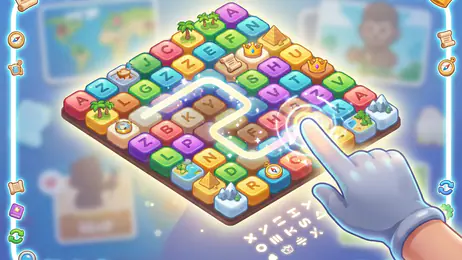
 Word Search Quest - Puzzles
A closer look at the game’s word-hunting loop reveals why a simple grid can make spare minutes feel focused—and where that calm starts to wear thin.

 FaceApp: Perfect Face Editor
FaceApp makes dramatic portrait changes feel effortless. Its real test is less glamorous: whether mistakes, interruptions, and uncertain saves leave you in control.

 slither.io
A close look at the player rituals, rivalries, and fragile social energy that make each bright, anonymous match feel bigger than a solo chase.

 Waze Navigation & Live Traffic
Waze’s best advantage is not its map but the crowd moving across it. That makes the app useful, sticky, and a revealing case of platform power.
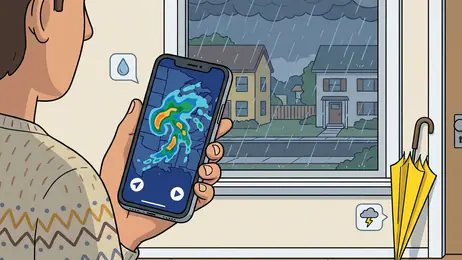
 The Weather Channel - Radar
A polished forecast is useful; a forecast you can act on is better. The Weather Channel turns radar, alerts, and daily conditions into a clear case for checking the sky before making plans.

 Flipboard:Your Social Magazine
Flipboard changes news from a stream you chase into a magazine you shape. Here is what switching asks of your habits, attention, and setup.

 Score! Match - PvP Soccer
The best edge in Score! Match is not frantic tapping. It is learning when to pass, how to read the lanes, and which upgrades actually fit your style.

 Google Maps
Navigation used to mean finding a route. Google Maps now reflects a broader promise: understand the place, adapt to the moment, and leave less guesswork to the traveler.

 Clash of Clans
A village takes minutes to build and seconds to raid. The magic is how those quick, readable battles keep feeding a surprisingly personal strategy game.

 Uber - Request a ride
A ride-hailing app earns this week’s pick not by making travel glamorous, but by turning a messy, time-sensitive decision into a plan you can follow.

 Chess
Chess succeeds by making a dense game legible one move at a time, but its calm board can hide the choices and recovery tools new players need.

 Gym Heros: Fighting Game
Gym Heros has a punchy, repeatable fighting loop, but its resilience is harder to judge than its first bouts. Here is what holds up—and what remains unverified.

 Pokémon GO
Android and iOS changes have made Pokémon GO more capable of fitting around everyday life, but its best features still depend on permissions, hardware, and the willingness to go outside.

 Google Lens
A camera search tool has become a small daily habit: point, identify, translate, copy. Its real story is how it changes what we expect a phone to see for us.
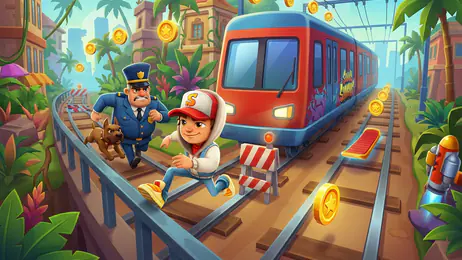
 Subway Surfers
A fresh coat of city color can spark another wave, but the real staying power lies in a run that turns tiny decisions into instant drama.

 MP3 Downloader - Music Player
A closer look at how a straightforward music utility earns repeat opens, what its convenience gets right, and where the promise of effortless listening frays.

 Google Earth
A closer look at Google Earth’s 3D imagery reveals why virtually circling a destination can change how you plan a trip—and where the feature still lets you down.

 Microsoft OneDrive
As work, photos, and AI-assisted tasks spread across phones, OneDrive is gaining relevance by making Microsoft’s cloud storage feel less like a destination and more like everyday infrastructure.

 Google TV
A streaming guide that also reveals Google’s platform strategy: useful discovery, convenient access, and a subtle shift in who controls the search for something to watch.

 MadOut 2: Grand Auto Racing
A scrappy open-world racer built for messy escapes, sudden collisions, and the promise that one more trip across town might turn into a story.

 Piano Game: Classic Music Song
A familiar stream of falling tiles still works, but Piano Game: Classic Music Song reveals how much more players now expect from a mobile music game.

 Hill Climb Racing
A battered jeep, a lurching fuel gauge and one more hill: this deceptively simple racer turns tiny mistakes into a remarkably durable reason to play.