
 Sketchbook
: Spare Moments, Drawings Worth Keeping
As screens fill with short-lived posts and passing ideas, Sketchbook makes it unusually easy to turn a spare minute into a drawing worth keeping.

 Sketchbook
As screens fill with short-lived posts and passing ideas, Sketchbook makes it unusually easy to turn a spare minute into a drawing worth keeping.
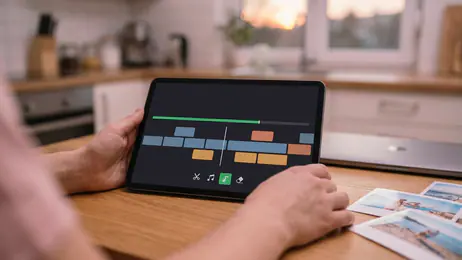
 YouCut - Video Editor & Maker
YouCut has no obvious social square, yet its templates, exports, and creator habits connect it to a wider video culture. That network is useful, but mostly happens elsewhere.

 LinkedIn: Community & Network
A practical look at how LinkedIn turns professional upkeep into short, useful check-ins—and where its busy feed still gets in the way.

 AliExpress - Shopping App
AliExpress makes almost anything feel one tap away. The harder question, after the bargains and bright prompts, is whether you can tell what is worth buying.

 Candy Crush Saga
A case-by-case review of the match-three classic: where its tiny bursts of play still click, and when lives, difficulty, and waiting make it a skip.

 Reddit
As social feeds chase short video and creator reach, Reddit keeps growing by making niche questions, live reactions, and human answers feel worth returning for.

 Threads
A lively, low-pressure home for public conversation, Threads earns this week’s pick by making it easier to follow ideas and join in without turning every post into a performance.

 Samsung Music
A local music player feels almost old-fashioned beside streaming apps. That is precisely why Samsung Music still matters: it makes a private library part of everyday phone life.

 Likee-Live, Chat & Party Games
Likee’s appeal depends on more than its video feed. Android and iOS changes affect how quickly you can join a live room, keep sound under control, and stay connected.

 Hulu: Stream TV shows & movies
Hulu’s edge is not sheer size or family-friendly polish. It is the mix of current-season TV, familiar favorites, and a library that feels made for nightly browsing.

 Adobe Express: AI Photo, Video
Adobe Express makes polished design feel close at hand. Its real test is less glamorous: whether drafts, edits, and exports stay understandable when setup or connectivity goes wrong.

 Duolingo: Language Lessons
A sharp path, quick feedback, and a persistent streak make Duolingo easy to return to. Its design is less convincing when progress starts to outrun understanding.

 Samsung Browser
Samsung’s browser is more than a place to open links: it shows how preinstallation, device design and small habits can shape who controls the mobile web.

 Bus Simulator - Bus Games 3D
Its appeal is easy to grasp: take the wheel, follow the route, and make every stop. The harder question is whether that simple rhythm can keep players coming back.

 Cash App
A close look at Cash App’s request feature: how it helps settle shared costs, where its simplicity earns trust, and why a payment prompt still needs careful judgment.

 QuizzLand. Quiz & Trivia game
QuizzLand trades head-to-head trivia for a quieter question trail. Here is what switching really changes, what you gain, and what you should verify first.

 Temple Run
 turns a simple chase into a shared ritual of scores, retries, and friendly rivalry—but its social life lives mostly beyond the game itself.

 Free Fire: 9th Anniversary
A practical guide to sharper controls, smarter loadouts, and cleaner decisions in Free Fire’s fast, unforgiving matches, with the anniversary edition’s flash kept in perspective.

 Jigsaw Puzzles - Puzzle Games
A calm, familiar jigsaw loop reveals what puzzle players now expect: low-friction play, meaningful choice, and enough fresh material to make returning worthwhile.

 Flight Pilot: 3D Simulator
A mission-driven flying game with a welcome sense of momentum: its best moments come from learning to handle the aircraft, not simply admiring it.

 Video Editor & Maker - InShot
InShot’s real advantage is not a single dazzling tool. It is the short, forgiving route from a clip on your phone to something ready to share.
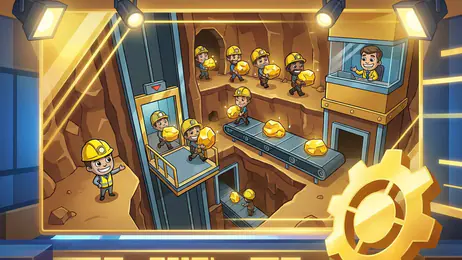
 Idle Miner Tycoon: Gold Games
The mining loop still runs on patient upgrades and offline returns. The bigger question is how well its small, steady rewards fit the way Android and iOS now manage play.

 Free Fire MAX
A battle royale built for quick decisions, Free Fire MAX pairs sharp match pacing with a busy interface that rewards familiarity more than first-time clarity.

 Weather & Radar Forecast
A weather app earns its place by helping you make a better call before you leave home. This one pairs a useful radar view with forecasts that are easy to act on.