WWII Defense: RTS Army TD game
- 1.05K
- 4.7
- Installs
- 1.00M
- Price
- Free
Screenshots
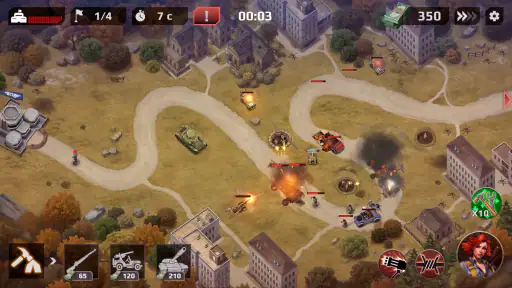
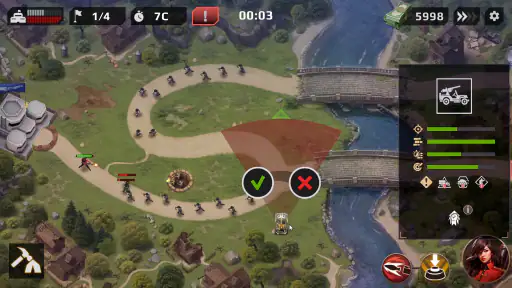
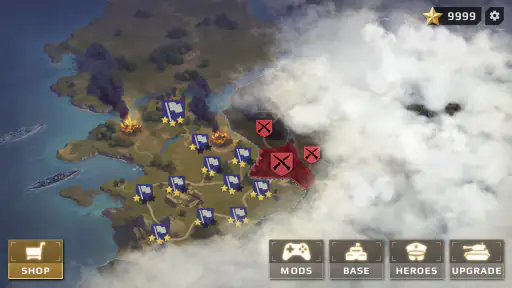
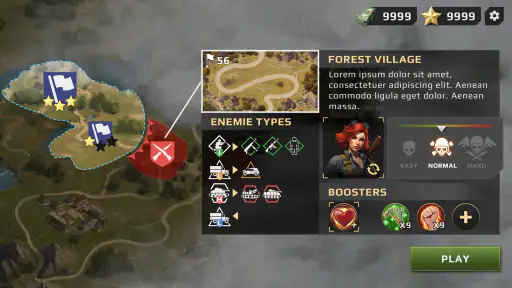
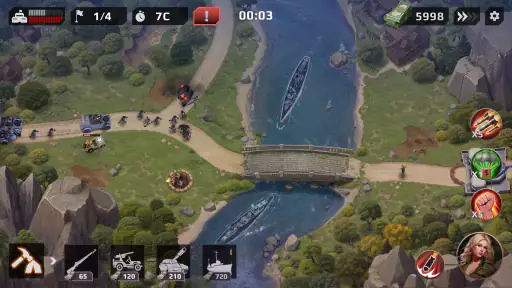
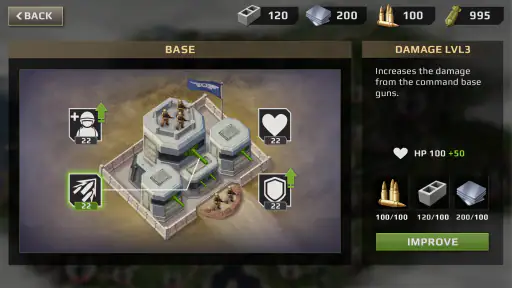
Analysis by Reviewed
My first impression of WWII Defense: RTS Army TD is that it knows how to make a short strategy session feel purposeful. Rather than asking me to settle into a sprawling campaign straight away, it puts the focus on defending a position under pressure. That makes it easy to try between other things, though the real question is whether its battlefield decisions stay interesting after the novelty wears off.
Why the first sessions work
The appeal is immediate if you enjoy watching a defense take shape while enemy forces push against it. I like the mix of planning and quick reactions: I can think about how to position my forces, then adjust when a wave makes my original idea look shaky. The World War II setting gives those choices a clear visual theme, and the infantry, tanks, and artillery each suggest different ways to approach a fight.
One useful habit is to treat each attempt as a chance to learn what your current setup is failing to cover, rather than simply repeating the same placements and hoping for a better result. I’d pay attention to where pressure builds and keep a reserve of attention for the moment a plan needs changing. That makes the tactical side feel more rewarding than tapping through a defense on autopilot.
Who will find a place for it?
I’d recommend it to someone who likes compact, active tower defense strategy and wants a military theme rather than fantasy towers or abstract lanes. It should also suit players who enjoy experimenting with a mix of unit types and don’t mind revising a plan mid-battle. If you usually prefer slow, map-wide strategy, deep army management, or a story-led campaign, this may feel more focused on individual defensive encounters than you want.
For an everyday example, it fits a brief break when you have enough time to concentrate on a battle but not enough to commit to a long strategy session. I wouldn’t open it while distracted: the appeal depends on noticing when the fight is turning and responding, not merely leaving the game running in the background.
A useful routine for short sessions
I’d make each return session easier to pick up by deciding on one small question before a battle: am I testing a different unit choice, correcting a weak point, or checking whether a previous adjustment helped? That keeps experimentation focused. If I change several things at once, a win or loss tells me much less about why the defense held or failed.
This approach is especially useful when I only have time for a quick visit. I can pause afterward to remember one observation, rather than trying to memorize every detail of a battle. The trade-off is that players who want a hands-off game may find even this light note-taking mindset too demanding; the satisfaction comes from paying attention, not from simply collecting victories.
More From Our News Desk

Weather by Xiaomi Review: Clear at a Glance, Less Clear Up Close

X Under Pressure: Can It Recover When Posting Goes Wrong?

Clash of Clans Is Won Between the Battles

Android Auto Makes the Case for Quieter Car Software

MobiOffice: Transforming Mobile Productivity with Seamless Integration

EA SPORTS FC™ Mobile Soccer: Redefining Mobile Sports Gaming
The Battlefield Awaits
Let me start by saying that WWII Defense: RTS Army TD is not your ordinary tower defense game. Right from the get-go, you’re thrown into the chaos of World War II, tasked with defending your base against relentless enemy forces. The game does a fantastic job of immersing you in its historical setting, with authentic weapons, vehicles, and troops that make you feel like you’ve stepped into a time machine.
Gameplay that Keeps You Hooked
What I love about this game is its blend of strategy and quick thinking. You’re not just placing towers and hoping for the best; you need to plan your defenses meticulously. The enemy AI is surprisingly smart, often forcing you to adapt your strategies on the fly. It’s this dynamic gameplay that keeps you coming back for more, as every level presents new challenges and requires fresh tactics.
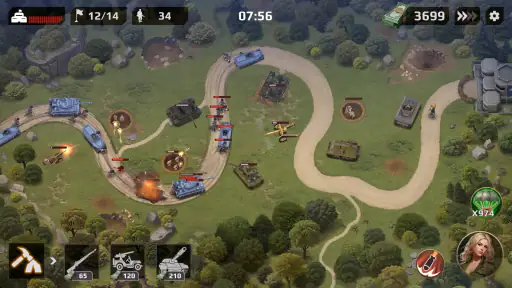
The game offers a variety of units to choose from, each with unique strengths and weaknesses. Whether you’re deploying infantry, tanks, or artillery, there’s a real sense of satisfaction in watching your carefully laid plans come to fruition as you fend off wave after wave of enemy attacks.
Stunning Visuals and Sound
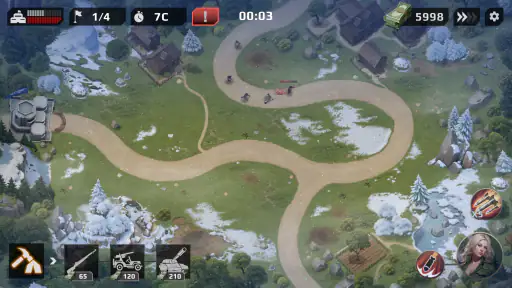
Visually, the game is a treat. The detailed graphics bring the battlefields to life, from the lush forests to the war-torn cities. It’s clear that a lot of effort went into recreating the look and feel of World War II environments. Plus, the sound design is top-notch, with realistic sound effects and an epic soundtrack that ramps up the tension during battles.
I also appreciate the user-friendly interface. Everything is laid out intuitively, making it easy to navigate through menus and manage your units even in the heat of battle. It’s little things like these that enhance the overall gaming experience.
From a strong start to a lasting habit
For month-to-month value, I’d judge it by whether I still want to vary my defense rather than simply repeat a familiar setup. The strongest reason to return is the combination of changing pressure and different unit roles; the weaker point is that a tower-defense structure can begin to feel familiar if each encounter stops asking for a meaningful adjustment. I’d approach it as a game for focused bursts, not assume it will become a deep daily routine.
Compared with simpler tower-defense games, this one leans more toward battlefield tactics and a World War II presentation than a purely abstract sequence of towers. Compared with broad real-time strategy games, it appears more concentrated on holding a position than managing an entire war. That middle ground is its appeal, but it also means players who want extensive base-building or long-form command decisions may be happier with a larger strategy game.
How it fits different kinds of players
If I were choosing between this and a conventional tower-defense game, I’d pick this one when I wanted unit roles and a wartime battlefield to shape my decisions. A simpler alternative is likely a better match when I want to place defenses, watch a predictable route, and relax without much mid-battle adjustment. On the other hand, a full-scale strategy game makes more sense for someone who wants to manage a wider operation rather than focus on defending a position.
That distinction also helps set expectations for a first-time player. I wouldn’t come in expecting a historical campaign to teach me the story of the war, or a deep simulation of military logistics. I’d treat the setting as the context for tactical defense and judge the game on whether the encounters make me think about how to respond. That narrower goal is a strength for quick play, but a limitation if I’m looking for breadth.
Practical expectations before installing
The game is free to start, and Azur Interactive Games Limited is the developer. Its average rating is 4.7 from around 55,000 ratings, with more than 1 million installs; it is rated Teen. The current version is 0.9.4, it was released on June 30, 2023, and it requires Android 8.0 or later. Optional in-app purchases range from $3.99 to $79.99 per item, so I’d decide in advance whether I’m comfortable with spending inside a free game and avoid treating purchases as necessary until I understand the game’s pace.
That purchase range is worth noticing, but it doesn’t tell me how often a player needs to buy anything. My practical advice is to begin without spending, learn which units suit your decisions, and only consider a purchase if it clearly solves a frustration you actually have. If you mainly want a no-cost, occasional tactical challenge, that approach keeps the commitment low; if you dislike games with optional spending at all, a paid game with a single upfront price may be a better fit.
As for maintenance, I’d expect little beyond keeping the game compatible with the device and checking for updates when something seems off; I wouldn’t make a habit of reinstalling or changing settings without a reason. The more important maintenance is mental: remember which defensive choices worked, and change one part of a setup at a time so you can tell what helped. That small, deliberate approach makes experimentation less random and gives each return session a clear purpose.
What to expect from the commitment
A practical question for anyone installing a strategy game is whether it works for scattered spare moments or asks for a regular schedule. I’d use this as an occasional, attentive game rather than build a routine around it. Its defensive focus makes it easier to approach in a contained session than a sprawling strategy title, but I still need enough time to follow the action and make decisions. If a break is likely to be interrupted repeatedly, I’d save it for another moment instead of starting while I’m half-focused.
The Teen rating is another useful consideration for households choosing a game. I’d check that rating against the preferences of the person who will play, particularly if a military theme is unwelcome. For adults who enjoy tactical defense, the presentation gives the battles a clear identity; for someone seeking a gentle, cheerful game, that same wartime framing could be a reason to choose something else.
Where the appeal can wear thin
The same pressure that makes battles engaging can become tiring if I want a relaxed game that asks for little attention. A military setting and dramatic presentation may also be a poor match for players who prefer lighter themes. And although the interface feels approachable, tactical choices still call for concentration; I wouldn’t recommend it as background entertainment or to someone who finds repeated defensive encounters dull.
For me, the best test of lasting value is simple: after the first excitement fades, do I still enjoy spotting a weakness and making a better plan? If yes, this has a clear place as a focused strategy game for spare moments. If I find myself repeating the same routine without caring about the outcome, I’d move on rather than force it into a daily habit.
Why You Should Download It
If you’re looking for a game that combines historical accuracy with engaging gameplay, WWII Defense: RTS Army TD is a no-brainer. It’s one of those games that you can easily lose hours in, strategizing and battling through its challenging levels. Plus, it’s available on both Android and iOS, so you can take the battlefield with you wherever you go.
So, if you’re ready to test your strategic prowess and dive into the gritty world of World War II, give this game a shot. Trust me, you won’t be disappointed. Happy gaming!
Who should leave it off the home screen?
I’d skip it if I usually want strategy games to unfold at a calm pace without demanding that I watch each fight closely. The same goes for players who want a broad campaign, elaborate army administration, or a strong narrative to carry them from one session to the next. This is a more focused choice: its value rests on the appeal of defending under pressure and making tactical adjustments, not on offering every kind of strategy experience at once.
It may also be a poor fit if I’m trying to avoid optional spending altogether. The game is free to begin, but purchases are part of its model, so anyone who finds that presence distracting may prefer a straightforward paid game. For me, setting a no-spend rule before trying it is a sensible way to see whether the core battles are enough without turning every frustration into a reason to buy something.
My lasting verdict
After the initial novelty, the question is whether I still care about the next tactical choice. WWII Defense has a clear reason to earn occasional space: a compact defensive focus, a distinctive military theme, and unit choices that encourage me to reconsider a plan rather than simply follow a fixed routine. I’d keep it around if I enjoy that process and have short stretches of time when I can give a battle my attention.
I wouldn’t call it an automatic long-term commitment. If its encounters start to feel repetitive, or I want strategy at a larger scale, I’d move on without feeling that I had missed the point. For the right player, though, it can be a satisfying option to return to when the mood is tactical and focused. That is the kind of recurring value I’d look for here: not a game I must play every day, but one that still gives me a reason to come back when I want a concentrated defense challenge.
WWII Defense: RTS Army TD game Frequently Asked Questions
Who developed WWII Defense: RTS Army TD?
WWII Defense: RTS Army TD is developed by Azur Interactive Games Limited. It is a strategy game built around commanding troops and constructing defenses in World War II-inspired battles. If you enjoy tactical planning and tower-defense gameplay, the developer’s description gives you a quick sense of the experience: you lead forces and prepare defenses against enemy attacks.
Can I play WWII Defense: RTS Army TD offline?
If you are considering this game for a commute or other times without internet access, check its current requirements in the app store before downloading. Whether a game can be played offline may depend on how it handles installation, updates, and gameplay features. It is sensible to test access after installation while connected, rather than relying on it being available offline when you need it.
Does WWII Defense: RTS Army TD have multiplayer modes?
WWII Defense: RTS Army TD is presented as a tactical tower-defense strategy game, with the focus on commanding troops and building defenses. If you are choosing a game specifically to compete or cooperate with friends, check the game’s current store page and in-game menus for details about available modes. That helps set expectations before you download and start playing.
Is WWII Defense: RTS Army TD suitable for younger players?
The game has a Teen age rating, and its World War II setting centers on military strategy and battles. That makes it worth considering whether a younger player is comfortable with combat themes before installing it. Parents can review the rating and discuss the game’s subject matter with their child to decide whether it fits their preferences.
What age rating does WWII Defense: RTS Army TD have?
WWII Defense: RTS Army TD is rated Teen, so it may be better suited to older children and adults than to younger players. The game focuses on World War II-inspired tactical battles and defending against enemy attacks. Parents should consider the age rating and the child’s comfort with military themes before allowing a download.
Pros
- Engaging strategic gameplay
- Variety of units and upgrades
- Challenging missions
- Historical accuracy
- Offline play available
Cons
- In-app purchases can be costly
- Occasional bugs
- High battery consumption
- Limited multiplayer options
- Steep learning curve
- Category
- Strategy
- Version
- 0.9.4