Wrestling Games 2023
- 71.00
- 3.8
- Installs
- 5.00M
- Price
- Free

Screenshots
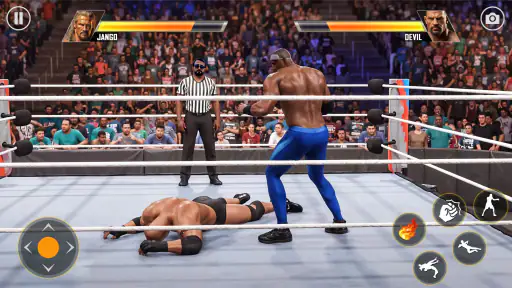
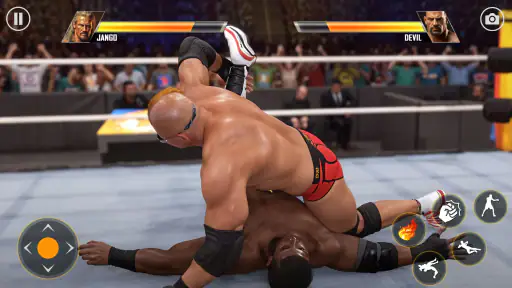
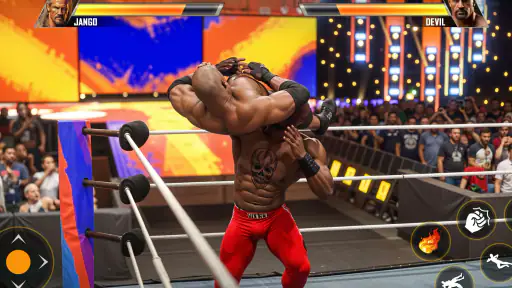
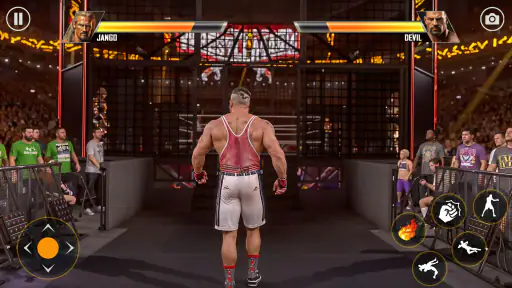
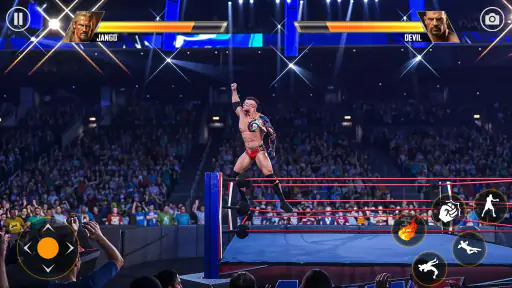
Analysis by Reviewed
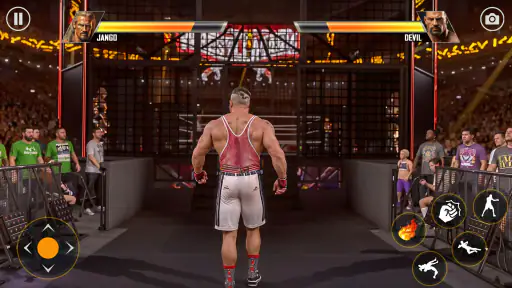
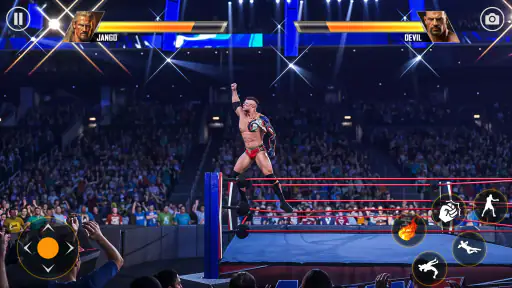
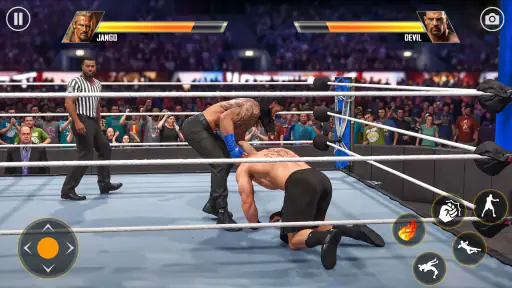
I spent time with Wrestling Games 2023 as a casual 3D sports fighter, and my first impression was that it is built for quick wrestling matches rather than a deep simulation. The idea is easy to understand: choose a wrestler, enter the ring, and focus on the physical rhythm of a match. That simplicity makes it approachable on a shared phone or tablet, especially when someone wants a short game without learning a complicated ruleset first.
It is a free game from SlayerStudio, listed in the Sports category for Android devices running version 7.0 or later. The current version is 4.4, and the game has passed the five-million-install mark. Its average score sits at 3.8 from roughly 6,600 ratings, which feels consistent with my experience: there is enough immediate action to make it entertaining, but also enough roughness and repetition that it will not satisfy everyone looking for a polished wrestling simulator.
How it works on a shared household device
The most natural way I found to use this game at home was as a short turn-taking activity. One person can play a match while another watches, then hand over the device for the next attempt. That works better than treating it like a long shared campaign, because the appeal is concentrated in the match itself rather than in a detailed social system. If you are looking for a game that two people can coordinate around in the same room, this can provide a simple “your turn, my turn” routine, but you should not assume that it offers a built-in family or multiplayer structure.
For a child and an adult sharing a phone, I would set expectations before starting. The game is labeled Teen, and the wrestling presentation is more physical than a gentle cartoon sports title. A younger player may understand the controls quickly, but that does not automatically make the content suitable for every child. I would let the adult try a match first, then decide whether the style, intensity, and overall presentation fit the household.
It also helps to agree on when the game can be played. Because the matches are easy to start, it can become a tempting distraction during homework, meals, or another person’s turn with the device. A simple household rule—one match each, or play only during a planned break—keeps the game from becoming a source of arguments. That is not a feature of the app; it is a practical way to make a free, quick-play game work better in a shared environment.
What the first session feels like
I found the opening experience fairly direct. The game communicates its purpose through wrestling action rather than through a long explanation, so the first few minutes are mostly about learning how the on-screen controls respond. That is useful for casual players who do not want to read a manual, although it also means that anyone expecting a carefully taught wrestling system may need to learn by experimenting.
My advice is to use the first match as a practice round instead of immediately judging your skill. Pay attention to the timing of attacks, movement, and defensive responses. In a wrestling game, pressing buttons quickly is not always the same as controlling the match well. Even without a highly technical simulation layer, choosing when to approach and when to wait can make the action feel less random.
On a shared device, this practice approach is especially helpful. An adult can explain the basic rhythm without taking over the whole experience, while a younger or less experienced player can learn through a low-pressure match. If the controls feel awkward at first, switching players immediately may create frustration, so I would give each person a short uninterrupted attempt before comparing results.
Boundaries around setup and use
Since the game is free, the main barrier to trying it is low. That makes it convenient for a household that wants an occasional sports game without committing to a purchase. At the same time, “free” should not be treated as a guarantee that the experience will suit every device, every user, or every family routine. I would install it on the device where the intended player can comfortably use touch controls and where an adult can review the experience before handing it over.
The age label matters here. I would not install it for a young child simply because the word “wrestling” sounds familiar from television or toys. The Teen classification is a useful signal to involve an adult in the decision. In a household with several users, the safest setup is to decide who is allowed to play, when the device is available, and whether the game is appropriate for the people who may open it.
Account boundaries are also worth considering. I would keep the game associated with the device user who is meant to play it, rather than treating a shared phone as if every person had a separate profile. That avoids confusion about whose progress or preferences are being used, although the practical experience will depend on how the device itself is organized. The game should not be presented as a replacement for separate household accounts or individualized progress management.
Another useful boundary is time. A short wrestling game can feel harmless because each session seems compact, but repeated matches can stretch a break into a much longer period. I prefer setting a number of turns or a clear stopping point before starting. This works particularly well when siblings are sharing one device: everyone knows the order, and the person waiting can see that the session has a defined end.
Coordinating turns without expecting a full multiplayer experience
One of the clearest trade-offs is that the game is easier to share socially as a spectator activity than as a coordinated competitive platform. I could imagine two people discussing tactics, reacting to a dramatic reversal, or comparing how they approach a match. I would not choose it, however, if the main goal were a robust online competition, organized team play, or a deep local multiplayer setup. The experience is better understood as individual play that can happen in the company of others.
That distinction is important when choosing a game for a household. If two players want to compete directly at the same time, a dedicated multiplayer wrestling title may be a better fit. If the plan is to pass the phone around, watch a match, and enjoy the spectacle together, this game is more suitable. The difference is not minor: it determines whether the person waiting feels involved or simply waits for a turn.
I found that coordination improves when players choose different goals. One person might focus on learning movement, another on trying more aggressive attacks, and another on seeing how long they can control the pace. This makes each turn feel less like a repeat of the previous one. It also gives a younger player a way to participate without being judged only by whether they win.
A practical routine is to let each player complete one full match before switching. Stopping halfway through can make the result feel unfinished, while allowing unlimited turns can make the shared device unavailable for too long. If the game becomes repetitive, change the challenge rather than demanding longer sessions. For example, concentrate on cleaner timing or more deliberate movement instead of simply pressing faster.
Where it differs from wrestling alternatives
Compared with a serious wrestling simulation, this game is easier to approach but less likely to satisfy someone who wants detailed rosters, authentic presentation, complex career development, or carefully tuned technical mechanics. I would choose a more established simulation-style alternative for a fan who studies real wrestling and wants the game to reflect that depth. The advantage here is that I can pick it up casually without making a large commitment of time or money.
Compared with a standard arcade sports game, the wrestling theme gives it a more theatrical feel. The match is not about scoring goals or completing laps; it is about controlling physical encounters and reacting to the opponent. That makes it a better choice for someone who wants sports action with a combat edge. It is a weaker choice for anyone who dislikes close-contact fighting or prefers calm, strategic sports such as management or turn-based competition.
Compared with a generic fighting game, the wrestling framing changes the way I approach each encounter. I am not only looking for rapid attacks; I am also watching space, timing, and the sense of a match unfolding. Still, players who expect the precision and balance of a dedicated competitive fighter may find the experience too loose. The game works best when treated as accessible wrestling entertainment, not as an esports-style test of exact execution.
Small techniques that make casual play better
The first useful technique is to slow down during the opening moments. New players often rush because the screen suggests constant action, but a few seconds of observation can reveal how the opponent approaches and how much room you have to react. This is particularly helpful when a child is playing: it turns frantic button pressing into a simple lesson about timing and patience.
The second is to use a “one adjustment per match” rule. Instead of trying to master every control at once, decide on one change, such as moving more deliberately or waiting for a better opening. After the match, discuss whether that adjustment helped. This makes the game more approachable on a shared device and gives each turn a purpose beyond winning.
The third is to separate entertainment from performance. If several people are watching, the loudest or most experienced player can easily dominate the conversation. I prefer asking the player what they were trying to do before offering advice. That keeps the game welcoming and avoids turning a free casual title into an unwanted skills test.
A fourth trade-off is screen comfort. Wrestling action can become visually busy, especially when several people are watching from different angles or distances. I would use a comfortable position and avoid handing the device around while someone is still in the middle of a move. This is a small point, but it matters in a household because poor viewing angles can make controls seem worse than they are.
Age, trust, and the right kind of player
The Teen content rating should guide the decision more than the simple sports label. I would recommend adult involvement for younger users, especially if the device is shared with children of different ages. A parent or guardian can make a quick judgment after seeing the presentation and deciding whether the physical wrestling theme is acceptable at home.
For teenagers and adults who enjoy quick matches, the game has a clear use case. It is free, easy to try, and does not require the commitment associated with a large premium sports game. Someone waiting for a bus, taking a short break, or looking for a few minutes of action may appreciate that directness. The same player may become dissatisfied after extended sessions if the repetition outweighs the fun of the matches.
I would skip it for a user who wants a realistic wrestling career, deep customization, or a highly social competitive environment. I would also skip it for a household searching specifically for a safe all-ages game, because the Teen label means the adult should make the suitability decision rather than assuming the theme is harmless. For a player who dislikes fighting altogether, the sports category will not change the basic nature of the experience.
The rating of 3.8 from around 6,600 ratings gives me a reasonable picture of its position: it has attracted a substantial audience, but it is not a universal recommendation. The game’s audience seems most likely to be casual players who value immediate wrestling action over refinement. I would take the positive interest seriously while also treating the middling score as a reminder to keep expectations realistic.
Technical expectations and everyday practicality
The minimum Android requirement of 7.0 makes the game accessible to many older devices, which is useful when a household shares an existing phone instead of buying a new one. Compatibility alone does not guarantee perfect performance on every model, so I would test it on the actual device before planning a long shared session. If the device struggles with other 3D games, I would be cautious about expecting a consistently smooth experience here.
The current version, 4.4, shows that the game has an established release line rather than being presented as a brand-new experiment. I still judge it by what happens in the match: whether the controls feel understandable, whether the action remains enjoyable after several turns, and whether the device is comfortable to share. A version number can provide context, but it should not replace hands-on judgment.
Because the game is free, it is easy to use as a trial rather than a major purchase decision. I would give it a short, focused test: play alone, then let another person try it, and notice whether the second session feels like a fresh turn or merely a repeat. That quick comparison tells you more about household suitability than the store summary alone.
My household verdict
I see Wrestling Games 2023 as a straightforward 3D wrestling game for casual sessions, especially when a teenager or adult wants immediate sports-fighting action on an Android device. SlayerStudio has aimed at accessibility rather than a full simulation, and that choice is both its strength and its limitation. I can recommend trying it when the household wants a free game that is easy to pass around, provided everyone understands that shared play mainly means taking turns or watching.
My strongest recommendation is to establish the boundaries first: confirm that the Teen rating fits the intended player, decide who uses the device, and agree on a reasonable turn length. Those steps matter because the game does not replace household coordination. Once that is settled, it can work well as a short break activity, a way to introduce someone to wrestling-themed games, or a casual challenge between people in the same room.
I would choose something else for a younger family audience, a detailed wrestling fan, or anyone specifically seeking direct multiplayer competition. I would also avoid presenting it as a long-term game before testing how quickly the matches begin to feel repetitive. For the right player, though, its free entry, accessible Android requirement, and immediate ring action make it worth a trial.
My final view is balanced: this is best enjoyed as a quick, shared-device wrestling diversion, not as a complete wrestling simulation. If that matches what you want, the game has enough direct action to earn a place in an occasional rotation. If your household needs deep progression, strong account separation, or a carefully designed multiplayer experience, look toward a more specialized alternative instead.
Pros
- Quick matches are ideal for short gaming sessions.
- Simple controls make it easy for beginners to learn.
- A broad roster offers plenty of wrestlers to try.
- Offline play is useful when you have no internet connection.
- Frequent challenges can add variety beyond standard matches.
Cons
- Some wrestlers or features may require in-app purchases.
- Match animations can feel repetitive after extended play.
- The game may display frequent advertisements between bouts.
- Limited customization can disappoint players seeking deeper options.
- Performance may vary on older Android and iOS devices.

- Category
- Sports
- Version
- 4.4