Wasteland Life: Survival Idle
- 4.12K
- 3.9
- Installs
- 5.00M
- Price
- Free

Screenshots

Analysis by Reviewed
I tend to enjoy mobile games that give me a small, clear goal without asking me to settle in for a long session. Wasteland Life: Survival Idle is built around that kind of stop-and-start play: you begin in a harsh setting and gradually turn a vulnerable camp into something more established. I find the premise appealing because it gives routine upgrades a survival context, though the idle pace will not suit everyone. The main question is whether you like checking in, making a few decisions, and letting progress unfold between visits.
What spending looks like before you settle in
This is a free role-playing game from SayGames Ltd, with optional in-app purchases priced from $0.99 to $99.99 per item. That range is worth noticing before you start: the entry cost is nothing, but some available purchases can be substantial. I’d approach it as a game to try at no cost first, rather than assuming a purchase is needed to enjoy the basic loop. The listed purchase range alone doesn’t tell me what each item does or whether it changes progress, so I wouldn’t treat spending as a shortcut until I had seen the choices in the game.
It’s rated Everyone 10+, and its average is 3.9 from around 57,000 ratings, with roughly 4,100 written reviews. Those figures suggest a sizeable audience and a mixed reception, not a guarantee that its pacing will suit everyone. It has passed 5 million installs, which makes it an established pick rather than an obscure experiment. The current version is 2.3.2, and it requires Android 8.0 or later.
Step into the Wasteland
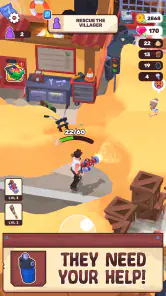
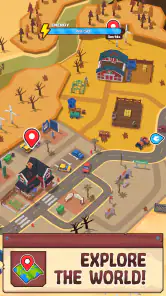
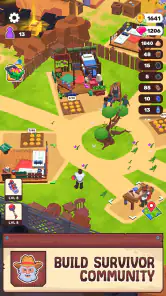
The moment you start playing, you’re greeted with a world that’s both barren and beautiful. The graphics are surprisingly detailed for an idle game, with a mix of gritty textures and vibrant colors that bring the wasteland to life. As you guide your character through the desolate landscape, you’ll find yourself drawn into the atmosphere, almost feeling the dust and sand beneath your feet. It’s not just a game; it’s an experience.
Gameplay: Survival of the Fittest
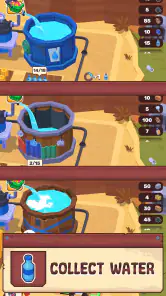
Wasteland Life: Survival Idle combines elements of traditional survival games with the addictive nature of idle gameplay. You start with nothing but your wits and gradually build up your resources, crafting tools and weapons to fend off threats. It’s a game that rewards patience and strategy, as you’ll need to carefully manage your resources to survive.
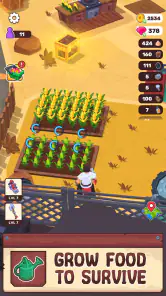
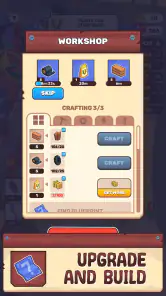
One of the standout features is the crafting system. With a wide array of items to create, from basic shelters to complex machinery, the game keeps you engaged as you work to improve your camp. The idle mechanics mean that even when you’re not actively playing, your camp continues to grow and evolve, making it perfect for those who love to see progress over time without constant attention.
How to make short visits count
The camp-building loop is easier to enjoy when I treat each return as a quick check of priorities, not an invitation to tap every available option. I would first look at the next improvement I actually want, then use the visit to support that direction. This keeps the sense of building intact: an upgrade feels like a step toward a more capable camp instead of one item in a scattered string of clicks. It is a small change in approach, but it helps an idle game feel more intentional.
More From Our News Desk

Clash of Clans Is Won Between the Battles

Android Auto Makes the Case for Quieter Car Software

MobiOffice: Transforming Mobile Productivity with Seamless Integration

EA SPORTS FC™ Mobile Soccer: Redefining Mobile Sports Gaming

How Microsoft OneDrive Became a Mobile Productivity Giant

How Google Translate Breaks Language Barriers Effortlessly
That habit is especially useful when I only have a few minutes, such as during a commute break or while waiting for an appointment. I can decide what matters, make progress, and close the game without feeling that I must stay online to get value from it. If I have a longer stretch of free time, I would still keep expectations grounded. The game’s appeal is the gradual cycle, not a promise that every session will unfold like a full-length adventure.
Progress without turning every visit into a chore
The strongest fit is for someone who enjoys checking a game in short bursts and likes watching a base take shape. I’d use it as a low-commitment break: open it during a lunch pause, decide what to improve, then leave it alone until I have time again. That’s a different rhythm from survival games that expect constant movement, precise combat, or long sessions. If you want a demanding test of reflexes or a wide-open world to explore at your own pace, a more hands-on survival RPG may be a better match.
A useful habit is to treat each visit as a small planning session rather than tapping through everything automatically. Check what your camp needs next, then focus resources toward that goal instead of spreading effort across upgrades without a clear purpose. The trade-off is that idle progress can make the game feel less urgent: if you prefer every minute to involve a meaningful decision, waiting for a camp to develop may feel slow. Its appeal is the steady loop, not constant action.
When the survival framing helps—and when it doesn’t
The wasteland theme gives the camp a reason to exist beyond collecting upgrades. In a plain idle clicker, I may lose interest once the numbers rise without a strong connection to the setting. Here, shelter, supplies, and threats make improvement feel tied to staying alive. That framing can be a useful nudge for players who like a light survival mood but do not want a demanding simulation.
There is a trade-off: players who expect survival to mean careful hunger management, realistic scarcity, or a large map full of choices may want a more complex game. Wasteland Life: Survival Idle uses the genre as an accessible framework for incremental progress. I would not choose it as a substitute for a deep survival sandbox; I would choose it when I want the feeling of developing a refuge without needing to master a dense set of systems.
Challenges and Triumphs
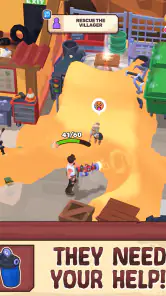
Every day in the wasteland presents new challenges. Whether it’s scavenging for food, defending against raiders, or dealing with harsh weather conditions, there’s always something that requires your attention. The game strikes a balance between being challenging enough to keep you interested and forgiving enough to let casual players enjoy it without frustration.
The real triumphs come when you successfully navigate these challenges. There’s a genuine sense of accomplishment when you upgrade your shelter or fend off a particularly tough group of enemies. It’s these moments that keep you coming back for more, eager to see what the wasteland will throw at you next.
Fairness, pacing, and the limits of what I can judge
For a fair test of the game, I’d begin without buying anything and see whether the ordinary cycle of collecting, crafting, and improving the camp feels satisfying. The purchase range gives a clear reason to pause before confirming a transaction, especially if you’re handing the game to a younger player. But price information by itself cannot establish whether purchases are cosmetic, speed up progress, or affect balance. I wouldn’t claim the game is pay-to-win—or promise that spending never matters—without knowing what a particular offer changes.
That uncertainty is also why I’d avoid making a purchase just because progress seems to slow for a moment. First decide whether you still enjoy the routine and whether the next goal is worth working toward. If the fun depends on rapid advancement, this idle format may not be right for you regardless of spending. If you like gradual camp-building, patience is part of the intended appeal.
Choosing the right comparison
Against a traditional role-playing game, this one puts more weight on developing a settlement and less on long stretches of story-led exploration or tactical encounters. Against a pure idle title, its survival setting gives the improvements a more concrete theme. Neither comparison makes it automatically better: the right choice depends on whether you want a compact management loop or a larger world that rewards active play.
It is also a different fit from competitive mobile games, where improvement is measured against other players and a ranking or match can create pressure to keep up. The appeal here is personal progress through a wasteland setting, not a contest I would approach for social status. If I wanted competitive matches, a team-based challenge, or a role-playing game with a strong narrative arc, I would look elsewhere rather than expecting this camp-building format to provide those experiences.
Who should give it a try?
I’d recommend it to casual players who like a survival setting but don’t want every session to demand full attention, and to builders who enjoy seeing a modest starting camp develop. It is less suited to players looking for deep tactical combat, competitive ranking, or a highly social experience; the appeal here is the personal survival-and-building loop rather than those alternatives. Compared with a conventional role-playing game, it emphasizes incremental management over extended battles and story-led exploration. Compared with a pure idle game, the wasteland theme and survival framing give each improvement a clearer purpose.
A realistic routine might be to check in before work, choose a camp improvement, and return later when you have a few minutes to deal with whatever needs attention. I wouldn’t expect that to replace a long gaming session; it works better as a game you can pick up and put down. If you’re deciding whether to install it, the practical question is whether gradual progress sounds relaxing or merely slow to you.
What to consider before installing
The game is free to start, which makes a brief trial a sensible way to judge its rhythm before committing to it as a regular habit. I would pay attention to two things during that trial: whether the camp’s next steps feel satisfying, and whether I am comfortable with progress that happens in small increments. Those are more useful tests than deciding from the post-apocalyptic theme alone. A setting can catch my eye, but the pace determines whether I want to return.
For families, the Everyone 10+ rating is a helpful starting point, but I would still look at the purchase prompts with a younger player before handing over a device. The optional items span a wide price range, so it is worth making sure the player understands that a purchase costs real money and should be discussed first. That is practical guidance based on the listed purchase range, not a claim about how often offers appear or how they are presented.
Final Thoughts: A Wasteland Worth Exploring
In the crowded field of mobile games, this survival idle RPG stands out as a must-play for fans of the genre. Its blend of idle mechanics and survival strategy is executed beautifully, offering a game that’s both engaging and rewarding. Whether you’re a hardcore gamer or someone looking for a casual, yet immersive experience, this game has something to offer.
So, if you’re ready to brave the wasteland and test your survival skills, give this game a try. Trust me, you won’t regret it. It’s a journey filled with excitement, danger, and discovery — and isn’t that what gaming is all about?
My trust verdict
I’d try it free and judge it by how enjoyable the camp-building feels before deciding whether it deserves more of my time or money. The premise is easy to understand, and the idle approach makes it approachable for short sessions, while the gradual pace and optional purchases call for realistic expectations. The game was released on November 21, 2023, and its current version is 2.3.2; those details help identify the edition, but they don’t change the central choice. If you want a relaxed survival-themed builder, it’s worth sampling. If you need transparent, known purchase effects before you play, or want an action-heavy RPG, I’d choose something else.
Wasteland Life: Survival Idle Frequently Asked Questions
Can I play Wasteland Life: Survival Idle offline?
If you are considering downloading Wasteland Life: Survival Idle for travel or places with unreliable internet, it is sensible to check how it behaves on your device before relying on it offline. The game’s core appeal is gathering resources, crafting, and building toward a settlement, but connection needs can vary by feature and version. Plan to have internet access available, especially when first installing or updating the game.
How much storage space does Wasteland Life: Survival Idle need?
The space required can depend on the device and the version you install, so check the download screen and your available storage before getting started. Like other mobile games, it may also need room for updates and saved game data over time. If your phone or tablet is nearly full, freeing up space first can help avoid installation problems and leave room for later updates.
What kind of game is Wasteland Life: Survival Idle?
Wasteland Life: Survival Idle is a role-playing game set in a world facing a sand apocalypse. Its central idea is to gather resources, craft, and build a city as you work to help humanity survive. If you enjoy post-apocalyptic settings with a mixture of strategy and progression, its city-building focus gives you a clear goal beyond simply exploring a wasteland.
Is Wasteland Life: Survival Idle suitable for younger players?
The game is rated Everyone 10+, so it is intended for a broad audience while being recommended for players aged 10 and up. Its survival theme takes place in a post-apocalyptic setting, but the main activities described for the game involve crafting and building. Parents can consider that age guidance alongside a child’s interest in role-playing and city-building games before downloading.
What is Wasteland Life: Survival Idle about?
Wasteland Life: Survival Idle is a post-apocalyptic survival game where players must navigate through a barren wasteland, gathering resources, crafting tools, and building shelters to survive against various threats. The game combines elements of strategy and adventure, offering an idle gaming experience with engaging challenges and immersive storytelling.
Pros
- Engaging post-apocalyptic theme.
- Easy to understand gameplay.
- Frequent updates and events.
- Offline play available.
- Diverse crafting options.
Cons
- Some in-app purchases are pricey.
- Occasional bugs and glitches.
- Limited character customization.
- Requires constant internet for updates.
- Energy system can be restrictive.

- Category
- Role Playing
- Version
- 2.3.2