Virtual Villagers 7
- 176.00
- 4.6
- Installs
- 50.00K
- Price
- Free

Screenshots






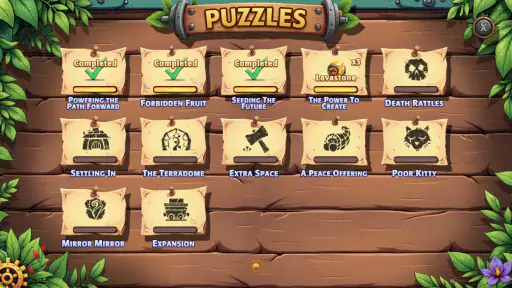
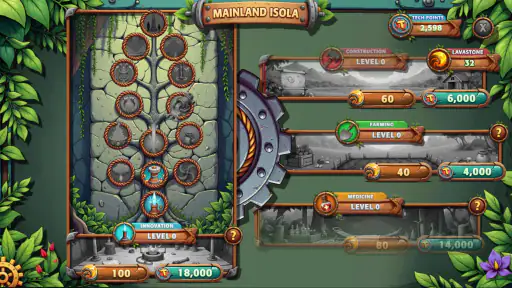
Analysis by Reviewed
I approached Virtual Villagers 7 as a quiet, long-term village simulation rather than a game meant to be rushed. Its appeal is in watching a small community develop while I decide where attention matters most. The basic idea is easy to understand, but the experience becomes more interesting when I stop treating every villager as interchangeable and start building a repeatable routine around the needs of the settlement.
That makes it a good fit for anyone who enjoys gentle management, gradual progress, and checking in on a living virtual community. It is less suitable if you want constant action, immediate rewards, or a tightly guided campaign. I found myself returning for short sessions, making a few important decisions, then leaving the village to continue its rhythm until the next check-in.
How the village feels during a normal play session
A simple routine works better than constant tapping
My usual workflow begins with a quick scan of the village. I look at what needs attention, identify which villagers are already suited to useful tasks, and then decide whether the next priority is basic survival, production, building, or general development. That first pause is important because sending everyone toward the same goal can leave another essential responsibility unattended.
The most comfortable way to play is in short, deliberate visits. I make a few assignments, observe the result, and return later instead of trying to supervise every moment. This gives the simulation room to breathe and prevents the game from turning into a repetitive sequence of tapping every available action as soon as it appears.
For a new player, I recommend choosing one immediate objective at a time. A village that tries to improve everything simultaneously can feel disorganized, especially when the available workers are limited. I prefer to stabilize the daily routine first, then use spare capacity for longer-term progress. That approach also makes mistakes easier to understand because I can connect a setback to a specific decision.
Why the early decisions matter
The opening phase is not difficult because the controls are complicated. It is difficult because every useful villager represents an opportunity cost. Assigning someone to one task means that person is not helping elsewhere, so I learned to think in terms of coverage rather than simply choosing the most attractive activity.
A practical habit is to keep at least one dependable worker available for the village’s most urgent recurring need. I avoid moving the entire population whenever a new objective appears. Instead, I shift only the people required and leave a stable core in place. This is one of the first habits that separates a calm session from a frustrating one.
I also recommend checking the result of an assignment before making several more changes. When I altered too many roles at once, it became harder to tell which choice helped and which one created a bottleneck. Small adjustments are slower in the moment, but they produce a clearer understanding of how my village is functioning.
Useful settings and check-in habits
Before settling into regular play, I would inspect the available audio, notification, and general gameplay options on the device. I do not assume that every alert is equally useful. A player who checks frequently may prefer a quieter setup, while someone who wants the village to remain part of a daily routine may benefit from keeping important reminders visible.
The best setting is the one that matches how often I genuinely intend to play. If alerts encourage me to open the game too often, they can make a relaxed simulation feel demanding. If I tend to forget a village for several days, reminders may help preserve the habit. I would also check whether sound effects are comfortable for longer sessions, particularly when playing in shared spaces.
Because the game is free to start, I would review purchase controls before handing the device to a child. The age classification is Everyone, but the presence of optional purchases ranging from $0.99 to $99.99 per item still makes device-level purchase protection sensible. That is not a criticism of the village design; it is simply a practical step for families.
Making progress without wasting attention
One of my most useful habits is separating urgent tasks from attractive tasks. A new construction goal or visible improvement can be tempting, but I first ask whether the village can support that decision without weakening its basic routine. This keeps progress steady and reduces the feeling that I am constantly repairing the consequences of my previous choice.
I also use check-ins to compare intention with outcome. If I assigned a villager to improve a particular area, I look at whether that decision actually made the next visit easier. When it did not, I change the plan instead of repeating it automatically. This sounds obvious, but simulation games often reward players who notice patterns rather than players who simply act quickly.
A second practical pattern is to group related decisions into a short planning cycle. I identify the main need, assign the smallest number of villagers necessary, and leave the rest available for maintenance or another opportunity. This gives the settlement flexibility and prevents a single project from absorbing the whole community.
Faster patterns for experienced players
Once the basic routine becomes familiar, I find that speed comes from reducing unnecessary decisions rather than tapping faster. I keep a mental list of dependable roles, temporary roles, and villagers who can be moved when the village needs a quick response. That makes each visit more focused because I am not reconsidering the entire settlement from scratch.
Another useful pattern is to make decisions in priority order: immediate stability first, planned development second, and optional improvement last. If a session ends before I finish everything, the village is still in a reasonable state. This order is especially helpful when I only have a few minutes available during a commute or a break.
For a realistic everyday example, imagine opening the game during a lunch break. I would not attempt a complete redesign. I would check the village’s current condition, correct the most important assignment, start one manageable improvement, and close the game. Later, I could evaluate the result and decide whether to continue or redirect the next group of villagers. That rhythm suits the game far better than trying to force a long, uninterrupted session.
I also recommend avoiding constant role switching. Moving villagers every few moments may feel active, but it can make the settlement less predictable and make it harder to recognize which arrangements are genuinely effective. I get better results by allowing a working pattern to remain in place long enough to judge it.
Where the simulation asks for patience
The main limitation is the pace. This is a village-life simulation, not an action game, and its slower structure will not satisfy players who want a clear reward after every tap. The same quality that makes it relaxing can make it feel passive when I am in the mood for immediate control.
There is also a mental cost to returning after a break. If I leave without remembering what the village was working toward, the next session can begin with a few minutes of orientation. I found it helpful to end each visit with a simple intention: maintain the current routine, finish a particular project, or reassess the workforce. That small habit makes the next opening much smoother.
Optional purchases are another consideration. The game can be downloaded for free, but the listed purchase range is broad, so players who are sensitive to spending should decide in advance whether they will play without buying anything. I prefer treating purchases as a boundary question rather than a progression strategy: if the normal pace is not enjoyable, spending more may not solve the underlying mismatch.
How it compares with other simulation choices
Compared with fast city builders, this game feels more personal and less focused on expanding a large map. The attention is directed toward a smaller community and the consequences of assigning people to different responsibilities. Players who enjoy watching individual villagers contribute over time may appreciate that focus.
Compared with highly detailed management games, it is easier to approach. I do not need to learn a complicated spreadsheet of systems before making a useful decision. The trade-off is that players who want deep economic optimization, extensive customization, or constant numerical control may find the experience too gentle.
It also differs from farming games that revolve around a fixed daily checklist. Here, I am more interested in maintaining a functioning group than in completing a personal shopping route or decorating a single character’s property. If my favorite part of a simulation is arranging spaces visually, another game may be a better match. If I enjoy balancing people and priorities, this one has a stronger case.
Who should play and who should skip it
I would recommend it to players who like slow progression, light management, and games that reward regular observation. It works particularly well for someone who wants a low-pressure activity to revisit throughout the day. The village provides enough structure to make decisions meaningful without demanding the reflexes of a competitive game.
I would skip it if I needed a complete experience in one sitting, disliked waiting for gradual development, or wanted a highly technical simulation with precise control over every variable. It is also not my first recommendation for someone looking for a story-heavy adventure or a social multiplayer game. Its strength is the ongoing village routine, not dramatic set pieces.
What I would do before committing to long-term play
I would begin without spending money and use the first several sessions to decide whether the pace feels satisfying. I would pay attention to how much I enjoy checking the village itself, not just the anticipation of unlocking the next improvement. If the routine remains pleasant after the novelty fades, the game is likely a good personal fit.
I would also keep notifications aligned with my schedule, protect purchases on a shared device, and establish one clear goal before closing each session. Those steps do more for the experience than trying to discover a perfect arrangement immediately. The game rewards consistency and observation, so a comfortable routine matters more than aggressive optimization.
My verdict after settling into its rhythm
Virtual Villagers 7 is a thoughtful simulation for players who enjoy guiding a community through small, connected decisions. Developed by Last Day of Work, LLC, it has built a solid audience, with an average rating of 4.6 from around 1.7 thousand ratings and more than 50 thousand installs. Those figures fit my impression: it is approachable enough for newcomers while still giving patient players room to develop their own habits.
The current version is 1.3.7 and supports devices running Android 9 or later. It is free to download, carries an Everyone age rating, and includes optional purchases. I would not describe it as a universal recommendation, because its slow pace and need for repeat visits are central to the design. For the right player, though, those are advantages rather than obstacles.
My strongest recommendation is to play it as a living routine instead of a checklist. Keep the village stable, move people with purpose, check settings so the game fits your day, and judge progress by whether each visit leaves the settlement easier to manage. The best results come from steady decisions, not constant intervention. If that sounds relaxing rather than restrictive, this village simulation is worth trying.
Pros
- Relaxing village simulation with a gentle
- easy-to-learn pace.
- Villagers continue developing while you are away from the game.
- Numerous tasks and discoveries provide goals beyond basic resource gathering.
- Family-friendly presentation with charming visuals and accessible controls.
- Offline play makes it convenient for short sessions without an internet connection.
Cons
- Progress can feel slow unless you check in regularly and manage time carefully.
- Some actions and upgrades may require patience or repeated resource collection.
- The gameplay loop can become repetitive after the main discoveries are completed.
- Limited control over individual villagers may frustrate players wanting deeper strategy.
- Older devices may experience slower performance or longer loading between areas.

- Category
- Simulation
- Version
- 1.3.7