Urban Heat
- 539.00
- 4.6
- Installs
- 1.00M
- Price
- Free

Screenshots
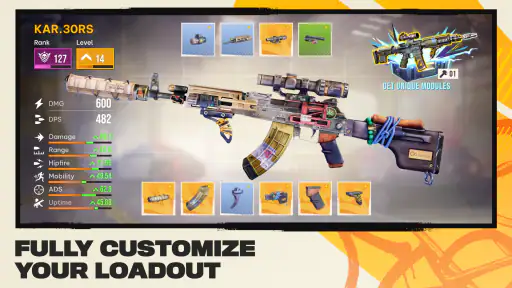
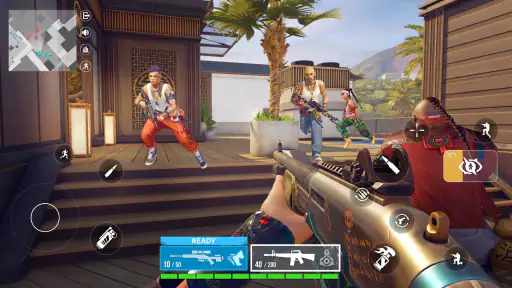
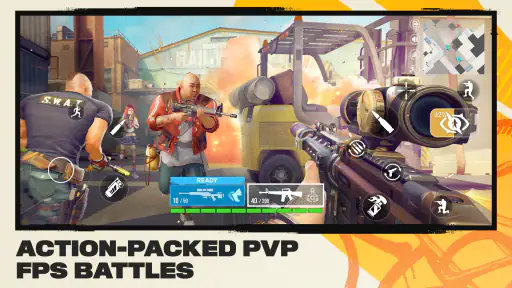
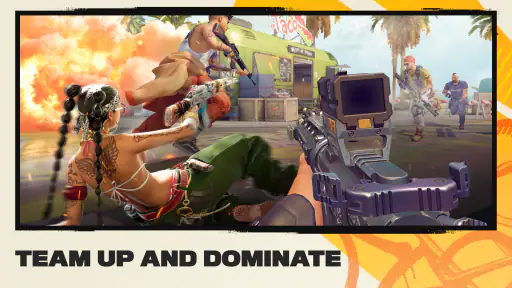
Analysis by Reviewed
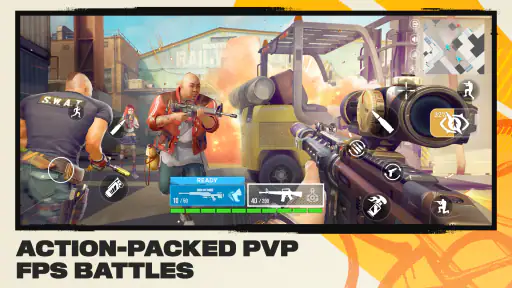
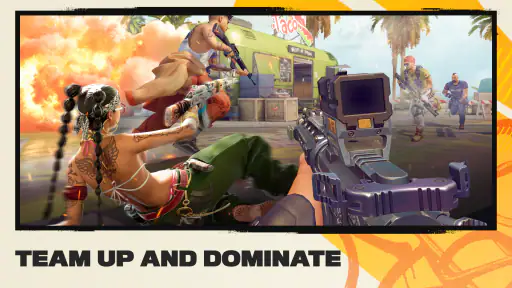
Urban Heat is the kind of action game that tries to make every match feel like a quick trip into a dangerous city block rather than a quiet menu-driven exercise. I spent time with it expecting a familiar mobile shooter, but what stayed with me was the way its urban setting, visual direction, and brisk pacing work together. The shooting is still the center of the experience, yet the streets give each encounter a stronger identity than a plain collection of arenas.
That identity matters because mobile multiplayer shooters have to earn attention quickly. There is usually no shortage of alternatives, and a game can feel disposable if its maps, sound, and movement do not support the action. Urban Heat has a clearer personality than many basic shooting games. It presents itself as a competitive street-level FPS from OneUp Games Inc, with a free entry point and a Teen content rating. The result is accessible for players who want immediate action, although the intensity and competitive pressure will not suit everyone.
The game has built a substantial audience, with more than a million installs and an average score of 4.6 from roughly twelve thousand ratings. Those figures suggest that its fast urban approach has found an audience, but they do not replace personal testing. I found the strongest reason to try it was not simply the number of players around it. It was the promise of a focused mood: close streets, sharp confrontations, and matches designed to keep moving.
From the first firefight to a clear sense of place
A strong opening impression
My first useful impression came from how quickly Urban Heat establishes its purpose. There is little need to wonder whether this is a tactical simulation, a story-heavy campaign, or a relaxed arcade diversion. It is built around urban multiplayer shooting, and the game communicates that direction through its setting and pace. I could understand the intended rhythm almost immediately: enter, read the space, react to movement, and avoid wasting time.
That directness is a strength on a phone. A short session does not need a long explanation before it becomes enjoyable. I can imagine opening it during a break, playing a few rounds, and leaving without feeling that I have abandoned a complicated narrative. At the same time, the quick access creates a limitation. Players who want a deep campaign, a large story world, or a slow progression of character relationships should look elsewhere. This is a match-focused experience first.
The first-person viewpoint also makes the streets feel more immediate. Instead of viewing a character from behind and watching the action from a distance, I am pushed into the line of sight. That choice supports the game’s urban mood because corners, doorways, and open lanes become practical concerns rather than decorative scenery. I found myself paying attention to where an opponent might appear, not just admiring the environment.
One useful habit is to treat the opening seconds of a match as a reading phase rather than an invitation to sprint. The pressure of a fast shooter can make rushing feel natural, but urban spaces often reward a brief look at the nearest cover and likely approach. I had better encounters when I used the first moments to understand the shape of the area before committing to a fight. That is a small adjustment, but it makes the pacing feel more deliberate without slowing the game down.
What the setting communicates without a long explanation
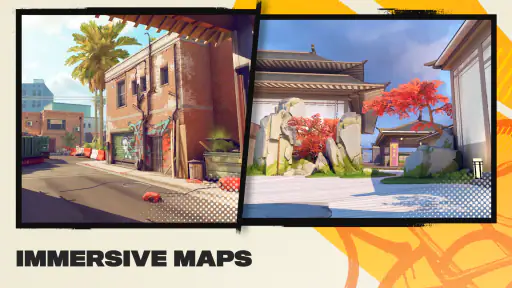
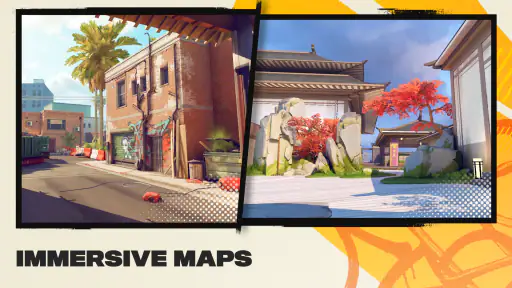
Urban Heat’s setting does more than provide a background for gunfights. The streets create a recognizable visual language: the action feels grounded in a contemporary city rather than placed in a fantasy battlefield or a distant science-fiction world. That choice gives the matches a familiar tension. A narrow route, an exposed crossing, or a hard corner can be read quickly because the environment resembles spaces I already understand from everyday life.
I especially liked the contrast between movement and confinement. The game wants matches to feel energetic, but the urban layout naturally breaks that energy into bursts. A player moves through a route, reaches a point of uncertainty, and then has to decide whether to push forward or hold position. This creates a useful conversation between the setting and the mechanics. The streets are not merely there to look gritty; they help control when the action accelerates and when it pauses for a split second.
The art direction also supports the game’s name without needing to over-explain it. There is a sense of heat in the way the action is framed: confrontations feel close, mistakes become noticeable quickly, and the city seems to compress the distance between one decision and the next. I would not call the atmosphere subtle, but it is coherent. The visual choices point toward pressure, competition, and restless movement.
That coherence is important for players who choose games partly for mood. If I want a colorful fantasy adventure, Urban Heat is not the right fit. If I want a military simulator with a restrained, realistic tone, it may also feel too immediate and stylized. Its appeal sits between recognizable urban spaces and heightened action. The game works best when I accept that it is shaping a playable mood rather than trying to reproduce ordinary city life.
How to read the visual design during a match
A practical tip is to use the environment as information, not only decoration. In a street-based shooter, visual contrast can help separate navigable routes from dead ends, and strong silhouettes can make movement easier to follow during a hectic exchange. I found it useful to glance beyond the obvious center of the screen and notice what the surrounding geometry was suggesting: a side route, a protected angle, or a space that would leave me exposed.
This also helps with the common mobile problem of visual overload. When several things happen at once, trying to process every detail is exhausting. I had more success when I reduced the environment to a few questions: where can I move, where can I briefly recover, and which direction is most likely to produce contact? That approach lets the art direction remain expressive while keeping the mechanics in view.
Sound that keeps the city active
Sound is a major part of the game’s mood because it gives the streets a pulse. The visual design tells me where I am, but audio helps me feel how quickly the situation is changing. Weapon reports, movement, and the general noise of a match make the environment seem active rather than frozen around the player. Even when I am not looking directly at an opponent, sound can increase my sense that something is about to happen.
I found that the best way to appreciate this layer is to avoid treating audio as disposable background noise. Playing with sound enabled makes the pacing easier to read. A sudden report or nearby movement can encourage me to check an angle before pushing ahead. This is not a replacement for visual awareness, and I would not claim that every sound should be treated as a precise tactical signal. Still, the audio gives the match a stronger rhythm than silent play.
There is a trade-off here. A lively soundscape can make a short match feel exciting, but it can also become tiring when I play for a long stretch. Urban Heat is better suited to focused sessions than endless background play. I would keep the volume at a level that preserves useful cues without turning every encounter into an exhausting wall of noise. Players who prefer calm, low-pressure games may find the constant urgency more draining than entertaining.
Why the pacing feels more effective when I vary my tempo
The game’s pacing is not simply fast from beginning to end. Its urban spaces create small changes in tempo: movement through a route, a moment of uncertainty, a confrontation, and then another push. I enjoyed it more when I stopped trying to maintain maximum speed. Sprinting into every situation can turn the match into a series of avoidable losses, while moving too cautiously can leave me disconnected from the action.
My most useful adjustment was to alternate between quick advances and short checks. I would move decisively through a safer stretch, then slow down near a corner or opening. That rhythm matched the design better than either constant rushing or passive waiting. It also made the atmosphere more convincing because the city felt like a sequence of pressure points rather than one continuous explosion.
This is one of the game’s less obvious strengths. The setting encourages urgency, but the mechanics still reward attention. Players who only chase speed may miss the value of timing. Players who come from slower tactical shooters may need to accept that hesitation has a cost. Urban Heat sits in the middle: it wants quick reactions, but it is more satisfying when those reactions are guided by a basic understanding of space.
Where the mechanics meet the mood
The shooting mechanics are most convincing when they reinforce the urban atmosphere. Every encounter feels close to the surrounding geometry, so positioning matters as much as the initial aim. A player who understands how to approach a route can create a better opportunity before the trigger is involved. That makes the game feel less like a target gallery and more like a contest over movement and timing.
I would not recommend approaching it as a slow, equipment-heavy strategy game. Its appeal comes from immediacy. The action is easier to enjoy when I make a decision and commit to it instead of endlessly searching for a perfect position. However, commitment does not mean carelessness. The strongest play I found combined fast movement with a quick mental check of the next piece of cover or the most likely direction of danger.
For a new player, the best early goal is not to chase an impressive result. It is to learn the relationship between the street layout and the firefight. Notice which routes expose you, which corners create awkward approaches, and how long it takes to move from one area to another. These observations remain useful even before a player feels comfortable with aiming. They turn the setting into a practical tool.
Another concrete tip is to separate mechanical mistakes from positional mistakes. If I lose an exchange, I try to ask whether I missed because of aim, poor timing, or an exposed approach. That distinction matters because each problem needs a different response. More frantic movement will not fix a bad route, and a safer position will not automatically solve weak target control. Urban Heat becomes more rewarding when I use each defeat as a small lesson about how the city is shaping the encounter.
Free to start, but not free from monetization pressure
The game is free to download, which makes trying it straightforward. That is important for a multiplayer shooter because I can judge the handling and atmosphere directly instead of committing money before knowing whether the pacing suits me. The current version is 6.1.0, and the game supports devices running iOS 10 or later, making its stated platform requirement relatively approachable for compatible users.
There are in-app purchases ranging from $0.99 to $99.99 per item. That broad range is worth keeping in mind before spending. My advice is to play long enough to understand whether the core matches are enjoyable without purchases, then decide whether any optional spending genuinely improves your experience. I would not treat the largest purchase as a shortcut to learning the maps or improving decision-making. In a competitive shooter, familiarity and judgment are still the more dependable investments of time.
This pricing structure may be comfortable for players who want a free trial and are disciplined about optional purchases. It may be frustrating for anyone who prefers a single upfront payment with a clearly finished package. Parents should also remember that the Teen rating and purchase options make it sensible to review device controls before handing the game to a younger player. The rating tells me the tone is not aimed at small children, while the purchase range makes account awareness important.
How it compares with other mobile shooters
Compared with a slower tactical shooter, Urban Heat is easier to enter but offers less reason to linger for a carefully planned operation. Its urban presentation and quick match rhythm make it better for players who want immediate contact. Compared with a broad military-themed shooter, it feels more focused on street-level identity and atmosphere instead of trying to represent every possible combat scenario.
Arcade shooters may still be a better choice for someone who wants exaggerated movement, bright spectacle, or a purely score-driven experience. Urban Heat’s strength is the tension between recognizable city spaces and competitive action. It gives the match a stronger sense of place, but that also means players who dislike enclosed routes and sudden close encounters may prefer a more open alternative.
I also think it compares favorably with generic shooting games that treat maps as interchangeable containers. Here, the setting contributes to the mood and the rhythm. The difference is not that every moment becomes profound; it is that the game has a clearer reason for looking and sounding the way it does. That coherence makes the action easier to remember after a session.
Who should play it, and who should skip it
I would recommend Urban Heat to someone who wants a free mobile FPS with a distinct urban mood, quick access to multiplayer action, and enough environmental personality to make the matches feel connected to a place. It is particularly suitable for players who enjoy reading corners, adjusting their pace, and improving through repeated short encounters rather than following a long campaign.
I would skip it if I were looking for a quiet single-player experience, a substantial narrative, or a game that can be enjoyed without pressure. It is also not my first recommendation for someone who dislikes competitive repetition. The same quick-match structure that makes it convenient can become familiar if the player does not enjoy refining routes and reactions. Those who are sensitive to intense audio or frequent visual action may want shorter sessions.
For an everyday scenario, imagine having fifteen minutes before a commute or between appointments. Urban Heat fits that gap better than a story game that needs a long uninterrupted chapter. I could play a focused round, notice one mistake in how I approached a street, and leave with a clear idea to test next time. That loop feels useful rather than empty. On the other hand, if I had only a few minutes and wanted a completely calm distraction, the competitive pressure might be more effort than I wanted.
My atmosphere verdict
What I like most is that the art direction, sound, setting, and pacing are pulling in the same direction. The city is not simply a label placed over familiar shooting mechanics. It shapes how I move, how I listen, and how I judge the next few seconds. The mood remains strongest when I play with attention instead of rushing blindly, because the environment then has room to influence my decisions.
The limitations are equally clear. This is not a universal shooter, and its free-to-play structure includes optional purchases that deserve restraint. The action can feel demanding, especially for players who want a relaxed session or who prefer a slower tactical pace. Its best qualities also depend on repetition: I need to spend time learning how the streets and confrontations work before the atmosphere becomes a genuine mechanical advantage.
Developed by OneUp Games Inc, Urban Heat has grown into a notable free action title, with more than a million installs and an average rating of 4.6 across about twelve thousand ratings. Those figures fit my overall impression: it is approachable enough to attract a wide audience, yet specific enough in tone to stand apart from a completely anonymous shooter. I would recommend trying it with sound on, playing in short focused sessions, and judging it by the way its urban mood supports the firefights.
My final recommendation is simple: choose Urban Heat if you want fast multiplayer shooting wrapped in a coherent city atmosphere, and give it time to reveal its rhythm rather than treating every match as a race. The game is at its best when the streets, sound, and mechanics feel like one system. If that combination appeals to you, this is a worthwhile free download; if you want story, calm, or a one-time purchase with no ongoing spending decisions, another kind of game will serve you better.
Pros
- Clear visuals make local heat patterns easy to understand.
- Useful for comparing heat exposure across different urban areas.
- Helps raise awareness of heat-related risks in cities.
- Relevant for residents
- planners
- and climate-conscious users.
- The topic is timely during summer and extreme-weather periods.
Cons
- Coverage may be limited to selected cities or regions.
- Some information can become outdated as conditions change.
- Requires location access for the most relevant local results.
- Heat data may be less precise in smaller neighborhoods.
- Limited value for users outside supported areas.

- Category
- Action
- Version
- 6.1.0