Undawn
- 7.02K
- 4.1
- Installs
- 5.00M
- Price
- Free

Screenshots

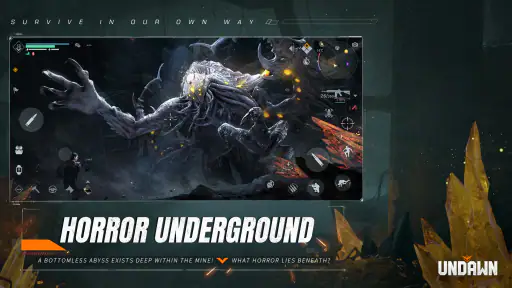
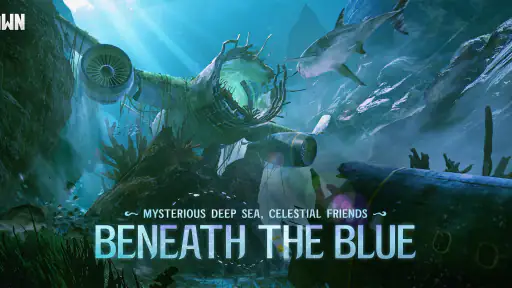
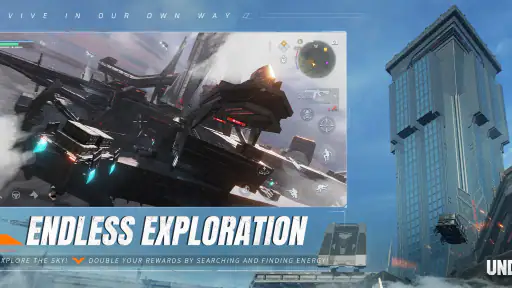
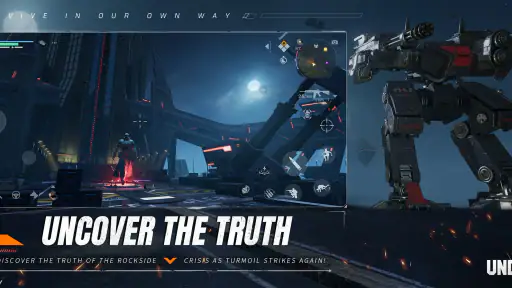
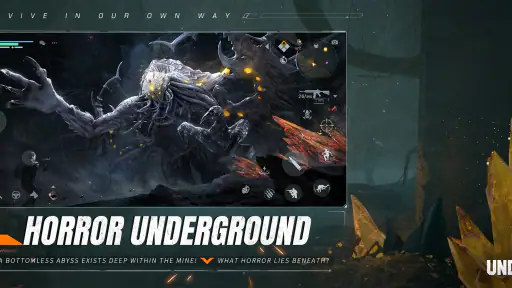
Analysis by Reviewed
Undawn is the kind of mobile action game I install when I want something larger than a quick match or a short arcade session. It combines third-person combat, exploration, crafting, building, and survival pressure in a zombie-filled open world. After spending time with it, I found a game that aims for a console-like scale on a phone, but also asks for patience, storage space, and a willingness to manage several systems at once.
Developed by Level Infinite, it is free to start and available for Android devices running at least Android 5.0. Its Teen rating makes sense: the setting is tense, the action is frequent, and the zombie theme is not presented as a lighthearted cartoon adventure. The game has passed five million installs and holds a 4.1 average from roughly ninety-four thousand ratings, which suggests that its broad approach appeals to many players while still leaving room for disagreement about performance, pacing, and monetization.
How the current version feels to play
The current version is 1.2.21, and that detail matters because Undawn is not a tiny one-purpose game. It is a live, content-heavy experience that depends on a large world, recurring activities, progression systems, and regular maintenance. My first impression was that it wants to be played as a long-term hobby rather than completed in a few evenings.
The basic loop is easy to understand. I move through dangerous areas, search for useful materials, fight hostile creatures and other threats, improve my equipment, and return to safer spaces to prepare for the next outing. The appeal comes from how those activities overlap. A trip that begins as a simple resource run can turn into a tense escape when supplies are low or enemies interrupt the route.
That structure gives the game a stronger sense of purpose than a standard wave-based zombie shooter. In a conventional action game, the main question is usually how accurately I can shoot. Here, I also have to think about whether a detour is worth the risk, whether I have prepared enough, and whether I should spend time improving my character or continue exploring.
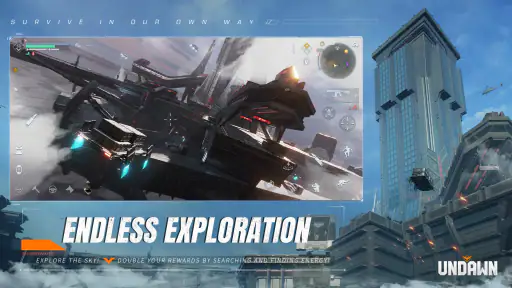
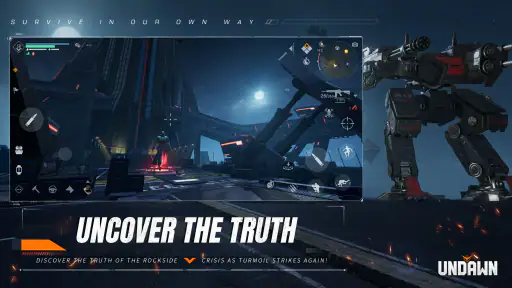
The open-world presentation is one of the main reasons to try it. The setting gives missions and resource gathering more context than a sequence of disconnected arenas. I found myself remembering locations and planning around familiar routes, which made the world feel more useful than a decorative backdrop. At the same time, the scale can make the early experience feel busy. New players are introduced to combat, survival tasks, construction, equipment, and story objectives in close succession.
Combat rewards preparation as much as reflexes
The shooting is accessible, but the game is not only testing reaction speed. Positioning, equipment choices, and knowing when to disengage can make a noticeable difference. I enjoyed the moments when I entered an area with a simple plan, adapted to what I found, and left with enough resources to make the trip worthwhile.
Players who want immediate, highly competitive action may find the combat less satisfying than a focused multiplayer shooter. Undawn spends time on travel, gathering, menus, objectives, and character development. Those slower sections are not interruptions to the design; they are part of the design. I think the game works best when I accept that rhythm instead of expecting every minute to deliver a firefight.
The survival layer also changes how I approach ordinary missions. I do not treat every encounter as something I must win through force. Sometimes the smarter choice is to prepare first, improve what I can, and return later. That is one of the less obvious strengths of the game: it gives cautious players a reason to think ahead instead of rewarding only aggressive play.
Building adds a personal reason to return
Construction is more than a side activity for me because it gives the broader progression a visible result. Improving a personal space creates a feeling of ownership that a normal equipment menu cannot provide. Even when I am not chasing the next combat upgrade, I have a reason to gather materials and continue developing my surroundings.
The trade-off is that building can compete with combat goals for my attention. Resources used for one purpose may be unavailable for another, so I have to decide whether I am currently playing as an explorer, a fighter, or a builder. That choice is useful for players who enjoy long-term planning, but it may feel like extra administration to anyone who wants a direct action game.
A practical approach is to decide on a short-term priority before starting a session. If I only have a limited amount of time, I focus on one objective rather than scattering my effort across every available system. This keeps the game from becoming a checklist and makes each outing easier to judge.
What has evolved and what that means for players
The confirmed release date is June 12, 2023, while the current version has moved on to 1.2.21. That progression tells me the game has continued beyond its initial launch state rather than remaining a fixed release build. For a player deciding whether to begin now, the important point is that Undawn should be approached as an evolving service-style game, not as a completely static package.
Version progression can be valuable for existing users because it gives the developers room to refine the experience and continue its broader direction. It also creates a practical responsibility for new players: the game may feel different over time, and long-term enjoyment depends partly on being comfortable with an experience that can change.
I would not treat the version number alone as proof that every weakness has disappeared. A newer build can represent continued development without making the game ideal for every phone or every playing style. The useful question is whether the current structure matches what I want from a mobile game: a large, persistent world with multiple forms of progression, rather than a compact title with a short learning curve.
For returning players, the evolving version is likely most meaningful when they already have an established character and routine. They can compare the current flow with what they remember, revisit familiar activities, and decide whether the newer state justifies returning. New players have a different advantage: they can enter without old expectations and judge the game on its present balance of exploration, combat, and survival management.
The effect on a normal week of play
Undawn fits best into a routine where I can play several times rather than one long session followed by a month away. A short session can be used for preparation, gathering, or a focused objective, while a longer session is better for deeper exploration and more involved combat. This flexibility is useful, but the game does not always feel equally rewarding when played in a hurry.
Imagine finishing work or school with about half an hour available. I can log in, check what I need, gather nearby materials, improve an item, and stop without forcing myself into a major expedition. On a free weekend, I can spend longer following objectives and exploring farther from safety. That difference is important: the game can accommodate both schedules, but the larger sense of adventure appears when I have enough time to let a plan develop.
Players who share gaming time with friends should also think about coordination. A broad survival world is more enjoyable when everyone agrees on a goal before setting out. One person gathering, another pushing forward, and a third managing preparation can make a session feel purposeful. Without that agreement, a group can easily split up and turn a cooperative outing into several disconnected errands.
Solo play remains worthwhile for people who like controlling the pace. I can stop to inspect an area, change priorities, or retreat without waiting for a team. The cost is that the game’s many systems can feel more demanding when I am responsible for every decision. If I prefer games that explain themselves through a single, obvious objective, this may require more patience than expected.
Where it compares well with other mobile action games
Compared with a traditional mobile shooter, Undawn offers more reasons to leave the immediate combat zone. Exploration and resource decisions give the action consequences, while building provides a longer-term goal. That combination makes it a better choice for someone who wants a world to inhabit rather than a series of matches to win.
Compared with a simpler survival game, it places more emphasis on a structured adventure and a developed action framework. I am not only gathering materials and trying to remain alive; I am also following objectives, improving my character, and moving through a larger setting. The result feels more guided than a purely sandbox-oriented survival title.
However, those advantages come with complexity. A focused shooter is easier to understand in the first few minutes, and a compact survival game may offer a cleaner sense of freedom. Undawn sits between those approaches. It is broad enough to provide variety, but that breadth can make the interface and progression feel heavier than alternatives with one central idea.
My advice is to choose it for the combination, not for any single feature. If I only want fast gunplay, another action game may be a better fit. If I only want unrestricted construction, a dedicated sandbox may be more satisfying. Undawn earns its place when I want combat, exploration, survival decisions, and personal development to feed into one another.
Remaining friction before you commit
The biggest limitation is the amount of attention the game asks for. There are many things to learn, and the open-world format can make progress feel less direct. I sometimes had to pause and decide what actually mattered for the next session instead of following every available activity. That is manageable once the systems become familiar, but it is not the smoothest introduction for someone who prefers minimal menus and immediate action.
Device suitability is another practical consideration. Although the minimum operating system is Android 5.0, that does not automatically mean every older phone will provide a comfortable experience. A large 3D world with persistent progression can place more demands on a device than a small action game. I would approach installation with realistic expectations if my phone is old, has limited free space, or struggles with other visually demanding games.
Connection quality can also affect the experience of a world designed around ongoing interaction and progression. I would avoid beginning a major expedition when my network is unreliable. Losing momentum during a long activity is more frustrating here than in a short match because preparation and travel are part of the investment.
The free-to-play structure deserves careful attention. The game costs nothing to start, but optional purchases range from twenty-nine cents to ninety-nine dollars and ninety-nine cents per item. That wide range means I would set a personal spending limit before becoming invested in progression or customization. The important discipline is not to confuse a temporary shortcut with a genuine need to keep playing.
I also think the game is a poor fit for people who dislike recurring progression. Its appeal depends on returning, improving, and gradually understanding the world. Someone looking for a self-contained campaign with a clear ending may enjoy the setting but become tired of the ongoing structure. Likewise, players who want a highly polished competitive experience with very little downtime may prefer a dedicated multiplayer shooter.
Small habits that make the experience better
One useful habit is to separate preparation sessions from adventure sessions. I get more from the game when I use one visit to organize equipment and gather what I need, then begin the next visit with a clear destination. This reduces the feeling of wandering through menus while already under pressure.
A second tip is to treat retreating as a successful decision rather than a failure. The open-world format makes it tempting to continue until every nearby resource is collected, but carrying valuable materials out safely can be more important than squeezing in one extra encounter. That mindset protects progress and makes exploration less exhausting.
A third insight is to use construction as a planning tool, not only as decoration. When I connect my building goals to resource routes and equipment priorities, gathering becomes more meaningful. If I build without a purpose, the system can feel like another demand. If I use it to support the way I actually play, it gives the wider loop a clearer direction.
Finally, I would avoid judging the game during the first few minutes. The opening stretch introduces several ideas at once, and the experience becomes easier to evaluate after I have seen how combat, gathering, and personal development interact. If the combination still feels like work after that adjustment, the game probably is not the right match rather than something I should force myself to enjoy.
Who should try it now
I recommend Undawn to players who want a substantial open-world zombie survival RPG on mobile and enjoy switching between action and preparation. It is especially suitable for people who like collecting resources with a purpose, improving a character over time, and having a personal space or project that grows alongside combat progress.
It is also a good option for someone moving from simple mobile shooters toward a more involved game. The shooting provides an accessible entry point, while exploration, survival decisions, and construction add depth for anyone willing to learn. Players who enjoy planning short sessions around a larger long-term goal may find the structure surprisingly rewarding.
I would suggest skipping it if I wanted instant matches, a tiny download-and-play commitment, or a game that can be fully understood without reading menus and comparing priorities. The same applies if optional spending makes free-to-play progression stressful. A more focused action title will provide cleaner immediate entertainment, while a dedicated sandbox may offer more freedom with fewer guided systems.
For most potential players, the safest way to approach it is as a free experiment rather than a promise of a permanent hobby. Install it, see whether the controls and pacing suit your phone, and pay attention to how you feel during the slower preparation sections. Those moments reveal more about the game’s real appeal than its most dramatic battles.
My final view of the current experience
Undawn succeeds because it gives its zombie setting more structure than simple survival panic. I am not only fighting enemies; I am deciding where to go, what to carry, which improvements deserve attention, and whether a risky trip is worth completing. The combination creates memorable situations that a straightforward shooter would not produce.
It is not effortless entertainment. The world is broad, the systems compete for attention, and the free-to-play model requires sensible boundaries. The fact that it is free makes trying it easy, but the real question is whether I enjoy its long-term rhythm. The Teen rating, action focus, and survival atmosphere also make it better suited to mature players who are comfortable with a more intense mobile adventure.
Level Infinite’s continuing version progression gives the game a sense of an active product rather than a forgotten release, while the current build still needs to be judged on its actual fit for each player. I would watch how future updates affect balance, onboarding, performance, and the relationship between effort and optional purchases, but I would not buy it on expectations alone.
My honest recommendation is simple: try it if you want a mobile game that feels like a continuing world, not a disposable distraction. Give it time to show how its systems connect, keep your spending under control, and plan sessions around one clear goal. The strongest reason to play is the way exploration, preparation, and combat influence one another; the strongest reason to pass is that the same breadth can feel demanding. For the right player, that trade-off is exactly what makes the experience worth returning to.
Pros
- Large open world with varied environments to explore.
- Deep character customization and survival progression systems.
- Cooperative gameplay makes missions and world events more engaging.
- Frequent activities
- quests
- and events help keep the experience varied.
- Impressive visuals and detailed animations for a mobile game.
Cons
- Requires substantial storage space and a capable device.
- Long sessions can drain battery quickly and cause device heating.
- Progression may feel slow without regular daily play.
- Some features and upgrades encourage spending on in-game purchases.
- The open-world map can feel repetitive after extended play.

- Category
- Action
- Version
- 1.2.21