Ultimate Custom Night
- 5.16K
- 4.6
- Installs
- 500.00K
- Price
- $2.99

Screenshots
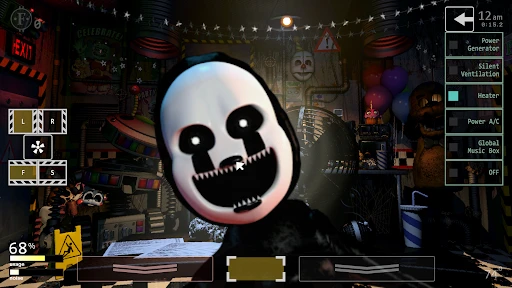
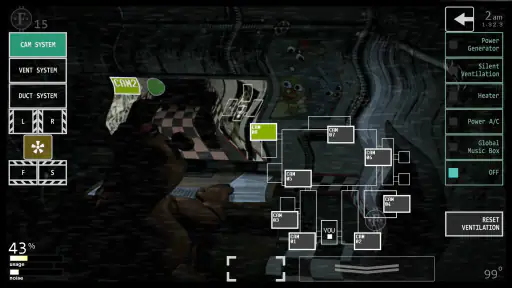
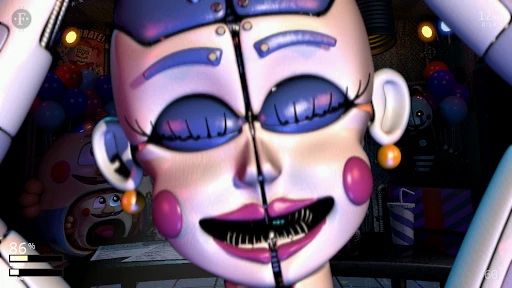
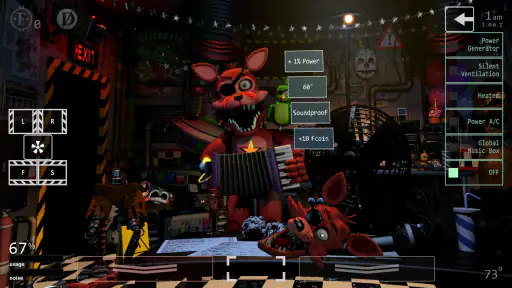
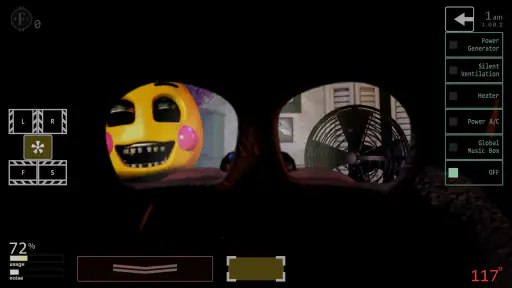
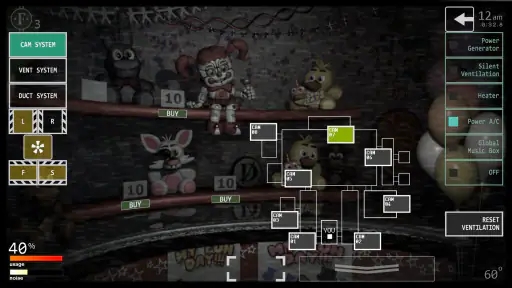
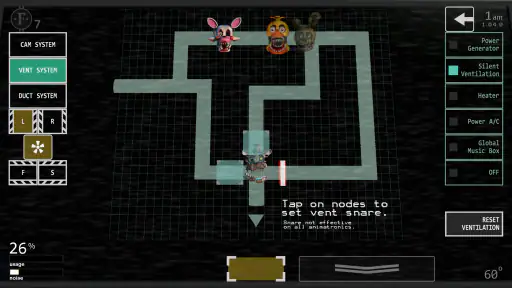
Analysis by Reviewed
When I want a horror game that rewards planning as much as nerve, I reach for Ultimate Custom Night. It turns the familiar Five Nights at Freddy’s survival setup into a series of personal experiments: choose a challenge, learn what is causing trouble, then adjust your approach. That makes it especially appealing to fans who enjoy figuring out a demanding game rather than simply watching its scares unfold.
Making early attempts useful
The game suits players who like setting their own first target. Rather than trying to face every threat at once, I’d begin with a manageable setup and pay attention to what interrupts my focus. The practical benefit is that an early loss can still answer a useful question: which demand did I overlook, and what should I prioritize on the next try?
That makes a short session surprisingly workable. After dinner, for example, I could try one configuration, notice that I keep forgetting a particular task, and finish with a clear adjustment to test tomorrow. It is a better fit for a quiet break than for playing while distracted, because the game asks you to observe, remember, and react instead of letting you coast through a level.
There is no need to treat every attempt as a test of personal skill. I find it more helpful to make each one a small experiment, especially when several threats are competing for attention. If you prefer an opening that carefully teaches every mechanic before asking you to improvise, this loose, player-directed start may feel abrupt. For fans who enjoy learning by trying, though, that freedom is part of the appeal.
Finding progress in better decisions
There is satisfaction in recognizing why a run went wrong instead of blaming every failure on bad luck. Preset challenges give that learning a structure, while choosing the threats yourself lets you isolate what is difficult. My practical tip is to change only a small part of a setup after a failed attempt. Changing too much at once makes it harder to tell which decision actually improved your chances.
This is a different kind of progress from a conventional action game that steadily hands out new gear or leads you through a chain of story missions. Here, the payoff is often better judgement: remembering which task deserves attention first and making fewer panicked decisions. That can feel rewarding for a player who likes mastery, but less satisfying if visible unlocks and a strong narrative are the main reasons you play.
A useful habit is to separate the result from the lesson. If an attempt ends quickly, I would not immediately assume the whole setup is impossible; I’d first ask whether I made a repeatable mistake or simply had too much happening to learn from that run. When you can name one change to make next time, the session has still moved your understanding forward, even without a dramatic reward screen.
More From Our News Desk

Clash of Clans Is Won Between the Battles

Android Auto Makes the Case for Quieter Car Software

MobiOffice: Transforming Mobile Productivity with Seamless Integration

EA SPORTS FC™ Mobile Soccer: Redefining Mobile Sports Gaming

How Microsoft OneDrive Became a Mobile Productivity Giant

How Google Translate Breaks Language Barriers Effortlessly
Welcome to the Nightmare
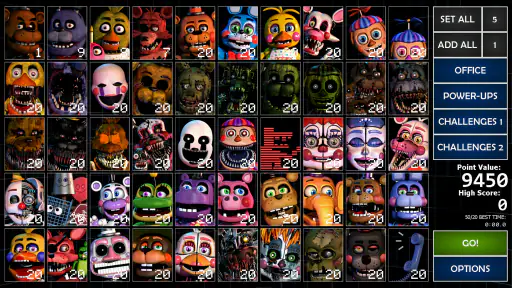
Imagine being trapped in an office with 50 different animatronics all set on making your life a living hell. Sounds intense, right? That's exactly what Ultimate Custom Night throws at you. However, the twist is, you get to choose which animatronics to face each night, allowing for a customizable horror experience. It's like a buffet of terror where you pick the poisons!
Why the challenge can feel demanding
The game is a blend of strategy and quick reflexes. You have to monitor various systems like doors, vents, and cameras while managing resources such as power. The animatronics are relentless, and each one has its own unique way of attacking, which means you need to stay sharp and be ready for anything. If you thought one or two animatronics were hard to handle, try juggling up to 50!
What’s really cool is the challenge mode, where you can test your skills with preset challenges. This mode offers a great way to improve your strategy and push your limits. Also, for those who love the thrill of competition, there's an online leaderboard where you can compare your scores with players around the world.
The important trade-off is that difficulty is not just a matter of adding more danger; it changes how much attention the whole situation demands. I would avoid increasing several pressures at once until I can handle the current arrangement consistently. That lets me distinguish a genuinely tougher setup from one that merely feels chaotic because I have not yet settled into a routine.
Keeping the pace under control
The difficulty can feel steep because the pressure comes from managing overlapping demands, not just reacting quickly. I’d treat a failed run as useful feedback: notice which task repeatedly slips, then build your next attempt around handling it earlier. If the tension starts to feel like too much, lowering the challenge is a sensible way to learn rather than proof that the game is not for you.
On a phone, the concentration this asks for is worth considering before you start. A quiet break at home is a better fit than a crowded commute if you want to follow several threats and hear the game clearly. Headphones can help make its audio cues easier to notice, though the jump scares may make that an uncomfortable choice for anyone who dislikes sudden horror.
The sound is useful, not just decorative: when I am trying to keep track of several things, listening carefully can support the visual checks rather than leave me relying on the screen alone. A sensible workflow is to begin with a simpler setup, learn which cues I need to recognize, and only then decide whether headphones help. If sudden loud scares make you tense rather than entertained, playing without them—or choosing a less startling game—is a reasonable call.
Presentation and the role of sound
Let's talk about the graphics for a second. The creepy, pixelated art style adds a nostalgic touch to the game, reminiscent of the original Five Nights at Freddy's titles. The sound design is just as stellar, with eerie background noises and sudden jump scares that are sure to send shivers down your spine. Trust me, playing this game in the dark with headphones on is an experience you won’t soon forget!
That presentation also helps explain why the game will not suit every horror fan. Its appeal is built around tension, monitoring, and surprise rather than a cinematic story unfolding at a relaxed pace. If you want atmosphere without frequent interruptions, or horror that is less dependent on abrupt scares, I would look elsewhere. If you enjoy feeling alert and slightly on edge while solving a demanding problem, the style works in its favor.
Why the format invites another try
One of the best things about Ultimate Custom Night is its replayability. The sheer number of animatronic combinations means no two nights are ever the same. You can spend hours experimenting with different setups and strategies, making every playthrough feel fresh and exciting. Plus, with regular updates and fan-made content, there's always something new to explore.
For me, the strongest reason to return is the chance to test a better plan, not a promise that every retry will feel new. A small change in the chosen challenge can make an attempt teach something different, but repetition is still repetition: if you dislike learning through retries, the open-ended format may become tiring. It helps to decide on a stopping point before beginning, particularly when a run has started to feel more frustrating than interesting.
Choosing the right kind of replay
For me, replaying works best when I set a narrow target instead of expecting every session to feel like a major milestone. I might try to keep one troublesome situation under control, then stop once I understand what went wrong. That makes the game easier to fit into an ordinary evening and reduces the temptation to keep retrying when I am tired and no longer making good decisions.
Compared with action games built around a sequence of levels, this one puts more weight on player-chosen scenarios and learning through repetition. That freedom is its strength, but it also means there is less of a guided sense of “what comes next.” If you want a carefully paced campaign, another horror game with a clear story path may be a better choice. If you enjoy tuning a challenge and seeing whether your own plan holds up, the format has much more staying power.
That distinction is useful when deciding what to play on a particular day. If I have the patience to focus and want a problem I can revisit, this is a compelling choice. If I only have a few distracted minutes or would rather follow a clear sequence of objectives, a level-based action game will probably feel more immediately satisfying. The custom setup gives you control over the kind of pressure you face, but it does not turn the game into a guided campaign.
Who should pay for it, and what to expect
Clickteam USA LLC developed this action game, which is rated Teen. It costs $2.99, and the game also lists in-app purchases at $4.99 per item, so I’d check the purchase details before spending beyond the initial price. It has a 4.6 average from around 34,000 ratings and has passed 500,000 installs. Version 1.0.7 supports Android 6.0 and later.
For a prospective buyer, the useful question is not simply whether the game has plenty to do, but whether its particular loop is enjoyable: choose a challenge, manage several demands, learn from mistakes, and try again. Its audience rating is Teen, so I would also consider whether jump scares and sustained horror tension are appropriate for the person who will play. The upfront cost makes most sense for someone who expects to spend time refining approaches, rather than someone looking for a brief story-led experience.
The listed in-app purchase price is another reason to make the purchase decision deliberately. I would check what an item offers before buying and treat optional spending as separate from deciding whether the core game suits me. If you are uncertain about the format, the more important issue is whether you enjoy self-directed challenges; extra purchases cannot make a player who dislikes retries enjoy the central loop.
My progression verdict
If you are deciding whether to buy it, the key question is whether you enjoy self-directed difficulty more than a guided campaign. I’d recommend it to FNaF fans who like testing strategies and can handle repeated failure; I’d skip it if sudden scares, busy multitasking, or open-ended goals sound frustrating. The price may be worthwhile for someone who will return to build and refine challenges, while a player seeking a one-and-done story experience may get more from a different game.
My overall recommendation is therefore specific: choose it when you want a demanding horror sandbox that rewards careful observation, and pass when you need a clear narrative path or a gentle pace. I would also avoid starting a difficult attempt when tired or distracted, since that makes it harder to learn from mistakes and easier to mistake frustration for a lack of progress.
In conclusion, if you're a fan of horror games and love a good challenge, Ultimate Custom Night is a must-download. Its unique blend of strategy, horror, and customization makes it a standout title in the genre. Just be prepared for some sleepless nights, because once you start playing, you won't want to stop. Happy surviving!
Ultimate Custom Night Frequently Asked Questions
What is Ultimate Custom Night?
Ultimate Custom Night is a survival horror game that combines elements from the Five Nights at Freddy's series. It allows players to customize their gaming experience by selecting from 50 animatronic characters and adjusting the difficulty level. The goal is to survive through the night by managing resources and avoiding being caught by the animatronics.
Is Ultimate Custom Night free to play?
Yes, Ultimate Custom Night is free to download and play on both Android and iOS platforms. It offers a complete gaming experience without requiring any in-app purchases. However, players can choose to support the developers through optional purchases if they wish.
What are the system requirements for Ultimate Custom Night?
To enjoy Ultimate Custom Night on mobile devices, users should have a device running Android 6.0 or higher, or iOS 10.0 or later. The game requires a minimum of 2GB RAM and a stable internet connection to download and install. It’s recommended to have ample storage space to avoid any installation issues.
Can I customize the animatronics in Ultimate Custom Night?
Absolutely! Ultimate Custom Night allows players to fully customize their experience by selecting from 50 different animatronic characters. Players can adjust the difficulty settings for each animatronic, choosing from a range of levels from 0 to 20, allowing for a highly personalized and challenging gameplay experience.
Does Ultimate Custom Night have multiplayer features?
No, Ultimate Custom Night is a single-player game. It focuses on providing an intense and personalized horror experience tailored to individual play styles. Players can share their custom night setups and scores with friends but cannot play together in a multiplayer mode.
Pros
- Highly customizable gameplay options.
- Includes 50 different animatronics.
- Challenging and engaging mechanics.
- Offers diverse strategies and tactics.
- Frequent updates and community support.
Cons
- Steep learning curve for beginners.
- Limited storyline and narrative depth.
- Navigation can be confusing at times.
- Graphics are not very advanced.
- Soundtrack gets repetitive quickly.
- Category
- Action
- Version
- 1.0.7