Five Nights at Freddy's
- 32.39K
- 4.7
- Installs
- 1.00M
- Price
- $2.99

Screenshots

Analysis by Reviewed
I’d think of Five Nights at Freddy’s as a game for a particular kind of free moment: one where I can sit still, pay attention, and enjoy being a little unsettled. Its horror comes from monitoring a confined space and deciding when to act, not from roaming a large map or fighting enemies directly. That focused setup gives it a distinctive feel, though it also means the game is a poor match for anyone who wants a relaxed, hands-off session.
A good fit for attentive, short sessions
I’d recommend this action game to players who like turning a small set of tools into a tense decision-making puzzle. It suits short, focused sessions better than casual background play: I wouldn’t open it while chatting or watching something else, because watching the cameras and listening for changes are central to the experience. If you want combat, exploration, or a character you can move around freely, this is probably not the right horror game for you.
It also helps to know what sort of scare you enjoy. The fear here comes from waiting, checking, and wondering whether a sound matters, rather than from constant action. Compared with action-horror games that let you run through large spaces, this keeps the pressure close and controlled. That’s a strength when you want a compact, nerve-testing challenge, but a limitation if you prefer a more varied pace or dislike jump scares.
Where it fits among mobile horror games
When I compare it with the usual mobile horror options, the biggest difference is how little space the game gives you to escape the problem. Many horror games build tension through exploration, hiding, or moving through a changing environment. Here, the office is the point: you watch, listen, and decide how to use the limited tools available. That makes it easier to understand the basic objective, but not necessarily easier to survive.
This design is especially effective for someone who enjoys learning a compact system. Rather than memorizing a maze or getting comfortable with combat controls, I have to notice patterns in the information the game gives me and avoid wasting resources. The trade-off is repetition. If I want a fresh setting or a new action routine every few minutes, a more exploratory horror game would probably hold my attention better.
Making a small window of time count
A realistic way I’d play is to set aside a quiet stretch after dinner, put the phone on a stable surface, and focus on one attempt at a time. If I lose, I can think about whether I checked too often, reacted too quickly, or missed a cue, then try again with a more deliberate plan. That makes a short session feel purposeful even when I don’t complete a night.
I would avoid starting a run when I’m likely to be interrupted. The tension depends on following what is happening, and breaking away to answer a message can leave me unsure what changed. I also wouldn’t choose it as a commute game if the surroundings make audio cues hard to hear. For a noisy place, a quieter or less sound-dependent game is a more practical choice.
More From Our News Desk

Clash of Clans Is Won Between the Battles

Android Auto Makes the Case for Quieter Car Software

MobiOffice: Transforming Mobile Productivity with Seamless Integration

EA SPORTS FC™ Mobile Soccer: Redefining Mobile Sports Gaming

How Microsoft OneDrive Became a Mobile Productivity Giant

How Google Translate Breaks Language Barriers Effortlessly
The Thrill of the Night
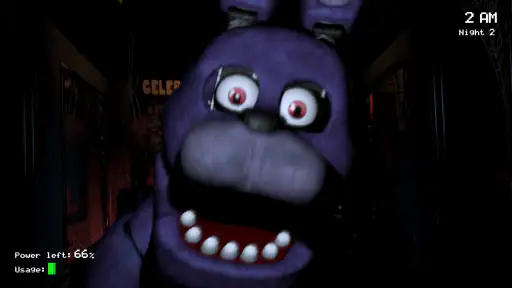
Imagine this: you’re the newly hired night security guard at Freddy Fazbear’s Pizza, a seemingly innocent family-friendly restaurant. But as the clock strikes midnight, the animatronic characters come to life, and not in a cute way. Your job is simple—survive until 6 AM. Sounds easy? Think again. Five Nights at Freddy’s is the epitome of suspense. Every creak, every flicker of the light, and every shadow could mean something’s lurking just around the corner. It’s this constant tension that keeps you glued to your screen, heart pounding and palms sweaty.
Gameplay Mechanics
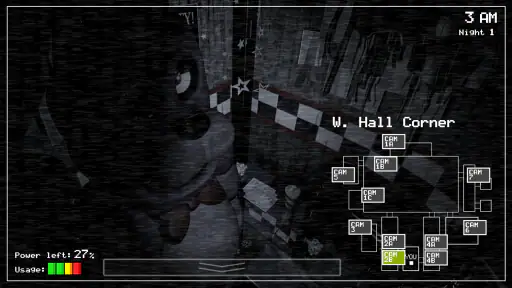
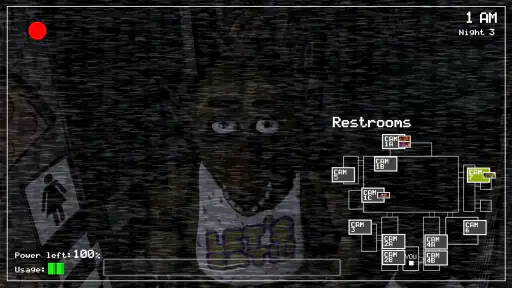
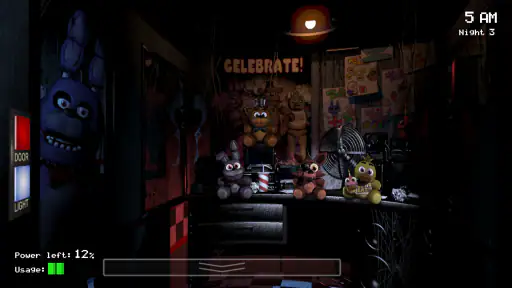
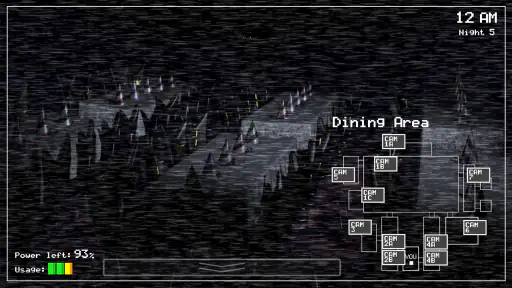
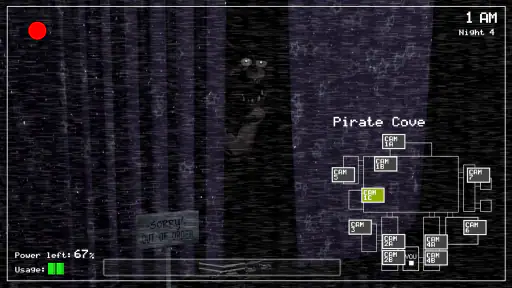
The mechanics of the game are straightforward, yet they hold a certain genius simplicity. You’re stationed in a security office with limited power to operate security cameras, lights, and doors. The challenge lies in managing these resources carefully. Run out of power, and you’re left defenseless against the animatronics. It’s a delicate balance of strategy and nerves of steel. The game’s design cleverly uses sound as an integral element, so playing with headphones is a must for the full experience.
Small decisions make the early nights click
At first, the key goal is not to watch everything constantly; it’s to learn which checks are worth the power they cost. I find it more useful to build a calm, repeatable rhythm than to react to every uneasy noise with a camera check or a door. A practical tip is to treat each glance as a question: what do I need to confirm, and what can I leave alone for now? This keeps the resource puzzle in view instead of turning the night into frantic button pressing.
That approach also makes the game easier to pick up in brief sessions. If I have a little time after dinner, I can focus on one attempt, notice where I hesitated, and stop without needing a long uninterrupted evening. The trade-off is that a failed run can feel abrupt, especially when a small mistake late in a night erases a stretch of careful play. I’d choose a quiet moment and keep the phone steady rather than trying to play while walking or switching between apps.
A Chilling Atmosphere
One of the most impressive aspects of Five Nights at Freddy’s is its atmosphere. The game doesn’t rely on flashy graphics or gory visuals. Instead, it masters the art of psychological horror. The dimly lit corridors, the hauntingly cheerful jingle of Freddy Fazbear, and the unsettling silence all contribute to a sense of dread that’s hard to shake off. It’s this kind of atmosphere that gets under your skin, making you jump at the slightest sound.
What truly sets this game apart is its ability to create a narrative through minimalistic storytelling. As you progress, you uncover snippets of the restaurant’s dark history, piecing together the mystery behind the possessed animatronics. It’s a subtle yet effective way to keep players engaged, always hungry for more clues.
Learning without a checklist
The game’s early goals feel practical rather than abstract: keep the shift going, pay attention to what the cameras and sounds reveal, and make choices without draining the resources you need later. I like that the basic task is clear from the start. I don’t have to spend a long time learning a complicated control scheme before the central tension begins.
One useful habit is to review a failed attempt in terms of decisions, not luck alone. Did I use a tool because I had evidence, or because I was nervous? Did I spend too long checking one place while ignoring the rest of the situation? Those questions give a replay a purpose. They also help me avoid turning every unsettling sound into an automatic response, which can be costly in a game built around limited power.
How progress feels, and when the pressure becomes tiring
The clearest progress signal is your growing ability to anticipate danger rather than simply panic at it. Learning to spend less attention on irrelevant details is satisfying because it feels earned through observation. The rising challenge asks you to apply that understanding under tighter pressure, so replaying a night can become a useful lesson instead of a pure reset. I wouldn’t call the pacing relaxing, though: the limited-power decisions and sudden scares keep even familiar routines tense.
For a realistic use case, this works well as a short evening game when I want a focused scare and can give the screen and audio my attention. It is less suitable on a commute if noise makes listening difficult, or late at night if a jump scare would genuinely bother me. Headphones help with the sound cues, but they also make the atmosphere more intense; I’d lower the volume to a comfortable level rather than trying to make every sound louder.
How challenge changes the value of a replay
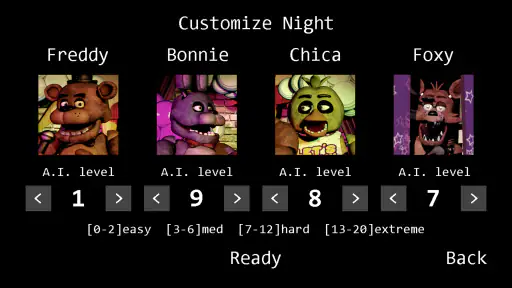
When a night goes badly, the restart is most worthwhile if I can name one decision I want to change. That turns repetition into practice: I can test whether a steadier checking rhythm or a more selective use of the controls keeps the situation manageable. If I simply repeat the same frantic pattern, the next attempt may feel like a rerun rather than progress.
The challenge is not equally enjoyable for everyone. Players who like trial, observation, and measured resource use may find it rewarding to improve gradually. Players who want a forgiving game that clearly explains every mistake may find its tension frustrating. I also wouldn’t promise myself a smooth difficulty curve: the pressure can feel sharp because a run depends on balancing attention and limited power, and a late error can cost the whole attempt.
Practical details before you buy
Clickteam USA LLC developed this paid mobile game, which costs $2.99. It has a 4.7 average from around 156,000 ratings, and it has been installed over a million times. The game is rated Teen, so parents should consider whether its suspense and jump scares suit the player. It was released on August 24, 2014, and version 2.0.6 requires Android 6.0 or later. In-app purchases range from $0.99 to $4.99 per item, so I’d check the purchase options before handing a device to a child.
One useful decision is whether to buy it for a particular mood, not just because it is famous. The paid entry price makes sense if you want a carefully paced survival-horror challenge, while a free horror game may be a better fit if you are only curious and unsure whether this watch-and-manage format appeals to you. The game’s small-room setup is also a different kind of commitment from a sprawling adventure: its appeal comes from sharpening attention within a confined space, not from exploring a large world.
What to expect from its staying power
The game’s reason to keep playing is mostly tied to getting better at the night-to-night challenge, not to collecting a constant stream of new rewards. That can be a real strength: I’m motivated by noticing that I’m making calmer choices and lasting longer. But if I need regular unlocks or a steady supply of different activities to stay interested, this may not be enough on its own.
It is also worth deciding how much intensity suits the moment. The limited tools and sudden scares make it a poor pick for background play, and the same qualities that make it memorable can make a late session feel more stressful than fun. I’d save it for a time when I’m in the mood to concentrate, rather than treating it as a casual filler game.
So, why should you give Five Nights at Freddy’s a shot? Well, if you’re a fan of horror games that challenge your wits and nerve, this game is a must-play. It’s not just about jump scares; it’s about the experience of being trapped in a nightmare that you can’t wake up from until the clock strikes six. And let’s be honest, who doesn’t love a good scare every now and then?
My verdict on its staying power
The progression works best for players who enjoy mastering a clear routine, then testing it as the nights demand more careful choices. Unlocks and milestones matter less to me here than the practical improvement I can feel in my decisions. That gives the game a strong reason to continue, but it may not sustain someone who needs frequent new environments or a broad stream of rewards. If the central loop stops feeling tense, repetition can become a drawback rather than a challenge.
Before starting, I’d check that the device meets the Android requirement and that the player is comfortable with Teen-rated horror. The current version is 2.0.6; that is useful to know for compatibility, but the more important question is whether you enjoy listening closely and managing limited resources. If you want a horror game to play one-handed in noisy surroundings, or prefer exploration over careful monitoring, I’d choose something else.
In conclusion, Five Nights at Freddy’s is a game that delivers an unforgettable horror experience. Its unique blend of strategy, suspense, and storytelling makes it a standout title in the gaming world. So, turn off the lights, put on your headphones, and get ready to face the animatronics. Just remember, they’re always watching.
Five Nights at Freddy's Frequently Asked Questions
What should I know about the atmosphere before downloading Five Nights at Freddy's?
Five Nights at Freddy's leans on suspense, eerie surroundings, and sudden scares rather than a relaxed or lighthearted mood. The animatronics create a persistent sense of danger, so even watching the cameras can feel tense. If you enjoy horror games that make you anticipate threats and react carefully, that atmosphere is a major part of the appeal; players who dislike jump scares may find it uncomfortable.
Can I play Five Nights at Freddy's in short sessions?
The game is built around surviving individual night shifts, giving its central challenge a clear beginning and end rather than requiring a long, continuous adventure. Each shift asks you to watch for the animatronics and manage your limited resources, so a short session can still feel demanding. It suits players who want a focused survival challenge, though the tension may make even one night feel intense.
Is Five Nights at Freddy's a good choice for someone new to horror games?
Its basic premise is easy to understand: monitor the animatronics, use the available controls carefully, and try to make it through the night. That straightforward setup can make it approachable for newcomers, but the horror atmosphere and sudden scares are still central to the experience. If you are new to the genre, consider whether you are comfortable with tense scenes before deciding to play.
Who developed Five Nights at Freddy's, and what kind of game is it?
Five Nights at Freddy's is an action game developed by Clickteam USA LLC. It places players in a tense, horror-themed setting where watching the animatronics and choosing when to use the available controls are central to surviving each shift. Its compact premise is easy to understand, but the pressure of tracking threats and conserving power gives the gameplay its distinctive challenge.
What is the price of Five Nights at Freddy's, and does it include in-app purchases?
Five Nights at Freddy's costs $2.99, and it also offers in-app purchases priced from $0.99 to $4.99 per item. The purchase options are worth checking before downloading, especially if you prefer to avoid additional spending after buying a game. The core experience centers on surviving the nights, while the listed in-app purchases may offer optional extras for players who want them.
Pros
- Immersive horror experience
- Challenging gameplay mechanics
- Unique storyline and lore
- Atmospheric graphics and sound
- High replay value
Cons
- Can be too scary for some
- Limited gameplay variety
- Repetitive tasks
- Short game length
- No multiplayer mode
- Category
- Action
- Version
- 2.0.6