Five Nights at Freddy's 4
- 7.00K
- 4.6
- Installs
- 1.00M
- Price
- $2.99

Screenshots

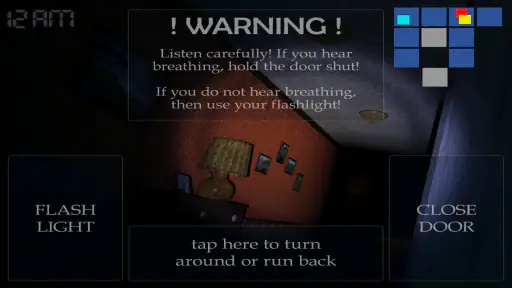

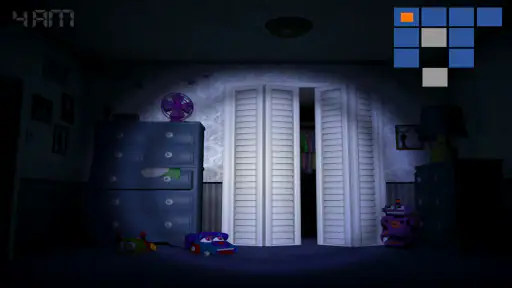
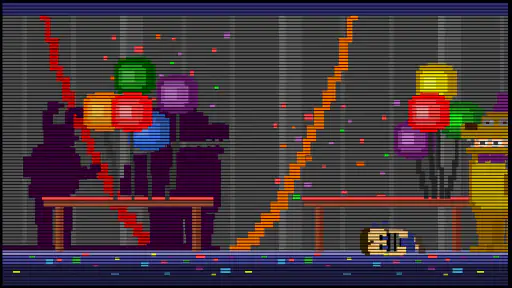
Analysis by Reviewed
I find Five Nights at Freddy's 4 works best as a tense, short-session horror game rather than something to play while chatting or watching a show. Its bedroom setting makes the threat feel unusually close, and the quiet stretches ask for your attention in a way that suits a calm evening at home. If a phone or tablet gets passed around, I’d agree on whose turn it is and keep the room quiet: listening is part of the challenge, not just a way to add atmosphere.
One device, one focused turn
As an action game from Clickteam USA LLC, this entry trades the broader feel of a night-shift setting for a more intimate routine: watch the bedroom, check likely trouble spots, and respond to what you hear. That makes it easy to explain to someone waiting for a turn, but not especially suited to group play. A friend can watch, yet suggestions shouted over the audio may make it harder for the player to judge the cues. I’d treat it as a one-person-at-a-time game, then compare notes afterward rather than trying to coordinate every move live.
That setup also helps with account boundaries on a shared device. The game is something to hand over for a turn, not a shared household activity that needs everyone making decisions at once. Keep the device with the person playing, and avoid assuming that one person’s progress or preferences should stand in for another’s. If several people want to try it, each can decide whether the horror is for them before the next turn begins.
Who will enjoy the tension—and who won’t
I’d recommend it to players who enjoy learning a small set of actions and then using sound and timing under pressure. If you like horror that makes you pay attention instead of simply giving you a string of loud surprises, the listening-focused approach has a distinctive appeal. On the other hand, it is a poor fit for someone who wants a relaxed game to play with music on, or who dislikes being startled and sitting in suspense. In that case, a less intense action game is a better pick.
Compared with the usual action games built around movement, aiming, or rapid visual decisions, this one asks you to slow down and listen before acting. That restraint is its strength, but also its main hurdle: the quiet can feel like a meaningful warning once you understand the rhythm, while early attempts may feel unforgiving if you react too quickly or miss a cue. I’d give myself a few uninterrupted tries before deciding whether the style clicks. Playing in a noisy shared room makes that first impression less fair.
Small practical choices that make a difference
For a realistic household scenario, imagine someone starting a session after dinner while another person is nearby using the same room. I’d first ask for a few quiet minutes, use headphones if that suits the player, and let them finish a tense attempt before passing the device on. Headphones can make the sound easier to follow, but they also make the experience more absorbing; they are not a good choice if the player needs to stay aware of people speaking to them. The right setup depends on whether concentration or awareness matters more at that moment.
Don’t treat every sound as a reason to rush. The game’s door, closet, and listening checks reward attention, so a useful habit is to pause long enough to interpret what you hear before committing to an action. That is a practical trade-off: hesitation can cost time, but frantic checking can make it harder to notice the cue that matters. I also wouldn’t use a first attempt as a test of whether someone is “good at horror games”; the design is deliberately stressful, and comfort with that pressure varies.
More From Our News Desk

Clash of Clans Is Won Between the Battles

Android Auto Makes the Case for Quieter Car Software

MobiOffice: Transforming Mobile Productivity with Seamless Integration

EA SPORTS FC™ Mobile Soccer: Redefining Mobile Sports Gaming

How Microsoft OneDrive Became a Mobile Productivity Giant

How Google Translate Breaks Language Barriers Effortlessly
Age, cost, and what to expect
The game carries a Teen age rating, so I’d make the choice with the actual player in mind rather than assuming that a household’s youngest device user should try it. Its nightmare imagery and sustained tension are central to the experience, not incidental details. If a younger family member asks to play, I’d preview the tone together and let them opt out without pressure. A rating can help frame the decision, but individual reactions to horror matter too.
It costs $2.99, and its 4.6 average from around 39,000 ratings suggests a broadly positive reception. It has passed 1 million installs, while version 2.0.3 requires Android 6.0 or later. Those details make the purchase and compatibility question straightforward, but they don’t tell you whether the audio-led tension will suit your taste. I’d decide based on that central mechanic: if careful listening sounds engaging, the modest one-time price is easier to justify; if you mainly want fast, continuous action, I’d spend my time elsewhere.
The Nightmare Begins
Unlike the previous games where you play as a night guard trying to survive shifts at Freddy Fazbear's Pizza, Five Nights at Freddy's 4 puts you in the shoes of a young child. This change of perspective significantly ramps up the fear factor. You're not just dealing with creepy animatronics; you're facing your childhood nightmares head-on. The game effectively taps into universal childhood fears, making it relatable and terrifying at the same time.
Atmosphere and Gameplay
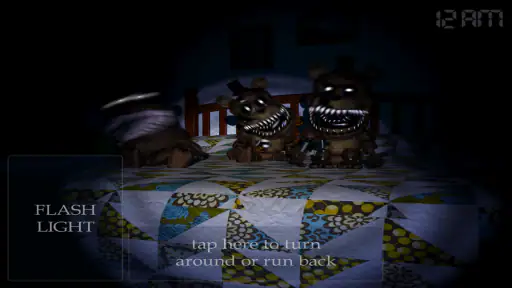
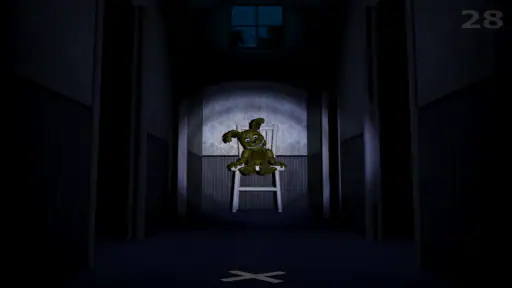
One of the game's strongest points is its atmosphere. The developers have done an incredible job of creating a sense of dread and impending doom. The dimly lit rooms, the eerie silence interrupted by sudden noises, and the menacing presence of animatronics lurking in the shadows all contribute to a spine-chilling experience. You’ll find yourself constantly on edge, listening closely for any movement while trying to survive until morning.
The gameplay mechanics, while simple, are incredibly effective. You have to manage doors, check closets, and listen carefully for breathing to fend off the animatronics. It's a nerve-wracking experience that keeps you on your toes, requiring quick reflexes and a keen ear. The minimal controls add to the tension, forcing you to focus more on the auditory cues rather than complex maneuvers.
Graphics and Sound Design
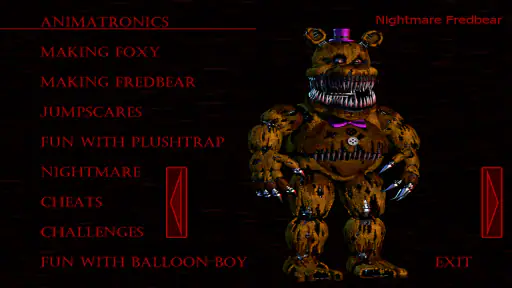
Graphically, the game is impressive, especially considering its indie roots. The design of the animatronics is both creative and terrifying, with each character more nightmarish than the last. The attention to detail in the environments and the characters enhances the overall immersive experience.
Sound design plays a crucial role in the experience. The game uses sound to create tension and fear masterfully. From the creaking floorboards to the distant laughter of animatronics, every sound is designed to keep you on edge. It's best played with headphones to fully appreciate the directional audio cues that are essential for survival.
What to know before handing over the device
For a household with one shared phone or tablet, I’d treat the game as a turn-based experience rather than a title everyone casually dips into together. A person watching can learn from a run, but they should avoid calling out guesses while the player is listening; competing voices can blur the very cues that guide decisions. A better routine is to let one person complete an attempt, then talk through what seemed important before the next player takes over. That gives everyone a chance to participate without turning the room into a distraction.
It also helps to separate the device’s everyday role from the game session. If someone needs the phone for messages or another household task, pause the handoff until the player has reached a natural break rather than interrupting at a tense moment. The game’s suspense makes interruptions feel more disruptive than they would in a casual puzzle game. On a shared device, agreeing in advance on a quiet window and a clear end to a turn is a simple way to prevent frustration.
Players wondering whether headphones are essential should think about the room they are in. They can make subtle audio easier to notice, which is valuable here, but they reduce awareness of nearby conversation. In a quiet room where the player can focus, that trade-off may be worthwhile; in a busy household, playing through the device speaker at a sensible volume may be more considerate, even if it makes the cues harder to pick out. I’d choose based on the player’s surroundings rather than treating headphones as a universal rule.
How it differs from other action and horror games
Many action games keep attention on a moving character, visible enemies, and quick reactions. This one makes restraint part of the challenge: the player waits, listens, and checks a small number of places instead of constantly travelling through a level. That makes it a particularly good fit for someone who enjoys suspense and pattern recognition, but a less satisfying choice for anyone who wants exploration, frequent combat, or a steady stream of visible action. It’s not a lighter version of a conventional action game; its pace is built around unease.
Compared with horror games that rely mainly on startling images, the sound-led routine gives you something to learn and apply. That can make a successful attempt feel earned, because progress depends on noticing and interpreting rather than simply enduring the atmosphere. The trade-off is that a missed cue can feel punishing, especially when the player is still learning what deserves attention. If that kind of trial and error sounds irritating, a more forgiving horror game—or a non-horror action game—will probably be a better use of your time.
A useful way to approach a first session is to focus on one decision at a time instead of trying to memorize every threat immediately. Listen before acting, notice how the game responds, and use each failed attempt as information rather than proof that the controls are unclear. This is not a guarantee of an easy run, but it makes the learning process more deliberate. I’d also avoid judging the game from a distracted first try: household noise can turn its central mechanic into guesswork.
Age, trust, and choosing who plays
The Teen rating deserves attention in a family setting because the fear is not an occasional extra; it shapes the whole experience. A child who enjoys spooky characters in books or cartoons may still find the sustained tension uncomfortable when they are the one responding to threats. I’d let the person who will play make the decision after hearing what the game feels like, and I wouldn’t use a dare or a group vote to push a hesitant player into a turn. The best shared-device arrangement is one where passing is treated as a perfectly normal choice.
For adults choosing it for themselves, the key question is less whether they like horror in general and more whether they enjoy being asked to concentrate in silence. Someone who wants to relax after work with a podcast playing in the background is unlikely to get the intended experience. Someone who likes a focused, tense challenge and can set aside a few uninterrupted minutes is much more likely to appreciate it. The game’s modest controls make it approachable, but the atmosphere is still intense.
It is also worth being considerate of people who are not playing. The game’s sudden scares and eerie sounds can carry into a shared room, so I’d check whether others are comfortable with that before starting nearby. A private, quiet spot is better when available; if it isn’t, a short session with a considerate volume and agreement from the people around you is a sensible compromise. That small bit of coordination can make the difference between a fun scare and an unwanted disturbance.
Graphics and Sound Design
Graphically, the game is impressive, especially considering its indie roots. The design of the animatronics is both creative and terrifying, with each character more nightmarish than the last. The attention to detail in the environments and the characters enhances the overall immersive experience.
Sound design plays a crucial role in the experience. The game uses sound to create tension and fear masterfully. From the creaking floorboards to the distant laughter of animatronics, every sound is designed to keep you on edge. It's best played with headphones to fully appreciate the directional audio cues that are essential for survival.
Final Thoughts
In conclusion, this is a strong choice for horror enthusiasts. It successfully combines a simple yet effective gameplay mechanic with a horrifying atmosphere and an engaging story. The game is a testament to how indie developers can deliver a powerful experience without the need for flashy graphics or complex gameplay. If you're ready to face your fears and enjoy a good scare, this game will not disappoint. Just remember, you might want to keep the lights on for this one!
Five Nights at Freddy's 4 Frequently Asked Questions
Is Five Nights at Freddy’s 4 a single-player game, and can I play it offline?
Five Nights at Freddy’s 4 is built around a personal survival-horror experience, with the player facing nighttime threats in a bedroom. Its central appeal is reacting to the sounds and activity around you rather than competing with other players. If you prefer a focused game you can pick up for tense sessions, this style may suit you; be prepared for an experience that depends heavily on attention and atmosphere.
Does Five Nights at Freddy’s 4 rely on sound, and should I use headphones?
Sound is an important part of the game: listening for audio cues helps you decide when and where to react. Headphones can make subtle sounds easier to notice, especially in a quiet setting, though they are not essential to understanding the basic premise. If you usually play with the volume low or in a noisy place, you may find it harder to catch the cues that help you survive.
How much does Five Nights at Freddy's 4 cost, and what should I know before buying it?
Five Nights at Freddy's 4 is a paid game that costs $2.99, so you can expect to purchase it rather than download it as a free-to-play title. Its compact premise centers on surviving frightening nighttime encounters at home, with tension built around listening and reacting. If you enjoy focused horror games and are comfortable with the price, it may be a good fit.
What is the main objective of Five Nights at Freddy's 4?
In Five Nights at Freddy's 4, the main objective is to survive five nights in a haunted house by avoiding animatronic creatures that come alive at night. Players must carefully listen for audio cues and use a flashlight to ward off the animatronics, ensuring they don’t reach the bedroom.
How does the gameplay differ in Five Nights at Freddy's 4 compared to its predecessors?
Unlike its predecessors, Five Nights at Freddy's 4 is set in a child's bedroom rather than a security office. The player must monitor the doors, closet, and bed to prevent animatronics from attacking. The game heavily relies on audio cues, requiring players to listen carefully to survive.
Pros
- Immersive horror experience
- Challenging gameplay mechanics
- Unique storyline and lore
- High-quality sound design
- Replayability with different endings
Cons
- Limited save points
- Steep learning curve
- Can be too scary for some
- Requires sound for best experience
- Short gameplay length
- Category
- Action
- Version
- 2.0.3