UFL - Soccer Game 2026
- 747.00
- 4.1
- Installs
- 5.00M
- Price
- Free

Screenshots
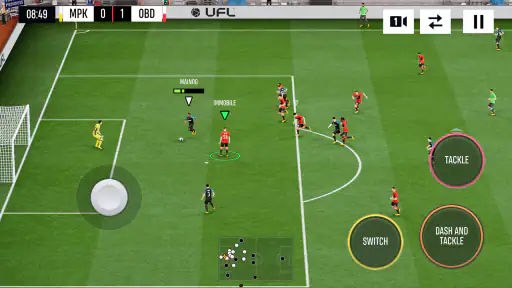
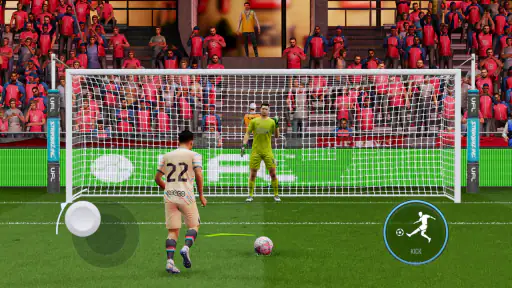
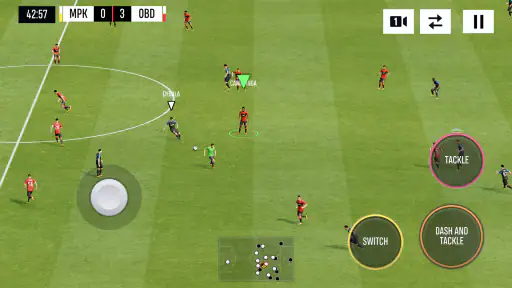
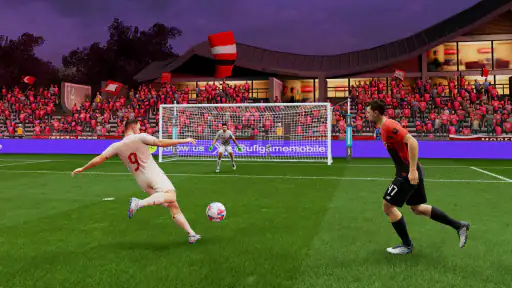
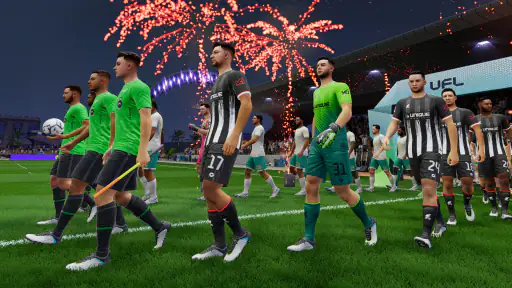
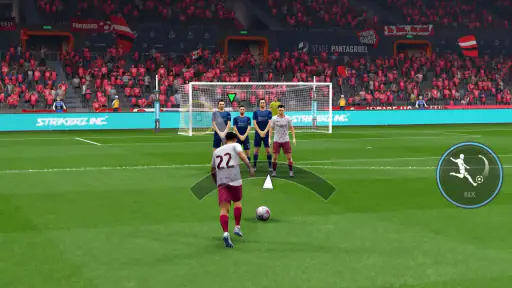
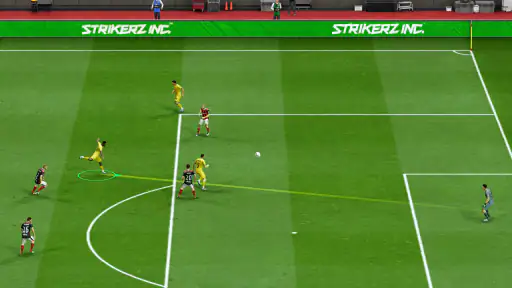

Analysis by Reviewed
I approached UFL - Soccer Game 2026 as a football fan looking for a mobile game that could fit into short sessions without losing the feeling of managing a real team. It is a free sports game from XTEN LIMITED, built around the idea of creating a dream football league team and taking that team onto the pitch. After spending time with it, my impression is mixed in a useful way: the concept is immediately understandable, the football focus is clear, and the free entry point makes it easy to try. At the same time, the experience asks you to think carefully about progression and optional spending before you decide whether it deserves a permanent place on your phone.
The game has attracted a sizeable audience, with more than five million installs and an average rating of 4.1 from roughly fifty-eight thousand ratings. That gives me some confidence that it is not an obscure experiment with no active interest around it. Still, a popular download count does not automatically mean it will suit every football player. I would look at this title differently depending on whether you want a quick, competitive football fix, a deeper management simulation, or a completely pressure-free game.
What playing UFL feels like on a phone
The strongest part of the package is its clear identity. This is not presented as a general sports collection or a casual arcade title with football as decoration. The entire experience is aimed at building a football league team and simulating the sport around that team. That focus makes the first minutes easy to understand: you are not wondering what the game wants you to do. You are there to shape a squad and see how it performs.
I like that directness because mobile football games can sometimes bury the actual match behind menus, currencies, challenges, and unrelated reward screens. Here, the central fantasy is easier to keep in mind. You want a team that feels like yours, and every decision is judged by whether it helps that team compete. Even if you only have a few minutes, the football framing gives the session a clear purpose rather than making it feel like a collection of disconnected taps.
That said, I would not install it expecting the same depth as a dedicated desktop football management simulator. A phone screen and a shorter-session design naturally encourage simpler decisions. Players who enjoy detailed tactical planning, long-term scouting spreadsheets, or highly granular club administration may find a more specialized management game more satisfying. UFL works better for someone who wants the excitement of team building combined with the immediacy of a mobile sports game.
The right audience for this particular game
I think it is a good match for football fans who enjoy improving a squad gradually and checking whether their choices make the team stronger. It also suits people who prefer a free download before deciding whether a game is worth their time. The age classification is Everyone, which makes the basic audience broad, although younger players should still have an adult nearby when optional purchases are involved.
For me, the most realistic use case is a short break during the day. I might open the game while waiting for an appointment, review the state of my team, make one or two adjustments, and play enough to feel that the session had a point. It is also the sort of title that can work as a regular evening habit if you enjoy returning to a squad repeatedly rather than finishing a fixed campaign.
I would be more cautious about recommending it to someone who dislikes competitive pressure, progression systems, or any game that presents optional purchases. The title is free to download, but that does not mean every part of the experience is free in the same practical sense. The important question is not simply whether you can start without paying. It is whether you are comfortable continuing when other players may choose to spend and when progress may feel slower if you do not.
What the purchase model means in practice
The game includes in-app purchases ranging from forty-nine cents to $114.99 per item. That is a wide range, so I would treat the purchase system as a meaningful part of the decision rather than a footnote. The low end can make a small, occasional purchase possible, while the high end is large enough that families and players who want strict spending control should set boundaries before playing.
I appreciate that the purchase information is visible up front because it lets me make a more honest choice. I can install the game for free, enjoy the basic entry point, and decide whether the optional economy fits my habits. What I would not do is assume that a free download guarantees a level playing field or that spending is necessary. Neither conclusion follows automatically from the listed prices. The sensible approach is to play without buying first and judge how the normal progression feels to you.
One practical tip is to decide on a personal rule before your first serious session. For example, you might choose never to buy anything, or only consider a small purchase after you understand the game’s regular rhythm. This avoids making a decision while frustrated after a difficult match. It also helps separate genuine enjoyment from the temporary urge to speed up progress.
Progression, pressure, and the cost of impatience
Team-building games are naturally good at creating small goals. A squad can always feel a little stronger, a match can always seem winnable with one better decision, and the next improvement is easy to imagine. That loop is the reason I kept returning to the game, but it is also where pressure can appear. When a title connects team quality with competitive results, slow progress can feel personal even when it is simply part of the design.
My advice is to treat early progress as an evaluation period, not a race. Play enough to understand whether you enjoy the football decisions themselves. If you immediately focus on acquiring the strongest possible team, you may miss the more important question: do you like the day-to-day process of managing this particular squad? A game should still be enjoyable when an upgrade is not arriving every few minutes.
A useful workflow is to choose one clear team-building priority at a time. Instead of trying to improve every area simultaneously, I would identify the weakness that most often affects my matches, then direct attention toward that problem. This makes progress easier to notice and prevents the common mobile-game habit of spending or changing things simply because a new option appears.
Another good habit is to separate experimentation from competitive play. Use lower-pressure sessions to test a different approach, then return to the setup that feels reliable when you want results. That small distinction can reduce frustration because a failed experiment becomes information rather than proof that the entire team is badly built.
Why free entry does not settle the fairness question
The game’s purchase range tells me that spending is available, but it does not reveal exactly how purchases affect competition. I cannot honestly claim that paying guarantees better results, nor can I promise that non-paying players face no disadvantage. The fair conclusion is narrower: the presence of optional purchases means fairness deserves attention, and each player should judge the balance through actual play before investing money.
For a competitive sports game, that distinction matters. In a single-player experience, paying to move faster may only change your own pace. In a game built around football competition, the same kind of advantage could affect how matches feel against other people. I would therefore be comfortable recommending a trial without spending, but I would not encourage a large purchase until I had observed how team strength, progression, and competition interact over time.
If you are playing alongside a child, I would be especially firm about purchase controls and a conversation before installation. The Everyone rating describes the content audience, not a promise that the in-app economy will be suitable for unsupervised spending. A free game can still create strong temptation through team improvement, and football fans are particularly likely to care about building a competitive squad.
How it compares with familiar alternatives
Compared with a traditional football management game, UFL is easier to approach when I want the core idea without committing to a long administrative session. A dedicated manager may offer more detail in areas such as tactics, transfers, finances, and club structure, so that type of game is better for players who want to run every part of an organization. UFL is more appealing when the dream-team concept and the football action matter more than exhaustive simulation.
Compared with a purely arcade football game, this title puts more emphasis on the identity of the team. An arcade alternative may deliver faster matches and simpler controls, but it may not provide the same satisfaction of shaping a squad over repeated sessions. I would choose UFL when I want my matches to connect to a broader team-building goal, and an arcade game when I want immediate action with minimal preparation.
There is also a third group of alternatives: offline or premium football games. Those can be preferable for someone who wants predictable costs, fewer purchase decisions, or a calmer solo experience. UFL’s free starting point is its obvious advantage, but players who strongly dislike live-service pressure may value a paid game’s clearer boundaries more than the chance to begin at no cost.
What I would check before committing
The current version is 15.2.0, and the game requires an operating system version of 10 or newer. That makes the device check simple before downloading: older phones and tablets may not meet the requirement, while compatible devices should still have enough free space and battery for comfortable play. I would also avoid judging the game from one rushed session on a weak connection or an overheated phone, because sports games are much less enjoyable when the device is struggling.
The release date is May 21, 2026, so I would approach long-term expectations with some restraint. A newer game can still be finding its balance, and the experience may change as the developer adjusts progression or competition. That does not make it a bad choice; it simply means I would review the game periodically rather than treating my first week as a permanent verdict.
One question many players will have is whether they need to spend money to enjoy it. My answer is to begin as a non-paying player and observe three things: whether team improvement feels understandable, whether matches remain enjoyable while progressing normally, and whether the game makes you feel pushed toward a purchase after every setback. If those three areas feel comfortable, you may be happy staying free. If the pressure arrives quickly, spending more is unlikely to solve the underlying mismatch.
Another likely question is whether this is suitable for someone who only plays occasionally. I think it can be, provided you are comfortable with gradual progress. Occasional players should avoid comparing their squad with highly committed competitors and should focus on a manageable personal routine. The game is less suitable if you expect to return after long gaps and immediately compete at the highest level without rebuilding momentum.
Players may also wonder whether the game is better for football strategy or direct match excitement. I would describe it as a blend, with the team-building idea providing the reason to return. If your priority is highly detailed tactical simulation, look elsewhere. If you want a football-themed progression loop that gives your matches context, this is where the game makes more sense.
The unknowns I would keep in mind
I value clear information, so I would not fill in gaps with assumptions about competitive balance, purchase advantages, or the exact shape of future updates. The honest way to approach UFL is to test the free experience and pay attention to how it treats your time. Notice whether your decisions matter, whether losses teach you something, and whether the game gives you reasons to improve beyond simply asking for another purchase.
This is also why I would avoid buying the largest item early. A high-priced option may look attractive when you are excited about your new team, but excitement is not the same as evidence that the purchase will improve your long-term enjoyment. Starting small, or not spending at all, gives you room to learn the game’s actual rhythm.
My most useful test is simple: play several sessions with a fixed spending limit of zero, write down what you are trying to improve, and see whether the game remains fun when progress is earned normally. If you still look forward to matches, the foundation is working for you. If every session becomes a search for a shortcut, the problem is probably not a missing purchase but the game’s fit with your preferences.
My trust verdict after trying the free route
UFL - Soccer Game 2026 is worth a careful download for football fans who want to build a team and return to it regularly. Its free price makes the first decision easy, its sports focus is specific, and its large install base suggests that many players are willing to give it a try. I also like that the age rating is Everyone, although the in-app purchase range means families should still treat spending as a separate issue.
My recommendation comes with a clear condition: play for the team-building experience before paying for progress. The game can be enjoyable when you set your own goals, make measured improvements, and accept that a free player may advance at a different pace from someone who spends. It becomes a weaker choice for anyone who wants guaranteed competitive equality, a fully offline experience, or the detailed control of a serious management simulator.
In the end, I would recommend trying it, not blindly committing to it. Give the free version enough time to show whether the matches and squad decisions hold your attention. Keep purchases optional, set a limit before emotions take over, and judge fairness from what you actually experience rather than from promises the game does not make. For the right football fan, that makes UFL a convenient and engaging mobile team project. For someone who wants a fixed-cost, pressure-free alternative, another kind of football game will probably be the better choice.
Pros
- Authentic player likenesses make matches feel more immersive.
- Tactical controls offer meaningful depth for experienced players.
- Regular events can keep the game feeling fresh over time.
- Matches are enjoyable in short sessions on mobile devices.
- Team-building options provide long-term goals beyond individual games.
Cons
- Some advanced features may take time to unlock or understand.
- Online matches can be affected by lag or unstable connections.
- The learning curve may feel steep for casual football fans.
- Large updates may consume considerable storage and mobile data.
- Progression can feel repetitive after extended play sessions.

- Category
- Sports
- Version
- 15.2.0