Train of Hope: Survival Game
- 1.31K
- 4.4
- Installs
- 500.00K
- Price
- Free

Screenshots
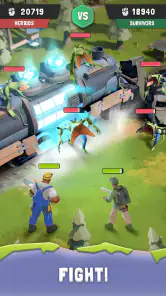

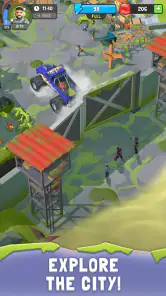
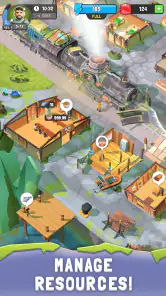
Analysis by Reviewed
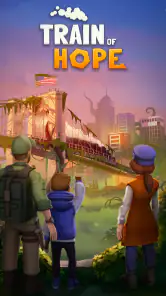
Train of Hope: Survival Game puts me behind a moving train in a damaged version of America, where the journey itself is as important as the places I explore. It is a simulation game from BELKA GAMES, but it borrows the tension of survival adventures: resources matter, decisions have consequences, and every stop feels like a chance to improve the train or expose it to another problem. I found the central idea more interesting than a standard settlement builder because the home base is not fixed. The train keeps the whole experience focused on movement, preparation, and making the most of limited opportunities.
The game is free to download, which makes trying it straightforward. It is aimed at Teen players, runs on Android 7.0 or later, and its current version is 1.23.0. The store page shows a 4.4 average from around 19 thousand ratings, with more than 500 thousand installs. Those figures suggest that it has already attracted a sizeable audience, but they do not replace personal testing: the important question is whether its travel-and-survival loop suits the way you like to play.
How the train changes the usual survival formula
My first impression was that the train gives the game a useful identity. In many survival simulations, I spend most of my time expanding a permanent camp, arranging buildings, and returning to the same screen. Here, the train creates a sense of direction. I am not simply making a comfortable base; I am helping a fragile moving community continue through a hostile landscape. That difference gives ordinary resource choices more emotional weight.
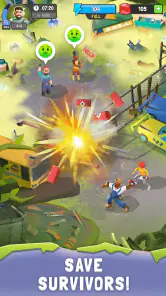
The post-apocalyptic setting also works best when treated as atmosphere rather than decoration. The lush scenery contrasts with the damaged world, making each stop feel like a place that may still contain useful materials, danger, or a reason to keep moving. I enjoyed the tension between the attractive surroundings and the practical question underneath every visit: what can I safely take from this location, and what will it cost me to do so?
As a simulation game, it rewards patience more than reflexes. I would not choose it for fast combat or constant action. The appeal is in planning a route through problems, improving what I can, and deciding which task deserves attention first. That makes it a good fit for players who like survival themes but prefer management and exploration to twitch controls.
What the free entry point really means
The game itself is free, so I can begin without paying for access. That matters because the concept needs a little time before its strengths become clear. A short trial is enough to see whether the train-based structure feels engaging, and I do not have to commit to a purchase before learning how much patience the progression demands.
There are in-app purchases ranging from $0.99 to $99.99 per item. I see that range as a reason to approach the store carefully rather than as an automatic flaw. Free access offers a low-risk way to explore the game, while the purchase system means the long-term value depends on whether I am comfortable progressing without buying optional help. I would not describe the game as a paid experience, and I would also avoid assuming that every player will receive the same value from it.
My practical advice is to play far enough to understand the normal rhythm before spending anything. Notice how quickly resources arrive, how often the game asks for attention, and whether waiting or repeating activities bothers you. If the basic loop already feels satisfying, optional spending can remain a personal choice. If the early routine feels slow, a purchase is unlikely to fix the underlying mismatch between the game and your preferences.
Where the value comes from during play
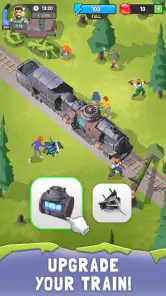
The strongest value is the combination of travel and responsibility. A fixed settlement can make progress feel like a checklist: gather, build, upgrade, repeat. The train gives those actions a larger purpose. Improvements are not just cosmetic additions to a base; they support the idea that the group needs a functioning mobile refuge. That context made me think more carefully about preparation instead of treating every resource as interchangeable.
I also like that the setting creates natural variety without requiring the game to abandon its calm management pace. A stop in a green landscape can still feel uncertain because the surroundings are not the same as safety. This is useful for players who want a survival story with a softer visual mood. It is less appealing for anyone expecting a bleak, highly punishing wilderness simulator where every mistake immediately ends a run.
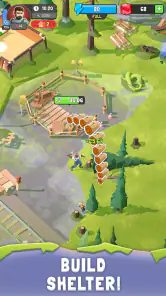
One non-obvious strength is how the moving base changes the meaning of organization. In a normal builder, I can often postpone a poor layout because I have unlimited space around the settlement. A train encourages me to think about what deserves room and attention now. Even when the game is not demanding a dramatic decision, the mobile setting keeps the idea of limited capacity in the background. I found that made small management choices feel more connected to the overall journey.
Another useful insight is that the game works well in short sessions when I have a clear objective, but it becomes less comfortable if I open it without a plan. Before leaving a session, I try to identify the next useful action rather than tapping through every available option. That habit reduces aimless checking and makes the next visit feel purposeful. Players who enjoy setting their own small goals will probably get more from it than players who need a constant stream of explicit direction.
The tradeoffs behind the pleasant scenery
The same gentle, strategic pacing that makes the game accessible can also make it feel slow. If I want immediate action, Train of Hope is not the right choice. Its survival pressure is filtered through management decisions, so the excitement comes from anticipation rather than rapid reactions. I would recommend a more action-focused survival game to someone who measures fun by combat intensity or fast exploration.
The free model is another tradeoff. The ability to start without payment is valuable, especially for a game with a specialized premise, but in-app purchases can change how I judge progress. Even without assuming that spending is necessary, the presence of purchases means I need to decide my own boundary early. I prefer to treat the game as a free trial that can become a longer hobby only if the ordinary progression feels fair to me.
There is also a mental cost to managing a moving settlement. Players who love permanent homes, elaborate decoration, and long-term visual customization may find the train concept restrictive compared with traditional city builders. The train is the reason the game stands out, but it also narrows the kind of creativity it supports. I would choose a conventional builder instead if my main goal were designing a large, stable town.
The Teen rating is worth taking seriously when choosing it for a younger player. It is not simply a child-oriented building toy, even though the interface and simulation format may look approachable. I would check the experience personally before recommending it to a younger member of the family, especially because the post-apocalyptic setting and survival themes are part of its identity.
Small habits that make the journey easier
I get better results when I treat every stop as a planning problem instead of a shopping trip. Before collecting everything in sight, I consider what the train and the next objective actually need. This prevents the common mistake of filling my attention with low-priority materials while a more important improvement waits. The game becomes clearer when I separate immediate necessities from resources that are merely convenient.
I also recommend keeping a simple mental record of unfinished tasks. Because the setting encourages movement, it is easy to focus on the newest location and forget why an earlier decision mattered. I try to leave each session knowing which upgrade, supply goal, or exploration task comes next. This is a small workflow, but it makes the game feel less repetitive and helps me notice whether progress is genuinely moving forward.
A third tip is to avoid judging the experience by its most attractive moments alone. The lush environment gives the journey a distinctive look, but the real test is whether I enjoy the quieter work between discoveries. I ask myself whether gathering, preparing, and choosing priorities remain satisfying after the novelty of the train wears off. That is a better measure of value than a single impressive location or story beat.
For a daily routine, I can imagine playing during a commute or a short evening break. I would open the game, review the train’s immediate needs, complete one focused objective, and stop rather than turning the session into an unplanned grind. That approach suits the simulation format and keeps the free experience from taking over my time. It also makes purchases easier to evaluate because I can see whether I am paying to support a hobby I genuinely use, rather than reacting to impatience.
Who is most likely to enjoy it
I think the best audience is someone who likes survival settings but wants decisions and preparation instead of demanding controls. If you enjoy watching a settlement develop, making careful use of supplies, and having a clear sense of travel, the train is a strong hook. The game is also a sensible choice for players who want to try a distinctive simulation without paying at the download stage.
It may suit fans of mobile management games who are tired of identical stationary bases. The train gives the familiar gathering-and-improvement loop a specific purpose, and the post-apocalyptic American landscape provides a consistent reason to explore. I would especially recommend it to a friend who likes games that can be played in measured sessions and who does not mind returning to a project gradually.
I would tell action fans to skip it unless they are willing to slow down. I would also steer away players who dislike free-to-play purchase systems, even when they can begin for free. Finally, people seeking a deeply open-ended construction sandbox may prefer a city builder with more freedom to place and redesign permanent structures. Train of Hope is more focused than that, and its focus is both its advantage and its limitation.
How it compares with familiar alternatives
Compared with a typical city-building simulation, this game offers less emphasis on creating a sprawling permanent settlement and more emphasis on keeping a traveling base useful. That makes its decisions feel more immediate, but it also means it may not satisfy someone who wants endless architectural control. The train is not just a theme placed over a builder; it changes the way I think about progress.
Compared with a conventional survival adventure, the game is less dependent on direct danger and personal skill. I am not primarily proving that I can react quickly; I am proving that I can prepare well. That makes it easier to approach casually, but it can feel less dramatic for players who want constant threats. The right comparison depends on whether “survival” means managing scarcity or mastering moment-to-moment action for you.
Against other free mobile simulations, the strongest distinction is the journey structure. Many alternatives give me a familiar home screen and a repeating upgrade ladder. Here, the moving train and damaged landscape provide a more memorable frame. The tradeoff is that the unusual premise cannot guarantee universal appeal: if I do not enjoy the train as a home base, the rest of the loop has less to hold my attention.
My verdict on the value
After spending time with it, I see Train of Hope as a worthwhile free download for the right kind of player, not a universal recommendation. BELKA GAMES has chosen a clear identity: a survival simulation built around a mobile refuge, scenic exploration, and gradual decisions. That identity gives the game more personality than a generic resource builder, while the free entry point lets me test the idea without paying upfront.
The purchase range means I would keep my expectations disciplined. The game can deliver value through its free access if I enjoy the basic journey, but I would not buy anything simply to escape a slow moment or force myself to like the loop. The best approach is to establish a personal spending limit, play normally, and decide only after the train’s routine has become either a relaxing habit or an obvious chore.
My recommendation is to try it if you want a thoughtful, travel-focused simulation and can accept free-to-play friction. I would skip it if I need fast action, a huge permanent building canvas, or a completely purchase-free experience. For everyone in between, the game offers a distinctive reason to keep returning: each decision is tied to a train that must carry its survivors onward, and that simple change gives familiar survival management a more memorable shape.
Pros
- Creative post-apocalyptic train survival setting
- Resource management keeps each journey strategically engaging
- Exploration reveals varied locations and useful supplies
- Character interactions add personality to the survival experience
- Progression rewards careful planning and efficient train upgrades
Cons
- Limited resources can make early decisions feel unforgiving
- Some journeys may become repetitive after extended play
- Survival systems require frequent attention and management
- Progress can feel slow without investing significant playtime
- Performance may vary on older Android and iOS devices

- Category
- Simulation
- Version
- 1.23.0