Trading Arena-Crypto Simulator
- 906.00
- 4.5
- Installs
- 10.00M
- Price
- Free

Screenshots


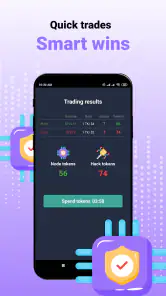
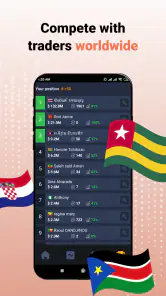
Analysis by Reviewed
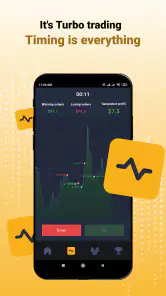
I spent my time with Trading Arena-Crypto Simulator as a game rather than treating it like a serious finance tool, and that distinction matters from the first session. Its central idea is simple: you practice market decisions inside a competitive simulation, where trading strategy, investing choices, PvP battles, and crypto mining are brought together in one mobile experience. I found the most interesting part was not the promise of quick virtual gains, but the pressure created when a decision has to be made before I have a perfect picture of what might happen next.
That makes this a simulation game for people who enjoy thinking in terms of risk and timing. It is free to start, aimed at Everyone, and works on devices running Android 6.0 or later. Edusystems OU is the developer, and the game has built a sizeable audience, with more than ten million installs and an average score of 4.5 from roughly 288 thousand ratings. Those numbers suggest that its blend of finance-themed play and competition has reached well beyond a small niche, although popularity alone does not make it the right choice for every player.
Why the trading simulation is the real hook
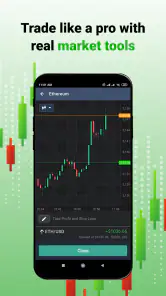
The strongest capability here is the chance to turn market-style decisions into an active game loop. Instead of reading a long explanation about investing and then being left with a passive lesson, I am encouraged to make choices, watch their consequences, and adjust my approach. The appeal comes from the tension between wanting a larger return and avoiding a decision that leaves me in a weaker position for the next encounter.
I would not describe the experience as a replacement for a brokerage account, a financial course, or a dependable source of investment advice. It is better understood as a strategy game using trading language and crypto-themed systems to create its challenges. That framing helped me enjoy it more, because I judged each result by the quality of my decision-making rather than by whether it resembled a real portfolio.
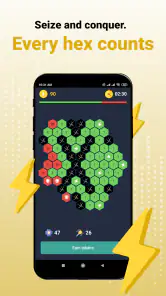
The PvP element gives the simulation a different mood from a traditional single-player market sandbox. I am not only trying to improve a notional balance; I am also thinking about how my choices perform in a competitive setting. That can make conservative play feel less satisfying when a bolder move would create an advantage, but it also makes reckless decisions easier to recognize. A strategy that looks exciting in isolation may be poor when the opponent or battle context changes.
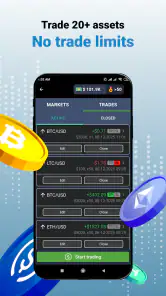
The crypto mining theme adds another layer to the fantasy of building value over time. I liked the way it broadens the game beyond a single buy-and-sell routine, but it can also make the overall experience feel busier than a focused trading simulator. Players who want one clean economic model may prefer a more specialized title. Players who enjoy several connected ideas—markets, competition, and virtual accumulation—will probably find the mixture more engaging.
What I actually learned from playing
The useful lesson is not that one type of asset is always better than another. The more valuable lesson is that every decision has an opportunity cost. Choosing one direction means giving up another, and a result that looks good immediately may leave fewer options later. I started paying closer attention to whether I was acting because the situation supported the move or simply because I wanted a dramatic outcome.
That is where the game can quietly teach better habits. I began separating a plan from a reaction: decide what I am trying to accomplish, identify what could go wrong, and only then commit. This does not turn the game into formal financial education, but it does make its strategy more thoughtful than tapping through a decorative money theme.
One practical tip is to avoid judging a run by a single successful move. A lucky result can encourage overconfidence, especially when the game makes a bold action feel rewarding. I got more value when I looked at several decisions together and asked whether the same approach would still make sense after conditions changed. That mindset is particularly useful in PvP situations, where the other side can expose weaknesses that remain hidden in a comfortable solo routine.
How the systems feel during an ordinary session
My typical session began with a quick look at the current situation, followed by a choice about where to place attention. The game works best when I treat that opening moment as preparation rather than rushing straight toward the most attractive-looking opportunity. A few seconds spent considering risk can prevent the rest of the session from becoming a scramble to repair an avoidable mistake.
The trading component gives each action a sense of consequence, while the battle structure adds urgency. I found that combination more compelling than a purely educational simulator because there is a clear reason to care about the outcome. At the same time, it is also the source of one of the game’s main limitations: competition can reward fast instincts and familiarity with the game’s rhythm as much as careful analysis.
That means a new player may feel less capable than expected during the first sessions. The problem is not necessarily that the underlying idea is difficult; it is that several themes are presented together. Trading decisions, competitive pressure, and crypto mining can each be understood separately, but they demand different kinds of attention when combined. I recommend learning one part of the loop at a time instead of trying to optimize everything immediately.
I also found it helpful to define a personal stopping point before starting a session. Because the game is built around decisions and competition, a disappointing result can tempt me to continue until I recover it. That is a common trap in any game with risk-themed mechanics. Taking a break after a poor run is not just sensible for time management; it also prevents frustration from turning a measured strategy into a string of impulsive choices.
A workflow that made the game clearer
My most effective routine had three stages. First, I checked what the current opportunity seemed to offer and what it could cost. Second, I made one deliberate decision rather than changing direction repeatedly. Third, I reviewed the outcome before choosing my next move. This simple rhythm reduced the feeling that I was merely chasing whatever looked profitable at that instant.
The review stage is especially important. I tried to ask whether a result came from a sound choice or from favorable circumstances. When I made that distinction, the game became more useful as a strategy exercise. A win did not automatically prove that my method was good, and a loss did not automatically prove that the idea was bad. That is a more mature way to approach the simulation, and it also makes the competitive side less emotionally exhausting.
Another non-obvious trade-off is between variety and clarity. Having trading, PvP, and mining themes in the same game gives me more reasons to return, but it also means that progress can feel less focused than in a dedicated market simulator. If I want to practice one narrow concept, I would choose a simpler alternative. If I want a broader game with several connected sources of strategy, this title makes a stronger case for itself.
The everyday situation where it makes the most sense
The best scenario for me was a short break when I wanted something more mentally active than a casual puzzle but less demanding than a full strategy campaign. I could open the game, make a few considered decisions, and leave with a clear sense that I had tested a plan. It fits a commute, a waiting room, or a quiet evening when I want competition without committing to a long story or a large map.
Imagine someone who has become curious about investing vocabulary but does not yet want to risk real money. This game can provide a controlled place to explore the emotional side of decisions: impatience, confidence, hesitation, and the temptation to chase a result. The important qualification is that the virtual outcome should stay virtual in the player’s mind. Success here should not be treated as evidence that the same approach will work in real markets.
It also suits friends or players who enjoy comparing strategic styles. One person may prefer steady decisions, while another may enjoy taking larger chances. The PvP framing gives those differences a reason to matter. However, I would not recommend it as a relaxing choice for someone who dislikes competitive pressure. The battle layer can make an otherwise thoughtful simulation feel tense, especially after a few unfavorable outcomes.
For a younger player, the Everyone rating makes the game broadly accessible, but I would still encourage an adult to explain the difference between a financial game and real financial activity. The language of crypto and investing can sound authoritative even when it is being used for entertainment. A short conversation about that distinction can prevent a child or teenager from taking the game’s fictional results too literally.
When another type of game is better
A traditional city builder is a better choice if I want to manage resources over a long period without direct market-style competition. A pure stock-market simulator is better if my goal is to focus on charts, portfolios, or a narrower investing lesson. A conventional PvP strategy game is better if I want battles to be the main subject rather than one part of a finance-themed package.
Trading Arena-Crypto Simulator occupies the space between those options. Its identity comes from combining them, not from replacing each one completely. That makes it appealing to curious players who like switching between economic decisions and competitive encounters. It also means specialists may notice compromises. The game is broad enough to be approachable, but players seeking deep realism or a single perfectly developed system may eventually want something more focused.
The friction points that affect long-term enjoyment
The first limitation is the gap between the game’s financial vocabulary and real-world investing. Even when the decisions feel logical, the simulation is still designed to be playable. Real markets involve information, regulation, liquidity, taxes, and personal circumstances that a mobile game cannot reproduce in the same way. I enjoyed the strategic language, but I would never use a successful run as a reason to make a real-money decision.
The second issue is the risk of overvaluing short-term results. A competitive game naturally draws attention to winning the current encounter, while better investing habits often depend on patience and consistency. Those goals can conflict. If I always choose the move with the most exciting immediate payoff, I may be learning the wrong lesson for everyday finance, even if I am learning how to play this game effectively.
There are also optional purchases, priced from $2.49 to $114.99 per item. That range is important for anyone who wants to keep spending tightly controlled. The game is free to download and play, but I recommend deciding on a personal budget before exploring any purchase options. Players who dislike in-app economies should approach cautiously, because the presence of paid items can change how comfortable the overall progression feels.
For me, the best way to preserve the game’s value was to treat purchases as unnecessary to the learning process. I focused on understanding the decision loop first. If a player feels that progress is becoming dependent on spending, that is a good moment to step away rather than allowing the competitive side to dictate the budget. The game is most enjoyable when the player remains in control of both strategy and time.
Another trade-off is replayability versus repetition. The combination of systems gives the game more variety than a single mechanic would, but repeated sessions can still begin to feel familiar once I have settled into a preferred pattern. The solution is to set personal challenges—such as using a more cautious approach or reviewing decisions more carefully—rather than expecting every session to feel completely new.
Who gets the most from this simulator
I would recommend it to players who enjoy making choices with incomplete information, comparing risk levels, and seeing how a plan performs under pressure. It is especially suitable for someone who wants a finance-themed game with a competitive edge rather than a dry lesson. The free entry point makes it easy to test that idea without committing money at the start.
It is also a good fit for casual learners who want to become more comfortable with the emotional vocabulary around markets. The game can make concepts such as patience, overconfidence, and chasing losses feel concrete because they appear inside decisions rather than in a textbook paragraph. The benefit comes from reflecting on those decisions, not from memorizing which virtual move produced the best outcome once.
I would be more hesitant to recommend it to a player looking for authentic investment training. The simulation can encourage useful thinking, but it should remain a game in your mind. I would also point cautious parents toward supervised play if a child becomes interested in the crypto theme, and I would advise anyone sensitive to competitive pressure to use short sessions and a firm spending limit.
The technical entry requirement is modest, since the game supports Android devices from version 6.0 onward. That makes it accessible to many older phones, although the exact feel will naturally depend on the device. I would still keep expectations realistic: broad compatibility does not guarantee that every handset will deliver the same comfort during extended play.
My recommendation after testing the core idea
What kept me interested was the way a familiar financial theme becomes a decision game. The strongest moments came when I stopped chasing the biggest apparent opportunity and started thinking about what that choice would prevent me from doing next. That shift turned the experience from a collection of market-flavored actions into a more deliberate strategy exercise.
The game is not flawless. Its mixture of systems may feel unfocused to specialists, competitive pressure can encourage short-term thinking, and the available in-app purchases mean budget-conscious players should set boundaries. Those are meaningful considerations, not minor footnotes. They determine whether the game feels like a clever simulation or an unnecessarily tense progression loop.
Even so, I think it earns a place on the phone of anyone who enjoys strategy with a financial theme. I would play it during short breaks, use it to test how I react to risk, and discuss its fictional outcomes rather than treating them as real advice. If that sounds like the kind of challenge you enjoy, Trading Arena-Crypto Simulator is worth trying for free. Just keep the most important rule in view: use the market theme to sharpen your decisions, not to imitate real investing without understanding its limits.
Pros
- Practice trading without risking real money.
- Supports learning through simulated market decisions.
- Useful for testing strategies before using real funds.
- Can help beginners understand crypto market volatility.
- Provides a low-pressure way to build trading confidence.
Cons
- Simulated results may not reflect real trading emotions or execution.
- Market data or prices may differ from actual exchange conditions.
- Limited value for users seeking advanced trading tools.
- Crypto-focused practice may not cover other asset classes.
- Frequent use could encourage overly speculative trading habits.

- Category
- Simulation
- Version
- Varies with device