The Past Within
- 1.16K
- 4.8
- Installs
- 100.00K
- Price
- $2.99

Screenshots
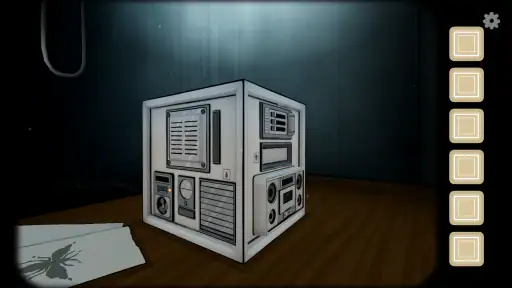
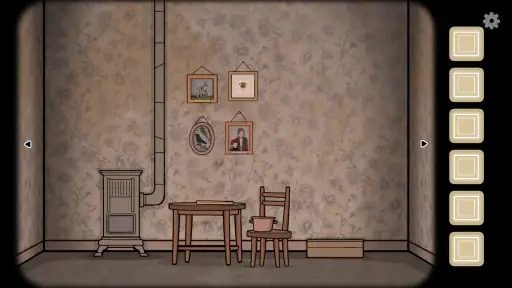
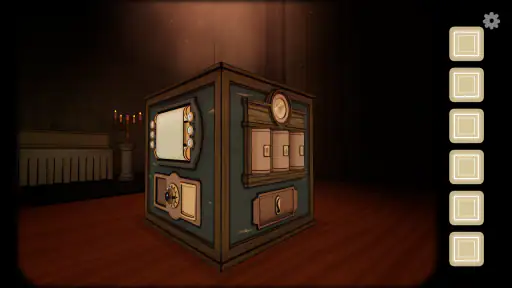
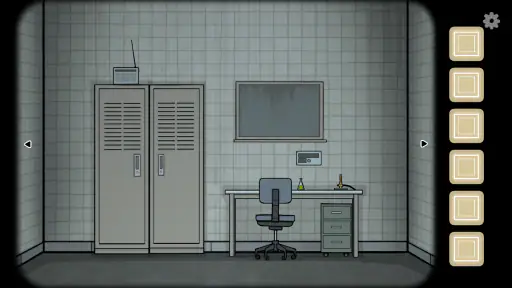
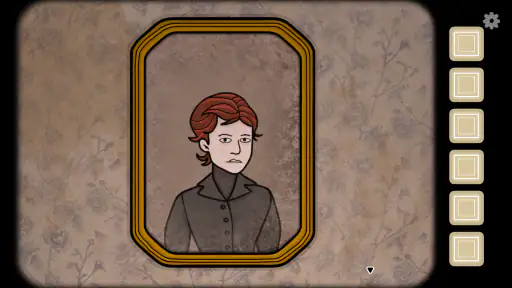
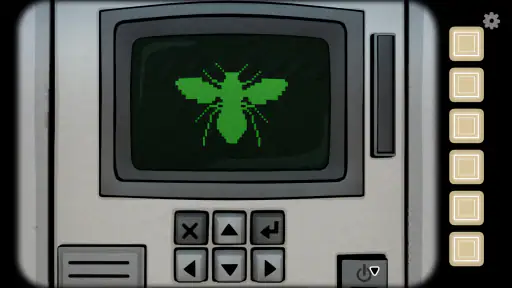
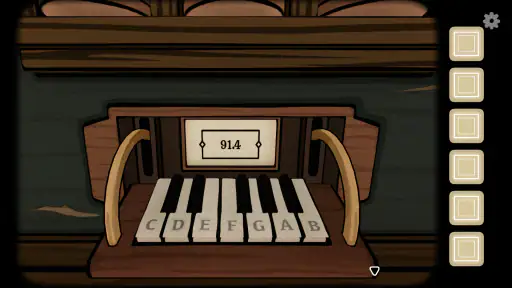
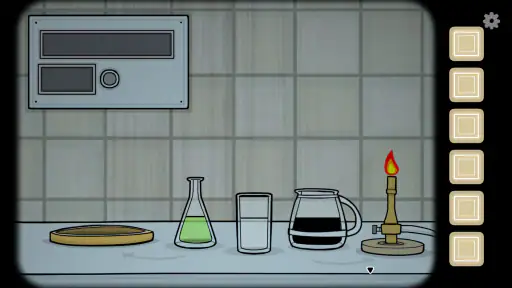
Analysis by Reviewed
I first picked up The Past Within expecting a moody story puzzle, but its real hook is that the mystery is shared. Rusty Lake builds the adventure around two people exploring different periods, with each player seeing information the other needs. That makes the opening goal refreshingly clear: look closely, explain what you see, and work together to figure out what the game is asking of you. I found it much more rewarding with a friend beside me than as a puzzle to rush through alone.
Two viewpoints make the first steps matter
This is a co-op adventure rather than a conventional solo point-and-click game. Each player has their own view, and progress depends on communicating clues across that divide. A useful habit is to describe details precisely instead of saying only “I found a symbol”: mention its position, appearance, and what is nearby. That small change makes conversations more productive and keeps the puzzle-solving from turning into random guessing.
The setup also changes what counts as a good play session. It works well when two people can sit together and talk freely, but it is less convenient if you want to play quietly on a commute or dip in while your partner is unavailable. Before starting, I’d agree on a simple way to share observations and make sure both players have time to focus. The game’s central pleasure comes from the exchange, not merely from having another person in the room.
Make a little room for the conversation
That shared format is worth planning around. If you are meeting a friend for coffee, for example, choose a quiet table and give yourselves enough attention to compare what is on each screen. A noisy room can make it harder to hear a precise clue, while trying to play during a conversation with other people can leave one player repeatedly asking for details. I would treat the game more like a two-person puzzle night than a title to open whenever there is a spare minute.
You do not need to turn the session into a formal investigation, though. A quick verbal routine is enough: say what you can see, let your partner repeat what they understood, then try the idea before moving on. That little pause catches misunderstandings early. It is especially useful when a clue depends on a detail that seems obvious to one player but has no clear equivalent on the other screen.
Engaging Gameplay that Stands Out
The first thing you notice about The Past Within is its captivating story. The game offers a dual perspective that allows players to immerse themselves in two timelines simultaneously. It’s like a beautifully woven tapestry where every thread matters. You play as two characters, each in a different time, trying to solve mysteries that intertwine their fates. The mechanics are intuitive, yet they challenge your perception and puzzle-solving skills in unexpected ways. I found myself constantly switching between timelines, piecing together clues that were artfully hidden in the most unexpected places. It’s a game that rewards your curiosity and attention to detail.
A Visual and Auditory Delight
Visually, the game is a masterpiece. The developers have crafted each scene with meticulous attention to detail, making sure that every frame is not just a static image but part of a larger narrative. The graphics are lush and atmospheric, adding depth to the already engrossing storyline. But it’s not just about how it looks - the sound design is equally impressive. The background score complements the gameplay perfectly, with subtle notes that enhance the tension and the emotional beats of the story. Every sound effect feels purposeful, drawing you deeper into the world and the era you’re exploring.
More From Our News Desk

Weather by Xiaomi Review: Clear at a Glance, Less Clear Up Close

X Under Pressure: Can It Recover When Posting Goes Wrong?

Clash of Clans Is Won Between the Battles

Android Auto Makes the Case for Quieter Car Software

MobiOffice: Transforming Mobile Productivity with Seamless Integration

EA SPORTS FC™ Mobile Soccer: Redefining Mobile Sports Gaming
One of the highlights for me was how the game balances its audio-visual elements with its story. It’s rare to find a game where one doesn’t overshadow the other, but here, everything is in harmony. It’s like watching a classic movie where every scene, every sound, and every dialogue line counts.
Progress depends on sharing clues, not grinding
The clearest sign that you are moving forward is a conversation that suddenly makes two separate observations click. Rather than looking for a conventional level-up loop, I’d treat each solved connection as its own reward: one player notices something, the other tests it against their view, and the story opens up. This gives the puzzles a satisfying rhythm, but it also means progress can stall if one person is distracted or if a clue is described too vaguely.
If you hit a wall, try changing the kind of information you exchange before repeating the same actions. Read visible details aloud, compare shapes and positions, and check whether both players are looking at the same part of their respective scenes. One practical trade-off is that taking notes can help when several clues are in play, but over-documenting every detail can make a short session feel like a work meeting. I’d jot down only the facts that are hard to remember or communicate.
A note can be as simple as a short list of names, shapes, or relationships that have already been established. The point is not to record every screen; it is to stop a useful observation from disappearing once the conversation moves on. I also find it helpful to distinguish what a player has actually seen from what they think it might mean. Keeping those separate makes it easier to revise a theory without arguing over whether the original clue was real.
Difficulty and pacing reward patience
The challenge comes less from fast reactions than from observation, interpretation, and clear communication. That makes it approachable for players who enjoy thinking through a puzzle together, but it is not ideal for someone who wants constant action or a steady stream of obvious prompts. When a clue is unclear, the most useful next step is often to ask your partner what they can see, rather than tapping around impatiently. That shift keeps the difficulty fair without removing the satisfaction of solving something yourselves.
The pacing is best when both people are willing to pause and discuss possibilities. If one player likes to inspect every corner while the other wants to push ahead, agree to take turns leading the search. It prevents one person from dominating and gives the quieter player room to contribute. This is a small but meaningful way to keep the collaboration enjoyable, especially if you are playing with someone whose puzzle-solving style differs from yours.
When frustration starts to replace curiosity, I would take a short break rather than immediately reach for a solution. Returning with fresh eyes can make a detail easier to notice, and a brief pause also gives each person a chance to explain their current theory from the beginning. If you do decide to look for help elsewhere, try to get a nudge about the kind of clue you are overlooking instead of a full answer. Preserving the conversation is part of preserving the fun.
Who will enjoy this shared mystery?
I’d recommend it to friends, partners, or family members who enjoy co-op puzzles and can make time to talk through a story. A realistic way to fit it into an ordinary day is to plan a relaxed evening session, put both devices nearby, and treat it as a shared activity rather than background entertainment. It is also a good choice for people who like the eerie, unusual atmosphere associated with Rusty Lake and want a game that gives them something to discuss after putting it down.
By contrast, I’d skip it if you usually play alone, need a game that works well without coordination, or prefer action-led adventure games with frequent combat and rapid movement. Traditional solo adventures are a better fit if you want to control every character yourself; a more open-ended puzzle game may suit you better if you want to explore at your own pace without another player’s schedule shaping the session. The co-op design is the point, but it is also the main condition for enjoying the experience.
The best partner is not necessarily the person who solves puzzles fastest. I would choose someone who enjoys talking through an idea and is comfortable being wrong now and then. If one player tends to take over, make a point of asking the other what they notice before acting. The game works particularly well as a shared activity for people who already like solving riddles together, but it can also be a gentle way to find out whether your approaches complement one another.
How it compares with other adventure games
Many adventure games let one player inspect a scene, gather clues, and solve everything at their own speed. Here, the division of information makes conversation part of the puzzle itself. That is a distinctive strength, though it creates a practical dependency: both players need to be available and willing to communicate. It is less suited to a quick solo session than a standard mobile adventure, but more memorable when you want a shared mystery rather than another game to play side by side without interacting.
Compared with a typical co-op action game, the appeal is also different. There is no need for a partner who is quick with controls; careful attention and clear explanations matter more. That makes it a thoughtful choice for two people with different gaming habits, provided both enjoy solving things. If your idea of co-op is competing for a high score or moving through combat together, this slower, clue-led adventure may feel restrained rather than exciting.
The Past Within is a paid game at $2.99, so I’d think of the purchase as paying for a planned co-op experience, not an endlessly replayable daily activity. Its Teen age rating is worth considering for younger players, and its adventure framing should not be mistaken for a light, action-focused game. Rusty Lake’s experience shows in the distinctive mood, while the unusual two-person structure is what most clearly separates it from familiar puzzle adventures. The current version is 7.8.03, and it runs on Android 6.0 or later.
What to expect before you commit
If you are wondering whether both people need to participate, the central design makes that the sensible expectation: the fun depends on two viewpoints being compared, so arrange a partner before buying rather than assuming it will work like a typical solo campaign. If you are unsure whether the puzzles will be too difficult, I’d say the bigger test is patience and communication, not reflexes. You can make the experience smoother by agreeing to describe clues carefully and taking a short pause when you stop making progress instead of repeatedly trying the same guesses.
The game’s audience response is strong, with an average rating of 4.8 from around 41,000 ratings, and it has passed 100,000 installs. Those figures fit my impression of a focused experience with a clear appeal, rather than a broad adventure designed for everyone. I would not choose it as a substitute for a long, solo exploration game, but I would pick it when a friend and I want to solve something together and enjoy a strange narrative along the way.
For a practical buying decision, I would settle the partner question first. If you have someone who is ready to play and you both like taking time over clues, the price makes more sense as the cost of a shared evening than as a purchase you expect to revisit every day. If the other person is only available occasionally, that can still work, but it helps to agree on when you will play instead of leaving the experience dependent on spontaneous free time.
Atmosphere supports the puzzle rather than replacing it
What I like about the presentation is that it gives the investigation a distinct mood without making visual spectacle the whole attraction. The scenes invite a close look, and that suits a game where noticing and describing details matters. Sound adds to the sense of unease and helps the story feel cohesive, but I would not approach it expecting a soundtrack-led experience or a large, freely explorable world. The atmosphere is strongest when it gives your conversation a strange detail to circle back to.
That distinction matters if you are choosing between this and a more conventional narrative adventure. A solo story game can let you absorb dialogue and scenery at your own speed; here, your attention is divided between what you see and what your partner reports. Some players will find that exchange more engaging than simply following a plot, while others may feel they are interrupting the story to discuss every clue. I see the conversation as the intended texture of play, not an obstacle to get past.
Immersive Storytelling
What sets this game apart is its storytelling technique. The plot unfolds like a gripping novel, with twists and turns that keep you on the edge of your seat. The narrative is rich and layered, offering players a chance to explore themes of time, memory, and identity. It’s as if you’re not just playing a game but living through a story. The dialogues are well-written, with characters that feel real and relatable, their struggles and triumphs resonating with your own experiences. It’s a beautiful reminder of the power of storytelling in gaming.
As you navigate through the intricate plot, you’re constantly faced with choices that affect the outcome of the story. It’s a game that encourages you to think, reflect, and engage with its world on a deeper level. The ending is as satisfying as the journey itself, leaving you with a sense of fulfillment and a desire to revisit the past once more.
In conclusion, The Past Within is a game that truly redefines interactive storytelling. It’s a journey through time that engages your mind and tugs at your heartstrings. Whether you’re a fan of narrative-driven games or just looking for something unique and thought-provoking, this game promises an experience that’s both memorable and enjoyable. Trust me, you’ll want to explore every corner of this beautifully crafted world. So, grab your device, download the game, and prepare to dive into the past like never before.
The Past Within Frequently Asked Questions
Does the second player need to own The Past Within too?
Because The Past Within is built around two people exploring separate perspectives, both players need access to the game on a device they can use. Before downloading, agree with your partner on how you will each play and communicate. Having the game ready on both sides makes it easier to begin the cooperative puzzle-solving together.
Can two players use different devices or platforms?
The Past Within is designed for cooperative play, with each player handling a different perspective and sharing clues with the other. Players can use devices that suit them, but it is worth arranging how you will communicate and making sure both people can access the game. Coordinating this before starting helps the experience feel smooth rather than interrupting the puzzles.
What is The Past Within about, and does it focus on puzzles or action?
The Past Within is an adventure centered on a shared mystery, careful observation, and solving puzzles together. Its appeal comes from comparing what each player can see and communicating useful clues, rather than from fast-paced action. It suits people who enjoy a moody, story-led experience and are happy to take their time working through a mystery with a partner.
What kind of game is The Past Within, and who made it?
The Past Within is an adventure game from Rusty Lake, built around a cooperative experience for two players. Its central idea is to have each person explore a different perspective and share clues while solving puzzles. If you enjoy atmospheric, story-led adventures that reward discussion and careful observation, this approach is the main reason to consider downloading it.
Is The Past Within suitable for younger players?
The Past Within has a Teen content rating, so it may be a better fit for teenagers and adults than for younger children. Its eerie atmosphere and unusual mystery are part of the adventure’s appeal. Before downloading, consider whether that tone suits the person who will play, especially since the experience is intended to be shared with another player.
Pros
- Engaging puzzle-solving experience.
- Beautifully designed graphics.
- Smooth and intuitive controls.
- Multiplayer mode enhances interaction.
- Immersive storyline keeps you hooked.
Cons
- Requires constant internet connection.
- Can be challenging for beginners.
- Limited hints can cause frustration.
- In-app purchases are present.
- Some puzzles are time-consuming.
- Category
- Adventure
- Version
- 7.8.03