Survival Sandbox: Playground
- 16.00
- 3.4
- Installs
- 1.00M
- Price
- Free

Screenshots
Analysis by Reviewed
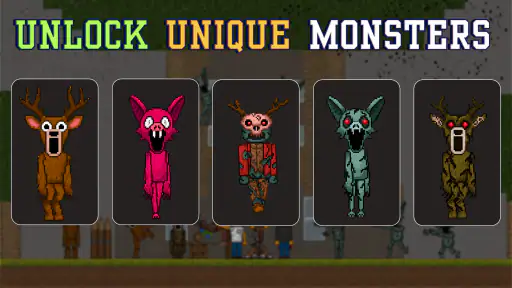
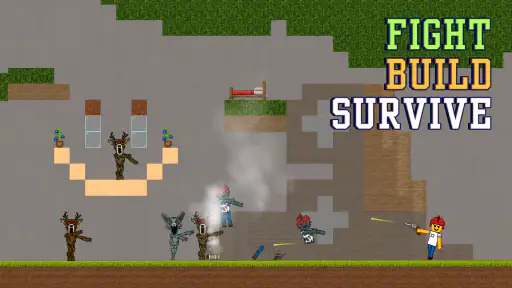
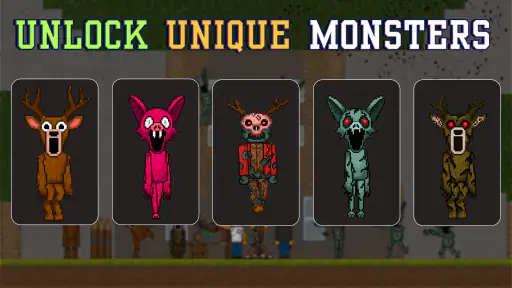
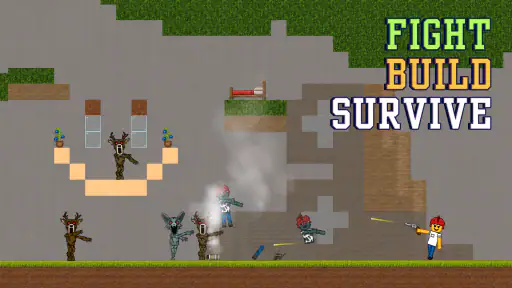
Survival Sandbox: Playground is built around a simple tension: make it through dangerous nights in a setting designed to feel unruly rather than safe. I like that premise because it suggests a survival game where adapting matters more than following a tidy, predictable route. At the same time, the short description leaves the experience open-ended, so I would approach it as a compact sandbox to explore at my own pace, not as a deep, carefully explained survival simulation.
Survival that depends on how you handle the chaos
As a simulation game from Ghaddan Studios, it leans on the appeal of being placed in a hostile playground and having to cope with what happens there. The central question is not simply whether a monster appears; it is whether I can stay composed and make sensible choices while the environment feels dangerous. That gives the game a different flavor from a standard action title, where the main pleasure is usually direct combat or a tightly staged story.
The strongest part of this idea is its flexibility. A playground suggests room to experiment, while survival gives each experiment a purpose. I can treat a run as a chance to learn how the setting behaves, then use that knowledge to make a more cautious attempt. That loop suits short sessions: rather than needing a long stretch of uninterrupted time, I can dip in, test an approach, and come back with a clearer plan.
That freedom can also be a mixed blessing. Players who enjoy discovering their own rhythm may find the loose premise appealing; people who want detailed instructions, a strong narrative, or a clear sequence of objectives may feel less anchored. For me, the game is most compelling when I accept that uncertainty is part of the point instead of expecting it to explain every decision in advance.
What makes the premise work
The contrast between a playground and a deadly setting is a useful hook. It makes the world sound less like a conventional survival wilderness and more like a space where familiar surroundings can become threatening. That kind of contrast can make a simple encounter memorable: the danger feels sharper because the setting is not presented as an ordinary battlefield.
I would not judge a survival game only by how often it creates pressure. The more important question is whether that pressure encourages thoughtful play. Here, the night-survival framing gives each choice a practical edge: rushing around may feel less appealing than watching the situation and deciding when to act. The premise therefore has room to reward patience as much as boldness, even if a player’s preferred style will depend on how they like to approach uncertain challenges.
One useful way to start is to make the first visit an observation run rather than treating it as a serious attempt to master everything. Pay attention to what makes you feel exposed, which areas seem easier to navigate, and what habits lead to trouble. Even without turning the game into homework, noticing patterns can make later sessions feel more intentional. This is a small but meaningful trade-off: a sandbox is more satisfying when I bring curiosity to it, but less immediately welcoming if I want every session to provide a clear, guided objective.
The practical strengths—and where they stop
The game’s main strength is its clear, approachable concept. It does not require me to arrive with a long list of genre knowledge to understand the basic appeal: survive in a chaotic place where monsters make the nights dangerous. That makes it an easy recommendation to someone curious about survival games but not yet committed to a sprawling, demanding title.
It is also a good fit for players who enjoy learning by trying. Instead of treating an unsuccessful attempt as wasted time, I can use it to figure out what I would change next time. A more cautious route, a different pace, or simply paying closer attention may be worthwhile experiments. The useful insight here is to set one small goal per session—such as staying calmer or exploring more deliberately—rather than expecting a single run to reveal the whole game.
The limitation is that a broad premise cannot, by itself, guarantee variety or depth. Players who judge survival games by elaborate progression, rich storytelling, or lots of clearly distinct systems should be cautious about expecting those elements here. I would choose this for the mood of surviving in an unpredictable playground, not because I expect it to replace a large, feature-heavy survival adventure.
That distinction also matters when comparing it with the usual alternatives. A narrative-driven survival game is a better choice if I want characters and a plot to pull me forward. A more structured survival title makes more sense if I want explicit goals and a stronger sense of long-term development. Survival Sandbox: Playground is better suited to someone who values an open-ended setup and the immediate challenge of coping with danger over a carefully directed campaign.
Who should give it a try
I can see this working well for a player who wants a free game that is easy to understand at a glance and does not mind learning through trial and error. It is rated for Everyone, so its stated audience is broad, though the monster-survival premise will naturally appeal most to people who enjoy mild tension and make-believe danger. If you want a quick change of pace between other games, the simple central idea is an advantage.
A realistic use case is a short evening session when I have time for a few attempts but not a long campaign. I could enter with one specific intention—explore cautiously, notice what makes the environment feel unsafe, or test whether a less hurried approach suits me—then stop once I have learned something. That makes the sandbox framing useful: I do not need to turn every play session into a major achievement for it to feel worthwhile.
On the other hand, I would skip it if I mainly want a polished tutorial, a strong story, or a survival experience that steadily lays out long-term targets. I would also look elsewhere if I dislike uncertainty and prefer games that explain their systems clearly before asking me to make consequential choices. The same openness that gives this title its identity can leave those players feeling under-guided.
The game has an average rating of 3.4 from around 1.4 thousand ratings, alongside a smaller body of written feedback. I read that as a reason to set measured expectations rather than assume universal appeal: the premise is easy to understand, but a loose survival sandbox will not suit everyone. Its more than one million installs show that many players have tried it, but reach alone is not a guarantee that its particular style will click with you.
Worth trying, with the right expectations
Because it is free, I think the sensible approach is to try it for its central idea rather than expecting a full-scale survival epic. Ghaddan Studios has a focused hook here: a chaotic playground, dangerous nights, and the challenge of staying alive. That is enough to make the game worth a look for curious players, especially those who enjoy forming their own approach instead of following a tightly scripted path.
The current version is 3.3, and the game runs on Android 7.0 or later. Those details make it easier to judge basic compatibility, but they do not change the main decision: whether an open-ended, monster-focused survival setup sounds enjoyable to you. I would recommend trying it if experimentation is part of the fun. If you need a clear narrative, extensive guidance, or a reliably structured progression, a more directed survival game is likely the better fit.
My verdict is positive but measured. Survival Sandbox: Playground has a premise that can make short sessions engaging and gives curious players room to learn through their own choices. Its biggest risk is also clear: players who expect a richly explained, highly structured simulation may find the experience too loose. Go in ready to explore, observe, and adjust, and the game has a fair chance of delivering the kind of unpredictable survival challenge it promises.
Survival Sandbox: Playground Frequently Asked Questions
What is Survival Sandbox: Playground?
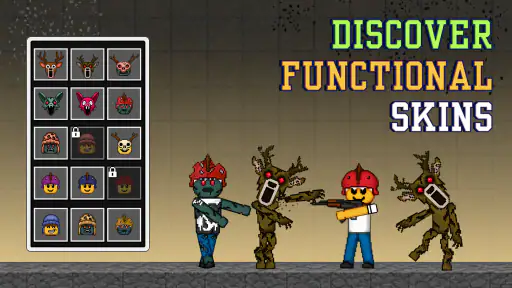
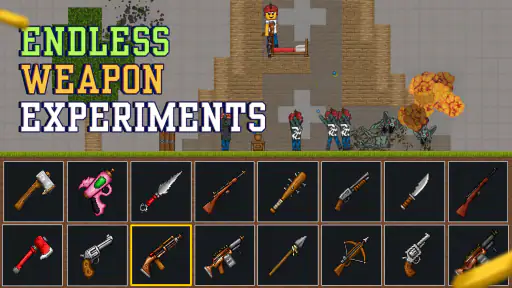
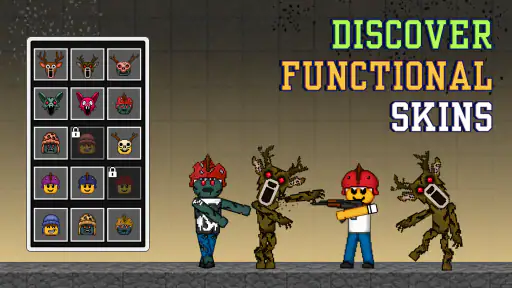
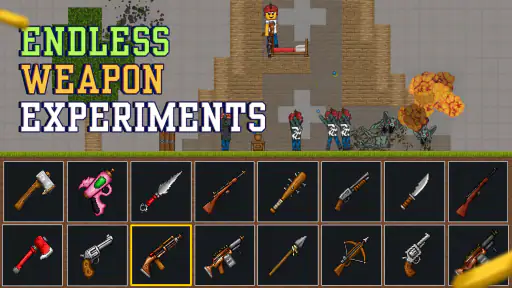
Survival Sandbox: Playground is a physics-based sandbox game built around experimenting with characters, objects, and environmental interactions. Rather than following a tightly structured campaign, it gives players room to create scenarios, test what happens, and play at their own pace. The exact activities and available tools can vary by version, so check the game’s store listing and screenshots to confirm that its current features match what you are looking for.
Is Survival Sandbox: Playground free to download, and does it include purchases or ads?
The price and monetization details depend on the version and store where you download the game. A free download may still include advertising, optional in-app purchases, or other paid content, while availability can differ between Android and iOS. Before installing, review the store page for the listed price, in-app purchase information, and recent user feedback. This is the best way to understand potential costs before you start playing.
Does Survival Sandbox: Playground require an internet connection?
Whether the game works fully offline can depend on its current build and how it handles advertisements, updates, or online services. Sandbox play may be available without a connection, but features that rely on network access may not be. If offline access matters to you, check the app’s store description and test the game while disconnected after installation. Also note that an internet connection may be needed initially to download the app and any additional files.
Is Survival Sandbox: Playground suitable for children?
Suitability depends on the game’s content, the child’s age, and your family’s preferences. Physics sandbox games can include cartoon-style action or combat elements, and advertising or optional purchases may also be relevant. Review the age rating and content information on the relevant app store before downloading, then consider trying the game yourself. For younger players, parental controls can help manage purchases, screen time, and exposure to advertisements.
What should I check if Survival Sandbox: Playground does not run smoothly or install?
First confirm that your device meets the operating-system and storage requirements shown on the app’s store page, and make sure you have enough free space for installation and updates. Restarting the device and downloading the latest available version may resolve common issues. Performance can vary depending on hardware, especially in scenes with many objects or effects. If problems continue, consult the developer’s support information and recent store reviews before reinstalling.
Articles Related to Survival Sandbox: Playground
Clash of Clans Is Won Between the Battles
Its raids are quick; its community is a long-term project of coordination, teaching, rivalry, and shared responsibility—with all the friction that entails.
Android Auto Makes the Case for Quieter Car Software
The car interface is no longer judged by how much it can do, but by how quietly it helps. Android Auto shows what drivers now expect—and what still gets in the way.
MobiOffice: Transforming Mobile Productivity with Seamless Integration
MobiOffice: Word, Sheets, PDF is redefining mobile productivity with a surprising blend of functionality and innovation.
EA SPORTS FC™ Mobile Soccer: Redefining Mobile Sports Gaming
Dive into EA SPORTS FC™ Mobile Soccer, where immersive gameplay and strategic depth transform mobile sports gaming.
Pros
- Open-ended sandbox lets you experiment without a fixed objective.
- Physics-based interactions make setups and experiments feel dynamic.
- A broad selection of objects supports varied creative scenarios.
- Quick to jump into for short
- casual play sessions.
- Useful for players who enjoy building
- testing
- and causing chaos.
Cons
- The open-ended format may feel aimless to players who prefer missions.
- Repeated experiments can become predictable over time.
- Large or complex setups may be harder to manage on a small screen.
- Performance may vary when many objects are active at once.
- The sandbox focus offers less structure than a story-driven game.

- Category
- Simulation
- Version
- 3.3