Super City: Building Master
- 145.00
- 3.8
- Installs
- 10.00M
- Price
- Free

Screenshots
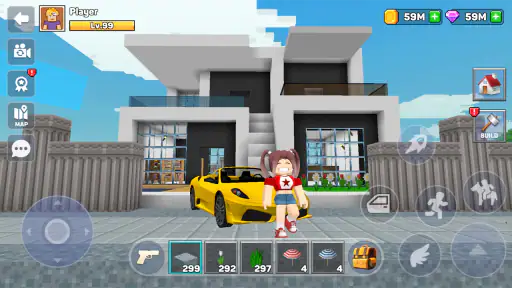
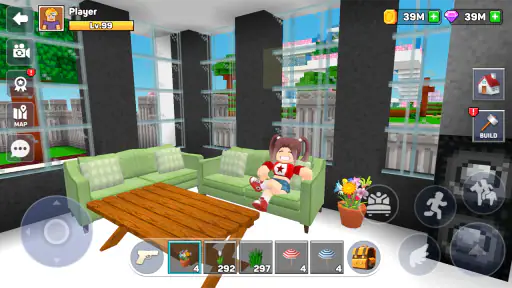
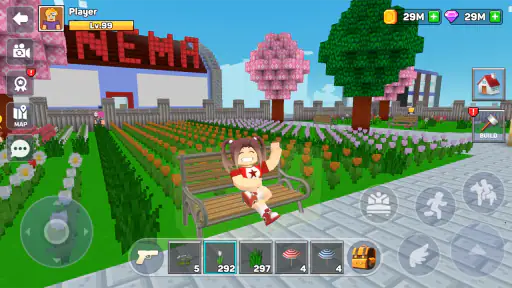
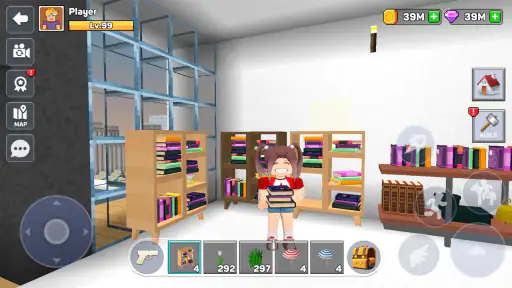
Analysis by Reviewed
I like city-building games best when they give me room to experiment without making every decision feel like work. Super City: Building Master aims for that balance: it is a mobile simulation about shaping a city, with enough planning and resource choices to give each building decision some weight. It may suit a relaxed session after a busy day, though players looking for a detailed, demanding urban simulator should keep their expectations measured.
Starting free, with purchases in the picture
The game is free to download, while optional in-app purchases range from $0.99 to $99.99 per item. That is useful context before starting: spending is possible, but the listed price alone does not tell me what can be bought or whether purchases change the pace of progress. I would begin without paying and see whether the ordinary play loop feels satisfying before considering any purchase. The game is rated Everyone 10+, a point parents may want to weigh alongside their own child’s preferences and spending settings.
There is a substantial audience for this kind of building game: it has over 10 million installs and an average rating of 3.8 from around 16,000 ratings. Those figures suggest broad interest, not a guarantee that every player will enjoy its particular balance of creativity and management. XGame Global released it on October 9, 2024, and version 1.1.0 is the current version. It is a simulation game, but I would approach it as a mobile city-building pastime rather than assume it offers the granular planning tools of a full desktop-style management game.
A City at Your Fingertips
One of the first things I noticed about Super City: Building Master is its incredibly intuitive interface. Whether you're a novice or a seasoned city planner, the controls make it easy to lay out roads, place buildings, and manage resources. The game does a fantastic job of easing you into the mechanics, so you’re never overwhelmed by the number of options available. Plus, the tutorial is comprehensive but not overbearing, letting you jump into the action fairly quickly.
Graphics and Sound: A Visual Treat
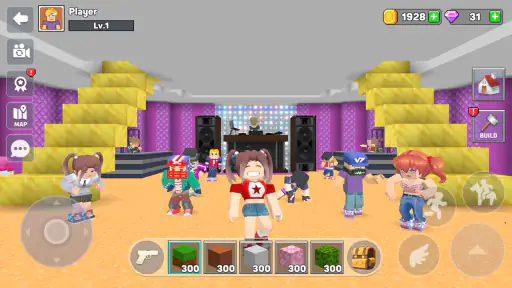
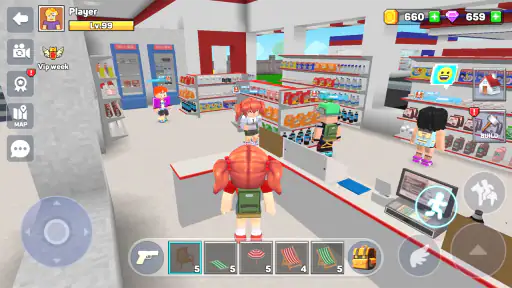
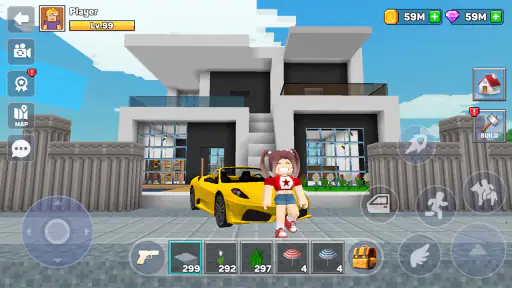
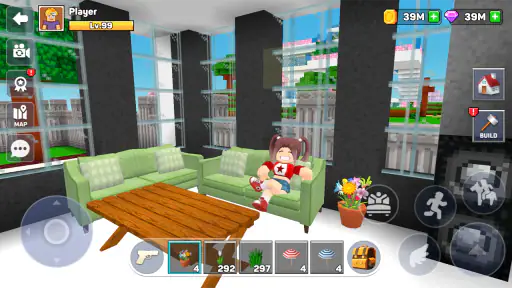
If you’re someone who appreciates aesthetics, you’re in for a treat. The developers have done an outstanding job with the graphics. The cities you build are vibrant and full of life, with detailed buildings and lush greenery that make your virtual environment feel real. The soundtracks and sound effects complement the visuals perfectly, creating an immersive experience that pulls you into the game world.
Gameplay: More Than Just Building
What really sets this game apart is the depth of its gameplay. It’s not just about placing buildings and watching your city grow. You have to consider the happiness of your citizens, manage your resources wisely, and even deal with unexpected events like natural disasters. These elements add layers of complexity and keep the gameplay fresh and engaging. I found myself constantly strategizing to find the best way to expand my city while keeping everyone happy.
That mix of growth, satisfaction, and surprise makes planning feel more interesting than simply filling every open patch with a structure. My practical advice is to pause before expanding and check whether the existing city is still working well: a quick growth decision can create new demands, while a stable layout gives you time to decide what to prioritize next. For a short daily visit, I would pick one clear goal—such as improving the balance between expansion and resident happiness—rather than trying to redesign everything at once. That keeps the session focused and makes it easier to notice whether a change actually helped.
More From Our News Desk

Clash of Clans Is Won Between the Battles

Android Auto Makes the Case for Quieter Car Software

MobiOffice: Transforming Mobile Productivity with Seamless Integration

EA SPORTS FC™ Mobile Soccer: Redefining Mobile Sports Gaming

How Microsoft OneDrive Became a Mobile Productivity Giant

How Google Translate Breaks Language Barriers Effortlessly
Keeping progress manageable
For a player who checks in between other tasks, the useful question is not simply “What can I build next?” but “What problem am I trying to solve?” I would take a moment to look at the city as it stands, choose one improvement, and leave the larger redesign for a session when I have more time. That approach makes a builder feel less like a list of chores and helps me see the result of a choice before stacking several changes on top of it.
It is also worth treating a setback as information rather than a cue to expand blindly. If resident happiness is slipping, I would address that before adding more demands to the city. If resources are tight, I would reconsider the order of planned construction instead of assuming that the fastest-looking route is the best one. This kind of small decision-making is where the simulation can be satisfying: progress comes from weighing priorities, not merely placing the largest number of buildings.
Challenges and Rewards
Super City: Building Master doesn’t just hand everything to you on a silver platter. It challenges you to think ahead and plan strategically. The in-game economy requires you to make smart decisions about where to allocate your resources. Plus, the game offers plenty of rewards for achieving certain milestones, which adds a sense of accomplishment and motivates you to keep playing.
For example, if I had only a few minutes while waiting for a ride, I would use them to review the city and make one deliberate adjustment instead of starting a large expansion I could not finish. That is a useful habit in any mobile builder, but it matters here because resources and resident happiness both deserve attention. When progress feels slow, I would first reconsider the order of my choices rather than assume that paying is necessary; the purchase range is clear, but the exact effect of any item is not something I would guess at. A player who enjoys weighing trade-offs can find that decision-making satisfying, while someone who wants every upgrade to arrive immediately may find the pace frustrating.
For younger players or anyone sharing a device, I would make the spending decision before handing over the phone. The game is free to start, but paid items are available, so a clear household rule is more practical than relying on a child to decide case by case. If you are an adult trying it yourself, the same principle applies in a simpler way: play long enough to understand whether the normal rhythm suits you, then decide if any optional purchase is genuinely worth considering. There is no reason to treat spending as the default way to enjoy a builder.
How it sits beside other city builders
Compared with more demanding city simulators, this game’s accessible controls and guided introduction make it easier to pick up on a phone. The trade-off is that players seeking detailed infrastructure planning, extensive customization, or a highly realistic simulation may prefer a game built around those priorities. I would also avoid treating a friend’s city as a blueprint to copy: use visits for inspiration, then adapt ideas to the resources and needs of your own city. That turns the social side into a source of practical prompts rather than a pressure to match someone else’s progress.
Against a purely decorative building game, the appeal here is that the city is not only a canvas. Resource choices and citizen happiness give expansion a management angle, and unexpected events can interrupt an otherwise tidy plan. That is a useful middle ground for players who want more than arranging attractive buildings but are not ready for a dense simulation. The compromise is important: if you want a relaxed design tool with no setbacks or economic decisions, a sandbox-style alternative is likely to feel better; if you want intricate systems, a deeper management game is the stronger fit.
Moreover, there’s a social aspect where you can visit friends’ cities and share your own creations. It’s a great way to get inspired and pick up new ideas to implement in your city.
I would use those visits as a way to notice patterns rather than copy a layout wholesale. A friend’s arrangement can spark an idea, but your own city may have different priorities and resources. Looking at another creation with that in mind keeps the social feature enjoyable even if your progress is at a different stage. It also gives a player who has hit a planning rut a low-pressure activity: browse for inspiration, then return to their own city with one idea to test.
Who is likely to enjoy building here?
I would recommend it most to players who like watching a small settlement develop, enjoy visual creativity, and do not mind balancing growth with the needs of residents. It is also a reasonable choice for someone new to the genre who wants a guided start rather than a wall of complicated systems. On the other hand, if you dislike resource management, unexpected setbacks, or any game that offers paid items, this may not be the right fit. A slower, more purely decorative building game would be a better match if you want to design without managing an economy.
A realistic way to test that fit is to play in short, intentional sessions rather than decide based on the opening alone. After the tutorial, try returning to the same city with a modest aim: improve one part of its balance, make a small change, and see whether the outcome feels rewarding. If the choices invite you to think ahead, the game may become a pleasant routine. If you mostly feel pushed to wait, spend, or deal with systems you do not enjoy, it is sensible to move on rather than hope the experience will turn into a different kind of builder.
Before installing, it is worth checking device compatibility: the game requires Android 9 or later. I would also decide in advance whether in-app spending is appropriate for the person playing, especially on a shared device. The game’s broad audience and free entry make it easy to try, but they do not remove the need to set sensible purchase boundaries. If you are deciding whether to keep playing after the tutorial, ask yourself whether planning around happiness and resources feels engaging; that is a better test of fit than simply liking the city’s appearance.
What I would want to know before committing
For a first-time player, the practical questions are whether the game is approachable, whether it asks for spending, and whether the style of building will hold attention. The guided introduction and straightforward controls make it accessible to newcomers, while resource management and resident happiness add decisions beyond decoration. Purchases are available, so I would treat the free download as a chance to judge the regular play experience rather than as a promise that every later convenience will also be free.
I would also be clear about the platform requirement: the listed minimum is Android 9, so Android users should check that their device meets it before planning to play. The game’s Everyone 10+ rating is another useful cue for families, though age suitability still depends on the individual child and how the household handles optional purchases. Those are more meaningful checks than assuming that a bright, friendly-looking city game will automatically fit every player.
A Must-Download for City Building EnthusiastsIn conclusion, Super City: Building Master is a delightful mix of strategy, creativity, and fun. It’s a game that appeals to both casual players and hardcore city-building fans. The combination of intuitive controls, beautiful graphics, and challenging gameplay makes it a must-download app for anyone looking to create their own virtual metropolis. So, why wait? Grab your hard hat and start building the city of your dreams today!
My trust verdict
I would call it a promising free starting point for casual city-building, not an automatic recommendation for every strategy fan. Its appeal rests on accessible building, visual charm, and the need to think about resources and resident happiness; the purchase options are worth keeping in mind, but their precise impact should not be assumed. If that blend sounds enjoyable, I would try it without spending first and judge the ongoing pace for myself. If I wanted deeper simulation or a no-pressure creative sandbox, I would choose a different kind of builder instead.
Super City: Building Master Frequently Asked Questions
What kind of game is Super City: Building Master?
Super City: Building Master is a simulation game for players interested in creating and growing a city. Its central appeal is the chance to become a master builder and explore a dream city, so it may suit people who enjoy planning a virtual urban environment. If you prefer games built around city creation and management, its premise is worth considering before you download.
When was Super City: Building Master released, and what is its current version?
Super City: Building Master was released on October 9, 2024, and its current version is 1.1.0. These details can help you identify the game and check that you are looking at the right app when browsing download options. The release date and version are also useful context if you want to see whether the game has been updated since it first became available.
Is Super City: Building Master free to download, and what should I know about optional purchases?
Super City: Building Master is free to download, so you can try its city-building gameplay without paying upfront. It also offers optional in-app purchases, with prices ranging from $0.99 to $99.99 per item. These purchases may appeal to players who want to buy virtual currency or special items, but they are not required to enjoy the game. If children will play, device-level purchase controls can help prevent unintended spending.
What is the main objective of Super City: Building Master?
Super City: Building Master is a city-building simulation game where players aim to construct a thriving metropolis. The main objective is to strategically build and manage various types of buildings, including residential, commercial, and industrial structures, to enhance the city's economy and ensure the happiness of its citizens. Players must balance resources, expand their city, and unlock new features as they progress.
Is Super City: Building Master available for both Android and iOS devices?
Yes, Super City: Building Master is available for download on both Android and iOS platforms. Users can find the game on Google Play Store for Android devices and the App Store for iOS devices. This compatibility ensures that a wide range of users can enjoy the game, regardless of their preferred device type. On Android, the listed minimum operating-system requirement is version 9, so check your device’s software before installing.
Pros
- Interactive city-building experience
- Diverse missions and challenges
- Detailed graphics and animations
- Offers offline gameplay mode
- Regular updates with new features
Cons
- In-app purchases can be expensive
- Occasional glitches and bugs
- Requires a lot of storage space
- Can be time-consuming
- Limited social interaction features

- Category
- Simulation
- Version
- 1.1.0