Sprunki Playground: Sandbox
- 3.00
- 4.1
- Installs
- 100.00K
- Price
- Free

Screenshots
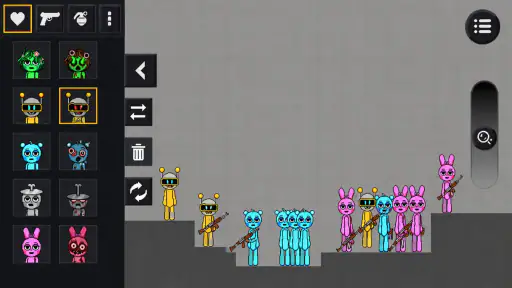
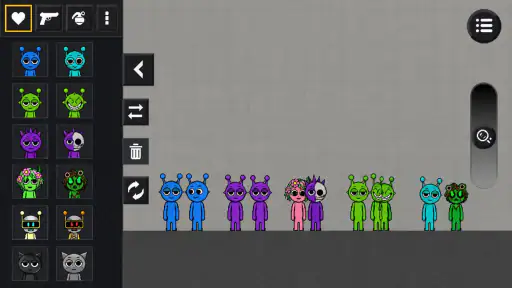
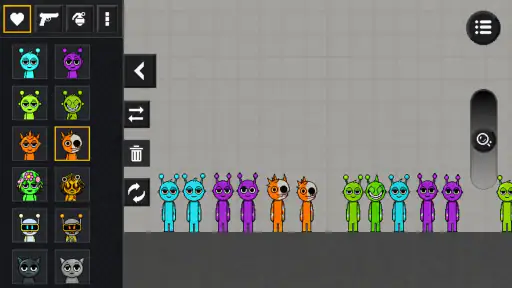
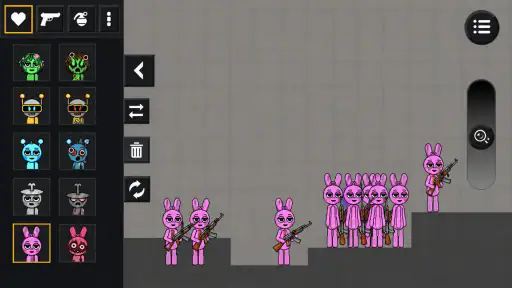
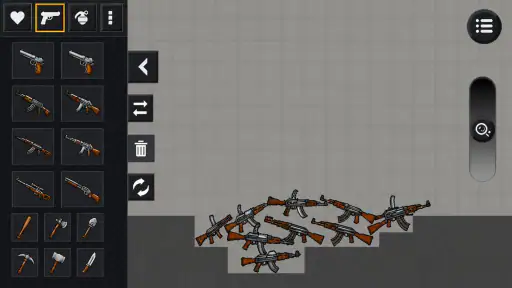
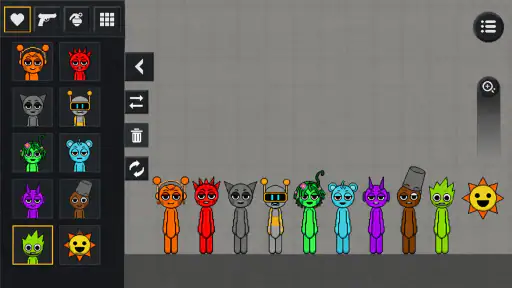
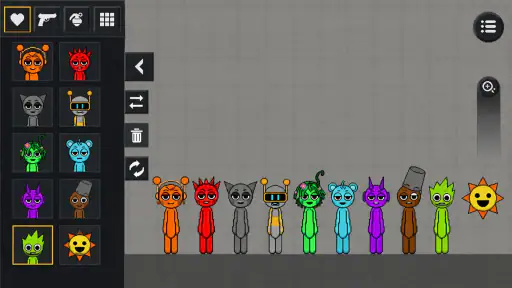
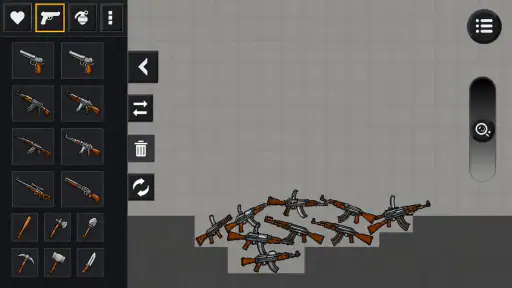
Analysis by Reviewed
I would approach Sprunki Playground: Sandbox as a casual creative game rather than a challenge to beat. The appeal is in making things, mixing ideas, and seeing what happens when you play around with Sprunki in an open-ended space. That makes it a comfortable choice when I want a low-pressure game I can dip into without needing a long session or a complicated plan.
It is a simulation game from Logic Apz, and its central promise is simple: give players a sandbox playground for creative experimentation. I find that framing useful because it sets expectations. If you enjoy tinkering more than chasing levels, scores, or a detailed story, this is the kind of experience that may suit you. If you need clear objectives and a steady stream of unlocks, you may find the freedom less satisfying.
What the playground is best suited for
In my view, the strongest reason to try this game is its invitation to explore without treating every action as a test. A sandbox works best when curiosity is enough: you can try an idea, make a small change, and decide whether you want to keep experimenting. The description points toward creating, mixing, and playing, so I would start with that mindset rather than expecting a conventional simulation with a strict task list.
That open-ended style can work especially well in short everyday breaks. For example, if I have a few minutes while waiting for a ride, I can open the game with one small goal in mind: try a different combination, make a playful scene, or simply see what the playground encourages me to do. A modest aim keeps the session enjoyable even if I do not finish with a polished creation.
The game is free to download, has an Everyone age rating, and has reached over 100,000 installs. Its average rating is 4.1 from around 70 ratings, which offers a useful broad signal of how players have responded, though it cannot tell me whether their preferences match mine. I would treat it as a low-commitment way to see whether this particular style of creative play clicks for you.
Getting started without overthinking it
After installing, I would give myself a moment to look around before trying to make something impressive. In an unfamiliar sandbox, the first useful task is usually learning what the screen lets you interact with. Notice which elements appear selectable, which actions seem to change the scene, and whether the game gives any visual response when you try something. That simple orientation is more helpful than tapping everywhere at random.
The current version is 1.1, and the listed minimum operating system is Android 7.0. If you are installing on an older device, checking that it meets that requirement is a sensible first step. The game is presented as a mobile playground, so I would also start with a comfortable grip and enough screen space to see what is changing, especially if you are trying combinations rather than simply browsing.
For a first session, I recommend choosing one element or idea to focus on and changing only one thing at a time. This is a practical way to understand cause and effect in a creative game: if the result changes, you have a better chance of knowing what prompted it. It also helps avoid the common feeling that a sandbox is confusing simply because too many experiments happened at once.
My most useful first-session tip is to treat each experiment as a small question. Ask yourself what happens if you mix or alter one part of your setup, then pause long enough to notice the result. That gives the play session a natural rhythm without imposing goals the game may not be designed around. If the first attempt is not interesting, make a small adjustment rather than restarting your whole approach.
Finding a first satisfying result
A meaningful first success does not have to be a grand creation. In a game built around making and mixing, it can simply be discovering an interaction that produces a result you like. I would count that as progress: you have learned something about how the playground responds, and you now have a starting point for another attempt.
One useful workflow is to begin with a deliberately simple arrangement, observe it, and then add or change one ingredient. If the outcome becomes more amusing or visually appealing, keep that direction; if it becomes less clear, back up and try a different small change. This approach makes experimentation easier to follow and gives you a better chance of repeating a result you enjoyed.
Another good use case is sharing the game informally with a child or a friend who likes playful discovery. The Everyone rating makes it broadly suitable by age classification, but I would still guide a younger player through the first moments if they are not used to sandbox games. Showing them how to explore one interaction at a time can turn an initially unfamiliar screen into a more approachable activity.
Compared with the usual alternatives in simulation games, this kind of playground is less about managing a realistic system and more about creative play. That is a meaningful distinction. If you want to plan resources, optimize a routine, or work toward a clearly defined target, a management or building simulation may be a better match. If you like testing ideas without needing every session to produce measurable progress, Sprunki’s sandbox angle is more appealing.
Where new players may get stuck
The main potential friction is also part of the game’s appeal: a sandbox may not tell you exactly what to do next. Players who expect a tutorial to lead directly into a sequence of objectives may feel unsure at first. When that happens, I would avoid interpreting the lack of a fixed route as failure. Pick one visible element, test an interaction, and use the result to decide what to explore next.
It is also easy to make too many changes in quick succession. If a combination produces something unexpected, you may not know which action caused it. Slowing down and changing one thing at a time is a simple remedy, and it makes the game feel more understandable without needing a walkthrough. For a more relaxed session, choose a playful theme for yourself—something silly, surprising, or deliberately simple—and see how the available interactions support it.
Another trade-off is that open-ended play depends heavily on your own interest in experimenting. I would not recommend this as a substitute for a story-driven game if you want characters and plot to carry the experience, or for a competitive game if you want opponents and clear wins. The same freedom that makes the playground easy to dip into can leave a goal-focused player asking for more direction.
Turning a quick experiment into a habit
Once you have found an interaction you enjoy, the next step is to build on it rather than immediately searching for a complicated technique. Repeat the idea with one deliberate variation. This is a better way to learn the game’s creative possibilities than trying to discover everything at once, and it gives each short session a clear purpose.
If you are playing with someone else, take turns proposing the next small experiment. One person can suggest a change, while the other watches what happens and decides whether to keep it. That turns the sandbox into a shared activity without requiring either player to know the game in advance. It is particularly handy when you want something light to do together rather than a game that demands sustained concentration.
For solo play, I would use a simple stopping point: finish when you have found one result worth remembering or when you no longer feel curious about the next variation. This keeps the game from becoming a chore. A creative sandbox is at its best when you can leave after a satisfying discovery and return later with a fresh idea.
Who should try it—and who should look elsewhere
I would recommend it to players who enjoy playful experimentation, like making small changes to see what follows, or want an easygoing game for brief sessions. It may also suit parents looking for a broadly age-rated creative game to explore alongside a child, provided they are comfortable helping with the initial learning curve. Its free price makes trying it straightforward, while the 4.1 average gives a general indication of a positive reception among players who have rated it.
I would steer away if you need detailed instructions, a strong progression structure, or a precise simulation of a real-world activity. Those preferences are not flaws; they simply point toward a different kind of game. A goal-led builder or a narrative game will usually offer clearer milestones, while this playground asks you to supply some of the direction yourself.
Overall, I see Sprunki Playground as a small creative space to explore, not a game that needs to prove itself through complexity. Start with one simple experiment, pay attention to what changes, and let a successful result suggest the next step. If that style of play sounds relaxing, Logic Apz’s sandbox is worth a try; if you prefer clear missions and constant direction, another simulation will probably serve you better.
The key is to keep your first session modest. You do not need to master the playground or create something elaborate to know whether it suits you. Give yourself room to test a couple of ideas, enjoy any surprising result, and stop when the curiosity fades. For me, that is the fairest way to judge a game built around creative freedom.
Sprunki Playground: Sandbox Frequently Asked Questions
What is Sprunki Playground: Sandbox?
Sprunki Playground: Sandbox is a physics-based sandbox game centered on experimenting with characters, objects, and interactive scenes. Rather than following a fixed story or a sequence of missions, it invites you to arrange elements and see how they behave together. The experience is generally open-ended, so it is best suited to players who enjoy creative play, amusing interactions, and making up their own challenges.
How do you play Sprunki Playground: Sandbox?
The main idea is to explore the available sandbox tools and place or move characters and objects within a scene. You can try different combinations, observe the resulting interactions, and adjust your setup whenever you want. There may not be conventional goals to complete, which makes experimentation the focus. Controls and available content can vary by version, so check the game’s store listing for current details.
Is Sprunki Playground: Sandbox free to download, and does it include ads or in-app purchases?
The download price, advertising, and optional purchases can depend on the platform, region, and version offered in the store. Before installing, review the app’s Google Play or App Store page for its current pricing and monetization details. Also check the listed age rating and any notes about advertisements or in-app purchases, particularly if you are choosing the game for a child or want to avoid unexpected spending.
Can I play Sprunki Playground: Sandbox offline?
Whether the game works without an internet connection may depend on the version and on features such as ads, updates, or online services. If offline play matters to you, consult the store description and recent user reviews, then test the game after installation with your device disconnected. An internet connection may still be needed to download the app, receive updates, or use any features that rely on online access.
Is Sprunki Playground: Sandbox suitable for children, and what should I check before downloading?
Suitability depends on the game’s current age rating and the kind of character interactions shown in its version. Parents should review screenshots, the store’s content information, and recent reviews before deciding, since ratings and features may differ between platforms. It is also sensible to check permissions, advertising and purchase disclosures, and device compatibility, then use parental controls if you want to limit downloads or spending.
Pros
- Open-ended sandbox play encourages experimentation and creative storytelling.
- Physics-based interactions make objects and characters fun to arrange and knock around.
- Simple controls are approachable for younger players and casual sessions.
- A variety of items and characters supports different scene-building ideas.
- No fixed objectives lets players explore at their own pace.
Cons
- Sandbox freedom may feel aimless to players who prefer clear goals.
- The playful presentation may not appeal to every age group.
- Scenes can become cluttered when many objects are placed together.
- Repeated interactions may feel limited for players seeking deeper mechanics.
- Performance may vary on older devices
- especially in busy scenes.

- Category
- Simulation
- Version
- 1.1