Ragnarok Origin: Classic
- 53.00
- 3.3
- Installs
- 100.00K
- Price
- Free

Screenshots




Analysis by Reviewed
I spent time with Ragnarok Origin: Classic as a role-playing game, but I found its most interesting quality in how it fits around everyday routines. It is the kind of mobile RPG that can become a shared topic at home without requiring everyone to play in the same way. One person may care about character progress, another may enjoy the world and social activity, while someone else may simply want a short session after work. That flexibility is useful, although the game still asks for attention and regular decision-making rather than functioning as a completely casual time filler.
The game comes from Gravity Game Vision and is free to start. Its store presence has attracted over one hundred thousand installs, while its average rating sits at 3.3 from roughly one thousand four hundred ratings. Those numbers suggest a divided reception rather than universal approval, and that matches my experience: there is a recognizable appeal in the classic online role-playing structure, but the pacing, monetization, and need to manage a character over time will not suit everybody.
How Ragnarok Origin: Classic Fits Into Shared Everyday Play
My clearest use case was a household where people use the same space, and sometimes the same tablet or phone, but do not necessarily want the same kind of entertainment. I could play through a quest while another person watched, then stop at a natural point and leave the device available. Later, someone else could use it for their own session. That sounds simple, but role-playing games are not always comfortable on shared devices because progress, account access, and personal choices can become mixed together very quickly.
For that reason, I would treat this as a personal game even when the device is shared. The important boundary is not only whose turn it is to hold the phone. It is whose character is being developed, whose decisions are being made, and whose purchases would affect the account. Before starting, I would agree on a separate login or clearly separated user arrangement wherever the available account system supports it. I would also avoid handing the device to a younger player while a purchase screen is open or while another person’s character is in the middle of an important action.
This is not a game I would recommend as a completely open household toy where anybody can tap around without explanation. The character represents long-term progress, and careless changes can be frustrating even when they are reversible. A shared-device setup works better when each player has a defined turn and understands which character belongs to them. In my view, that small bit of organization makes the experience calmer and prevents the usual argument about who changed what.
A realistic evening might look like this: I play for twenty minutes after dinner, finish a task, and hand the phone over. Another family member checks their own progress later, while we compare what happened during the session. That arrangement makes the game feel more social without pretending that it is a local multiplayer title. The coordination happens through conversation and timing, not because every player is automatically placed in the same activity.
Keeping Accounts and Progress Clearly Separate
Account boundaries matter more here than they do in a simple puzzle game. I would not use one character as a shared household project unless everybody genuinely agrees on the direction. Role-playing progression often involves choices about equipment, resources, quests, and play style. A decision that seems harmless to one person may interfere with another person’s plan, especially if they are saving something for later.
My practical approach would be to give each player a named profile or account identity, keep a short note of who is currently signed in, and sign out before passing the device on if the game and device setup allow that safely. I would also check the active character before beginning a session. That extra moment is easy to skip, but it is the best protection against spending resources on the wrong character or continuing a quest someone else wanted to handle personally.
I would be especially careful with in-app purchases. The game is free to download, but individual purchases range from $0.99 to $99.99. That is a wide enough range that a shared phone should never be left unattended on a payment confirmation screen. Adults may find this obvious, yet children or guests may reasonably assume that an on-screen button is part of normal play. I would discuss the rule in advance: no purchase without asking the account holder, even if the item looks useful or time-limited.
This is also where the game’s monthly-pass-focused identity affects household use. The idea may appeal to players who prefer a clearer spending boundary than a game built around constant competitive purchases. Still, a pass is not the same as a zero-cost experience, and it should not be treated as an automatic household subscription. I would decide whether the game deserves a fixed budget only after playing enough to understand how much the free path satisfies the intended player.
Coordinating Sessions Without Turning Play Into a Chore
One strength of a persistent role-playing game is that it gives people something to return to. One weakness is that it can quietly take over the schedule. In a shared home, I would set a simple expectation: play during an agreed window, stop before someone else needs the device, and do not assume that another player will wait indefinitely for a group activity. This keeps coordination friendly instead of making the game feel like another obligation.
I found that short sessions work best when I decide on a purpose before opening the game. I might focus on a quest, character maintenance, or a quick check of available progress rather than wandering through every menu. That habit is useful on mobile because it reduces the chance of losing a large block of time to small, disconnected tasks. It also makes handoffs easier; I can finish at a sensible point instead of stopping halfway through something another player may want to complete.
For households with two people who both enjoy the game, conversation can improve the experience. We can compare character priorities, discuss whether a reward is worth using now, or decide who gets the next turn on the device. But I would not assume that coordination means shared progress. Unless the game’s own account and social features make a particular arrangement possible, each player should understand that watching someone else play is not the same as advancing their own character.
That distinction is one of the less obvious trade-offs. A family may enjoy discussing the same world while still needing separate play routines. If the goal is direct cooperation on one screen, a dedicated multiplayer game designed around shared sessions would be a better choice. Ragnarok Origin: Classic is more suitable when people want related experiences that can be discussed between sessions.
What the Classic Role-Playing Structure Does Well
The appeal for me comes from the feeling of building a character over time. Instead of treating every session as a self-contained round, the game encourages me to think about what my character is becoming and which activities support that direction. That makes small decisions feel connected. A short session can still matter because it contributes to a longer path, provided I am willing to keep track of what I am trying to achieve.
The classic presentation also gives the game a distinct identity compared with many newer mobile RPGs that push fast battles, dramatic effects, and constant rewards. Here, I am more aware of the role-playing framework: progress, choices, and the relationship between routine activity and character development. Players who enjoy an older online RPG rhythm may find that familiar structure more appealing than a highly automated game.
At the same time, familiarity can become friction. Someone coming from a streamlined modern mobile game may find the experience less immediately clear, particularly if they expect every useful action to be explained in a single smooth tutorial. I recommend taking time to read what each screen is asking before spending resources. The game rewards patience more than impulsive tapping, and that is important advice for new players sharing a device with someone who already understands it.
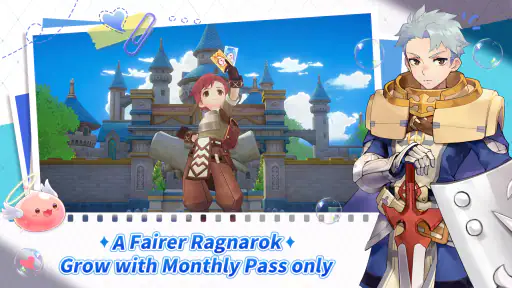
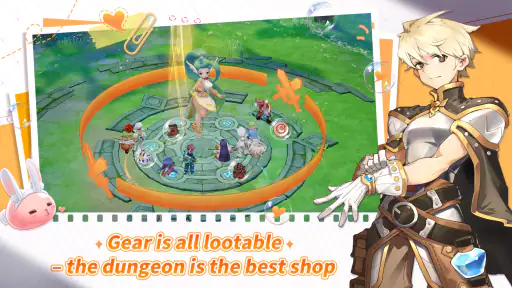
The store positions the game as a version where ordinary play and drops are central, with competitive spending intended to have less influence. I appreciate that direction because it gives players a reason to engage with the game rather than simply treating purchases as the main route forward. Still, I would judge the experience by the actual rhythm of play, not by the promise alone. A player who dislikes any form of paid progression may remain uncomfortable, while someone who wants a more restrained spending model may find the approach easier to accept.
Where It Compares Well With Other Mobile RPGs
Compared with a heavily automated mobile RPG, this game feels more appropriate for someone who wants to pay attention to the character and the surrounding progression. Automated systems can be convenient when a player has only a few spare minutes, but they may also make the game feel like a checklist running in the background. Ragnarok Origin: Classic is a better fit for a player who wants their decisions to remain visible and meaningful.
Compared with a large, cinematic action RPG, it is less about presenting a constant stream of spectacle and more about maintaining an ongoing role-playing routine. That can be easier on an older supported device or for a player who prefers a familiar online-RPG atmosphere, although I would not assume that every phone will feel equally comfortable during longer sessions. The minimum operating system is Android 8.0, so compatibility begins with a relatively broad range of devices, but operating-system support alone does not guarantee an ideal experience on every handset.
Compared with a purely casual game, it asks for more commitment. I would not recommend it to someone who wants to open an app for two minutes, finish a round, and leave with no continuing context. The persistent character is the point, and that same quality can feel like pressure if the player dislikes unfinished tasks or regular maintenance.
The best alternative depends on what you want from the category. Choose a simpler casual game for quick, self-contained sessions. Choose a more action-focused RPG if combat spectacle is your priority. Choose a traditional online role-playing experience if you enjoy gradual development, social context, and the satisfaction of returning to a familiar character. This title makes the most sense in that final group.
Age, Trust, and the Meaning of Everyone 10+
The content rating is Everyone 10+, which places it in a family-accessible range while still recognizing that it is not aimed at very young children. In a household, I would treat that rating as a starting point rather than a complete supervision plan. The more important questions are whether the child understands account ownership, whether they can recognize a purchase prompt, and whether they can stop playing when the agreed time ends.
I would be comfortable introducing it to an older child or teenager who already understands that virtual items and character resources have real value within the account. I would explain that free access does not mean every option is free, and that the presence of a monthly pass or individual purchases does not create permission to buy. Those conversations are more useful than simply saying the game is safe because of its age label.
Trust also matters between adults. If several people use one tablet, the account holder should be clear about who may access the game and who may make decisions. A child should not be expected to manage another person’s character, and an adult should not assume that a child can tell the difference between a normal reward and a paid offer without guidance. These are ordinary household boundaries, but the game’s ongoing progression makes them worth stating clearly.
I would also consider the emotional side of play. A player who becomes upset when progress is slow, when another person changes a plan, or when a purchase seems necessary may need a different kind of game. The role-playing structure can be rewarding, but it can also make small setbacks feel personal because they affect a character the player has been developing over time.
Version, Access, and What New Players Should Know
The current version is 2.0.4, and the game is free to begin. I would still approach the first session as an evaluation period rather than committing immediately to purchases or a long-term household routine. Try the basic loop, see whether the interface feels comfortable, and check whether the intended player enjoys making progress without being pushed into spending.
New players should resist the temptation to copy every action from a more experienced friend. Advice can be useful, but part of the pleasure is discovering which direction suits your character and your available time. I would write down the questions that come up during the first few sessions, especially around resources and progression, then resolve them before making a costly decision. That is more reliable than tapping through menus quickly just to keep moving.
Another useful habit is to separate “I want this” from “I need this.” In a role-playing game, a tempting upgrade can look essential because it is presented at the exact moment the player is thinking about improvement. Waiting, playing another session, and checking whether the free path already provides a workable solution can prevent unnecessary spending. This is particularly important on a shared device, where somebody else may not know what the account holder intended to save.
Players should also decide whether they want a social experience or a solitary one before investing much time. If the appeal comes from talking with friends about progress, the game can become a pleasant shared hobby. If the player wants to avoid all coordination, a more self-contained RPG may be less demanding. Neither preference is wrong; they simply lead to different levels of satisfaction here.
Who I Would Recommend It To
I would recommend this game to someone who likes classic online role-playing ideas, gradual character development, and a mobile experience that can be revisited over many sessions. It is especially suitable for a player who appreciates the possibility of earning useful progress through play and who can treat purchases as optional decisions rather than requirements.
It also works for a household that wants a common game conversation without needing simultaneous play. One person can tell another about a character decision, a new goal, or a difficult section, and that shared interest can be enough to make the game feel connected to family life. The key is keeping accounts and turns separate.
I would skip it if you want a short, consequence-free game, if you dislike persistent progression, or if any in-app purchase model is unacceptable to you. I would also choose something else for a young child who needs a completely independent experience with no account or spending decisions to understand. The age label is not a substitute for adult judgment.
My final impression is positive but measured. The strongest reason to try it is the combination of classic role-playing progression and a more play-centered approach to obtaining useful items. The weakest point is that the same ongoing structure can demand more attention than a casual player expects. On a shared device, it becomes enjoyable when everyone agrees on boundaries, protects account ownership, and treats spending as a deliberate choice.
For me, Ragnarok Origin: Classic is worth trying free before deciding whether it belongs in a regular routine. It is not the right answer for every mobile RPG fan, but it has a clear audience: players who want a familiar character journey, households willing to coordinate access responsibly, and anyone who prefers steady development over disposable rounds. With those expectations, the game feels much more rewarding than its average rating alone might suggest.
Pros
- Faithful classic Ragnarok visuals and familiar fantasy atmosphere
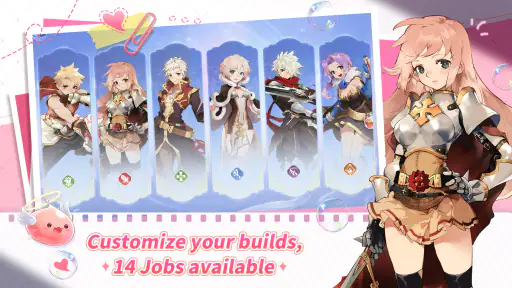
- Large selection of classes
- skills
- and character-building options
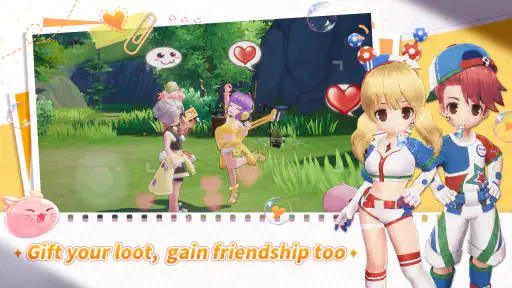
- Social features make guilds
- parties
- and boss hunts engaging
- Regular events provide extra rewards and reasons to keep playing
- Works well for players who enjoy long-term MMORPG progression
Cons
- Progress can feel slow without frequent daily play
- Many systems and menus may overwhelm new players
- Competitive players may encounter pressure to spend
- Grinding and repeated quests can become monotonous
- Performance may vary on older phones during crowded battles

- Category
- Role Playing
- Version
- 2.0.4