Ragdoll Hit
- 2.47K
- 4.6
- Installs
- 1.00M
- Price
- Free
Screenshots
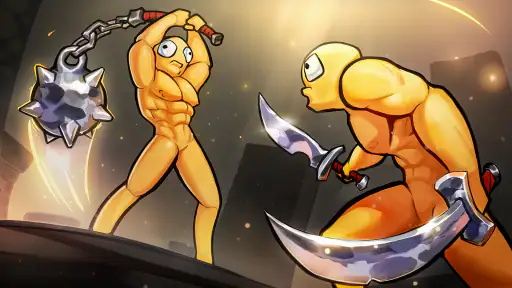
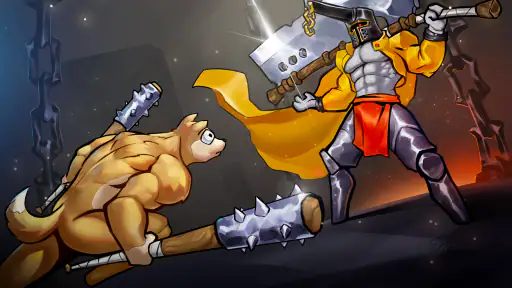
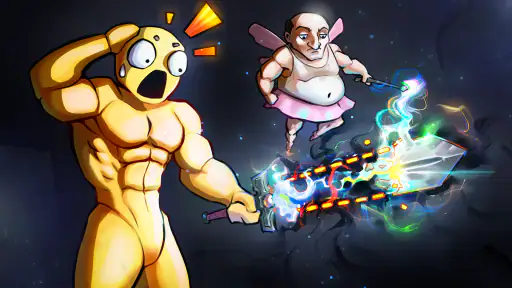
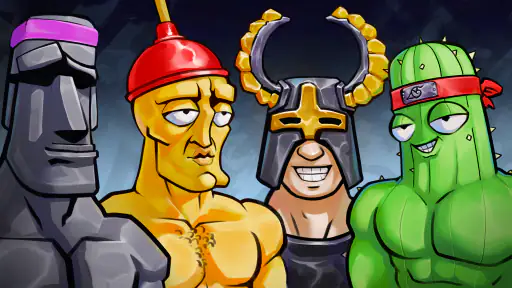
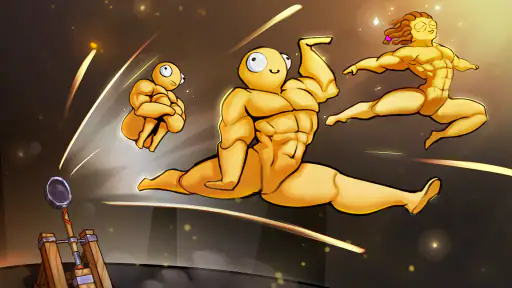
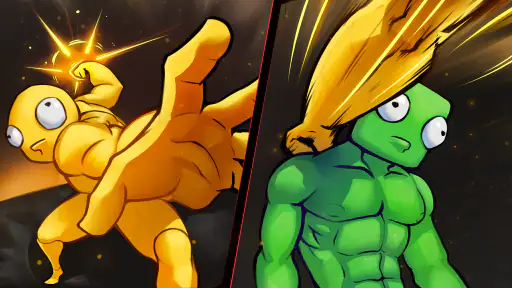
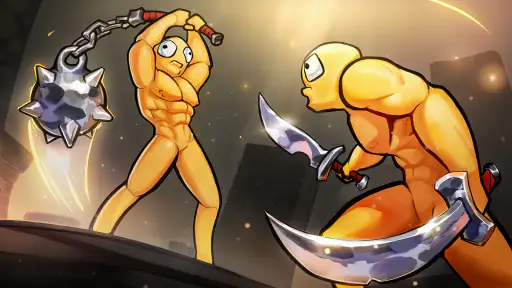
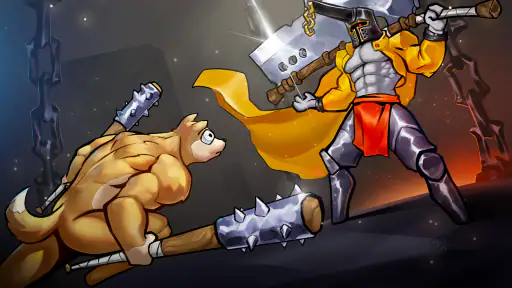
Analysis by Reviewed
Ragdoll Hit is the kind of action game I open when I want immediate physical comedy rather than a long story or a complicated control system. The premise is simple: move into a fight, strike a stickman opponent, watch the loose-limbed physics turn every hit into a small surprise, collect the result, and start again. That directness is its biggest strength, but it also explains why the game will not suit everyone.
After spending time with it, I see the appeal clearly. A match does not ask me to learn a large set of commands before the fun begins. I can understand the basic interaction almost at once, then gradually get better at positioning, timing and choosing when to attack. The experience sits comfortably in the action category, with a playful tone that makes the impact feel more like cartoon slapstick than serious combat.
The important question is not whether the game is deep in the traditional sense, but whether its short action loop stays satisfying after the novelty of the physics wears off. In my experience, it does this best when I treat it as a quick break: a few rounds while waiting for something, after finishing a task, or when I want an uncomplicated game that does not demand a large time commitment.
From the first swing to the first restart
The opening action is easy to understand
The first useful thing about Ragdoll Hit is that it gets me into the action quickly. I do not need to memorize a long move list or study a complex interface. The basic goal is obvious: control the character, make contact with the opponent, and use the physics to turn that contact into an advantage.
That simplicity is particularly helpful on a phone. Touch controls can become frustrating when a game expects precise combinations, but this design feels more approachable because the visual result matters as much as the input. I am not only pressing a control; I am watching how the character’s body moves, where the opponent is positioned, and whether the next strike is likely to push the fight in my favor.
The physics create an amusing layer of uncertainty. A hit may look clean, awkward or unexpectedly dramatic depending on the angle and movement. That unpredictability gives ordinary actions more personality. Even when I make a mistake, the result can be entertaining rather than simply annoying.
Still, the loose movement can also be the source of friction. Players who want strict, competitive precision may find the ragdoll behavior less dependable than the controls in a traditional fighting game. I sometimes feel that the outcome is shaped by the physics as much as by my intention. That is part of the charm, but it means success is not always a pure test of technical skill.
Why the physics matter more than a large move set
In many mobile action games, variety comes from unlocking a long list of weapons, abilities or characters. Here, the entertainment comes more directly from the interaction between movement and impact. The same basic idea can produce different-looking moments because bodies react in ways that are difficult to predict perfectly.
This makes the game easy to recommend to someone who enjoys physics toys, cartoon violence and quick experiments. I can try a different approach in the next encounter without needing to rebuild a character or change a complicated loadout. The learning process is informal: I notice what happened, adjust my movement, and see whether the next attempt produces a better result.
One practical tip is to resist the urge to attack constantly. Rushing forward may create a funny collision, but it can also leave the character poorly positioned for the next exchange. I get better results when I briefly read the opponent’s location, move with a purpose, and use the available space instead of treating every moment as a button-mashing contest.
The feedback rhythm keeps each encounter readable
The game’s strongest rhythm is built around visible cause and effect. I make an attack, the characters react, and the physics immediately show whether the contact helped me. That fast feedback is more important here than a detailed explanation of damage values or combat statistics. I can usually tell when an action has worked because the opponent’s movement changes in front of me.
That clarity makes the action satisfying even during short sessions. A successful strike is not hidden behind a menu or a delayed calculation. The result appears in the animation and the change in position. When the opponent falls or loses control, the reward is partly mechanical and partly visual: I understand what happened, and I get to enjoy the exaggerated motion.
The best moments often come from imperfect attacks. A swing that does not land exactly as planned may still send the characters into a surprising chain of movement. This is where Ragdoll Hit separates itself from a conventional button-based brawler. The game does not need every action to look polished or heroic; awkwardness is part of its identity.
There is a trade-off, though. Because the physics can produce unusual outcomes, the feedback is not always a precise lesson. If I fail, I may know that my position was bad, but I may not know whether the problem was timing, angle or simply an unpredictable collision. That makes the game inviting for casual play, while making it less appealing to someone searching for a highly controlled competitive system.
How I approach a difficult moment
When a fight becomes messy, I find it useful to focus on one immediate objective rather than trying to control everything at once. I look for a safe angle, create a little separation if possible, and then commit to the next movement. This helps because the loose character animation can become visually busy when both fighters are moving at the same time.
Another useful habit is to watch the opponent’s body rather than only the character’s weapon or hand. The body position often tells me whether an attack will push the opponent away, leave them exposed, or create a bad collision for my own character. It is a small change in attention, but it makes the physics feel less random.
I also avoid judging a round too early. A poor opening does not always mean the encounter is lost, and a strong first impact does not guarantee an easy finish. The ragdoll behavior can change the situation quickly. Staying patient for one more movement is often more effective than repeatedly forcing the same attack.
What counts as a reward
Ragdoll Hit works because it delivers several small rewards close together. The first is the impact itself: seeing a strike connect and watching the opponent react. The second is the completion of the encounter. The third is the sense that I handled the next attempt a little better because I understood the movement more clearly.
That reward structure is modest, but it fits the game’s scale. I do not need a dramatic narrative payoff to enjoy a short session. The satisfaction comes from turning a simple interaction into a funny or effective result. For me, that is enough when I want a quick action game rather than a major gaming project.
The free entry point also lowers the risk of trying it. Ragdoll Hit is free to play, although optional purchases range from $2.99 to $69.99 per item. I would approach those purchases carefully and decide whether the basic loop already gives me enough enjoyment before spending anything. The game’s core appeal is immediate physics-based action, so a purchase should feel like a genuine convenience or enhancement rather than something I need to justify downloading it.
This is also where the game’s audience matters. Its content rating is Teen, so I would not choose it as a general children’s game simply because the characters look like stick figures. The presentation is playful, but the combat theme still makes the age guidance relevant. For teenagers and adults who enjoy exaggerated action, the tone is easy to understand; for younger players, I would check whether it matches the family’s expectations.
Why another round begins
The reason I start another session is not usually long-term progression. It is the desire to reproduce a satisfying result or correct an awkward mistake. If an opponent is defeated in an amusing way, I may immediately wonder whether I can create an even better impact next time. If I lose because I attacked carelessly, the reset gives me a quick chance to try a calmer approach.
This is a classic short-loop motivation: action, feedback, a small reward, reset, and renewed curiosity. The reset is important because the game does not make failure feel like a major interruption. I can treat the next encounter as a clean experiment instead of carrying a large penalty from the previous one.
That structure makes it suitable for everyday situations where I have only a few minutes. For example, if I am waiting for a coffee order, I can play a brief encounter, stop without losing an evening of progress, and return later when I have another spare moment. It also works after a demanding work session because it asks for attention without requiring the mental investment of a story-driven action game.
The same quality can become a weakness during a longer play period. Once I have seen many variations of the same physical joke, the reset may feel less meaningful. The game depends on my willingness to enjoy the moment-to-moment interaction, so players who need a strong campaign, a detailed world or a clear long-term objective may run out of reasons to continue sooner than expected.
How it compares with familiar action alternatives
Compared with a traditional fighting game, Ragdoll Hit is much easier to enter but less exact. A conventional fighter usually rewards memorized combinations, defensive timing and a deeper understanding of fixed animations. This game is more interested in the spectacle of bodies colliding. I would pick it for casual experimentation, not for serious competitive training.
Compared with a level-based platform action game, it offers less emphasis on exploration and navigation. There is no need to learn a large environment before I can enjoy the central interaction. That makes it more convenient for short sessions, but it also means I do not get the same sense of discovery or place that a platform adventure can provide.
Compared with a physics puzzle game, the objective here is more direct and aggressive. I am not mainly arranging objects to solve a carefully designed problem; I am using movement and impact in a fight. Someone who enjoys emergent physics but wants a calmer, more thoughtful pace may prefer a puzzle alternative. Someone who wants immediate cartoon combat will probably find this more accessible.
Its closest advantage over many heavier mobile action games is that I can understand the appeal without investing much time first. Its closest disadvantage is that the same simplicity limits the number of ways the experience can develop. That is a fair trade, but it should be clear before downloading: this is a compact action toy, not a replacement for a full console-style fighting game.
Who will enjoy it, and who should skip it
I would recommend it to players who like ragdoll physics, exaggerated impacts and games that can be understood in seconds. It is a good fit for someone who wants a quick distraction, enjoys trying slightly different approaches, or likes watching an unpredictable hit turn into an entertaining failure.
It is also a reasonable choice for people who find complex mobile controls tiring. The game’s appeal does not depend on mastering a large command vocabulary. A new player can begin with basic movement and gradually develop better judgment by observing how each collision changes the situation.
I would be more cautious about recommending it to players who want a structured campaign, a strong story, highly technical combat or a carefully balanced competitive environment. The physics are central, and that means the game can sometimes feel loose rather than exact. I would also skip it if cartoon fighting is not appealing, because the impact animation is not a side detail; it is the main reason to play.
Practical details before installing
The game is developed by Kids Games LLC and has built a sizeable audience, with over a million installs and an average rating of 4.6 from around thirty thousand ratings. Those figures suggest that the quick physics-fighting concept connects with many mobile players, although popularity does not remove the personal question of whether the loop matches my taste.
It was released on May 25, 2024, and the current version is 8.7.10. The minimum operating-system requirement is Android 7.0, which makes it accessible to many older Android devices. I would still keep expectations realistic on older hardware: physics-heavy movement can be more enjoyable when the game responds smoothly, so device performance may affect how comfortable the action feels.
One thing I would check before making it a regular game is how I feel about the purchase model. Since the title is free and includes optional items priced from $2.99 to $69.99 each, I would use the free experience as the test. If the short encounters already make me smile, it has done its job without requiring a purchase. If I feel bored before considering extras, spending more is unlikely to solve the underlying problem.
The complete loop in practice
When I break the experience into its essential stages, the design becomes easy to judge. First, I enter an encounter and make a movement. Next, I read the physical response: did the opponent move, did I lose balance, or did the collision create a better opening? Then I receive a small reward through progress and the visual satisfaction of the result. After that, the encounter resets, giving me a fresh chance to test another idea.
That loop is strongest when I play with a specific intention. I might try to avoid rushing, look for a better angle, or simply see how a different movement changes the impact. Treating each round as a small experiment gives the repetition more meaning than blindly repeating the same action.
It is weaker when I expect every session to offer a new system or a major surprise. The game’s variety comes from the interaction, not from the kind of broad content range found in a large action package. Once I understand that boundary, I can enjoy it on its own terms instead of asking it to provide something it was not designed to emphasize.
My final take on the reset-and-repeat design
Ragdoll Hit succeeds because it makes the first action understandable, the feedback immediate, and the restart painless. I enjoy the way a simple attack can become a funny physical event, and I appreciate that a failed encounter usually feels like an invitation to try again rather than a serious setback.
My main reservation is longevity. The game’s charm depends heavily on how much I enjoy repeating short physics-based fights. Players looking for deep combat systems or a substantial progression journey should choose a different action game. For quick entertainment, however, its focused design is a benefit rather than a flaw.
Overall, I would recommend Ragdoll Hit to anyone who wants free, accessible mobile action with a playful ragdoll twist. I would start without buying anything, spend a few short sessions learning how positioning affects the collisions, and then decide whether the loop still feels fresh. If the answer is yes, the game has earned a place among my quick-break downloads; if not, the easy reset also makes it easy to move on.
Pros
- Simple controls make it easy to start playing immediately.
- Physics-based combat creates funny and unpredictable moments.
- Short levels suit quick gaming sessions.
- Many weapons and obstacles keep encounters varied.
- Cartoon-style graphics run smoothly on most modern devices.
Cons
- Gameplay can become repetitive after extended play.
- Some levels rely heavily on luck rather than strategy.
- Ads may interrupt the experience between rounds.
- Advanced weapons or content may require in-app purchases.
- Ragdoll physics occasionally cause awkward or frustrating collisions.
- Category
- Action
- Version
- 8.7.10