Poppy Playtime Chapter 2
- 1.48K
- 4.0
- Installs
- 100.00K
- Price
- $4.99
Screenshots
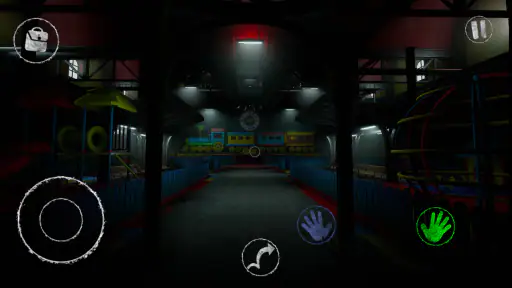
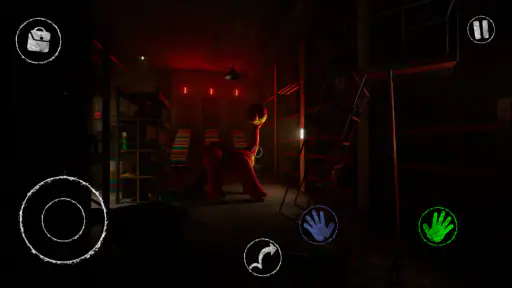
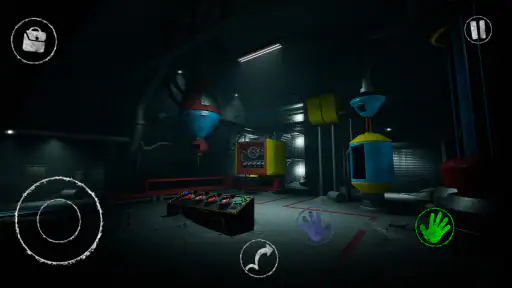
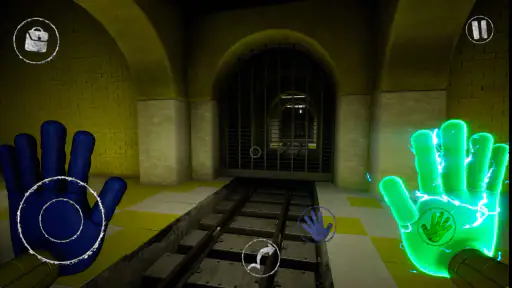
Analysis by Reviewed
I came away from Poppy Playtime Chapter 2 thinking less about how quickly I could finish and more about how carefully I read the factory around me. Its appeal is the push and pull between curiosity and caution: I want to see what is around the next corner, but I also want a moment to understand what the room is asking before I move. If you enjoy horror that gives you puzzles to work through, rather than relying on action alone, that balance is the reason to take a closer look.
Early goals give exploration a purpose
I find the early appeal comes from having a clear reason to explore: move through the factory, work out what a room is asking of you, and use puzzle-solving to make progress. The action-game framing does not mean every moment is a chase. Much of the tension comes from looking closely, understanding how the environment fits together, and deciding when it is safe to keep moving. That mix gives the opening stretch a useful rhythm for players who enjoy horror with something to think about between scares.
A practical tip is to pause before trying random actions. I look for details in the room that seem connected, then test one idea at a time. That makes puzzle sequences easier to follow and helps preserve the atmosphere; rushing around can turn a tense scene into guesswork. If you get stuck, retracing the immediate area with a fresh look is often more satisfying than assuming the solution requires a hidden system.
That approach also helps set expectations. The game is not best treated as a checklist of tasks to clear as quickly as possible. I get more from it when I let each area establish its own little problem, then look for how the objects and spaces relate. If you are used to action games that announce a target and send you straight toward it, this slower start can feel understated. For me, that restraint is useful: it gives the factory room to feel strange before danger takes over.
The Story Unfolds
So, you survived the nightmare of the first chapter and now find yourself in an even more precarious situation. In Poppy Playtime Chapter 2, the story picks up where the last one left off. You’re still trapped in the eerie toy factory, and your mission is to uncover the sinister secrets that have been haunting the place. The plot thickens as you unravel the mystery behind the disappearance of Poppy, the sentient doll. It’s like being part of a horror movie where you’re the protagonist, and trust me, the suspense is palpable.
That direct continuation matters when choosing where to start. I’d recommend playing the first chapter before this one if you care about the story and want the characters and setting to land with their intended context. If you mainly want a standalone puzzle challenge, the sequel may still catch your interest, but some of its narrative tension depends on knowing what came before. It is also a game I would save for a time when I can focus rather than squeeze into a noisy, distracted break.
For anyone deciding whether to jump in without the earlier chapter, I would separate two questions: can you follow the immediate task, and will the story have its full effect? The first may be manageable through the setting and puzzles themselves; the second is stronger when you know why returning to this factory matters. If you already played the first chapter, the sequel’s continuity gives you a reason to pay attention to familiar surroundings. If you have not, I would choose based on whether atmosphere and problem-solving matter more to you than catching every narrative connection.
More From Our News Desk

Clash of Clans Is Won Between the Battles

Android Auto Makes the Case for Quieter Car Software

MobiOffice: Transforming Mobile Productivity with Seamless Integration

EA SPORTS FC™ Mobile Soccer: Redefining Mobile Sports Gaming

How Microsoft OneDrive Became a Mobile Productivity Giant

How Google Translate Breaks Language Barriers Effortlessly
Progress comes from reading the factory
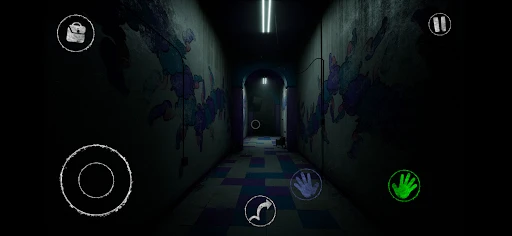
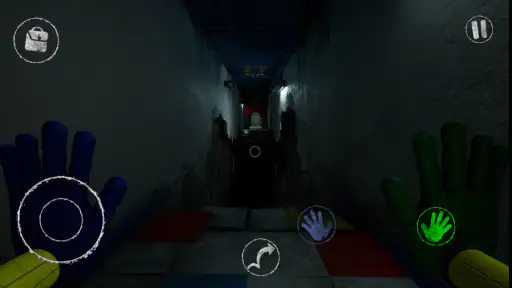
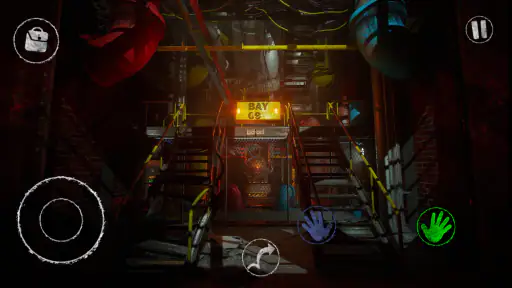
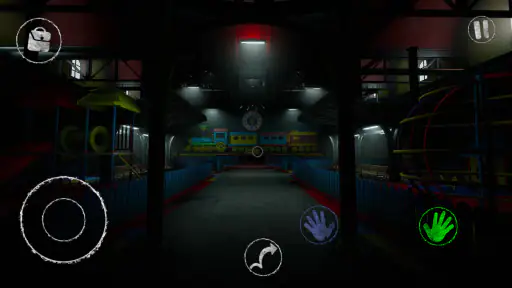
This chapter amps up the thrill factor with new mechanics and puzzles that will keep you on your toes. The developers have done a stellar job in designing the environment to be both captivating and terrifying. From navigating through creepy corridors to solving mind-bending puzzles, every moment is a test of your wits and nerves. The graphics are top-notch, bringing the abandoned toy factory to life with a hauntingly beautiful aesthetic. And the sound design? Let’s just say it’s going to keep you up at night.
Progress feels strongest when exploration and puzzle-solving support each other. A solved obstacle is not just a checkbox; it can make a stretch of the factory feel newly understandable, which gives forward movement a satisfying purpose. I also like that the setting encourages attention to visual clues instead of relying on constant prompts. The trade-off is that players who prefer a clear marker for every objective may find the quieter stretches slower, especially when they are unsure which part of a room deserves a closer look.
One useful habit is to distinguish between a room that needs more observation and one where the current puzzle simply has not clicked yet. I try a small number of deliberate interactions, then widen my search to the surrounding space rather than repeating the same action everywhere. This keeps the logic of a puzzle in view and makes it easier to remember what I have already tested. It is a modest change in how you play, but it can prevent aimless backtracking from draining the tension.
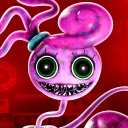
What’s really cool is the introduction of new characters and toys that are creepier than ever. You’ll encounter some spine-chilling foes that are cleverly crafted to make your heart race. The AI has been improved, making these toys smarter and more unpredictable. It’s a cat-and-mouse game where you hope to be the one that got away. Oh, and did I mention the new gadgets? They add a fresh layer of complexity and fun to the gameplay, making every encounter feel unique.
The gadgets also change how I think about a problem: instead of looking only for a route forward, I consider what the room may let me interact with and how that could help. That is where the game’s puzzle focus can feel more distinctive than a standard horror chase. The trade-off is that a new tool can briefly interrupt the story’s momentum while I learn what it is useful for. I would not expect every encounter to play the same way, so staying observant is more valuable than trying to force one familiar solution onto every obstacle.
The difficulty curve rewards patience
The challenge works best for me when I treat each tense section as a short sequence of observation, decision, and action rather than a test of speed alone. If a threat appears, I try to learn the space before committing to a route; panic can make a simple interaction harder to read. This approach is useful for players who enjoy being startled but still want their progress to depend on paying attention. It is less ideal if you want a gentle, low-pressure puzzle game or dislike being pursued in a horror setting.
For an everyday session, I would play a chapter segment when I have a quiet half hour and can keep the sound on at a comfortable level. The audio contributes to the unease, so playing while multitasking or in a crowded place can blunt one of the game’s main strengths. On the other hand, if sudden scares are uncomfortable for you, lowering the volume or choosing a time when you feel settled can make the experience easier to manage without removing the puzzles.
The difficulty is not only about whether a threat catches you. There is also the mental effort of holding onto what a room has shown you while deciding what to try next. When I reach a tense section, I do better if I pause long enough to notice the layout rather than immediately reacting to the first sign of danger. That may sound cautious, but it keeps the challenge tied to attention instead of turning every mistake into frantic button pressing.
This is why I would not recommend it as a casual background game. A short session after dinner can work well if you have a quiet stretch and want one focused puzzle or story segment. It is a weaker choice for a commute, a shared room where you cannot hear the atmosphere, or a moment when you expect interruptions every few minutes. Even if you can play in brief bursts, the mood depends on being present enough to notice details and let suspense build.
Who will enjoy the trip
Now, you might be wondering, is Poppy Playtime Chapter 2 worth your time and money? Absolutely! If you’re a fan of horror and love a good puzzle, this game is a match made in heaven. It’s not just about jump scares; it’s about immersing yourself in a story that’s as engaging as it is terrifying. The developers have created a masterpiece that challenges your mind while keeping your adrenaline pumping.
Mob Entertainment’s game is a paid action title, priced at $4.99, and carries a Teen age rating. Its average rating is 4.0 from around 16,000 ratings, with roughly 1,500 written reviews and over 100,000 installs. Those figures suggest an established audience, but they are not a substitute for knowing whether its particular blend of toy-factory horror, exploration, and puzzles suits you. The current version is 1.42, and it requires Android 5.0 or later.
Compared with action games built around frequent combat, this chapter puts more weight on navigating a threatening place and making sense of its puzzles. Compared with gentler puzzle adventures, it leans much harder on suspense and the possibility of danger. That makes it a good fit for horror fans who want interactive problem-solving, but a poor match for anyone looking for relaxed play, a purely action-focused experience, or a story with no frightening moments. I would also skip it if you do not want to pay for a focused, single-game experience and would rather sample a free alternative first.
For a practical buying decision, I would ask whether the particular combination is what you want: a paid, story-led horror game in which exploration and puzzles share the spotlight. If you mainly want a quick action fix, another game built around regular combat may suit you better. If you want a calm brainteaser, a puzzle game without a threatening atmosphere is the safer choice. I would pick this one when I am in the mood to pay attention, feel uneasy, and make steady progress by figuring things out.
The Teen age rating is worth considering as well, especially if you are choosing a game for someone else. The toy-factory look can seem playful at a glance, but the horror tone and pursuit-based tension are central to the experience. I would not judge its suitability from the toys’ appearance alone. If sudden scares are a concern for you or the person playing, it makes sense to watch the opening together or choose a less intense alternative rather than expecting the game to feel like a light puzzle adventure.
Plus, it’s always fun to share your experiences with friends. Imagine huddling together, trying to figure out the next step while keeping an eye out for any lurking toys. The game is perfect for a spooky night in, and it’s guaranteed to be a conversation starter. Just remember, it’s not for the faint-hearted!
Curiosity sustains play, but does not erase friction
The factory’s strongest retention pressure is curiosity: I want to know what the next space reveals, but I do not feel that I need to chase a score or keep up with other players. That makes it easier to stop after a natural pause and return later, though a suspenseful moment can tempt you to continue longer than planned. If you are playing in short sessions, stopping after a puzzle or a calmer transition is more satisfying than quitting in the middle of a tense encounter.
My main reservation is that the same uncertainty that makes exploration engaging can also create friction. When I cannot tell whether I missed a clue or simply need to try another interaction, progress can stall. Players who enjoy piecing together environmental hints are likely to see that as part of the appeal; players who want constant, explicit direction may find it irritating. It is worth approaching the game as a deliberate horror adventure, not as something to play while half-distracted.
That makes the game’s pull unusually personal. I do not feel pushed to log in for a routine or to maintain a streak; I want to return because I am curious about what the factory will reveal and how the next obstacle fits into the story. If that kind of narrative curiosity motivates you, it can carry a session naturally. If you prefer unlocks, repeated rewards, or a steady stream of match-based goals to keep you engaged, this is not the sort of action game I would choose for that need.
A simple way to manage the pacing is to stop when you reach a moment that feels resolved: after understanding a puzzle, leaving a tense encounter, or reaching a quieter stretch. That gives the next session a clean starting point and avoids putting the phone down while you are still trying to work out what just happened. I would not treat the lack of constant urgency as a flaw, but it does mean the game’s momentum comes from the story and your own interest rather than a visible reward ladder.
My progression verdict is that the chapter holds attention through readable local goals, environmental discovery, and a growing sense of danger, not through a promise of endless replay. That focus suits a single-player horror adventure, where moving through the factory is the reward. It also makes the experience easier to recommend selectively: I would point a horror-loving puzzle fan toward it, but I would not suggest it to someone who wants open-ended replay, relaxed sessions, or clear guidance at every turn.
In conclusion, Poppy Playtime Chapter 2 is a thrilling sequel that outdoes its predecessor in every way. With its captivating storyline, chilling atmosphere, and innovative gameplay, it’s a must-play for any horror enthusiast. So grab your flashlight, put on your bravest face, and get ready to uncover the dark secrets of Playtime Co. Who knows what awaits you in the shadows?
Poppy Playtime Chapter 2 Frequently Asked Questions
Can I play Poppy Playtime Chapter 2 offline?
If you are deciding whether to download Poppy Playtime Chapter 2, consider how you usually play mobile games: the experience is centered on exploring a factory, solving puzzles, and responding to threats, rather than competing with other players. A reliable connection may still be useful for downloading the game and handling any store-related tasks, but the core appeal is its single-player horror adventure.
What kind of gameplay should I expect from Poppy Playtime Chapter 2?
Expect a mix of exploration, puzzle-solving, and horror rather than a straightforward action game built around constant combat. You move through an unsettling toy factory, search for ways forward, and deal with a new threat as the tension builds. The store summary describes a deeper factory setting with more puzzles and a looming danger, which captures the chapter’s central appeal.
Is Poppy Playtime Chapter 2 a full game or a separate chapter?
Poppy Playtime Chapter 2 is a chapter in the larger Poppy Playtime experience, and its story continues the factory adventure rather than presenting an unrelated setting. Its focus is on descending deeper into the toy factory, where new puzzles and a new threat shape the journey. If you are new to the series, you may want to consider whether you prefer starting with an earlier chapter first.
How much does Poppy Playtime Chapter 2 cost, and what should I know before downloading?
Poppy Playtime Chapter 2 is a paid action game priced at $4.99, so you can consider the cost before downloading. It was released on Aug 11, 2022, and its current version is 1.42. The game is a continuation of the horror puzzle experience, with exploration and puzzles at the center of its factory setting.
What is Poppy Playtime Chapter 2 and what does it offer?
Poppy Playtime Chapter 2 is the continuation of the popular horror puzzle game where players explore an eerie toy factory. This chapter introduces new characters, puzzles, and environments that enhance the chilling atmosphere. Players must solve intricate puzzles to advance, while avoiding the terrifying creatures that lurk in the shadows, offering an immersive and spine-chilling experience.
Pros
- Engaging storyline captivates players.
- Innovative puzzles challenge the mind.
- High-quality graphics enhance immersion.
- Seamless gameplay with minimal bugs.
- Atmospheric soundtrack enriches experience.
Cons
- Limited replayability after completion.
- Some puzzles may be too difficult.
- Graphics demand high device performance.
- Occasional jump scares not for everyone.
- Requires stable internet connection.
- Category
- Action
- Version
- 1.42