Pocket Rogues: Ultimate
- 872.00
- 4.3
- Installs
- 100.00K
- Price
- $3.99

Screenshots
Analysis by Reviewed
I like Pocket Rogues: Ultimate most when I approach it as a series of focused decisions, not a race toward a perfect run. A dungeon gives me a clear immediate goal, but the changing conditions mean I still have to pay attention rather than switch to autopilot. If you enjoy action-oriented role-playing games and can accept that a good attempt may still end abruptly, its loop has a satisfying pull.
Small goals make each run matter
The first appeal for me is how naturally a run gives you something immediate to focus on. Rather than needing a long session before the game feels rewarding, I can treat a dungeon visit as a compact challenge: pay attention to what is in front of me, make careful choices, and see how far that attempt goes. That makes it easier to return when I have a spare stretch of time, though the unpredictability means I should not expect every session to end neatly on my schedule.
I also like that the appeal is not limited to reaching the end of a dungeon. Finding useful equipment or learning how a particular encounter punishes careless movement can make a run worthwhile even when it falls short. My practical advice is to treat each attempt as both a chance to progress and a chance to learn, rather than judging it only by whether I won. That mindset makes setbacks feel less like wasted time.
Exploring the Depths of Adventure
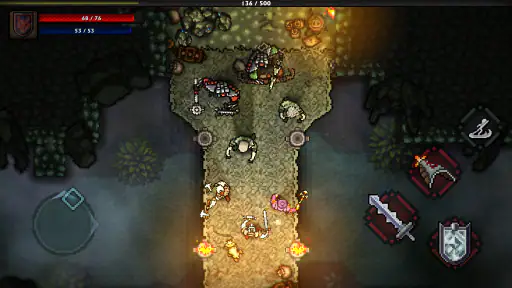
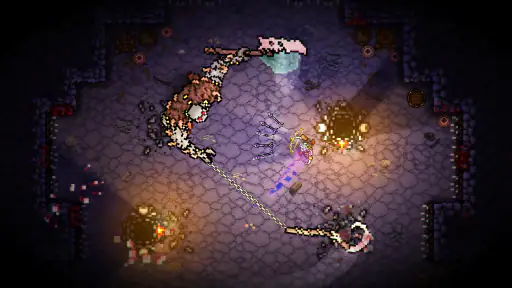
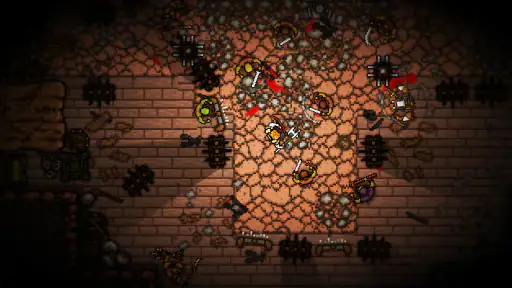
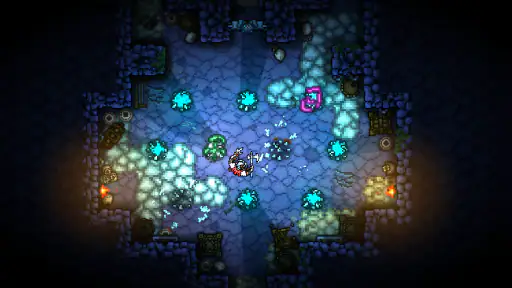
First off, let me just say that Pocket Rogues: Ultimate is no ordinary mobile game. This game takes the traditional rogue-like experience and packages it into a pocket-sized adventure that you can take anywhere. From the moment you boot it up, you're greeted with a retro-style pixel art that’s both charming and nostalgic. It's like stepping into a world where every corner holds secrets and every enemy is a new challenge.
Gameplay That Keeps You on Your Toes
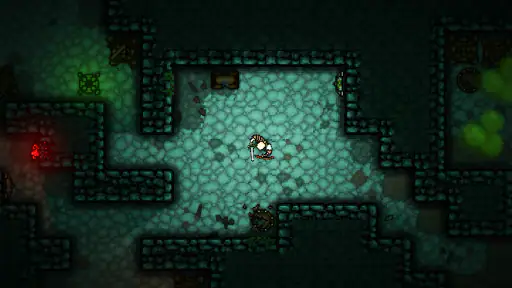
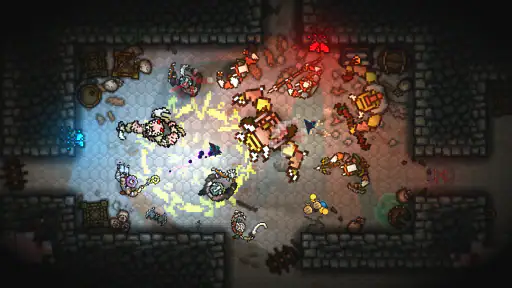
So, what makes this game stand out from the crowd? For starters, the gameplay. It’s a classic rogue-like where every time you play, the dungeons are randomly generated, meaning no two runs are ever the same. This keeps things fresh and exciting, offering a unique experience each time. Whether you’re battling hordes of monsters or navigating through intricate mazes, you’ll need to stay sharp and plan your moves carefully.
I found the controls to be intuitive, which is a big plus. They’re simple enough for newcomers but offer enough complexity for seasoned players to enjoy. The game does a fantastic job of balancing difficulty – it’s challenging but never feels unfair. There’s a real sense of accomplishment when you manage to clear a dungeon or defeat a particularly tough boss.
Reading progress without rushing
Progress in a roguelike can be hard to judge if I measure it only by completed runs. Here, I find it more useful to notice what has changed in my own decisions: whether I recognize a threat sooner, make better use of the equipment I find, or choose a more suitable approach when a familiar kind of danger appears. Those are meaningful signals even when a run ends early. Unlocks can give me a reason to keep going, but I still need to enjoy the moment-to-moment challenge; a distant reward cannot carry every session on its own.
More From Our News Desk

Clash of Clans Is Won Between the Battles

Android Auto Makes the Case for Quieter Car Software

MobiOffice: Transforming Mobile Productivity with Seamless Integration

EA SPORTS FC™ Mobile Soccer: Redefining Mobile Sports Gaming

How Microsoft OneDrive Became a Mobile Productivity Giant

How Google Translate Breaks Language Barriers Effortlessly
That distinction also helps when deciding whether to keep playing after a frustrating attempt. I’d take a short break if I’m repeating the same mistake, then return with one specific adjustment in mind instead of trying to change everything at once. In a game built around changing dungeons, a small improvement in judgement can matter more than trying to force a fixed route or strategy onto every run.
Loot, Progression, and More Loot!
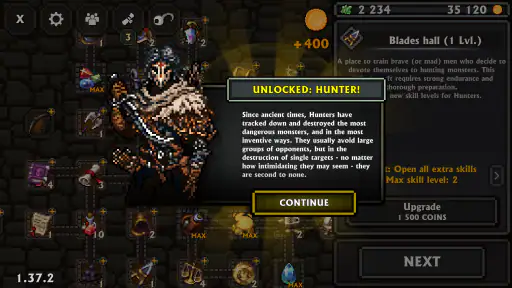
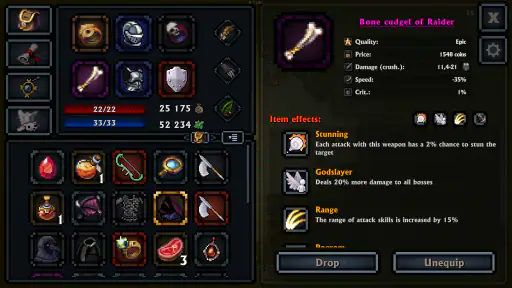
Now, let’s talk about loot because, let’s face it, who doesn’t love finding epic treasures? In Pocket Rogues: Ultimate, the loot system is incredibly satisfying. You can equip your character with a variety of weapons, armor, and items that you find along the way. The progression system allows you to unlock new classes and abilities, keeping you invested in your character’s growth.
What I particularly enjoyed is how the game encourages experimentation. You can customize your loadout to suit your playstyle, whether you prefer going in guns blazing or taking a more strategic approach. The variety of options keeps the gameplay engaging and ensures you’re always striving for that next upgrade.
Challenge, pacing, and the right session
The difficulty is part of the rhythm, not just a hurdle between rewards. Random layouts ask me to react rather than rely on a memorized sequence, so I get the most out of it when I’m alert enough to make deliberate choices. If I’m tired or trying to play while distracted, the same action can feel more punishing. I would not pick it as background entertainment; it works better when I can give the dungeon my attention.
A realistic use case is a short break at home when I want a game with a clear activity rather than an open-ended social feed or a long story chapter. I can start a run, focus on the immediate decisions, and stop when it makes sense for me. The trade-off is that a run’s endpoint may not line up perfectly with a quick interruption, so I’d avoid starting one when I know I have to put the phone away at a fixed moment.
How it fits among mobile RPGs
Compared with mobile role-playing games built around lengthy quests, dialogue, or a persistent world to check throughout the day, this is a better fit for someone who wants direct action and replayable dungeon exploration. Its changing runs give it a different pull from a conventional action RPG where much of the pleasure comes from following a set campaign. On the other hand, players who want a guided story, a relaxed pace, or steady progress without the risk and repetition associated with roguelikes may be happier with a more traditional RPG.
It is also worth separating the upfront purchase from optional spending. The game costs $3.99, and in-app purchases range from $1.99 to $34.99 per item. I’d decide whether the core style suits me before considering any extras; purchases do not change the basic question of whether I enjoy repeating runs and adapting to unpredictable dungeons. It is a paid game, so anyone comparing it with free-to-start alternatives should weigh the entry price alongside those optional purchases.
Who will enjoy it, and who may not
I’d recommend it to players who like learning through trial and error, adjusting equipment choices, and finding their own rhythm in a dungeon. It can also suit someone who wants an action-focused role-playing game that does not depend on following a long sequence of story scenes. I would steer away from it if repeated attempts feel like busywork, if I want every session to produce guaranteed forward movement, or if a surprise encounter is more annoying than exciting.
For a new player, my useful rule is to pay attention to why a run went wrong before immediately changing the whole approach. Was I too aggressive, or did I overlook what the equipment I had found made possible? Testing one adjustment at a time gives each attempt a clearer purpose and makes experimentation less random. That is a more satisfying way to approach the game than expecting a perfect build to solve every situation.
A few practical details before you dive in
EtherGaming developed this role-playing game, which is rated Teen. It was released on Oct 16, 2017, and has a 4.3 average from around 15K ratings, with 872 reviews and over 100K installs. Those figures suggest an established audience, but they do not tell me whether its particular blend of action, randomness, and repeated attempts will suit me. I’d use the play style itself as the deciding factor.
The store describes it as a dynamic 2D action roguelike, but what matters in practice is whether I enjoy reacting to changing dungeon conditions and making progress through repeated play. The pixel-art presentation gives it a clear retro feel, while the action-oriented format makes it more immediate than a menu-heavy role-playing game. If I prefer carefully planned, uninterrupted sessions, I should set aside a little time rather than assume every run will fit into a momentary pause.
A Community of Adventurers
One of the things that I think really elevates Pocket Rogues: Ultimate is its community. It’s more than just a game; it’s a shared experience with fellow adventurers around the world. There are forums and social media groups where players share tips, strategies, and even their own stories of epic dungeon runs. Being part of this community adds another layer to the game, making it more than just a solo adventure.
I see community advice as most helpful when it gives me a fresh way to think about a class, a piece of gear, or a difficult encounter, rather than as a script I should copy exactly. A strategy that worked for someone else may not fit the equipment or situation I encounter in a randomly generated dungeon. Keeping that flexibility preserves the pleasure of making my own decisions while still letting other players’ experience offer a useful nudge.
Where the progression earns its place
In the end, the lasting appeal comes from the link between immediate survival and longer-term growth. Loot and unlocks give me reasons to return, while the changing dungeons keep those goals from feeling like a simple checklist. That balance is strongest when I enjoy the run itself; if I only care about reaching the next unlock, the repeated challenge could start to feel like a grind. I’d treat progression as an incentive, not a promise that every session will be smooth.
Overall, I’d suggest giving it a try if you want a compact, skill-led dungeon game and are comfortable with setbacks being part of the loop. Players looking for a gentle, story-first RPG or frictionless progress should choose something else. For me, the best reason to play is the combination of adapting in the moment and noticing that I’m making sharper choices over time.
Making a run fit real life
I would use this as a deliberate break, not something to launch while waiting for a call or standing in a queue that could move at any moment. A run asks for attention, and an interruption can turn a promising attempt into a frustrating stop. At home, I might play after finishing a chore, when I can give the screen a few uninterrupted minutes and decide for myself when I am ready to stop. That makes the game’s compact format useful without pretending every session is instantly disposable.
For someone new to roguelikes, the first useful question is not “How do I win every time?” but “What did this attempt teach me about the danger I faced?” I’d remember one detail—an enemy’s pressure, a risky choice, or an item that changed how I approached a fight—and carry only that lesson into the next run. This keeps learning manageable and avoids turning every loss into a reason to rebuild an entire strategy.
Choosing what kind of progress you want
The unlocks and equipment offer a visible longer-term reason to return, but they are not the same as a conventional campaign that steadily moves through a fixed plot. If I want a story with a clear sequence of chapters and a sense of being guided toward a conclusion, I would choose a story-led RPG instead. If I want each session to be shaped by adapting to a dungeon and making practical choices with the gear I find, this game’s structure is a stronger match.
That distinction matters when deciding whether the paid entry price is worthwhile. I would not buy it solely because I expect purchases or unlocks to remove the challenge; the appeal is in playing through that challenge. The optional in-app spending is another consideration for anyone who prefers a single, predictable cost, so I’d look at the purchase details before deciding whether the overall spending model fits my preference.
A measured recommendation
My verdict is that this action roguelike is best for players who enjoy short-term goals, uncertain outcomes, and gradual improvement through their own choices. It is less suitable for someone who needs a run to end on demand, wants a relaxed story-first experience, or dislikes repeating content after a setback. I find its strongest reward in the way each attempt gives me a fresh problem to read rather than a guaranteed victory to collect.
With an average rating of 4.3 and a Teen age rating, it has a clear place among mobile role-playing games, but neither figure settles whether its rhythm will suit you. I’d choose it for focused dungeon action and the satisfaction of learning from a run; I’d skip it if randomness and repetition sound more like friction than fun. That is the honest dividing line, and knowing it before you start makes the game much easier to judge on its own terms.
Pocket Rogues: Ultimate Frequently Asked Questions
Is Pocket Rogues: Ultimate a good choice for players who enjoy dungeon exploration?
Pocket Rogues: Ultimate is a role-playing game built around a dynamic 2D action-RPG roguelike experience. Its dungeon exploration, real-time battles, and loot-focused progression make it a natural option for players who enjoy exploring dangerous settings and developing a character along the way. The repeated challenge of roguelike play may be less appealing if you prefer a story-led game with a predictable path.
Can I play Pocket Rogues: Ultimate in short sessions?
The game’s action-focused structure is suitable for picking up when you have time to explore and fight, though the roguelike format can make each run feel like a compact adventure with its own risks. Dungeon exploration and real-time combat call for attention, so it may not be ideal to start a run when you expect to be interrupted. Players who enjoy returning for another attempt may find that format appealing.
Does Pocket Rogues: Ultimate offer character progression?
Yes. Pocket Rogues: Ultimate includes character classes and an upgrade system, with skills and abilities to unlock as you progress. That gives players reasons to experiment with different approaches rather than treating every run as the same experience. Its combination of progression and roguelike challenges should appeal to players who like building up a character while facing changing dungeons and combat situations.
Is Pocket Rogues: Ultimate a single-player game or can I play with others?
Pocket Rogues: Ultimate is presented as a dungeon-focused action role-playing game, with its appeal centered on exploring, fighting enemies, collecting loot, and developing your character. If you are choosing a game mainly to play with friends, consider that focus before downloading. Players who prefer taking on a roguelike adventure at their own pace may be more drawn to its exploration and progression.
Does Pocket Rogues: Ultimate have challenging combat?
The game features real-time battles and a roguelike structure, making combat an important part of its challenge. Players who enjoy timing their actions, preparing their character, and learning from difficult encounters are likely to appreciate that focus. The combination of enemies, dungeon exploration, and progression can demand patience, so it may feel demanding for someone looking for a relaxed, low-pressure RPG.
Pros
- Immersive pixel art graphics.
- Challenging gameplay with permadeath.
- Multiple character classes to explore.
- Engaging rogue-like elements.
- Frequent updates and improvements.
Cons
- Steep learning curve for beginners.
- In-app purchases can be intrusive.
- Requires consistent internet connection.
- Occasional bugs and glitches.
- Limited storyline progression.

- Category
- Role Playing
- Version
- Varies with device