Pawn to Don Mafia Crime Story
- 875.00
- 4.4
- Installs
- 1.00M
- Price
- Free

Screenshots
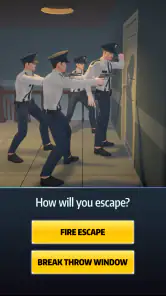


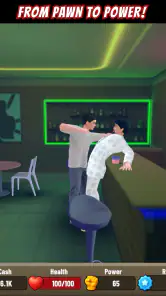



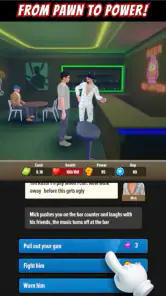
Analysis by Reviewed
I like a crime story best when its choices feel like more than a way to tap through dialogue. Pawn to Don Mafia Crime Story caught my attention for that reason: it puts a rise through the criminal underworld at the center of a role-playing game, with decisions presented as part of the character’s fate. It’s a focused choice for players who want a narrative to follow in short sessions rather than a sprawling world to explore.
My impression is that its appeal depends on how much you enjoy making decisions and seeing where a dramatic setup leads. If you’re looking for tactical combat, open-world freedom, or a deep character-building system, this may not scratch that itch. If you want a crime-themed story you can pick up when you have a little time, it has a more promising fit.
Choosing the right kind of story game
One distinction I’d keep in mind is the difference between a choice that feels dramatic and one that changes how you personally interpret the protagonist. Even when two options lead toward a similar broad goal, picking one because it matches your idea of the character can make a scene more engaging. I find that approach more satisfying than trying to guess which answer the game considers “correct.”
That also makes the game easier to enjoy without a guide. If you look up ideal choices before playing, you may avoid surprises, but you lose some of the uncertainty that gives a crime story its tension. I’d save outside advice for a later run, if at all, and let the first playthrough reflect my own instincts.
A crime story built around choices
What the current version offers
This is a free role-playing game from Funcell Games Pvt Ltd, designed around an interactive crime-thriller premise. The title points to a climb from a low position toward power, and that framing gives the story a clear source of tension: choices are meant to influence the direction of a character’s life. I’d approach it as a narrative game first, rather than assume the role-playing label means a traditional party, equipment, and battle loop.
The most useful way to play is to treat decisions as part of the experience, not as disposable prompts to rush through. When a story asks you to choose between competing interests, pause long enough to consider what kind of character you want to be. That makes the progression feel more personal, even if you’re playing in brief bursts. It also helps distinguish a choice-driven crime story from a standard action game, where progress is usually measured by winning fights or clearing stages.
The game is rated for Everyone 10+, which makes it more accessible than an adults-only crime drama, but the subject matter is still criminal ambition and danger. I’d use that rating as a guide to suitability, not as a promise that every family will find the theme appropriate. Parents may want to look at the game themselves before handing it to a younger player, especially if crime stories are a concern at home.
You May Like

Clash of Clans Is Won Between the Battles

Android Auto Makes the Case for Quieter Car Software

MobiOffice: Transforming Mobile Productivity with Seamless Integration

EA SPORTS FC™ Mobile Soccer: Redefining Mobile Sports Gaming

How Microsoft OneDrive Became a Mobile Productivity Giant

How Google Translate Breaks Language Barriers Effortlessly
It has an average rating of 4.4 from around 24,000 ratings, and has passed one million installs. Those figures suggest that it has found an audience, but they don’t tell me whether its particular mix of story and choices will suit you. For that, the deciding question is simple: do you enjoy following a dramatic narrative and making decisions, or do you mainly want hands-on action?
How it fits into a normal day
A realistic use case is a commute, a quiet break, or a short stretch before bed. A story-based game can work well in those moments because you can focus on one decision or scene instead of committing to a long competitive match. I’d avoid starting a major story moment when I’m distracted, though. If the point is to choose a direction for the protagonist, half-reading the situation makes the choice feel arbitrary—and can make the narrative less satisfying.
One practical habit is to decide before playing whether you’re exploring the story or trying to make a consistent character. On a first run, I’d choose the option that seems most interesting and accept the consequences, rather than searching for a supposedly perfect answer. If I replayed, I’d take a deliberately different approach. That turns contrasting choices into a reason to revisit the story instead of a source of regret about a decision made in a hurry.
Another useful trade-off is session length. Short sessions make a narrative game convenient, but they can also leave you returning without remembering the details that made a choice meaningful. If you tend to forget story beats, play when you have enough uninterrupted time to follow the setup, or take a moment to recall the previous scene before continuing. That small pause can improve the experience more than trying to race through several decisions.
Where it sits among role-playing games
Compared with a conventional role-playing game built around exploration, combat, and character statistics, this one is a better match for someone who wants the story to lead. It also differs from a purely passive visual story: the central promise is that your decisions matter to the protagonist’s path. That doesn’t automatically make every choice equally weighty, so I’d judge it by whether the consequences keep me curious, not simply by how often the game presents a prompt.
If you’re choosing between this and an action-focused crime game, think about what you want to do minute by minute. A game centered on driving, aiming, or navigating a city gives you direct physical challenges. This title’s hook is the narrative angle and the sense of steering a character’s rise. If you want both constant action and a large simulated city, a more mechanically focused alternative is likely the better pick.
Likewise, players who enjoy management-heavy RPGs may prefer a game that gives them more control over resources, builds, or party composition. I wouldn’t choose Pawn to Don on the assumption that it offers those systems. Its strongest reason to be on your phone is the crime-story framing and the opportunity to make decisions within it.
A useful way to approach a first run
If I had only a few minutes to play, I’d stop at a natural pause rather than begin a scene when I knew I would need to put the phone down immediately. That keeps an important decision from becoming an accidental tap made while distracted. On a longer break, I’d give myself time to read the setup and then choose without overthinking; the point is to own the character’s direction, not to turn every prompt into a test.
This makes the game a better fit for a lunch break than for a noisy moment when you are juggling messages and other tasks. It can still be played casually, but a little attention is part of the value. If your usual mobile habit is to play with the sound off while doing something else, consider whether you can comfortably follow the story that way before settling in for a longer session.
Progress, costs, and what to keep in mind
What the version information tells players
The game was released on March 27, 2025, and the current version is 2.8.4. That gives existing players a clear reference point for the build they’re considering, and it shows that the game has moved beyond its initial release. I wouldn’t read a version number as proof of specific new story chapters or mechanics, however. Without a confirmed change log to point to, it’s more useful as a marker of the current edition than as a promise about what has been added.
For someone who already plays, the sensible approach is to update when a newer version is available through the platform they use, then judge the game by what they can actually see in their own sessions. For a new player, the current version is the one to assess rather than assuming the launch experience is unchanged in every detail. Either way, I’d keep expectations modest: a version number alone doesn’t explain whether an update affected story flow, performance, or presentation.
The minimum operating-system requirement is Android 7.1. That matters if you’re installing on an older device: check the system version before planning to play, and leave enough room for the game and its updates. The requirement is not a guarantee that every device meeting it will feel equally smooth, so if your phone is older, try a short session first and see how comfortably it handles the experience.
Free to start, with purchases to consider
The game is free to download, with in-app purchases ranging from $0.99 to $59.99 per item. I’d treat that range as a reason to check the purchase screen carefully, not as an instruction to spend. If you’re comfortable playing without buying anything, start that way and see whether the story holds your attention. If a purchase is presented during play, consider whether it adds something you genuinely want rather than tapping through out of impatience.
For families, a free download can still involve spending decisions. I’d use the device’s purchase controls if a child will play, and talk through the fact that optional purchases can cost real money. For adults, the same basic rule applies: set a personal limit before playing if you’re prone to making small purchases in the moment. The upper end of the listed range is substantial enough that it’s worth making an intentional decision rather than treating every offer as trivial.
I also wouldn’t assume that paying is necessary to enjoy the story. The game is available at no cost, and the purchase range describes optional in-app items; it doesn’t, by itself, explain what each item does or whether it changes progression. Try the free experience first. That’s the fairest way to decide whether the narrative and its pacing are worth any extra spending to you.
How to make a sensible purchase decision
If an offer appears while you are absorbed in a tense scene, I’d step back and decide later rather than buying just to keep the story moving. A useful personal rule is to ask whether you would still want the item after closing the game and coming back another day. If the answer is unclear, keep playing without it; the free starting point gives you room to see whether the story itself is enough.
On a shared device, purchase safeguards matter even when the person playing is old enough for the game’s age guidance. A quick check of the device’s spending controls can prevent an accidental tap from becoming an unwanted charge. That is especially helpful when several family members use the same account or phone, since a purchase prompt can be easy to treat as just another story screen.
Who should try it—and who may want another game
I’d recommend giving it a try if you like crime dramas, enjoy making choices for a central character, and prefer an experience that can fit into a phone-sized break. It is also a reasonable option for RPG fans who are curious about a story-led alternative to games that devote most of their time to battles and inventory. The free entry point makes it easier to test that fit for yourself before deciding whether to continue.
I’d skip it if your main priorities are complex combat, a huge explorable map, deep customization, or a story with no criminal themes. It may also be a poor choice when you want a game you can play entirely on autopilot. The premise works best when you pay attention to what’s at stake in a decision; if you’re usually tapping through dialogue, a more direct arcade or action game may be more satisfying.
Players who are sensitive to purchase prompts should be mindful of the in-app purchase range, while anyone using an older device should check that it meets the Android requirement before downloading. Those aren’t reasons to rule the game out automatically, but they are easy checks that can prevent a frustrating start.
What I’d watch as I keep playing
For me, the key test is whether the decisions create a satisfying sense of direction over time. A crime story about rising from pawn to don needs more than a bold premise: it needs choices that make me curious about the next consequence. I’d pay attention to whether the protagonist’s path feels shaped by my decisions, whether the story remains easy to follow across short sessions, and whether the game gives me a reason to explore an alternate approach on another run.
I’d also watch how the current build feels on my own phone rather than infer too much from its release history. Version 2.8.4 is a useful current reference, but what matters to a player is whether the game runs comfortably and whether the narrative keeps its momentum. If you already have it installed, compare your experience after updating instead of expecting a particular feature based only on the version number.
My recommendation in practice
For someone deciding whether to install it, I’d make the choice based on the kind of attention they want to give a game. If you enjoy following a protagonist’s climb and thinking through decisions, try a few sessions without spending and see whether the story earns your curiosity. If you mainly want to test reflexes, roam a city, or build a character through detailed systems, choose a game designed around those activities instead.
For me, Pawn to Don Mafia Crime Story works best as a focused alternative to action-heavy mobile RPGs, not as a replacement for them. Its appeal is the chance to guide a crime-themed narrative at your own pace. I’d recommend trying it without spending first, keeping an eye on purchase decisions, and moving on if you find yourself wanting more direct gameplay than its premise suggests.
Pawn to Don Mafia Crime Story Frequently Asked Questions
What is Pawn to Don Mafia Crime Story about?
Pawn to Don Mafia Crime Story is a crime-themed game built around the rise of a character in the underworld. Players can expect a story focused on gaining influence, dealing with rival factions, and making progress through criminal activities. The exact missions and mechanics may vary by version, so check the store listing and in-game description to confirm what is included before downloading.
How does the gameplay work?
The game presents a sequence of story-driven challenges in which players work toward becoming a more powerful figure in the criminal world. Depending on the version, this may involve completing missions, managing resources, or making choices that affect progress. Read the on-screen instructions and tutorial carefully when starting, since they explain the available controls and objectives. Store screenshots can also help set expectations about the gameplay style.
Is Pawn to Don Mafia Crime Story free to download?
Check the Google Play or Apple App Store listing for the current price and any in-app purchases. A game may be free to install while offering optional purchases, advertisements, or paid content. The availability of these features can differ between platforms and regions. Before downloading, review the listing’s purchase information and your device’s payment settings, especially if children may use the device.
Can I play Pawn to Don Mafia Crime Story offline?
Offline availability is not guaranteed and can depend on the game’s version, platform, and the features you want to use. Some titles require an internet connection for loading, account services, advertisements, or progress synchronization, even when parts of the gameplay appear to be single-player. Check the store description and test the game’s connection requirements before relying on it during travel or in places without reliable internet.
Which devices support Pawn to Don Mafia Crime Story, and is it suitable for everyone?
Compatibility depends on the version available for your region, so check the app-store listing for supported operating-system versions and device requirements before installing. The game’s crime-focused theme may not suit every age group. Review its official age rating, content descriptors, privacy details, and permissions, and consider whether its themes and any advertisements or purchases are appropriate for the person who will be playing.
Pros
- Easy-to-understand controls make it approachable for casual players.
- Story-driven missions give the crime-themed gameplay a clear direction.
- The mafia setting offers a distinct alternative to fantasy and sci-fi games.
- Short missions can fit into brief play sessions.
- Progression provides goals to work toward as the story unfolds.
Cons
- Gameplay may feel repetitive as missions follow similar patterns.
- The crime and violence themes may not suit younger players.
- Some objectives can become challenging without clear guidance.
- Progress may rely on repeated play to unlock later content.
- Performance and visual quality may vary across mobile devices.

- Category
- Role Playing
- Version
- 2.8.4