Open World: Pixel Outlaw
- 55.00
- 3.5
- Installs
- 1.00M
- Price
- Free

Screenshots
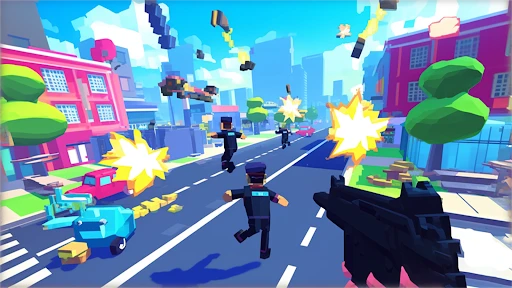

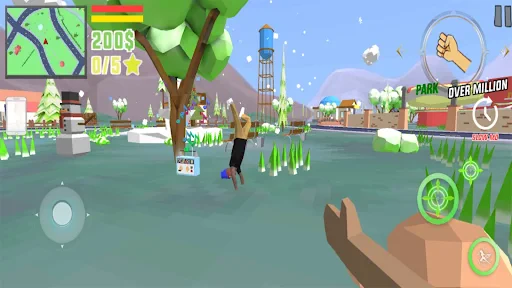
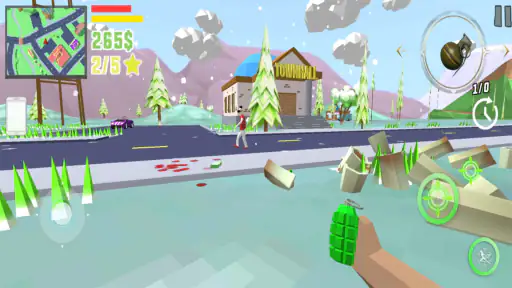

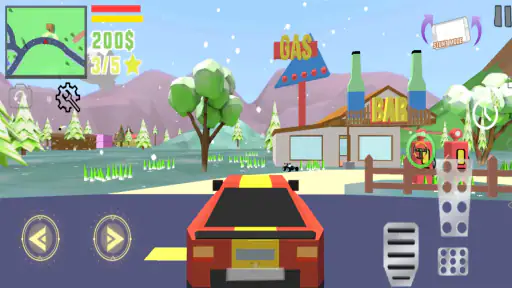
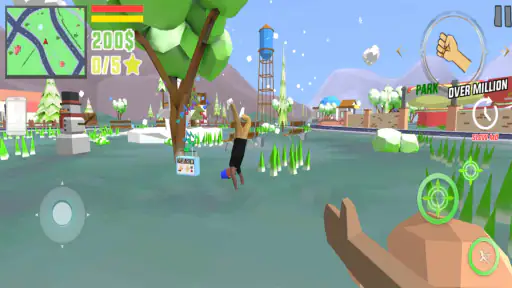
Analysis by Reviewed
Ah, the thrill of an open world game! There’s something uniquely captivating about diving into a universe crafted with endless possibilities, and Open World: Pixel Outlaw delivers just that. This game, with its vibrant pixelated charm, is like a nostalgic nod to retro gaming, yet it brings a fresh twist to the open-world genre. Let’s take a stroll through the pixelated streets of this intriguing game.
Why freedom is the main attraction
The clearest idea behind this simulation game is freedom: rather than funneling every moment into one narrow task, it invites you to explore a pixelated sandbox and decide what to do next. I find that appealing when I want a game that lets me set my own pace. That freedom is also a trade-off. If you prefer a tightly guided story with clear objectives at every turn, an open-ended setting can feel less purposeful than a mission-based alternative.
That difference changes how I’d approach a short play session. I’d pick one small aim—look around a new area, talk to a character, or see what catches my attention—rather than expecting every session to deliver a complete story beat. Treating exploration as the point makes the loose structure easier to enjoy; waiting for the game to direct every step may make it feel aimless.
The World at Your Fingertips
First things first, let’s talk about the expansive environment that Open World: Pixel Outlaw offers. The game is set in a beautifully crafted pixelated city where you can roam freely and interact with almost everything you see. Imagine a place where every corner holds a new secret, a new mission, or a quirky character to meet. The city is alive with vibrant colors and dynamic scenarios that keep you on your toes.
What’s really cool is how the game immerses you into its world. The pixel art style may seem simplistic at first, but it’s executed with such detail and creativity that you can’t help but admire it. Walking through the bustling streets, encountering various NPCs, and uncovering hidden collectibles make the exploration a delight.
Making exploration work in practice
In a free-roaming game, I get more out of a place when I slow down instead of rushing from one apparent objective to another. I’d scan side streets and corners, then talk to characters I pass before committing to a longer activity. That habit is useful here because the appeal comes from noticing what the city offers, not just moving quickly across it. It also helps keep a casual session enjoyable if I only have a little time.
A realistic use case is picking up the game during a break, spending that session wandering and checking out points of interest, then returning later when I have more time for a longer activity. I would not treat that as a guaranteed save or mission workflow; it’s simply a way to match an open-ended game to an everyday schedule. If you need a clear stopping point or dependable story progress in every brief session, a more linear game may suit you better.
More From Our News Desk

Weather by Xiaomi Review: Clear at a Glance, Less Clear Up Close

X Under Pressure: Can It Recover When Posting Goes Wrong?

Clash of Clans Is Won Between the Battles

Android Auto Makes the Case for Quieter Car Software

MobiOffice: Transforming Mobile Productivity with Seamless Integration

EA SPORTS FC™ Mobile Soccer: Redefining Mobile Sports Gaming
Gameplay Mechanics That Shine
The gameplay in Open World: Pixel Outlaw is as engaging as its world is vast. You start off as a newbie in this sprawling city, slowly rising through the ranks by completing missions and side quests. The missions are diverse, ranging from thrilling car chases to strategic heists, each requiring a different set of skills and tactics.
One feature that stands out is the game’s combat system. It’s simple yet effective, allowing you to engage in battles with ease. Whether you’re fist-fighting or using a variety of weapons, the controls are intuitive, making combat a fun and integral part of the experience.
Choosing between roaming and objectives
The missions give players who want direction a reason to engage with the city, while free exploration leaves room to set a personal pace. I’d alternate between the two: follow an objective when I want a clear next step, then wander when I want a change of rhythm. That approach can make the sandbox feel less scattered without turning every session into a checklist.
Compared with a conventional action game built around a sequence of levels, this setup puts more emphasis on choosing what to do than on simply clearing the next stage. Compared with a pure creative sandbox, missions and combat offer more structure. That middle ground is the most useful way to think about it, though players who want deep simulation systems or a carefully paced campaign may prefer a more specialized alternative.
A practical rhythm for playing
One useful way to keep a broad city from feeling overwhelming is to give each visit a loose theme. I might make one session about observing the setting and finding interesting corners, then use another to follow an objective or try an activity that sounds different. This is not a strict route the game requires; it is a small planning trick for players who enjoy choice but can get stuck when every direction seems equally open.
I’d also judge a session by whether it gave me something to enjoy, not by how much apparent progress I made. In a linear game, finishing a level is an obvious measure of completion. Here, a short wander or an amusing encounter can be enough. That mindset is especially helpful when playing casually, but it will not satisfy someone who wants a steady sequence of milestones and a strong sense of completion after every sitting.
Crafting Your Own Adventure
The beauty of Open World: Pixel Outlaw lies in its ability to offer a personalized adventure. You can choose your path, be it the hero, the villain, or somewhere in between. The choices you make affect the story’s progression and the city’s perception of you. This adds a layer of replayability, as you might want to explore different paths and outcomes.
Moreover, the game doesn’t shy away from humor. The dialogue is sprinkled with witty remarks and pop culture references that bring a smile to your face. It’s these little touches that make the game feel alive and engaging.
What the open format asks of you
Freedom can be a strength, but it also asks you to supply some of your own motivation. If you open the game without any idea what sounds fun, you may spend more time deciding than playing. I’d avoid turning that into a problem by choosing a simple intention beforehand: explore, follow a mission, or just see what kind of character interaction the city offers. The point is not to optimize every minute; it is to make the choice feel manageable.
Another trade-off is that a broad mix of activities does not automatically mean each activity has the depth of a dedicated game built around it. The appeal here is the chance to shift between roaming, missions, and combat in one setting. If you mainly want demanding combat or a detailed simulation, that variety may feel less satisfying than a game focused on one of those systems. I’d choose this for its changeable pace, not as a substitute for a specialist title.
Who will get the most from this sandbox
I’d recommend it most to players who enjoy pixel art, casual exploration, and the freedom to decide what counts as a worthwhile session. It may also suit someone new to open-world games who wants to sample roaming, missions, and combat in one setting. The game is free, rated for Everyone, and developed by Aastra Gaming; its broad age rating makes it accessible to a wide audience, though a parent should still decide whether its outlaw theme fits a particular child.
Players who want a polished, highly guided narrative, complex combat, or a realistic simulation should be more cautious. The central appeal is the broad sandbox idea, not a promise that every system will have the depth of a dedicated genre game. If your favorite part of a game is mastering intricate mechanics, a more focused simulation or action title may give you more to work with.
Who may want a different kind of game
I would steer away from this if I were in the mood for a story that keeps me on a carefully controlled path, with every scene leading clearly to the next. A level-based action game is usually a better match for that kind of evening. Likewise, players who want a construction-focused sandbox should look for a title where making and shaping things is the central activity, rather than expecting an open city to provide that kind of creative depth.
For someone sharing a phone or choosing a game for a younger player, the Everyone rating is a useful starting point, not a replacement for personal judgement. I’d consider whether the outlaw theme and the child’s comfort with action-oriented play are a good fit. For an adult or older player deciding whether to try it, the better question is whether pixel-art roaming and choosing your own direction sound appealing even when a session does not revolve around a clear endpoint.
What to expect before you install
The game has a 3.5 average from around 1,800 ratings, with 55 written reviews, and it has passed over a million installs. I read those figures as signs of a sizeable audience but mixed reactions, not as proof that it will fit every player. It was released on November 24, 2023, and the current version is 39; Android 5.1 is the minimum requirement. Those details are useful when checking whether an older device can run it, but they do not tell you how it will feel on your specific phone.
Because it is free, trying it is a relatively easy way to find out whether its style and open-ended pace suit you. I’d go in expecting to explore and experiment rather than assuming the game will explain every possibility up front. If you prefer to know exactly what a game offers before installing, the most practical question is whether the idea of making your own plans in a pixelated city sounds fun; if not, a more structured alternative is probably a better use of your time.
How I’d decide whether it fits
Before installing, I’d think about what I want from a mobile game during an ordinary week. If I want something I can dip into without needing to resume a complicated plot, the open format is a point in its favor. If I want a focused session with a clear beginning and end, I’d choose a more linear game instead. This distinction matters more than whether the pixel style looks appealing in a screenshot: the way you like to spend your play time determines whether the freedom feels inviting or unfocused.
A practical first-session test is to give the city a fair chance without expecting to understand every possibility immediately. Try exploring, notice whether the characters and setting hold your interest, and see whether the available activities make you curious enough to continue. If you find yourself wishing for clearer direction, that is useful information rather than a failure to play correctly. If you enjoy deciding your own next move, the sandbox is doing what you came for.
Final Thoughts
In conclusion, Open World: Pixel Outlaw is a delightful blend of nostalgia and innovation. It invites you to lose yourself in a world that’s both charmingly retro and refreshingly new. From its captivating open world to its engaging gameplay mechanics, it’s a game that promises hours of entertainment.
If you’re a fan of open-world games and have a soft spot for pixel art, this game is definitely worth a try. So, grab your gear, dive into the pixelated chaos, and see what kind of outlaw you become!
Open World: Pixel Outlaw Frequently Asked Questions
What kind of game is Open World: Pixel Outlaw?
Open World: Pixel Outlaw is a simulation game built around an expansive pixelated sandbox. Its short description is simply “Open World,” while the main appeal is the freedom to explore and decide how you want to play. If you enjoy sandbox settings and pixel-style environments, its premise may suit you; it is less focused on a tightly guided, linear experience.
Who developed Open World: Pixel Outlaw, and is it suitable for younger players?
Open World: Pixel Outlaw is developed by Aastra Gaming and has an Everyone content rating. That rating makes it broadly suitable for players of different ages, although parents may still want to check the game themselves to see whether its style and activities are a good fit for their family. It is a mobile game, so device settings and family rules can also shape how children play.
What is the main objective of Open World: Pixel Outlaw?
Open World: Pixel Outlaw is a sandbox-style adventure game that allows players to explore a vast, pixelated world filled with various quests, challenges, and interactive environments. The main objective is to build your reputation as an outlaw by completing missions, engaging in heists, and customizing your character with unique skills and abilities to survive in this open-world setting.
Is Open World: Pixel Outlaw free to play?
Yes, Open World: Pixel Outlaw is free to download and play. However, the game offers in-app purchases that can enhance the gaming experience. Players can buy special items, character upgrades, or currency to advance more quickly in the game. These purchases are optional, and players can enjoy the core aspects of the game without spending money.
What platforms is Open World: Pixel Outlaw available on?
Open World: Pixel Outlaw is available on both Android and iOS platforms, allowing players to enjoy the game on a wide range of smartphones and tablets. Whether you are using an Android device or an iPhone, you can download the game from the respective app stores and dive into the pixelated adventure world it offers.
Pros
- Engaging open-world environment.
- Nostalgic pixel art graphics.
- Diverse character customization.
- Intriguing storyline.
- Frequent updates with new content.
Cons
- Occasional performance lags.
- In-app purchases needed for upgrades.
- Limited multiplayer features.
- Ads can be intrusive.
- Controls can be challenging on small screens.
- Category
- Simulation
- Version
- 39







